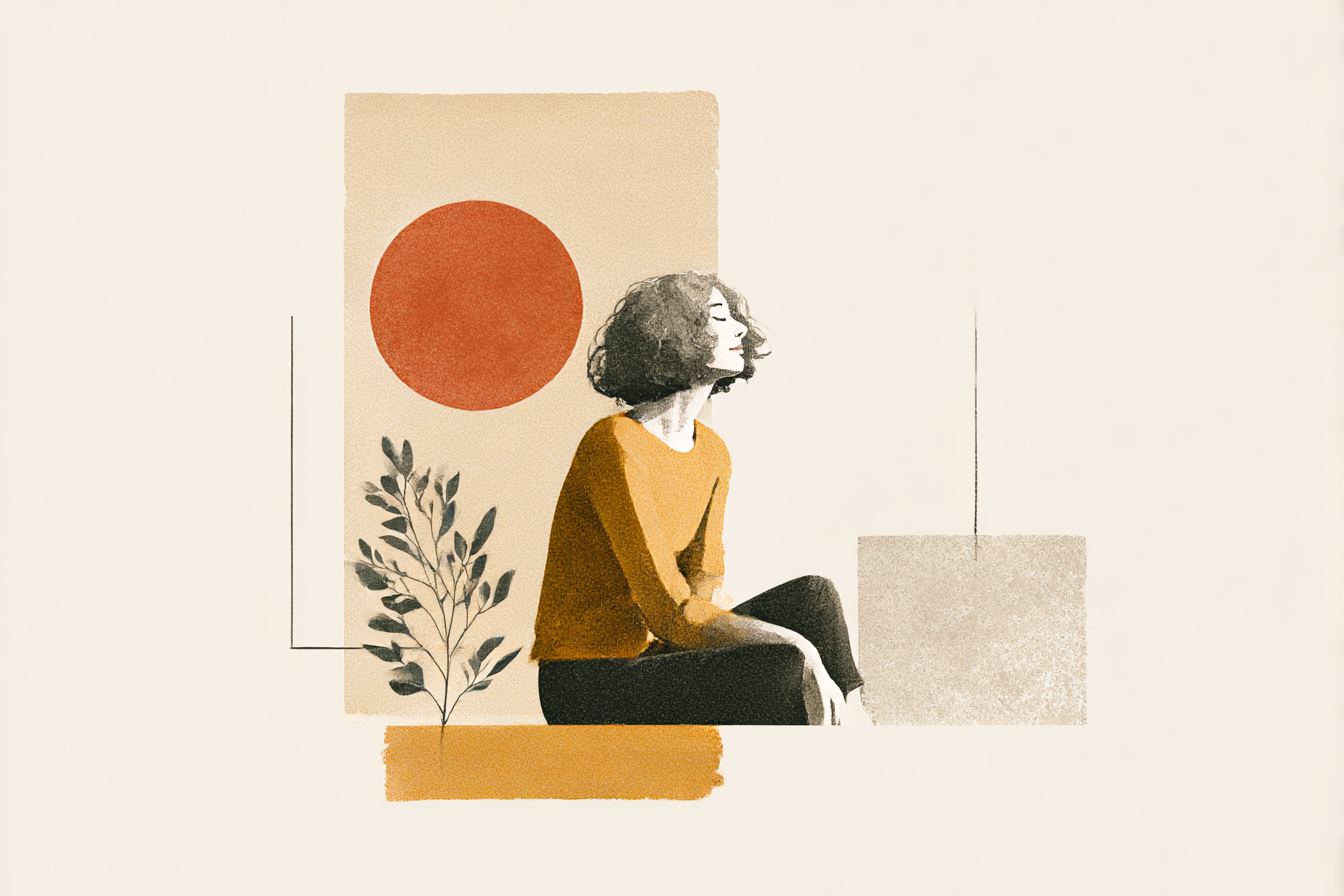
Standing in my friend Maya's apartment last Tuesday, I couldn't help but notice how exhausted she looked despite having just returned from a two-week vacation in Costa Rica. "I feel more drained now than before I left," she confessed, slumping into her sleek grey couch. Looking around her space – all sharp angles, cold surfaces, and that peculiar blue-white LED lighting that seems to dominate modern apartments – I immediately understood why.
Her place looked like it belonged in a design magazine. Clean lines, expensive finishes, everything perfectly coordinated. But there wasn't a single element that acknowledged we're living, breathing biological creatures who evolved in natural environments. No wonder she felt depleted.
<blockquote>This happens more often than you'd think. I've consulted on dozens of spaces where people invest heavily in what they believe is good design, only to find themselves feeling anxious, unfocused, or just plain uncomfortable in their own homes.
They can't pinpoint why – everything looks "right" according to current trends – but something essential is missing.</blockquote>
What's missing is restoration. Not the kind you get from a weekend getaway, but the subtle, ongoing renewal that happens when our environment actually supports our wellbeing instead of working against it.
I learned this the hard way during my Philadelphia apartment years. Beautiful space, honestly. High ceilings, exposed brick, those coveted industrial windows. But I'd come home from work feeling like I needed to immediately escape again. My sleep was terrible, my concentration shot, and I found myself making excuses to hang out anywhere but my own place. The apartment looked impressive but felt… dead.
<img class="size-full" src="http://wonkydogltd.co.uk/medium/wp-content/uploads/2026/01/im1979_restore_space_design._ultra-realistichyper-detailed_ph_397491f4-135a-4067-bf02-19ddde26969b_0.jpg" alt="im1979_restore_space_design._ultra-realistichyper-detailed_ph_397491f4-135a-4067-bf02-19ddde26969b_0" />
The transformation started small. I brought home a cutting from my mother's pothos – you know, one of those indestructible trailing plants that grows in practically anything. Within weeks, I noticed I was sleeping better. Not dramatically, just… easier. That single plant led to another, then another, until I had what friends jokingly called a "jungle apartment."
But it wasn't just about plants. I started paying attention to light – natural light specifically. Those industrial windows faced north, which meant my space never got direct sunlight. I installed full-spectrum bulbs that gradually dimmed throughout the day, mimicking natural cycles. Game changer. My energy levels stabilized, and I stopped reaching for that third cup of coffee every afternoon.
The real breakthrough came when I added water. Not talking about some elaborate fountain system – just a simple tabletop water feature I built from materials at the hardware store. The gentle sound masked the constant traffic noise from outside and created this pocket of calm I hadn't realised I was craving.
These changes weren't about following some design trend. They were about creating an environment that acknowledged basic human needs – our connection to natural rhythms, our response to living systems, our craving for sensory variety that goes beyond visual stimulation.
When I work with clients now, I often start by asking them to spend a day noticing how different spaces make them feel. Not how they look, but how they feel. The results are always illuminating. People discover they linger longer in certain cafes (usually the ones with plants and natural materials), feel more alert in specific offices (often those with better natural light), and sleep better in hotel rooms with particular characteristics (typically those with warmer lighting and nature views).
You Might Also Like
Take my recent project with a family in Denver. The parents called me because their teenage daughter had developed what they described as "apartment anxiety" – she'd become reluctant to spend time in common areas and was basically living in her bedroom. The space itself was lovely – open floor plan, high-end finishes, plenty of square footage. But it felt sterile. Cold. Unwelcoming, despite their best efforts to make it cozy with throw pillows and artwork.
We started with the obvious issues: the lighting was harsh and unchanging throughout the day, there were no plants anywhere, and every surface was either synthetic or highly processed. The sound environment was problematic too – you could hear every footstep, every conversation, every kitchen noise throughout the entire space.
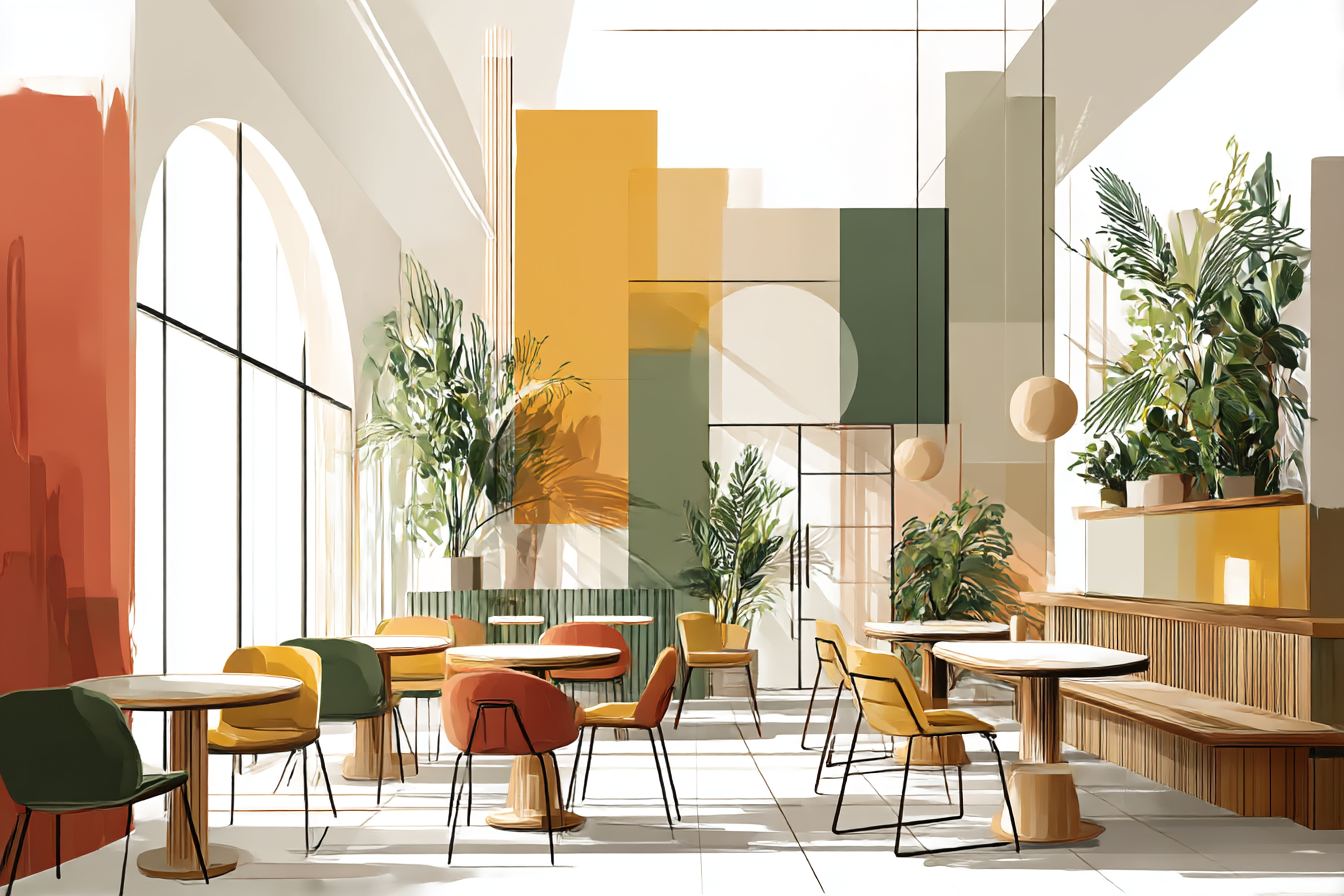
Instead of a complete overhaul, we made targeted interventions. We introduced what I call "restoration zones" – specific areas designed to actively support wellbeing rather than just look good. A reading nook with a small collection of air-purifying plants, soft natural fibre textures, and adjustable warm lighting. A dining area with a living wall system that also helped with acoustics. Strategic placement of natural materials – a reclaimed wood coffee table, stone accent pieces, unfinished ceramic vessels.
The daughter started spending time in common areas again within two weeks. Not because we'd created some teenage paradise, but because the space finally felt like a place where humans could actually thrive.
This is what I mean by restoration design – creating environments that actively replenish rather than drain us. It's not about turning your home into a greenhouse or camping trip. It's about recognising that we function better when our surroundings acknowledge our biological nature.
Water features don't have to be elaborate – even a small desktop fountain or fish tank can provide the psychological benefits of moving water. Natural materials don't require a complete renovation – introducing wood, stone, or natural fibre elements through furniture, accessories, or accent pieces can shift how a space feels. Plants don't need to take over – even a few strategically placed specimens can improve air quality and provide visual relief from synthetic materials.
The key is thinking beyond aesthetics to function. How does this space affect my nervous system? Does it support natural circadian rhythms? Are there elements that engage multiple senses? Does it provide some connection, however small, to natural systems and cycles?
<img class="size-full" src="http://wonkydogltd.co.uk/medium/wp-content/uploads/2026/01/im1979_restore_space_design._ultra-realistichyper-detailed_ph_397491f4-135a-4067-bf02-19ddde26969b_1.jpg" alt="im1979_restore_space_design._ultra-realistichyper-detailed_ph_397491f4-135a-4067-bf02-19ddde26969b_1" />
I've seen people transform their relationship with their living spaces through surprisingly simple changes. A client in Portland eliminated her chronic headaches by replacing fluorescent bulbs with adjustable LED panels that shifted colour temperature throughout the day. A family in Austin reduced their kids' after-school meltdowns by creating a "decompression corner" with soft textures, plants, and the sound of a small water feature.
<blockquote>These aren't expensive interventions or major renovations. They're strategic additions that work with human biology instead of against it.
The goal isn't to recreate nature indoors – it's to create spaces that acknowledge our connection to natural systems and support our wellbeing accordingly.</blockquote>
Maya's apartment transformation took three months and cost less than she'd spent on that Costa Rica trip. We didn't change the bones of the space, just added elements that made it actually livable for a human being. Plants for air quality and visual softness. Natural materials for tactile variety. Dynamic lighting that shifts throughout the day. Small water feature for sound masking and humidity.
She's been sleeping better, feels less anxious at home, and has started inviting people over again. The space still looks sophisticated, but now it also feels alive. That's the difference between decoration and restoration – one just covers surfaces, the other actually supports how we function as living beings in our built environment.