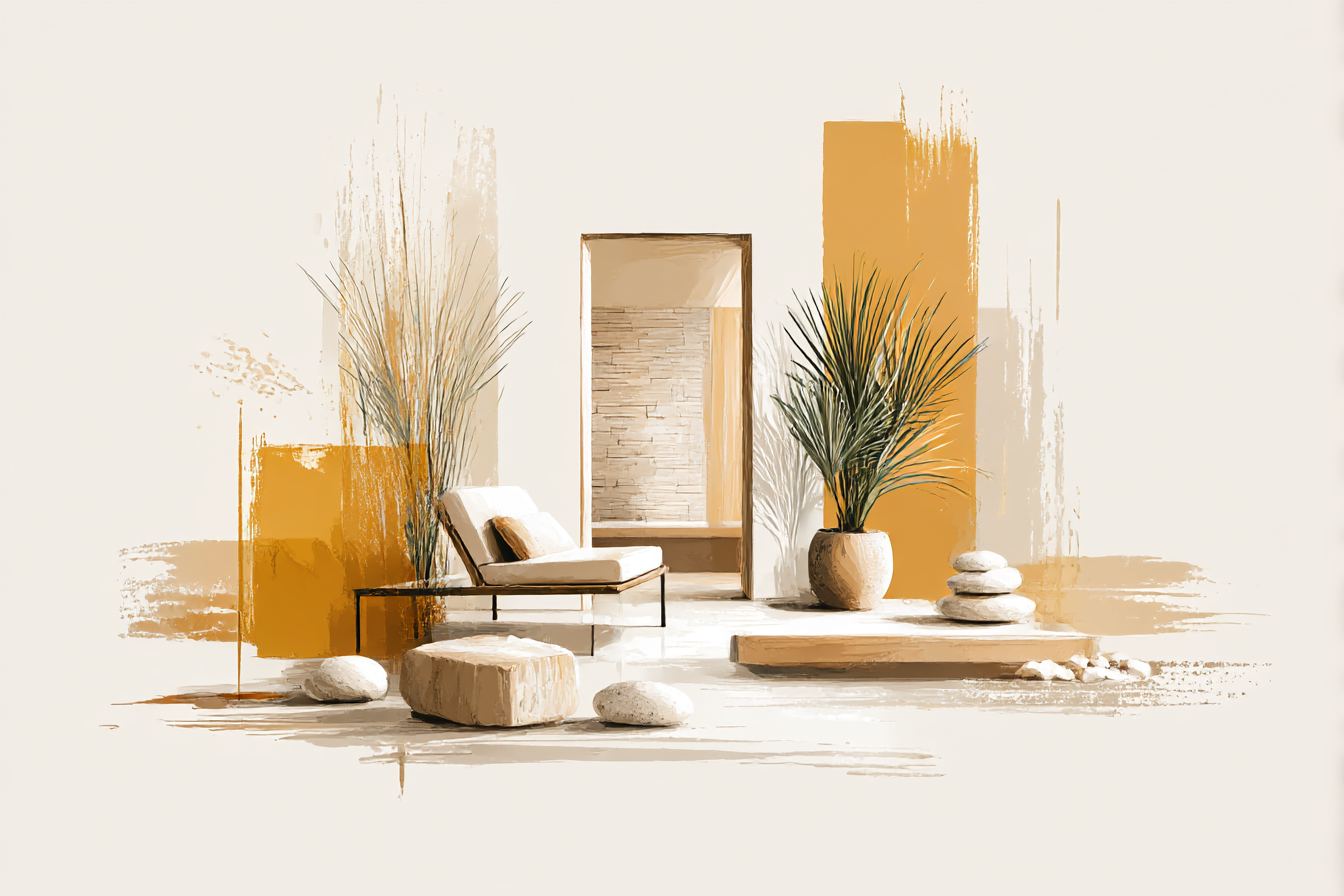
Walking into a truly well-designed spa should feel like stepping into a hidden grotto you discovered as a child – that sense of stumbling upon something magical and restorative that makes you want to whisper rather than speak. Last month, I had the opportunity to work with a boutique wellness centre in Vermont, and honestly, their original design brief made me cringe. "We want it to feel zen-like," they said, "maybe some bamboo and those little pebble things everywhere."
I get it, you know? When most people think spa design, their minds jump to generic stone fountains and synthetic materials masquerading as natural elements. But here's what I've learned after fifteen years of testing biophilic principles in my own space and countless client projects: authentic restoration happens when we stop trying to imitate nature and start inviting it to participate in our indoor environments.
The Vermont project became a case study in what I call "earned tranquility" – creating spaces where relaxation emerges organically from our biological responses to natural elements rather than from forced aesthetic choices. We started by completely reimagining their relationship with water. Instead of the typical tiered fountain they'd envisioned, we designed a living water wall where treated water cascades down locally sourced slate, collecting mineral deposits and supporting actual moss growth over time.
<blockquote>The sound was everything.
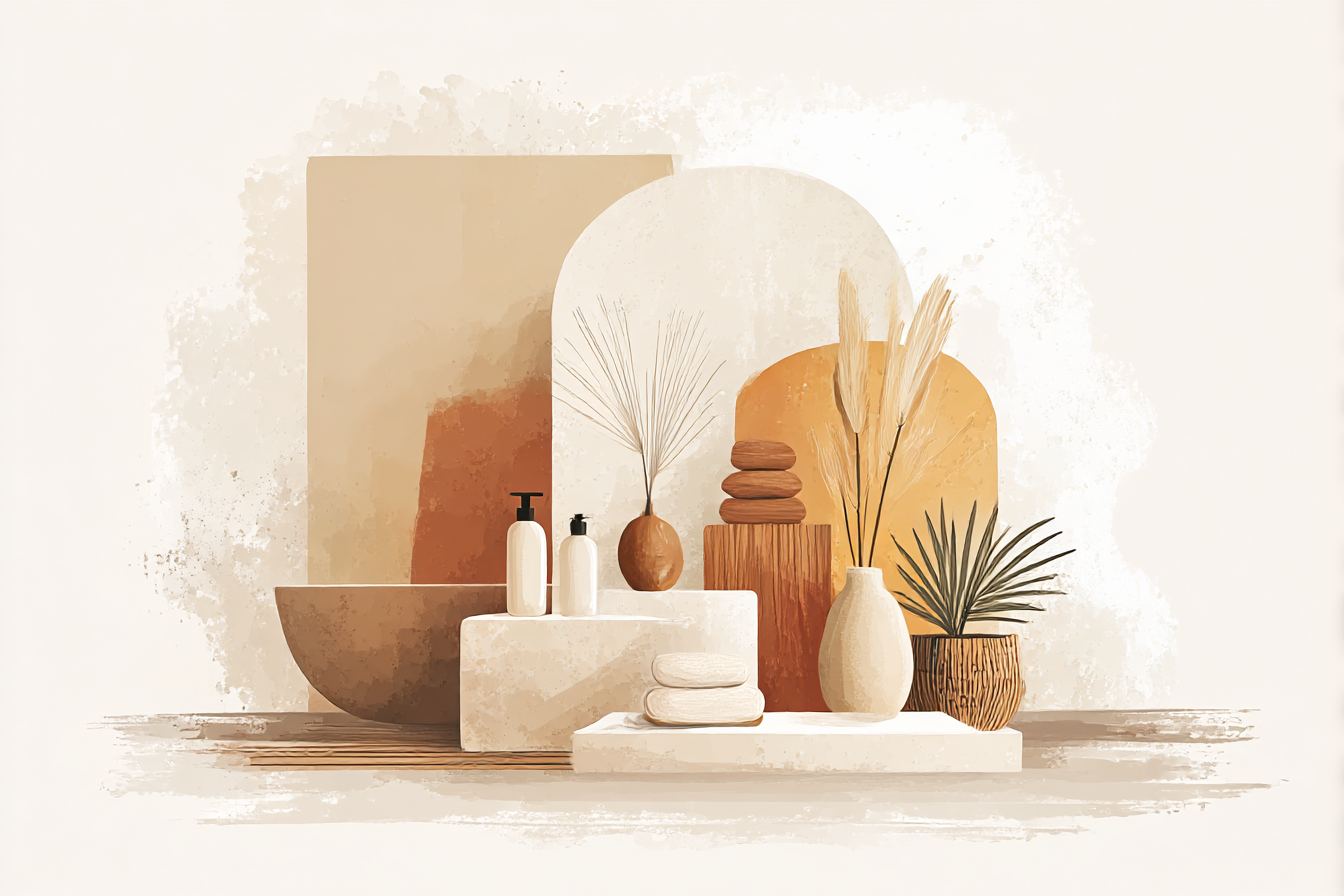
Not the artificial tinkle of manufactured fountains, but that soft, irregular whisper you hear near natural springs. I spent three afternoons fine-tuning the flow rate, adjusting the stone positioning until the acoustics matched what I remembered from childhood hikes in the Olympic Peninsula. Clients started commenting within the first week – they felt calmer before treatments even began.</blockquote>
Water features in spa environments serve multiple physiological functions beyond the obvious aesthetic appeal. The negative ions generated by moving water actually alter brain chemistry, increasing serotonin levels and reducing cortisol production. But – and this is crucial – these benefits only occur with genuine water movement, not recirculating pumps pushing chlorinated water through synthetic materials.
<img class="size-full" src="http://wonkydogltd.co.uk/medium/wp-content/uploads/2026/01/im1979_restorative_spa_interior_design._ultra-realistichyper-_082124e7-7625-41e5-b28f-94b9695143ca_0.jpg" alt="im1979_restorative_spa_interior_design._ultra-realistichyper-_082124e7-7625-41e5-b28f-94b9695143ca_0" />
For the Vermont spa, we incorporated three distinct water elements throughout their 2,400 square foot space. The entry wall I mentioned, yes, but also a small underground stream that literally runs beneath glass panels in their main relaxation area. Guests can hear it flowing below their feet, creating this subconscious connection to water's journey through the landscape. The third element was perhaps most impactful: a ceiling installation where condensation from the natural humidity forms droplets that occasionally fall into wooden collection bowls.
Sounds weird, right? But clients started requesting appointments specifically to lie beneath that ceiling installation. Something about the unpredictable timing of water drops created this meditative focus they couldn't achieve elsewhere. We'd accidentally recreated the essential randomness of natural environments that our nervous systems crave.
The material selection process took months of testing. I literally brought samples home, lived with them for weeks, noting how they felt against skin at different temperatures and humidity levels. Cedar from sustainably managed Maine forests became our primary wood element – not just because it's naturally antimicrobial and humidity-resistant, but because of how it responds to human touch. Cedar warms quickly under contact, creating this subtle temperature shift that feels welcoming rather than cold or clinical.
You Might Also Like

Stone selection was equally methodical. We ended up sourcing three different Vermont quartzite varieties, each with distinct thermal properties. The lighter stone stays cooler, perfect for surfaces where clients might rest during treatments. The darker variety retains and radiates heat, ideal for foot areas during winter months. The medium-toned stone served as transition zones, creating thermal gradients throughout the space.
I'm obsessed with thermal variation in healing environments because constant temperature actually stresses our autonomic nervous system over time. Our bodies evolved to expect and respond to temperature changes throughout the day and seasons. By incorporating materials with different thermal masses and responses, we created microclimates within the spa that support natural biorhythmic patterns.
Plants were selected based on their air purification capabilities and their response to high humidity environments. Snake plants and pothos, sure, but also more unusual species like Boston ferns and bird's nest ferns that thrive in moisture-rich conditions. We integrated them at multiple levels – floor planters, wall-mounted systems, and hanging installations – creating this layered green presence that mimics forest understory environments.
The lighting design required extensive testing. Standard LED systems, even those marketed as "natural spectrum," create visual fatigue during extended exposure. We developed a custom system using LEDs combined with fibre optic cables that channel actual daylight from roof-mounted collectors into interior spaces. During treatment sessions, light gradually dims to match circadian patterns, supporting the body's natural relaxation response.
One unexpected discovery: clients consistently rated their treatment experiences higher when they could maintain visual connection to actual growing plants during services. We installed retractable privacy screens made from living moss panels that could be adjusted to maintain modesty while preserving plant sightlines. The moss panels also function as natural air filters and humidity regulators.
<img class="size-full" src="http://wonkydogltd.co.uk/medium/wp-content/uploads/2026/01/im1979_restorative_spa_interior_design._ultra-realistichyper-_082124e7-7625-41e5-b28f-94b9695143ca_1.jpg" alt="im1979_restorative_spa_interior_design._ultra-realistichyper-_082124e7-7625-41e5-b28f-94b9695143ca_1" />
The project taught me something important about scale in biophilic spa design. Small interventions often create more profound effects than grand gestures.
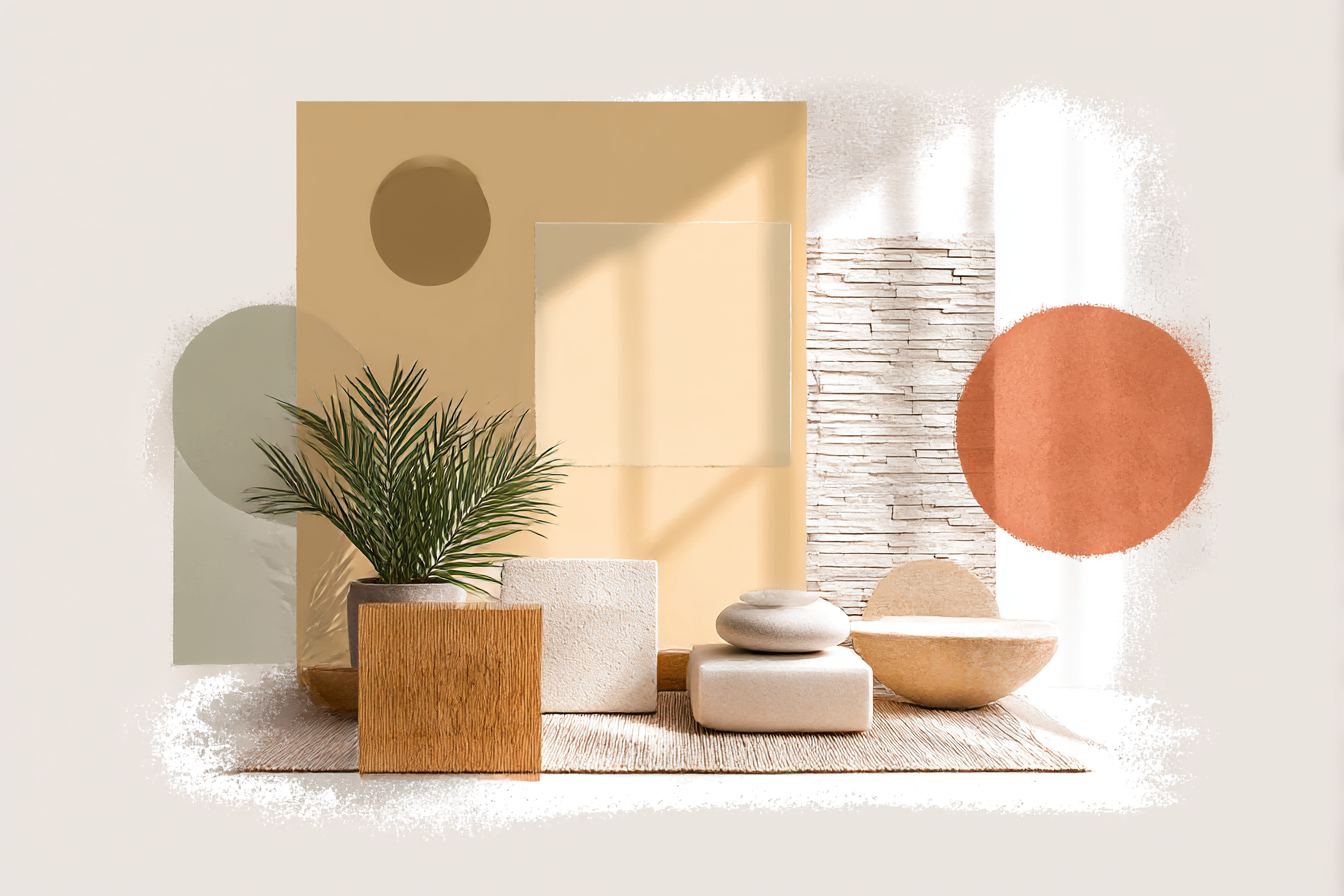
A single air plant suspended at precise eye level during massage therapy can anchor attention and deepen relaxation more effectively than elaborate green walls. The key is intentional placement based on human positioning and movement patterns throughout the space.
<blockquote>Maintenance became part of the therapeutic program. Instead of hiding plant care, we made it visible and participatory. Clients can observe staff tending to living walls and water features, creating connection to the cyclical processes that sustain these elements. Some clients specifically request appointments on plant watering days because they find the activity meditative.</blockquote>
After eighteen months of operation, the spa owner shared their client retention statistics with me. Repeat bookings increased 47% compared to their previous location, and average treatment session lengths extended by an average of twelve minutes without any changes to service protocols. More telling: client questionnaires consistently mentioned feeling "restored" rather than just "relaxed" – a distinction that reflects deeper physiological and psychological benefits.
The Vermont project reinforced my conviction that authentic biophilic design requires patience and observation rather than quick fixes or trendy materials. Creating genuinely restorative environments means understanding how natural elements interact with human biology at multiple sensory levels, then orchestrating those interactions through thoughtful design choices that honour both human needs and natural processes.



