Walking through that restored prairie outside Chicago last month, I couldn't shake the feeling that I was witnessing something revolutionary. The tallgrass swayed in patterns that seemed almost choreographed, while native wildflowers created these spontaneous colour bursts that no landscape architect could've planned better. What struck me wasn't just the beauty – it was how this land had essentially healed itself from decades of agricultural abuse. The soil microbiome had rebuilt. Native species had returned without invitation. The whole ecosystem was actively getting better, not just maintaining itself.
That's when it hit me: most of what we call "sustainable" building is really just about doing less damage. But what if our buildings could actually make things better?
<blockquote>I've been wrestling with this question ever since my Singapore days, when I first encountered buildings that seemed to give back more than they took. The Parkroyal hotel wasn't just reducing its environmental impact – those cascading gardens were actively cleaning air, managing stormwater, creating habitat, cooling the surrounding microclimate. The building was functioning like a living system rather than just a resource-consuming box with some green features tacked on.</blockquote>
Regenerative design takes this concept and runs with it. Where sustainable design aims for net-zero impact, regenerative approaches target net-positive outcomes. We're talking about buildings that restore damaged ecosystems, structures that improve local air and water quality, developments that strengthen rather than strain community resilience. It's the difference between treading water and swimming upstream toward something better.
The shift requires completely rethinking how we approach construction. Traditional sustainable building focuses heavily on efficiency – better insulation, LED lighting, high-performance HVAC systems. Don't get me wrong, these matter enormously. But regenerative design asks bigger questions: How can this building contribute to local ecosystem health? Can it help restore damaged soil? Might it create habitat corridors for wildlife movement? Could it strengthen community food security?
<img class="size-full" src="http://wonkydogltd.co.uk/medium/wp-content/uploads/2026/01/im1979_regenerative_design_green_building._ultra-realistichyp_5b33c11b-c69e-41c0-af2e-1b839959e102_0.jpg" alt="im1979_regenerative_design_green_building._ultra-realistichyp_5b33c11b-c69e-41c0-af2e-1b839959e102_0" />
I saw this philosophy in action during a project visit to the Living Building Challenge's Bullitt Centre in Seattle. The building doesn't just achieve net-zero energy – it generates surplus power that flows back to the grid. Its composting toilets eliminate sewage production entirely. The rooftop garden manages all stormwater onsite while producing food for tenants. After five years of operation, the surrounding block had measurably improved air quality, increased biodiversity, and even saw property values rise as the regenerative features attracted environmentally conscious businesses and residents.
But here's what really gets me excited about regenerative approaches: they're not just about high-tech solutions or expensive systems. Some of the most effective strategies draw from traditional building wisdom that's been around for centuries. Indigenous construction techniques often exemplified regenerative thinking without calling it that. Adobe buildings in the Southwest used local clay that would eventually return harmlessly to the earth. Thatched roofs in Northern Europe created habitat for birds and insects while providing superior insulation. Traditional Japanese timber framing systems were designed for disassembly and reuse across multiple building lifetimes.
My own apartment renovation taught me how regenerative principles can work at small scales. Remember that hydroponic wall I mentioned? It's not just producing herbs for my cooking – it's actively filtering indoor air pollutants, adding humidity during dry winter months, and creating a carbon sink (albeit tiny) in my living space. The mycelium insulation panels I've been experimenting with are made from agricultural waste that would otherwise decompose and release methane. Instead, they're sequestering carbon while improving thermal performance. When they eventually need replacement, they'll compost into soil amendment.
The water feature I installed serves multiple regenerative functions too. Obviously it provides the psychological benefits of moving water sounds. But it also helps regulate indoor humidity, and I've designed it to capture and filter greywater from my bathroom sink before recycling it through the hydroponic system. The copper piping will develop natural antimicrobial properties over time. Every element serves multiple purposes while contributing to overall system health.
You Might Also Like
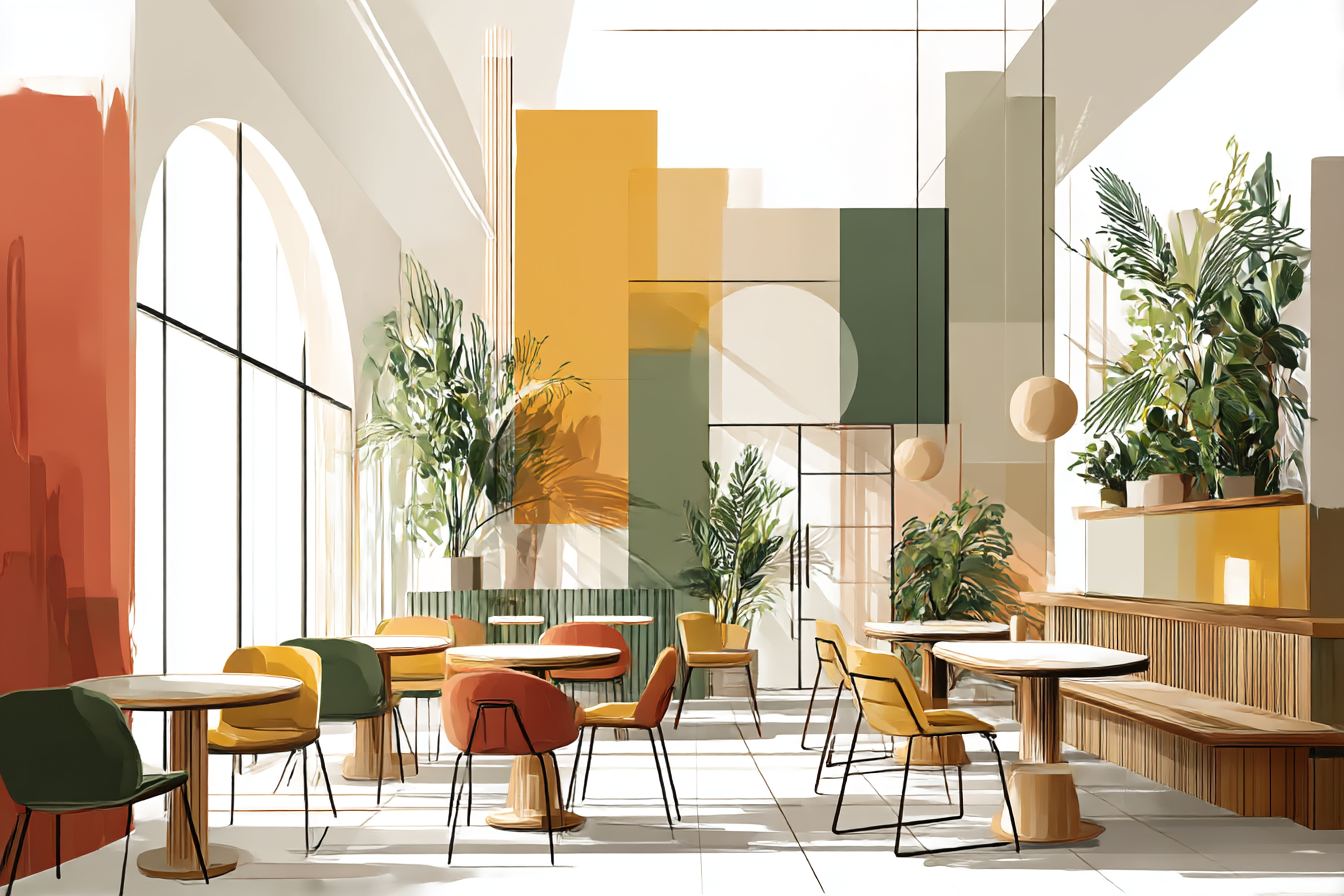
Materials selection becomes crucial in regenerative design. We're looking beyond just recycled content or low-VOC finishes toward materials that actively improve indoor environments. Certain clay plasters naturally regulate humidity and air quality. Some wood species continue releasing beneficial compounds long after installation. Living wall systems can be designed to process specific indoor air pollutants while producing oxygen and providing acoustic dampening.
The soil component fascinates me most. Damaged urban soils represent enormous regeneration opportunities. I've been working with a community centre in North Philadelphia where we're testing building-integrated systems that slowly remediate contaminated soil through carefully selected plantings. The building's foundation incorporates permeable zones that allow controlled water infiltration to support mycorrhizal networks. Over time, these biological systems will neutralize heavy metals and other contaminants while building organic matter content. The building literally heals the ground it sits on.
Energy systems in regenerative buildings go beyond solar panels and efficient appliances. We're integrating geothermal systems that work with natural ground temperature cycles. Living walls that provide cooling through evapotranspiration. Passive solar design that reduces mechanical heating needs while supporting indoor plant systems. The goal isn't just energy independence but energy abundance that supports both human needs and ecological health.
Water management becomes regenerative when buildings capture, clean, and slowly release stormwater rather than overwhelming municipal systems. I've seen new developments where constructed wetlands integrated into building design handle all site runoff while creating beautiful outdoor spaces and supporting wildlife. These systems often perform better than traditional infrastructure while providing educational and recreational opportunities for residents.
The social dimension of regenerative design often gets overlooked, but it's equally important. Buildings that strengthen community connections and support local economies contribute to regional resilience. Using locally sourced materials supports regional businesses while reducing transportation impacts. Designing spaces that encourage interaction and mutual aid builds social capital. Creating opportunities for residents to participate in building maintenance – like tending living walls or composting systems – deepens connection to place while reducing operational costs.
<img class="size-full" src="http://wonkydogltd.co.uk/medium/wp-content/uploads/2026/01/im1979_regenerative_design_green_building._ultra-realistichyp_5b33c11b-c69e-41c0-af2e-1b839959e102_1.jpg" alt="im1979_regenerative_design_green_building._ultra-realistichyp_5b33c11b-c69e-41c0-af2e-1b839959e102_1" />
Implementation challenges are real, of course. Regulatory systems weren't designed for buildings that function as ecological systems. Getting permits for composting toilets or greywater systems requires patience and advocacy. Maintenance of living systems requires different skills than traditional building operations. Initial costs can be higher, though operating costs often drop significantly over time.
<blockquote>The mindset shift is probably the biggest hurdle. We're conditioned to think of buildings as static objects rather than dynamic systems. Regenerative design requires embracing change and adaptation as natural parts of building performance. That living wall might look different in year five than year one – and that's a feature, not a bug.</blockquote>
I'm convinced regenerative approaches will become standard practice within the next decade. Climate change demands buildings that actively help solve problems rather than just avoiding making them worse. Rising material costs favour strategies that eliminate waste streams by turning them into useful inputs. Growing awareness of human health benefits makes regenerative features increasingly attractive to occupants and investors.
The prairie I walked through last month took thirty years to fully establish. But even in year one, it was providing ecosystem services that industrial agriculture couldn't match. Our buildings can follow similar trajectories – starting immediately to contribute positively while growing more beneficial over time. That's regenerative design in action.