You know what’s been eating at me lately? How completely backwards we’ve got this whole sustainable building thing. I mean, the intentions are good – everyone wants to build better, do right by the environment, all that. But man, the execution is just… it’s frustrating as hell when you actually understand how buildings work.
I was down in Phoenix last month looking at this new development that had me shaking my head the entire time. Beautiful marketing, right?
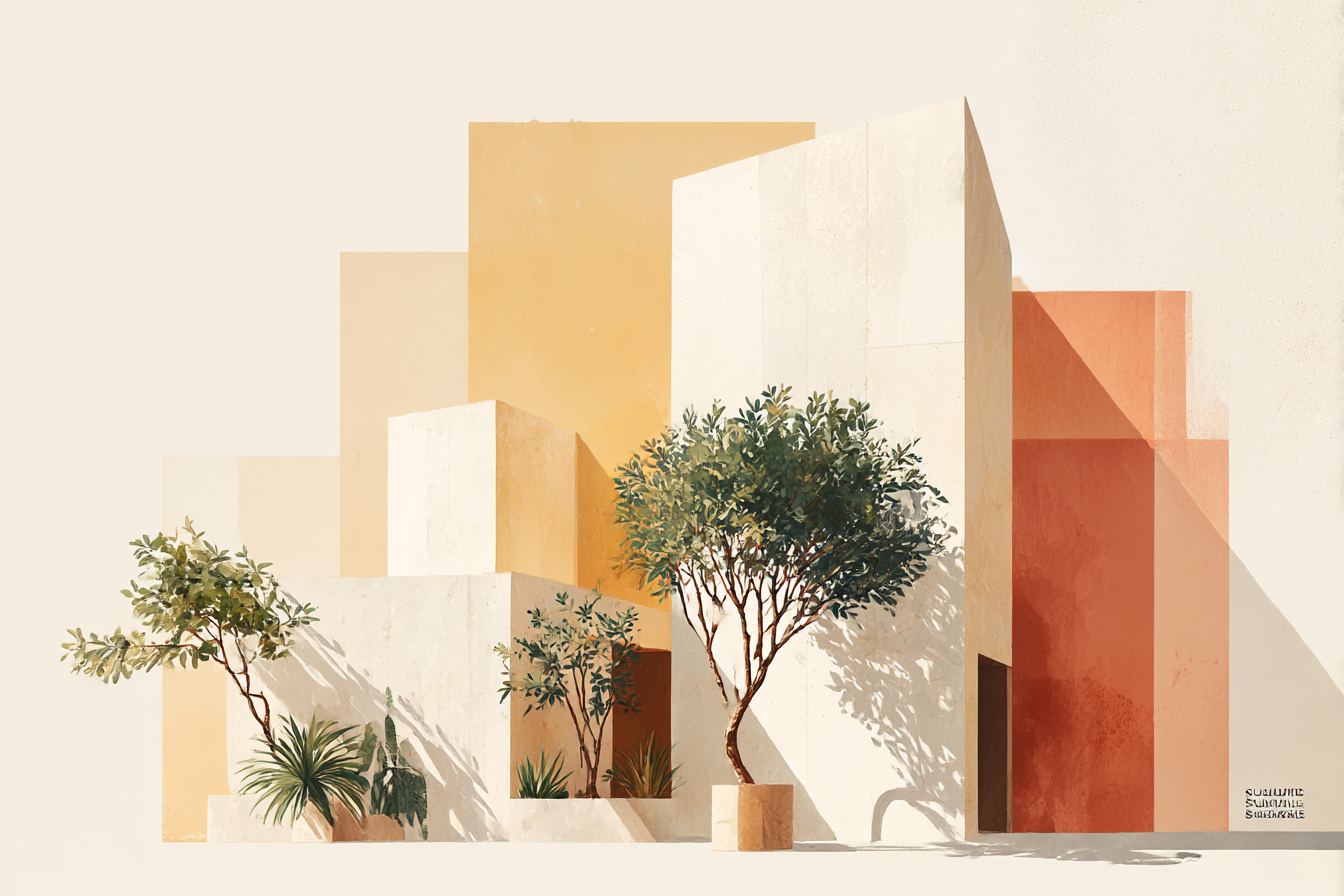
“Luxury eco-living” or some nonsense like that. Every house had solar panels gleaming on the roof, these gorgeous desert landscapes with native plants arranged just so, really striking modern architecture that probably looked amazing in the brochure photos. The sales guy kept going on about their LEED Platinum rating and how they were carbon neutral and all these buzzwords that sound impressive.
But then I started asking the questions I always ask. Those massive windows covering the entire west wall? No shade structures, no overhangs, just raw afternoon sun beating through aluminium frames that’ll conduct heat like nobody’s business. The insulation package? R-13 walls, R-30 attics. That’s not high-performance, that’s code minimum. That’s the legal bare minimum you can get away with before the inspector fails you.
Sure, they had enough solar panels to offset the calculated energy use on paper. But here’s the thing – when your building envelope is such garbage that you need enormous air conditioning systems running constantly just to keep the place livable, you haven’t solved anything. You’ve just slapped a bigger band-aid on a fundamental problem. It’s like… I don’t know, it’s like buying a hybrid car but leaving it idling in your driveway 24/7 because your garage door doesn’t seal and you’re too lazy to fix it.
This is what drives me absolutely crazy about current sustainable design. We’ve become obsessed with add-on technology while completely ignoring basic building science. Look, I love solar panels – got them on my own house, they’re great. But they shouldn’t be the first thing you think about. They should be the last thing, after you’ve made the building itself so efficient it barely needs energy in the first place.
Real sustainable design starts with understanding your climate instead of fighting it. Here in Colorado, and especially in places like Arizona where I see a lot of this stuff, you’re dealing with massive solar heat gain, huge temperature swings, cooling loads that dominate most of the year. Traditional builders understood this stuff. Adobe wasn’t just pretty – those thick walls absorbed heat during the day and released it slowly at night, naturally moderating temperatures. Deep overhangs weren’t decoration, they were essential climate control.
I’ve been working with this builder in Tucson who actually gets it. His current project uses 16-inch insulated concrete form walls – massive thermal mass combined with modern insulation performance. House is oriented properly, windows are sized and placed strategically, everything is shaded appropriately. The result? A 3,500 square foot house that stays comfortable with a 2-ton heat pump instead of the 5-ton monster that would typically be needed for that size house built the standard way.
Material selection is another place where current practice just misses the boat entirely. Everyone gets excited about bamboo flooring and recycled content, which is fine I guess, but they’re missing the forest for the trees. Materials should be chosen primarily for climate appropriateness and durability. Something that lasts 50 years without replacement is inherently more sustainable than something you have to tear out and replace every 15 years, even if the shorter-lived stuff was made from recycled materials.
You Might Also Like
I’ve been tracking different wall assemblies for years now, and the results are pretty eye-opening. Stucco over foam board, which you see everywhere around here, performs terribly long-term. The foam degrades even though it’s covered, stucco develops cracks that let water in, thermal bridging through all the fasteners creates hot spots you can see clear as day with a thermal camera. Meanwhile, a properly designed masonry wall with continuous insulation costs about the same to build but will probably last three times longer while performing way better.
But here’s what really gets me frustrated – the complete disconnect between design and actual operation. Architects win awards for buildings that photograph beautifully but are miserable to actually use. Last year I got called to troubleshoot an office building that had won all kinds of design awards and had LEED Gold certification. Gorgeous building, no argument there. Clean modern lines, lots of natural light, looked fantastic in photos.
It was also completely unusable during summer afternoons because the designer prioritized visual impact over thermal performance. Those dramatic floor-to-ceiling windows on the west side? Turned the whole building into a greenhouse. The “natural ventilation” strategy that earned them sustainability points? Completely useless when it’s 110 degrees outside. Building was actually using more energy than a conventional office because the HVAC system had to work overtime to counteract all the design decisions.
This is where I think we need to completely flip how we think about sustainable design. It’s not about checking boxes on rating systems or using trendy materials. It’s about creating buildings that work well for real people while minimizing environmental impact over their entire lifespan. Buildings that are comfortable without burning through energy, buildings that last without constant renovations, buildings that respond intelligently to where they’re actually located.
I’ve been pushing what I call “performance-first sustainability” with my clients. Start with understanding your climate and site conditions. Design the building envelope to minimize energy loads from the beginning. Choose materials that’ll last in your specific environment. Then add solar panels and other technologies to handle whatever loads you have left. This approach works way better than designing conventionally and then adding green features as afterthoughts.
The good news is some parts of the industry are starting to figure this out. The Passive House movement, even though it’s not perfect for our climate, has pushed important conversations about envelope performance. Net-zero requirements are forcing designers to consider total building performance instead of just renewable energy production. Standards like the Living Building Challenge actually measure operational results instead of just design intentions.
But we’ve still got a long way to go.
Most architecture schools teach sustainability as an elective instead of integrating building science throughout the program. Most builders think green building means bamboo cabinets and LED bulbs. Most homeowners think solar panels will solve everything regardless of how poorly their house performs.
Moving forward means honest assessment of what actually works versus what just sounds good in marketing. It means understanding that real sustainability comes from buildings that perform well for decades, not just buildings that earn certification points. And it means recognising that the most sustainable building is often the one that never needs major renovations or modifications to stay functional and comfortable.
Contemporary sustainable design should be about creating buildings that work so well occupants don’t even think about them, not monuments to designer ego or showcases for the latest green technology. That’s what we should be aiming for, anyway.