
I was standing in a conference room last month, watching a contractor examine a sample of cork board insulation like it might bite him. “This stuff actually works?” he asked, squeezing the material between his fingers. Three years ago, I would’ve been just as skeptical. Hell, I probably would’ve laughed. But after running thermal performance tests on this Portuguese-made expanded cork for six months, I had to admit it outperformed conventional foam insulation while being completely renewable.
That moment crystallized something I’ve been grappling with throughout my twelve years of building materials research.

The industry has shifted dramatically under our feet, and most people haven’t noticed yet. Clients who used to treat “green building” like an expensive luxury now start meetings asking about embodied carbon. General contractors who swore they’d never deviate from standard materials are calling me for product recommendations.
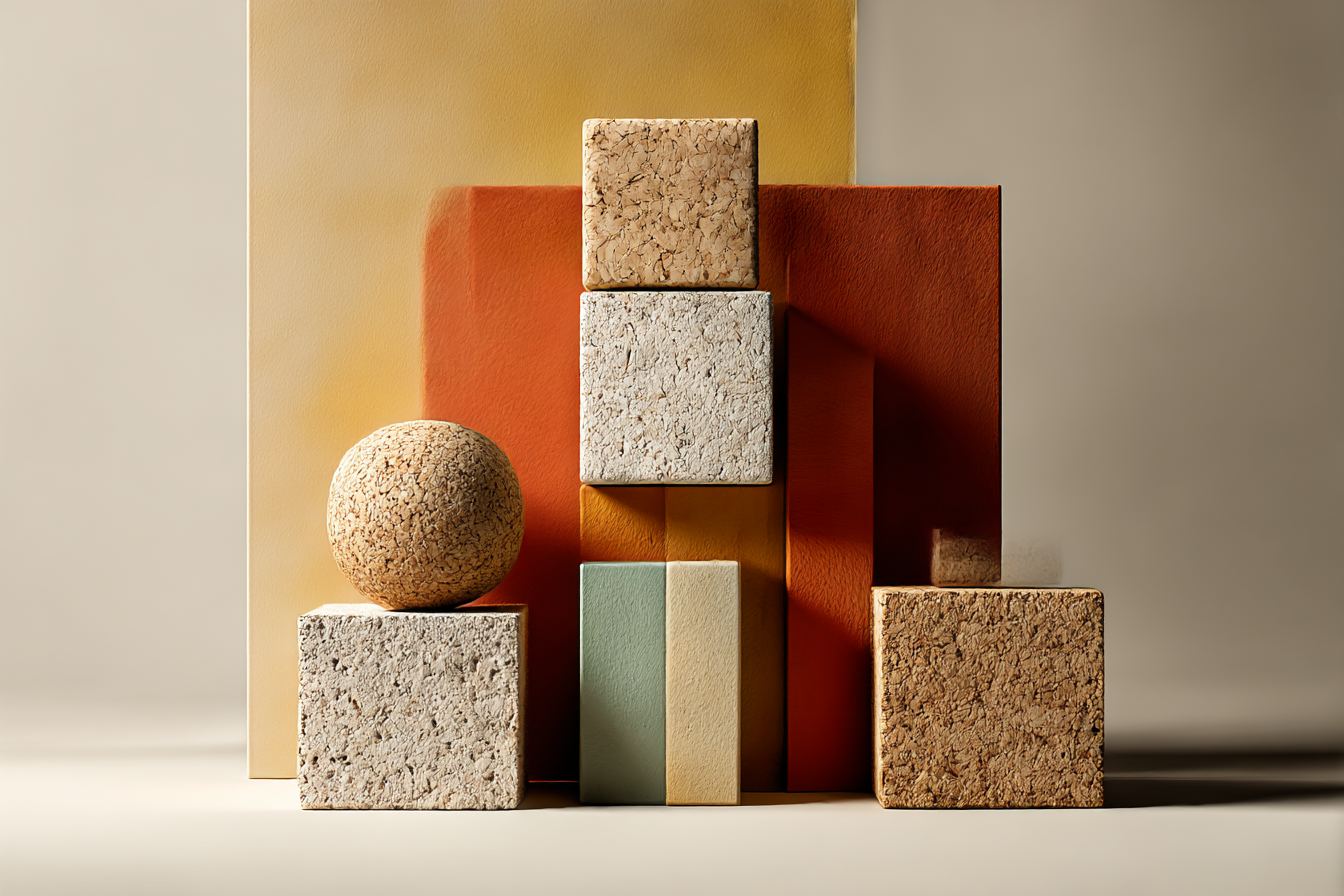
The cork story gets better though. The manufacturer started as a wine cork producer – you know, those little stoppers your grandmother collected for craft projects. When synthetic corks started dominating that market, they pivoted to insulation rather than going out of business. Smart move, actually. Cork oak trees regenerate their bark every nine years without being harvested, the manufacturing process requires minimal energy compared to petrochemical foams, and the stuff naturally resists fire. Plus, when it reaches end of life? It just biodegrades.
What really convinced me wasn’t the lab data though – it was installing the cork in my own basement two winters ago. My heating bills dropped about 30%, which was nice, but more importantly, I’m not lying awake wondering about off-gassing or what nightmare I’ve created if I ever need to remove it. The contractor from that meeting? He ended up specifying cork for his own home renovation six months later.
This pattern keeps repeating. Materials that seemed experimental just a few years ago are becoming legitimate mainstream options. I toured a facility in North Carolina recently that manufactures structural panels from compressed agricultural waste – rice hulls, wheat straw, whatever’s abundant locally. The panels meet or exceed conventional plywood performance specs, cost roughly the same, and actually sequester carbon instead of releasing it. The engineer showing me around mentioned they’re backlogged with orders for eight months.
What’s driving this shift isn’t just environmental consciousness, though that certainly matters more than it used to. Economics and health concerns are huge factors too. I worked with a school district last year that was hemorrhaging money on HVAC upgrades because their buildings were making kids and teachers sick. Constant complaints about headaches, fatigue, respiratory issues. They assumed the mechanical systems were failing.
Turns out the problem was materials. Carpets, adhesives, finishes – the whole interior was off-gassing volatile organic compounds that created indoor air quality disasters. We replaced flooring with natural linoleum made from linseed oil, cork dust, and wood flour. Swapped conventional paints for clay-based alternatives. Used sheep’s wool insulation where we needed thermal upgrades. The improvement was dramatic – sick building complaints dropped 80% the first year, and the district actually saved money because these materials require less maintenance.
But here’s where things get tricky. Not everything marketed as sustainable actually is. I’ve analyzed bamboo flooring that required more processing energy than hardwood, “recycled” plastic lumber that couldn’t be recycled again at end of life, and bio-based foams that performed so poorly they needed replacement within five years. The greenwashing is real, and it’s gotten sophisticated.
My evaluation process has gotten pretty ruthless. Three basic questions: What’s the complete lifecycle impact? How does it perform in real conditions over time? Can regular contractors install it without specialized training? If any answer is problematic, I keep looking. Sounds simple, but you’d be amazed how many products fail these tests.
Reclaimed materials remain my favorite category because they sidestep manufacturing impacts entirely. Last month I helped source flooring for a restaurant renovation from a demolished warehouse downtown. The douglas fir was over a century old, had incredible character from decades of wear, and cost 60% less than new material. Installation was straightforward, carbon footprint was essentially zero, and the owner gets to tell customers about the wood’s history.
You Might Also Like
Reclaimed isn’t always practical though. Supply can be inconsistent, lead times unpredictable, and some applications need guaranteed performance specifications. That’s where newer bio-based materials shine. Hempcrete, for instance, combines hemp fibres with lime binders to create wall systems that are actually carbon negative – they absorb CO2 from the atmosphere over time. Installation requires some technique adjustments, but nothing a competent crew can’t handle.
I’ve been experimenting with mycelium-based materials lately too. Basically mushroom roots grown on agricultural waste to create insulation, packaging, even leather-like finishes. I know, it sounds like something from a science fiction movie. But the thermal properties are excellent, fire resistance is natural, and production happens locally using waste streams. I actually used mycelium packaging material as loose-fill insulation in my attic last spring. Works beautifully, and my neighbours have no idea they’re looking at mushroom-based construction.
The engineered wood sector has gotten creative recently. Instead of cutting old-growth forests, manufacturers are creating high-performance materials from fast-growing species and waste streams. Cross-laminated timber uses small trees to create structural panels stronger than steel by weight. Structural composite lumber turns wood chips and sawdust into beams that outperform solid timber in many applications. These aren’t compromises – they’re often genuinely superior to conventional alternatives.
Stone and mineral-based materials have gotten interesting too. I specified countertops made from recycled glass and cement for a kitchen project recently. They looked like expensive granite, performed better than natural stone for stain resistance and durability, and cost significantly less. The homeowner was thrilled until she started bragging to neighbours and discovered half of them assumed she’d installed actual granite.
Regional sourcing deserves special attention because transportation impacts can be enormous. A “sustainable” material shipped across continents often has worse total environmental impact than conventional alternatives sourced locally. I always investigate what’s abundant nearby first. Here in the Northeast, that means lots of reclaimed materials from our industrial heritage, plus wood products from responsibly managed forests. When I consult on Southwest projects, I focus on adobe, rammed earth, and mineral-based options.
The certification landscape remains frustrating. LEED points don’t always correlate with actual environmental benefit, and many genuinely sustainable materials lack certifications simply because small manufacturers can’t afford the testing requirements. I’ve learned to evaluate materials based on transparent lifecycle data rather than certification logos, which annoys some clients but leads to better decisions.
Cost used to be the biggest barrier, but that’s changing rapidly. Economy of scale is kicking in as demand grows. Natural materials that seemed expensive five years ago now compete directly with conventional options on price. Sometimes they’re actually cheaper, especially when you account for durability and reduced maintenance requirements over the building’s lifetime.
Installation knowledge is catching up too. Trade schools are adding sustainable materials to their curricula. Manufacturers provide better training and technical support than they used to. YouTube has democratized technique sharing in ways I couldn’t have imagined when I started this research. I regularly see contractors who were initially resistant become enthusiastic advocates after successful projects.
The momentum feels unstoppable now. Young architects and builders enter the field expecting to work with sustainable materials as standard practice.
Client demand keeps growing, driven by both environmental concerns and health awareness. Building codes are tightening around energy performance and indoor air quality. Even insurance companies are starting to recognise that some sustainable materials actually reduce long-term risk.
But what excites me most is watching traditional wisdom get rediscovered and refined with modern testing. Adobe with better stabilizing admixtures. Straw bale construction with engineered structural connections. Timber framing techniques optimized for contemporary performance standards. We’re not abandoning progress – we’re finally making real progress toward materials that serve human needs while supporting rather than degrading the natural systems we depend on.



