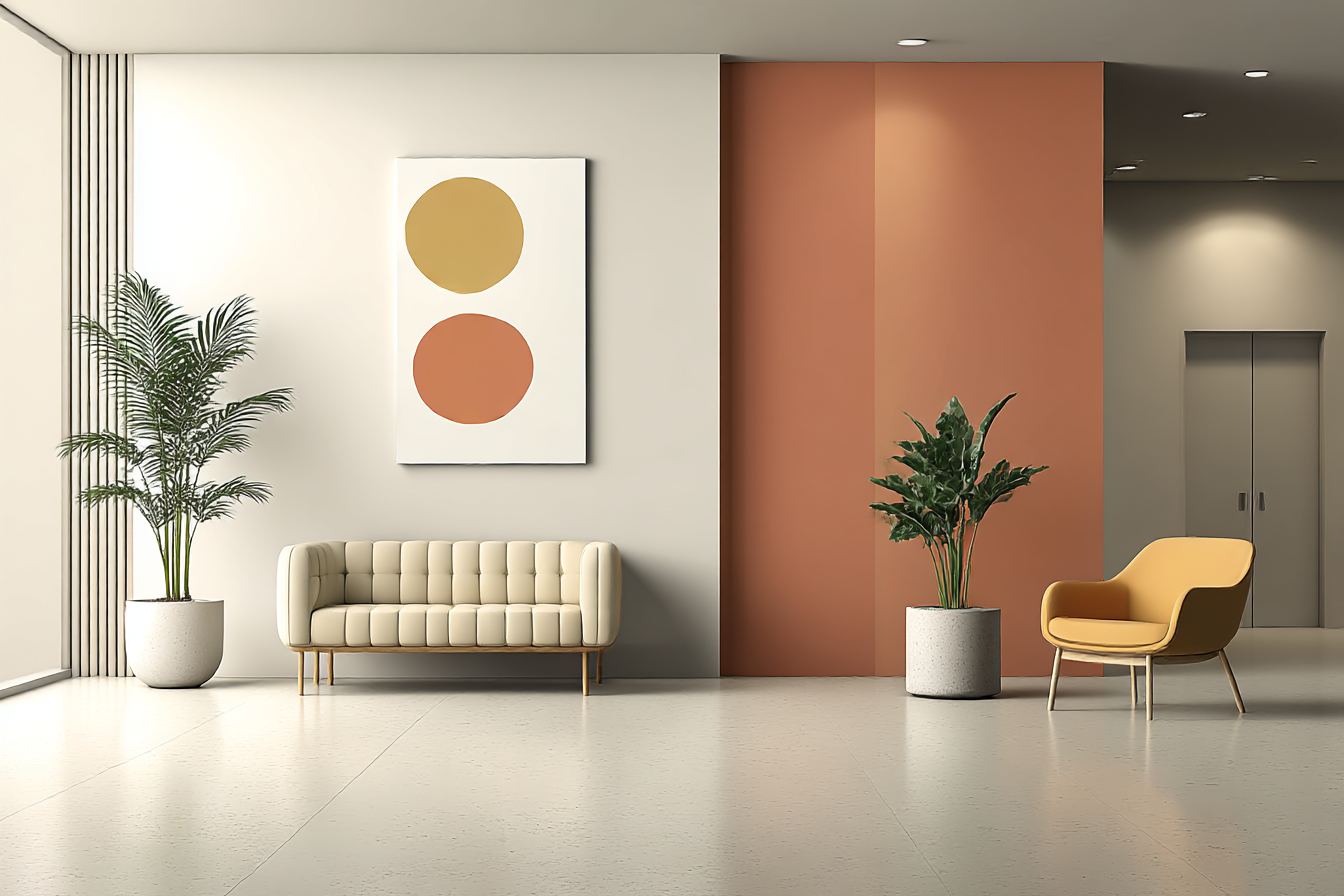
The fluorescent lights in my old corporate office used to make this barely perceptible humming sound. You know the one – that high-pitched whine that sits just at the edge of your hearing but somehow manages to crawl under your skin anyway. I spent three years in that sterile box, watching colleagues develop what we jokingly called "office pallor" – that grayish tinge that comes from spending forty-plus hours a week under artificial light, breathing recycled air, surrounded by synthetic materials that off-gas who knows what.
It wasn't until I started working on my first major workplace restoration project that I truly understood how toxic most office environments are to human wellbeing. The client was a mid-sized tech company in Portland whose employees were burning out at an alarming rate. Turnover was through the roof, sick days were climbing, and productivity had flatlined despite (or perhaps because of) their open-plan layout and standing desks.
<blockquote>The space felt dead when I first walked through it. Seriously.
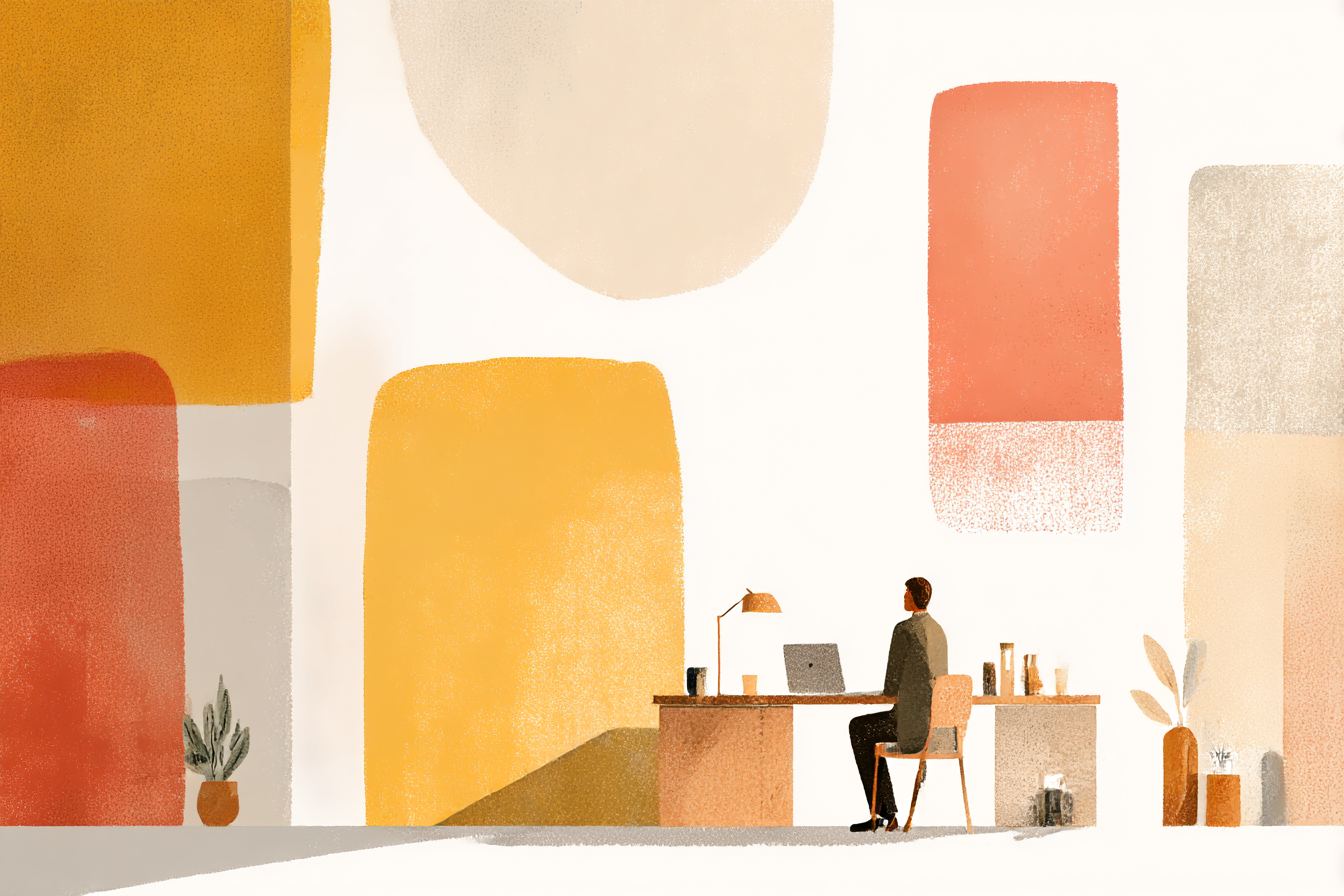
There's no other way to describe it. High ceilings, floor-to-ceiling windows that had been tinted so dark you couldn't see outside, and everything – walls, furniture, carpet – in various shades of beige and grey. The only "natural" elements were these sad silk plants scattered around the reception area. Even the water cooler was hidden in a supply closet.</blockquote>
We started the restoration by literally bringing the outside in, but not in the obvious ways you might expect. Sure, we introduced living plants – lots of them – but the real magic happened when we began addressing the fundamental systems that had severed the space from natural rhythms and processes.
First thing we tackled was the lighting. Those soul-crushing fluorescents had to go. We installed circadian lighting systems that actually shift colour temperature throughout the day, mimicking natural sunlight patterns. Cool blue-white in the morning to boost alertness, gradually warming to amber tones by late afternoon. The change in employee behavior was immediate and dramatic. People stopped looking like zombies by 3 PM.
<img class="size-full" src="http://wonkydogltd.co.uk/medium/wp-content/uploads/2026/01/im1979_restore_workplace_design._ultra-realistichyper-detaile_1c739653-aa03-44a3-b86f-80ba07ea5eb5_0.jpg" alt="im1979_restore_workplace_design._ultra-realistichyper-detaile_1c739653-aa03-44a3-b86f-80ba07ea5eb5_0" />
But here's what really blew my mind – and theirs. We removed the window tinting. Just… took it off. Suddenly, employees could see actual trees, actual sky, actual weather happening outside. I watched a software developer literally tear up when she realised she could see mountains in the distance from her desk. She'd been working in that building for two years and never knew they were there.
The plant integration went way beyond decoration. We created what I call "functional ecosystems" – clusters of plants specifically chosen for air purification, humidity regulation, and psychological benefits. Snake plants and pothos in low-light corners, peace lilies near the printer station to filter out chemical emissions, and a massive green wall in the main collaboration area featuring plants that release negative ions.
I learned something fascinating during this project. The employees started self-organising their work patterns differently once we introduced natural elements. People began taking actual breaks – real ones, where they'd sit near the plants or by windows instead of eating lunch at their desks. Collaboration happened more organically around the green spaces. It's like the natural elements gave them permission to be human again.
The material choices made a huge difference too. We replaced synthetic carpeting with natural cork flooring that felt warm underfoot and helped regulate humidity. Furniture made from reclaimed wood brought tactile variety to spaces that had been dominated by plastic and metal. I even convinced them to install a small water feature – nothing fancy, just a simple fountain with river rocks that provided gentle background sound to mask the mechanical hum of HVAC systems.
You Might Also Like

One of my favorite interventions was creating what we called "microclimate zones" throughout the space. Areas with different lighting levels, temperatures, and even plant combinations to give people choices about where they wanted to work depending on their needs and natural rhythms. Some people are naturally drawn to brighter, more energetic spaces. Others do their best thinking in dimmer, more cocoon-like environments.
The results spoke for themselves. Within six months, sick leave dropped by 40%. Employee satisfaction scores went through the roof. But the most telling metric was voluntary overtime – it actually increased. People wanted to spend time in the space because it felt good to be there.
Since then, I've worked on dozens of similar projects, each teaching me something new about the relationship between built environments and human health. A law firm where we introduced living moss walls that dramatically reduced acoustic issues while improving air quality. A nonprofit where strategic placement of aromatic herbs like lavender and rosemary helped manage stress levels during particularly intense work periods.
But workplace restoration isn't just about adding plants and opening windows. It's about understanding that humans evolved in natural environments, and our bodies and minds function optimally when we maintain those connections. Modern offices often feel like sensory deprivation chambers – consistent temperature, consistent lighting, consistent everything. Our nervous systems weren't designed for that kind of monotony.
I've started incorporating what I call "beneficial stress" into workplace designs. Things like natural temperature variation throughout the day, changes in light quality, even variations in air movement. These subtle fluctuations keep our autonomic nervous systems engaged and healthy, rather than lulling them into the zombie state that so many office workers experience.
The pandemic really accelerated interest in workplace restoration. Suddenly, everyone realised that indoor air quality actually matters. That access to natural light affects both physical and mental health. That being trapped in sterile environments for extended periods isn't sustainable.
<img class="size-full" src="http://wonkydogltd.co.uk/medium/wp-content/uploads/2026/01/im1979_restore_workplace_design._ultra-realistichyper-detaile_1c739653-aa03-44a3-b86f-80ba07ea5eb5_1.jpg" alt="im1979_restore_workplace_design._ultra-realistichyper-detaile_1c739653-aa03-44a3-b86f-80ba07ea5eb5_1" />
I'm working with a financial services company right now where we're retrofitting their headquarters with what they're calling a "living building" approach. Solar tubes bringing natural light into interior spaces. Rainwater collection systems that irrigate interior gardens while providing the soothing sound of moving water. Materials sourced locally and chosen for their minimal processing and off-gassing properties.
<blockquote>The resistance I used to encounter has largely evaporated.
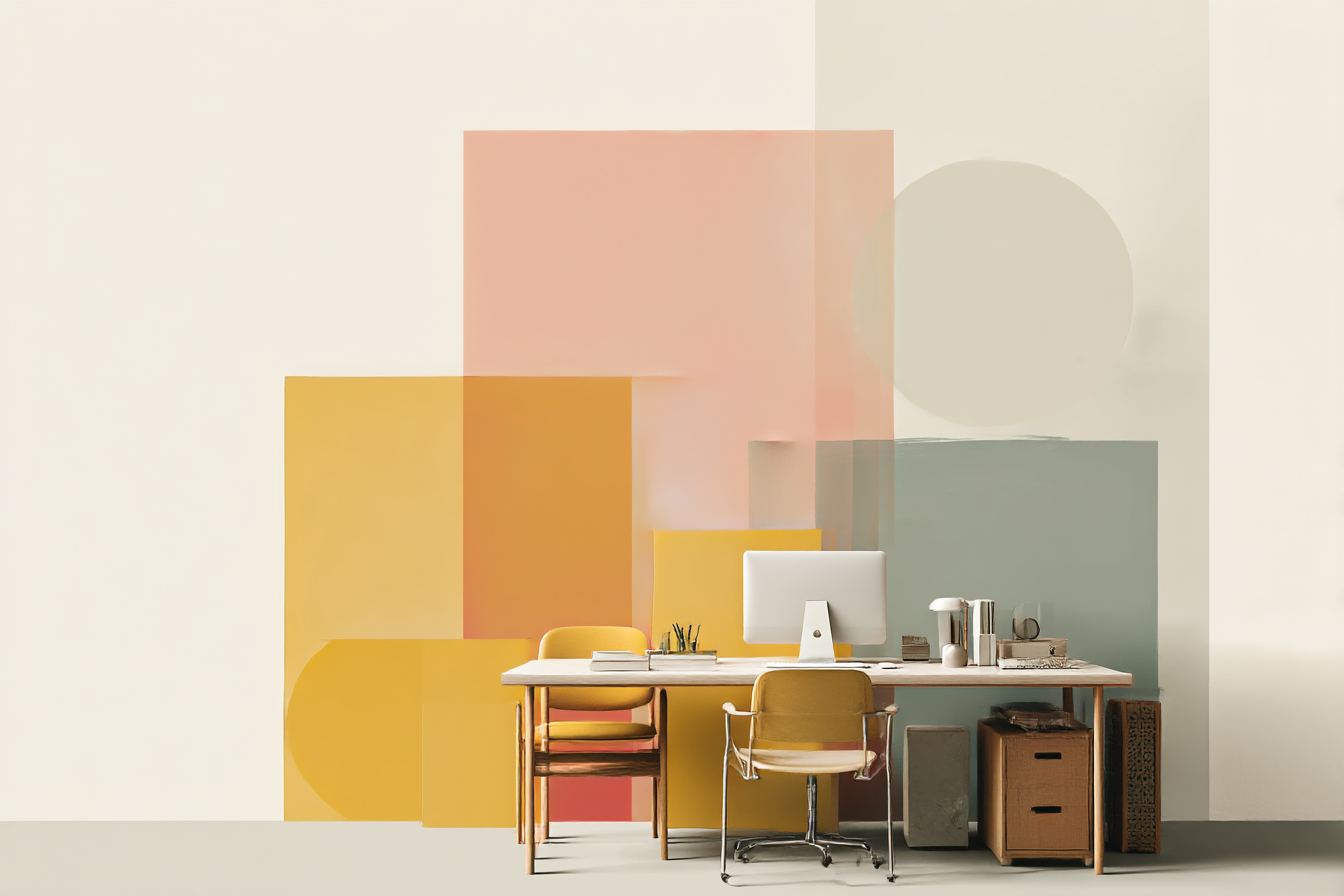
CFOs who once balked at the cost of living walls now see them as investments in productivity and employee retention. HR directors understand that workplace wellness isn't just about yoga classes and free snacks – it's about creating environments that support our fundamental biological needs.</blockquote>
What excites me most is seeing how employees respond when they're given permission to interact with natural elements in their workspace. People start bringing in their own plants. They open windows. They take meetings outside when weather permits. It's like they're remembering how to be human in built environments again.
The future of workplace design isn't about choosing between productivity and wellbeing – it's about understanding that they're fundamentally connected. Healthy employees are more creative, more focused, more resilient. And healthy employees need environments that acknowledge and support their nature as biological beings, not just economic units.



