Three days ago, I stumbled across a photograph that made me stop scrolling entirely. It wasn't some perfectly staged interior design shot – you know, the kind where every throw pillow is positioned at the exact right angle and there's not a single fingerprint on any surface. Instead, it was this candid capture of morning light streaming through a living wall in someone's kitchen, creating these incredible shadow patterns across handmade ceramic bowls on the counter.
The photographer had caught something most people miss – that split second when natural and built environments aren't just coexisting but actually having a conversation. The way the light filtered through the leaves created this subtle interplay of textures on the rustic wood countertop, while water droplets from the irrigation system caught the sun like tiny prisms. I must have stared at that image for ten minutes, completely mesmerized.
That's when it hit me: photography might be the most underutilized tool in biophilic design.
I mean, think about it. We spend hours researching plant species compatibility and calculating light angles, but how often do we actually document the moments when our designs come alive?
When I renovated my disaster of an apartment during lockdown (still can't believe my landlord didn't evict me for that unauthorized hydroponic wall), I was so focused on installation that I barely captured the process. Huge mistake.
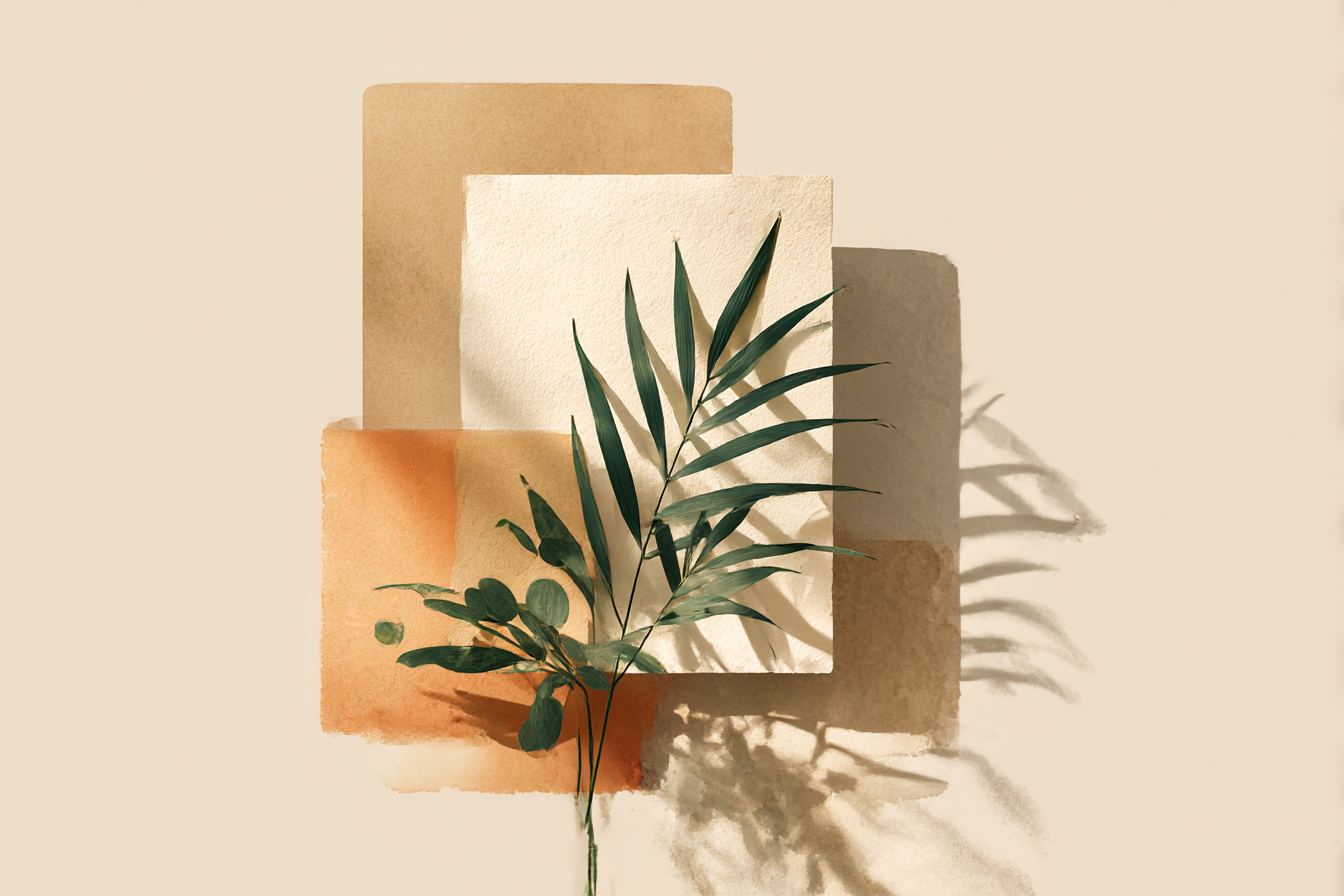
The few photos I did take – mostly for insurance purposes, honestly – ended up being invaluable. There's this one shot of my makeshift water feature casting ripple patterns across the exposed brick wall that I still reference when explaining how moving water can transform static surfaces. The camera caught subtleties my eye had missed in the moment. The way shadows shift throughout the day. How different materials respond to changing light. The micro-ecosystems that develop around water sources.
Last month, I started carrying my phone camera everywhere during site visits – not for Instagram (though my stories have gotten way more interesting), but as a research tool. I've been documenting how people actually interact with biophilic elements when they think nobody's watching. You'd be surprised what you learn.
At a corporate office in Portland, I watched employees unconsciously gravitate toward workstations near the green wall, even though those spots had slightly worse computer monitor positioning. Got some great candid shots of people touching the moss panels during phone calls – completely unconscious behavior. The facilities manager was amazed when I showed him the patterns. "We always wondered why those desks had less turnover," he said.
Photography also captures failures in ways that force you to confront design mistakes. I have this brutal series of images from a healthcare facility where we installed what I thought was a gorgeous living moss wall in the main lobby. Looked stunning in concept renderings. Reality? Total disaster. The photos don't lie – within three months, half the installation was brown and patchy. The irrigation system created these weird mineral deposits on the adjacent glass panels, and the whole thing started looking more depressing than healing.
But here's the thing – those "failure" photos became some of my most valuable teaching tools. I use them in consultations now to show clients why proper drainage matters, why species selection can't be based on aesthetics alone, why maintenance access needs to be designed from day one, not retrofitted later. Nothing drives home a point like a before-and-after comparison where "after" looks worse than "before."
The technical side fascinates me too. I've been experimenting with time-lapse photography to document how spaces change throughout daily and seasonal cycles. My apartment's living wall looks completely different at 7 AM versus 2 PM versus 9 PM – not just because of light changes, but because the plants literally move. The prayer plant (Maranta leuconeura, if you're keeping track) folds its leaves up at night, creating entirely different shadow patterns and spatial relationships.
You Might Also Like
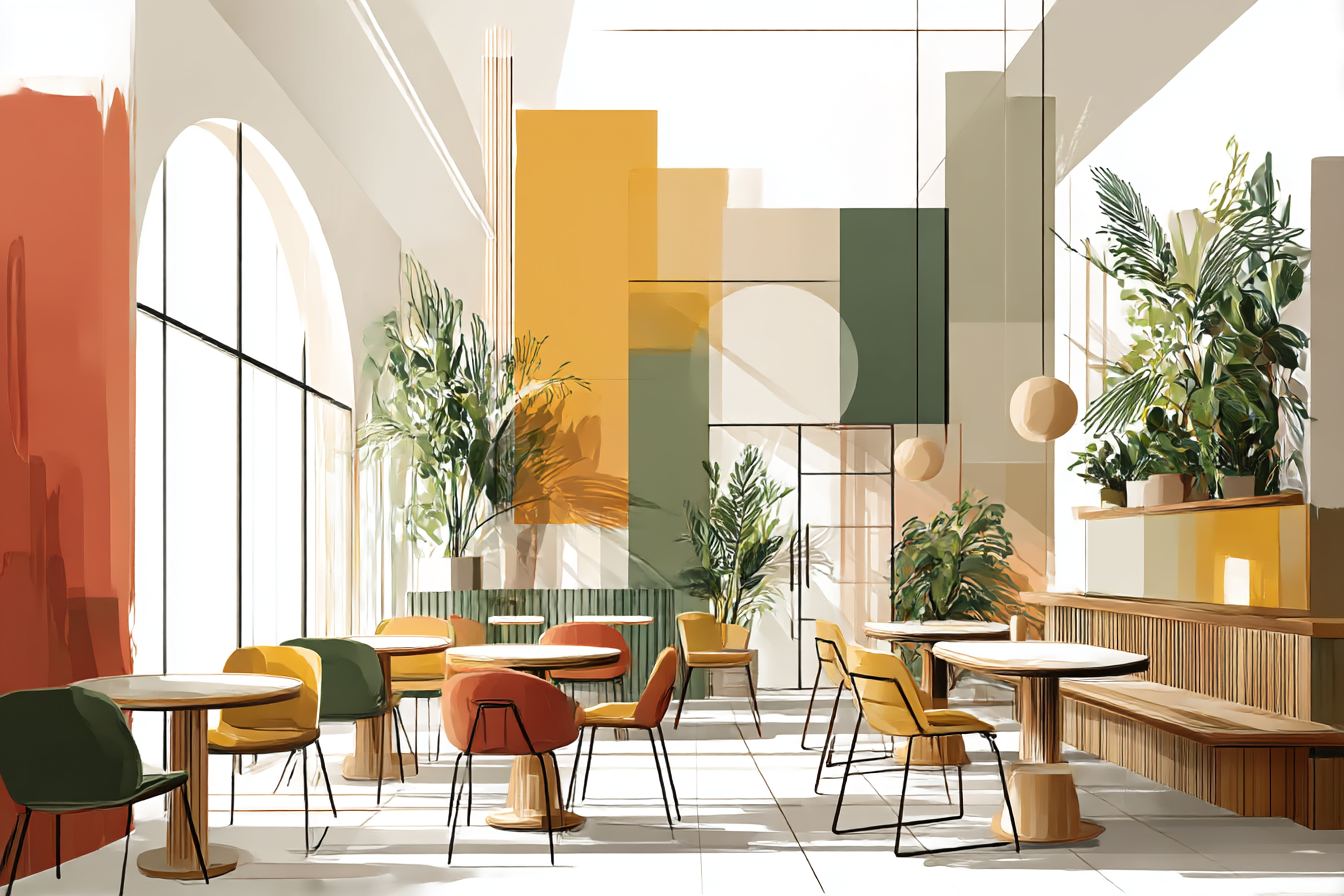
I set up a camera to capture a full week in my kitchen, taking shots every thirty minutes from the same angle. The resulting sequence revealed patterns I'd never noticed despite living there daily. How morning condensation on the windows affects light quality. How the cat's daily perch on the windowsill actually helps with air circulation around the herb garden. How cooking steam interacts with the overhead plants in ways that change their growth patterns.
These observations led to design modifications I never would have considered otherwise. I repositioned several hanging planters based on humidity patterns revealed by the photos. Adjusted the irrigation schedule after seeing how morning vs. evening watering affected the daily light cycles. Even changed my cooking habits – turns out my pasta-making sessions were creating perfect growing conditions for the basil hanging directly above the stove.
Client presentations have gotten so much more compelling since I started using real-time photography instead of just conceptual renderings. Last week, I showed a potential residential client a year-long photo series from another project – same room, same angle, twelve monthly shots showing how the space evolved through seasons. January looked sparse and monochromatic. By June, the climbing plants had transformed the space into something you'd mistake for a greenhouse. December brought this incredible interplay of dormant branches and holiday lights that created patterns nobody could have planned.
The client signed immediately. "I want those December shadows in my dining room," she said.
I've also started collaborating with photographers who specialize in architectural work but haven't focused on biophilic elements. Teaching them what to look for has been mutually beneficial – they bring technical skills I lack, while I help them see details they might overlook. Like how to capture the texture differences between live wood and processed lumber. How to show scale relationships between human occupants and plant installations. How to document the subtle colour changes that happen when natural materials age in different light conditions.
One photographer, Sarah, has become particularly skilled at capturing what I call "interaction moments" – those unguarded instances when people connect with natural elements in built spaces. She got this incredible shot of a toddler at a daycare centre reaching toward a shaft of sunlight filtering through a skylight garden above. The child's expression of pure wonder, combined with the way the light illuminated tiny floating pollen particles, captured everything I try to achieve in biophilic design in a single frame.
Documentation has also revealed patterns in seasonal depression that I'd read about but never witnessed so clearly. I have monthly photos of the same office breakroom from October through March. You can literally watch people's posture and interaction patterns change as natural light decreases and the outdoor view becomes more barren. But here's what's interesting – the spaces with strong biophilic elements maintained more consistent human engagement throughout the dark months. People still gathered around the living walls and water features, even when the windows showed nothing but grey sky and bare trees.
The equity implications hit me hard when I started photographing biophilic installations across different neighborhoods.
The contrast is stark – and deeply uncomfortable. High-end developments get elaborate green walls and integrated natural materials, while low-income housing gets token planters that die within months due to poor maintenance planning. The photos don't let you pretend those differences don't exist.
This visual documentation has become a key part of my advocacy work. When I present to city planning committees or public housing authorities, I bring photo essays showing successful biophilic implementations at various budget levels. Proving that connection to nature doesn't have to be expensive, but it does require intentional design and realistic maintenance planning.
Photography has fundamentally changed how I approach biophilic design – from initial concept through long-term evaluation. It's forced me to slow down, observe more carefully, and document both successes and failures with brutal honesty. Most importantly, it's helped me understand that the best biophilic designs aren't static installations but living systems that evolve, surprise, and continually reveal new relationships between human occupants and natural elements.
The camera doesn't lie. And sometimes, that's exactly what we need to create spaces that genuinely nurture our connection to the natural world.