
The coffee had gone cold while I stared at the email that would change everything. Sarah Martinez, a restoration architect from Portland, was asking if I'd be interested in co-teaching a hands-on workshop about merging biophilic principles with historic preservation. My first instinct? Absolutely not. I mean, I'd seen too many well-intentioned workshops turn into glorified PowerPoint marathons where participants left more confused than inspired.
But something about her approach intrigued me. She'd attached photos from a recent project – a 1920s textile mill converted into affordable housing where they'd managed to integrate living systems without compromising the building's industrial character.
The images showed exposed brick walls softened by carefully positioned air plants, original steel beams supporting modular growing systems, and large factory windows framing views of a restored native prairie. It wasn't trendy green-washing. This was thoughtful work.
<blockquote>Three months later, I found myself standing in a cavernous warehouse space in Asheville, North Carolina, watching twenty-two design professionals from across the country unpack tool bags and roll up their sleeves. The venue itself was perfect – a 1940s furniture factory that Sarah's team was slowly transforming into a mixed-use development. Original terrazzo floors, soaring ceilings with clerestory windows, and enough natural light to make any biophilic designer weep with joy.</blockquote>
The first day almost ended in disaster. We'd planned to start with material exploration – letting participants touch, smell, and examine various reclaimed and natural materials to understand their sensory properties. Simple enough, right? Wrong. Within an hour, we had a minor revolt on our hands.
"Where's the lecture portion?" demanded Marcus, a facilities manager from Atlanta. "I need to understand the theory before I start handling random pieces of wood." Several others nodded agreement. These were serious professionals who'd paid good money to learn restoration techniques, and here we were asking them to essentially play with building materials like kindergarteners.
<img class="size-full" src="http://wonkydogltd.co.uk/medium/wp-content/uploads/2026/01/im1979_restoration_design_workshop._ultra-realistichyper-deta_251a60cb-761c-47df-ba74-71a0855940b1_0.jpg" alt="im1979_restoration_design_workshop._ultra-realistichyper-deta_251a60cb-761c-47df-ba74-71a0855940b1_0" />
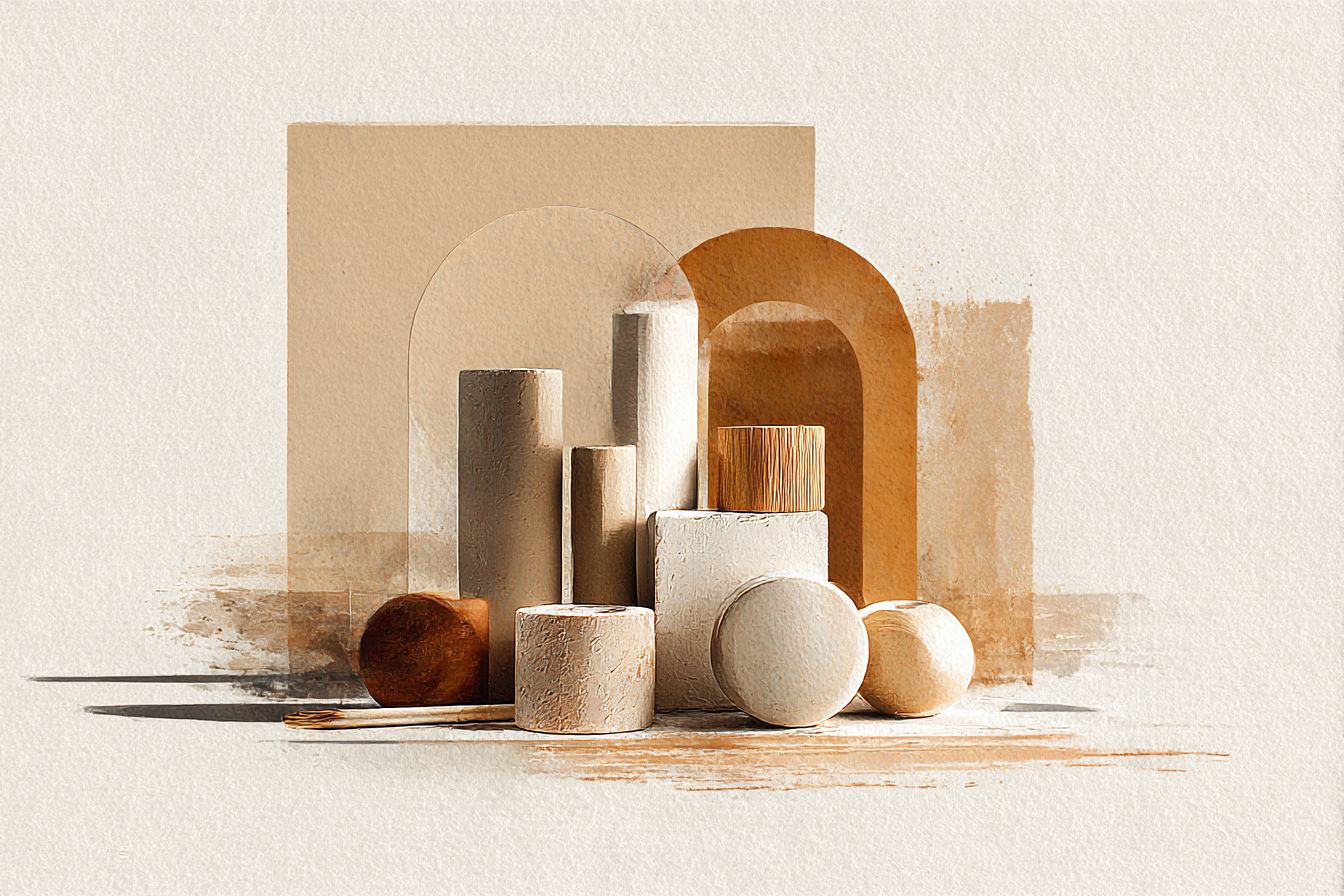
Sarah handled it brilliantly. Instead of defending our approach, she walked over to a pile of reclaimed heart pine flooring we'd salvaged from a demolished 1890s warehouse. She picked up two pieces that looked nearly identical and handed one to Marcus. "Tell me what you notice," she said simply.
He examined it skeptically at first, then more carefully. The wood was smooth in some areas, rough in others. There were nail holes, stains, and subtle colour variations. "It feels… warm," he said, sounding surprised. "And it smells different than new lumber."
"Now this one." She handed him the second piece.
Immediately, his expression changed. This piece had different wear patterns, a distinct scent, and felt somehow heavier despite being the same dimensions. "They're completely different woods," he concluded.
"Same species, same building," Sarah replied. "But this piece lived near the south-facing windows for 130 years. That one was interior flooring, protected from direct sunlight. The wood remembers its history."
That moment shifted everything. Suddenly, participants understood why we weren't starting with theory. You can't truly restore or work with historic materials until you understand them intimately – their stories, their aging patterns, their responses to environmental conditions over decades.
You Might Also Like
The rest of the week unfolded like a revelation. We worked with reclaimed timber that still carried the scent of the barns where it had aged, stone that bore tool marks from craftsmen long dead, and metals that had developed patinas telling stories of industrial heritage. But we weren't just examining these materials – we were learning to integrate them with living systems in ways that honored both their history and their potential future roles.
Take the moss wall project, for instance. Instead of installing a modern hydroponic system, we studied how moss naturally colonizes old masonry walls, then designed a restoration approach that encouraged this process while controlling moisture levels to protect the building structure. The result looked ancient but functioned with contemporary efficiency.
Or the window restoration challenge. Rather than simply replacing deteriorated sash windows with modern alternatives, we learned techniques for rebuilding historic frames while incorporating updated glazing systems and passive ventilation features that supported indoor plant systems. The restored windows maintained their original proportions and character while dramatically improving the building's ability to support living elements.
What struck me most was how the participants' perspectives shifted throughout the week. Jennifer, an interior designer from Phoenix, arrived with sketches for installing living walls in a historic hotel renovation. By day three, she was designing subtle interventions that would encourage natural moss growth on existing stone walls – achieving the same biophilic benefits while preserving the building's authentic character.
The technical sessions proved equally eye-opening. We spent an entire afternoon learning traditional lime mortars and discovering how these historic materials actually create better conditions for beneficial microorganisms than modern synthetic alternatives. Another day focused on natural pigments and finishes – not just for their aesthetic properties, but for their ability to regulate humidity and support healthy indoor air quality.
But honestly? The breakthrough moments happened during the less structured times. Over lunch, participants shared stories of restoration disasters and unexpected discoveries. Maria, a project manager from Denver, described finding an entire herb garden preserved in the foundation fill of a 1880s pharmacy – seeds that had remained viable for over a century. Those conversations sparked ideas that no formal curriculum could have generated.
The hands-on work culminated in individual restoration plans for buildings the participants were actually working on. These weren't theoretical exercises – they were actionable strategies for real projects with real budgets and timelines. Watching people problem-solve in real-time, combining traditional techniques with contemporary understanding of human-nature relationships, was absolutely energizing.
<img class="size-full" src="http://wonkydogltd.co.uk/medium/wp-content/uploads/2026/01/im1979_restoration_design_workshop._ultra-realistichyper-deta_251a60cb-761c-47df-ba74-71a0855940b1_1.jpg" alt="im1979_restoration_design_workshop._ultra-realistichyper-deta_251a60cb-761c-47df-ba74-71a0855940b1_1" />
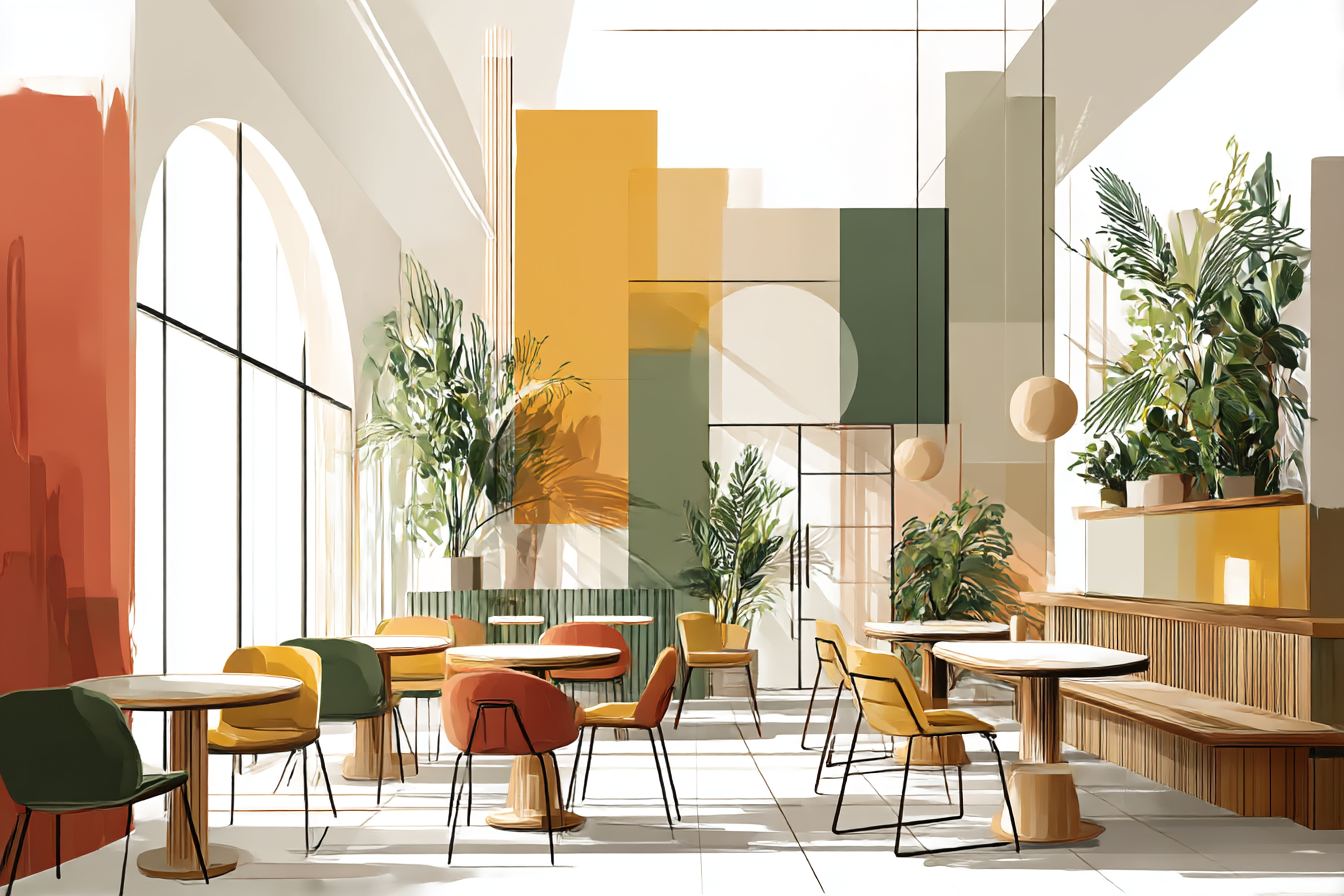
One participant's project particularly stuck with me. David was restoring a 1950s elementary school being converted into senior housing. His original plan involved gut renovation and standard modern systems. By the end of the workshop, he'd developed an approach that preserved the building's distinctive mid-century character while incorporating living systems that would benefit the elderly residents. The restored terrazzo floors would support mobile plant systems. Original classroom windows would frame views of reconstructed playground areas transformed into healing gardens. The cafeteria's serving windows would become growing stations for resident-tended herb gardens.
<blockquote>Six months later, I received progress photos from David's project. The transformation was remarkable – not just aesthetically, but functionally.

Early residents reported better sleep patterns, reduced medication needs, and stronger social connections. The building had become what it was always meant to be: a place where people could thrive.</blockquote>
That workshop fundamentally changed how I approach my own work. I'm now much more interested in restoration projects – not despite my focus on biophilic design, but because of it. Historic buildings often have inherent connections to natural systems that modern construction completely abandons. Restoring these connections isn't just historically accurate – it's essential for human wellbeing.
The collaboration with Sarah continues. We're planning additional workshops focused on specific building types and regions, each one emphasizing hands-on learning and practical application. Because ultimately, restoration work – whether for buildings or human-nature relationships – can't be learned from books alone. It requires touch, trial, and the occasional spectacular failure that teaches you more than any success ever could.