When my sister called me three years ago to tell me she was pregnant, I expected the usual excited chatter about baby names and nursery themes. Instead, her first concern was practical and direct: “James, I need your help creating a safe nursery that won’t bankrupt us.” She’d been watching me research building materials for nearly two decades, so she understood that “baby-safe” products often come with premium price tags that can make even the most well-intentioned parents choose cheaper, potentially problematic alternatives.
I figured this would be straightforward given my background in specifications, but baby furniture research turned out to be more complex than I anticipated. We’re dealing with materials that will surround developing infants during their most vulnerable stages – surfaces they’ll breathe near constantly, eventually chew on, and spend countless hours touching. The stakes feel different when you’re specifying for someone who weighs eight pounds and has zero capacity to move away from harmful off-gassing.
The mainstream baby furniture market is, frankly, a materials nightmare.
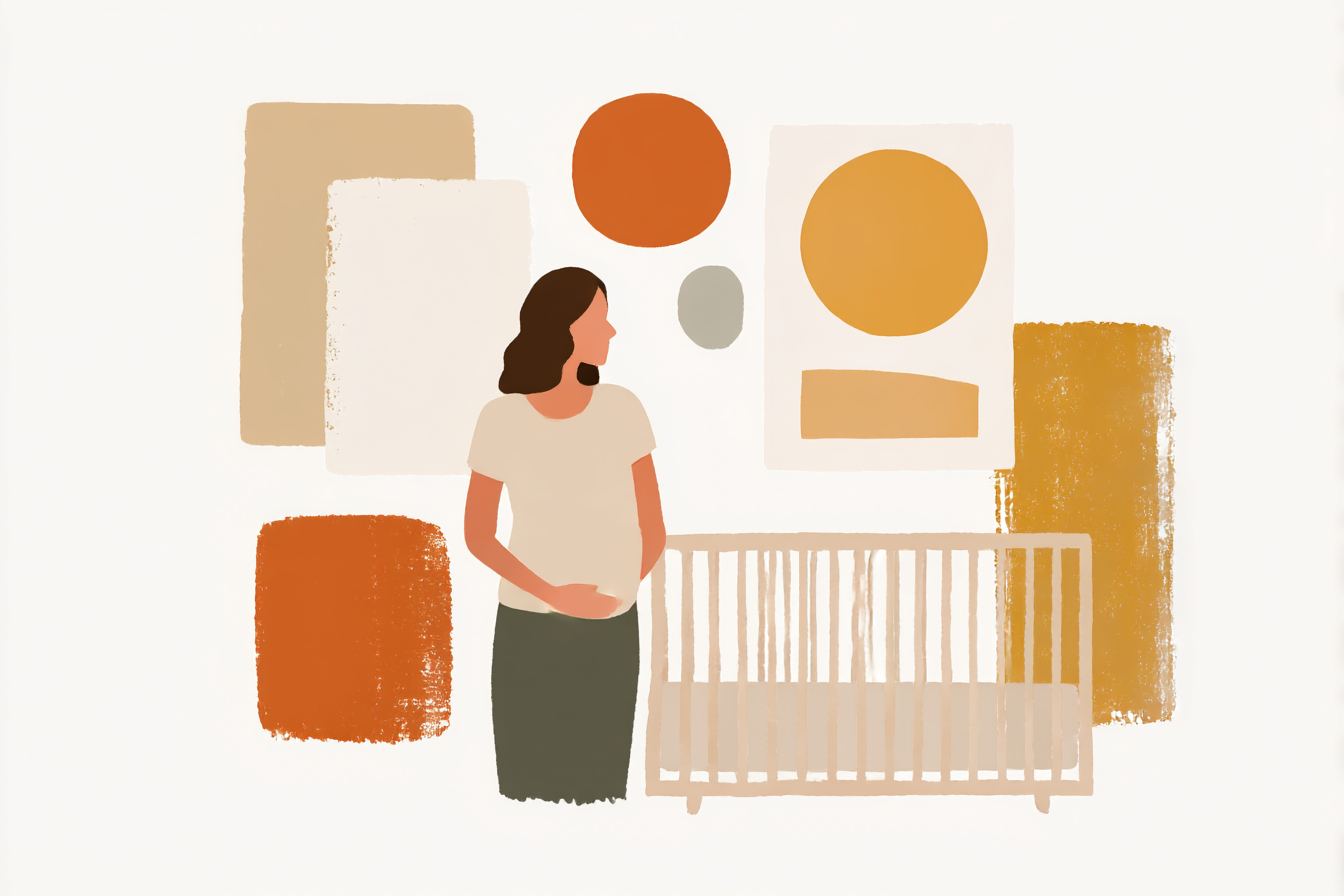
I spent an afternoon at a major baby retailer and found crib after crib made from particleboard bonded with urea-formaldehyde adhesives, finished with conventional lacquers that’ll continue off-gassing for months after assembly. Safety testing focuses heavily on structural integrity and choking hazards – which are absolutely critical – but chemical emissions and long-term indoor air quality impacts? Those considerations get pushed aside to keep retail prices competitive.
My sister had set aside $1,500 for the essential pieces: crib, changing table, dresser, and nursing chair. At the high-end “green” baby boutiques, that budget might cover just a certified organic crib. But here’s what eighteen years of material research has taught me: expensive doesn’t guarantee healthier, and creating healthy environments doesn’t require unlimited budgets. It does require doing your homework.
We started with the crib since that’s where safety regulations are already most stringent. I guided her toward solid wood options from smaller manufacturers who were transparent about their finishing processes. There’s a company in Vermont – I won’t mention names since I don’t want this to sound like product placement – that builds cribs from locally sourced maple using only water-based finishes. Their pricing ran about 30% higher than particleboard alternatives, but we’re talking $400 versus $280, not $400 versus $1,200.
The key was learning to decode what certifications actually measure. GREENGUARD certification, for example, requires testing for low chemical emissions, which matters infinitely more for indoor air quality than whether something contains recycled content or bamboo. I’ve tested plenty of materials marketed as “sustainable” that off-gas volatile organic compounds at concerning levels, while some conventional solid wood pieces, properly finished, create much healthier indoor environments than expensive imports marketed as eco-friendly.
For the changing table, we got creative. My sister found a solid wood dresser at an estate sale for $85. It had great structural integrity but needed complete refinishing. We stripped the old finish outdoors with proper ventilation, sanded everything smooth, and applied three coats of a plant-based oil finish I’d been evaluating for another project. Total investment including materials and a long weekend of work came to about $140. The result was a piece that’ll outlast anything we could’ve bought retail, with zero formaldehyde, zero VOCs, and more character than mass-produced alternatives.
The nursing chair presented unique challenges. Upholstered furniture typically contains flame retardants, petroleum-based foam that off-gases, and synthetic fabrics treated with stain-resistant chemicals. Used options often carry odors from previous owners’ homes – cigarette smoke, pet dander, cleaning products. After weeks of searching, we located a local furniture maker who builds custom pieces using natural latex cushioning and organic cotton covers. It wasn’t cheap, but combining baby gift contributions from both sets of grandparents made it feasible.
You Might Also Like
Here’s something most people don’t consider: the biggest impact on nursery air quality often isn’t the furniture itself, but the surfaces underneath and around it. Conventional wall-to-wall carpeting, vinyl flooring, and standard paint can create more chemical exposure than moderately priced solid wood furniture. My sister’s nursery had original hardwood floors that just needed refinishing with low-VOC polyurethane. We painted the walls with milk paint, which sounds fancy but actually costs less than premium conventional paint while containing zero synthetic additives.
The dresser shopping taught me something important about baby furniture marketing. My sister initially wanted a matching bedroom set, which sounds reasonable but locks you into one manufacturer’s approach to materials and pricing. By mixing sources, we could prioritize spending where it mattered most while economizing elsewhere. That Vermont crib justified its premium cost. The changing pad? We found an organic cotton version for half what designer options cost.
Storage became another opportunity for creative problem-solving. Instead of expensive built-in solutions, we used wooden produce crates from a local orchard, sanded and finished with the same plant oil used on the changing table. They stack, they’re portable, and cost about $15 each versus $80 for similar-looking retail versions. When outgrown, they’ll transition perfectly to toy storage or other rooms.
I also learned to interpret product marketing language more critically. “Non-toxic” carries no legal meaning, but “meets CPSIA standards” indicates actual testing for lead and phthalates. “Low-VOC” is better than nothing, but “GREENGUARD Gold certified” means comprehensive emissions testing under controlled conditions. “Sustainable wood” could mean anything, but “FSC certified” indicates verified responsible forestry practices with documented chain of custody.
The mattress decision deserved special attention since babies spend roughly half their time sleeping during early months. Conventional crib mattresses typically contain polyurethane foam, vinyl waterproof covers, and chemical flame retardants. Fully organic alternatives can exceed $500, which felt disproportionate to our overall budget. We found middle ground with a mattress made from plant-based foam and organic cotton cover for about $250. Not the cheapest option, but reasonable considering it’s literally what the baby will breathe while sleeping for years.
One surprise was how much money we saved by questioning specialized products. The baby industry excels at creating perceived needs for single-purpose items with premium pricing. That $120 wipe warmer? A small basket works fine. The $200 specialized diaper disposal system?
A quality covered trash can serves the same function. By concentrating our budget on essential pieces and prioritizing material safety in those items, we had money remaining for things that actually improved daily life.
My sister’s completed nursery cost approximately $1,400 and created an environment I’d confidently recommend for any infant. More importantly, she understood the reasoning behind each decision. Three years later, everything still looks excellent, performs well, and she’s planning to reuse most pieces for baby number two.
This experience reinforced something I’ve observed across all my specification work: the healthiest material choices often aren’t the most expensive ones, but they do require more research and sometimes more effort. Baby furniture follows the same principle. You can absolutely create safe, beautiful nurseries within reasonable budgets, but it means looking beyond marketing claims to understand what you’re actually purchasing and being willing to source from multiple vendors instead of defaulting to convenient one-stop shopping.