The elderly man sitting on the hospital's outdoor bench looked exhausted – not just physically tired, but spiritually depleted in that way I've come to recognise after years of working around healthcare environments. I was there consulting on a healing garden project, measuring soil drainage and light patterns, when I noticed him struggling to open what appeared to be a sandwich wrapper. His hands shook slightly, maybe from medication or just the weight of whatever medical journey had brought him there.
What struck me wasn't his difficulty with the packaging (though I did help him with that), but how dramatically his posture changed once we started talking. He'd been hunched over, shoulders caved inward, but as we chatted about the purple coneflowers blooming nearby – he used to grow them in his backyard, apparently – his entire body seemed to unfold. Literally unfold. His breathing deepened, his voice got stronger, and by the time his daughter arrived to collect him twenty minutes later, he looked like a completely different person.
That interaction happened three years ago, but I think about it constantly because it encapsulates everything I've learned about why outdoor spaces matter so much for healing.

It's not just about fresh air or vitamin D, though those help. There's something more fundamental happening when people connect with natural elements during vulnerable moments in their lives.
I've been designing and studying these kinds of spaces for over a decade now, and honestly? The research keeps surprising me. Last month I reviewed a study from a children's hospital in Oregon where they tracked recovery metrics for pediatric patients who had direct visual access to their rooftop garden versus those who didn't. Kids with garden views required 15% less pain medication and were discharged an average of 1.2 days earlier. Their families reported better sleep quality and reduced anxiety levels too.
But here's what the numbers don't capture – the intangible shifts that happen when you create spaces where nature and healing intersect intentionally. I remember visiting that Oregon facility last spring and watching a seven-year-old girl with her IV pole, teaching her grandmother how to identify different butterfly species through the window. The grandmother was clearly the more anxious of the two, fidgeting constantly until her granddaughter started pointing out monarch versus swallowtail markings. Suddenly this terrified adult had something concrete to focus on beyond medical procedures and uncertain prognoses.
My approach to these projects has evolved significantly since I started. Early on, I made the mistake of thinking more vegetation automatically meant better outcomes. I'd cram spaces full of plantings, water features, walking paths – basically throwing every biophilic element I could think of at each design. The results were… overwhelming. Patients and families would enter these spaces and feel stimulated rather than restored. Too much sensory input when people are already processing medical stress isn't helpful.
Now I think in terms of what I call "graduated sanctuary." You want some areas that provide gentle stimulation – maybe flowering plants that attract birds, or the sound of moving water – but you also need spaces for pure rest. Simple. Quiet. A single mature tree with comfortable seating underneath often outperforms elaborate garden installations in terms of actual usage and therapeutic benefit.
The private residential projects I work on operate under different constraints but similar principles. Last year I worked with a family whose teenage son was recovering from a traumatic brain injury. Traditional rehabilitation focused on indoor clinical settings, but his progress plateaued after six months. His occupational therapist suggested we explore outdoor therapeutic activities, which led them to contact me about redesigning their backyard space.
We created what I call "engagement gradients" – areas that supported different levels of cognitive and physical activity depending on his daily capacity. Some days he could handle complex tasks like tending raised vegetable beds or maintaining a small pond ecosystem. Other days, he needed passive engagement – just sitting in a swing that faced established shade trees, watching light patterns shift through leaves.
The transformation wasn't dramatic or immediate, but it was consistent. His mother tracked his therapy progress and noticed steady improvements in attention span, motor coordination, and emotional regulation that coincided with increased outdoor time. More importantly for family wellbeing, the space gave everyone respite from the intensity of medical recovery routines. His younger sister started doing homework out there. His father, who'd been struggling with caregiver burnout, found himself spending morning coffee time in the space before work started.
Public healing spaces present different challenges entirely. You're dealing with diverse user groups, varying physical abilities, institutional maintenance requirements, and budget constraints that would make anyone's head spin. But the potential impact is enormous because you're reaching people who might not otherwise have access to thoughtfully designed natural environments.
You Might Also Like
I'm currently working on a project for a community health centre that serves primarily low-income families. The existing outdoor space was basically an afterthought – concrete planters with struggling shrubs and a few metal benches arranged without any particular logic. Usage was minimal, and the few people who did spend time there seemed to be waiting for something rather than choosing to be there.
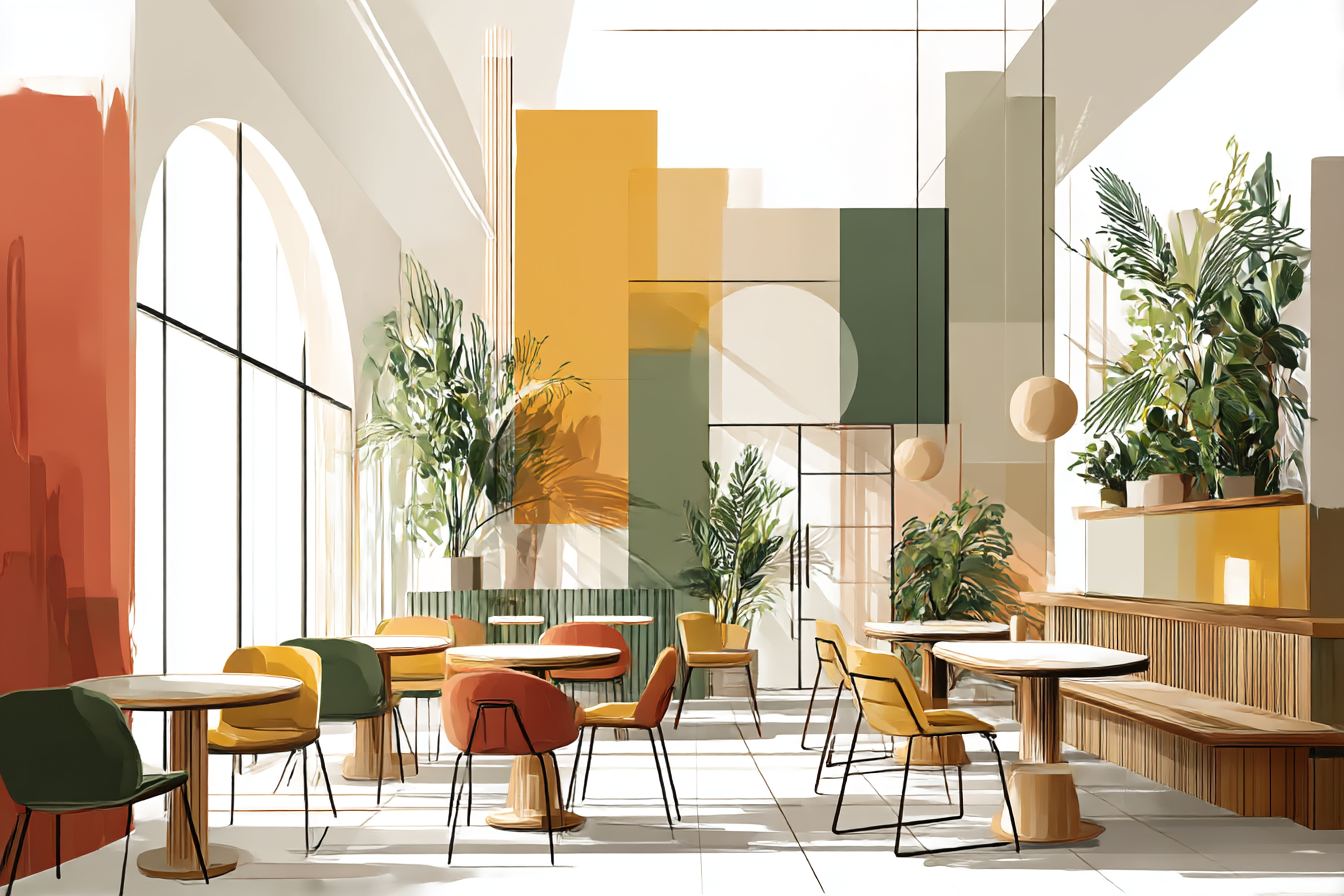
Our redesign focuses on creating multiple micro-environments that serve different cultural approaches to outdoor gathering. Some families prefer open sight lines where adults can supervise children while socializing with other parents. Others value more intimate seating arrangements for private conversations or quiet reflection. We included elements that encourage active use – like raised beds for community gardening – alongside purely restorative features like a small meditation labyrinth.
The tricky part with public projects is balancing therapeutic intent with community ownership. Spaces that feel too controlled or clinical don't invite the kind of organic social interaction that's often most healing. But spaces without any intentional design structure can feel chaotic or unsafe, especially for people dealing with health stress.
I've learned to involve community members directly in the design process, not just through surveys or public meetings, but hands-on. We held weekend planting sessions where families could directly contribute to the space while sharing stories about their own relationships with nature and healing. Those conversations shaped the final design more than any theoretical framework could have.
One woman talked about how her grandmother in El Salvador had taught her to identify medicinal plants, and how she'd lost that connection after immigrating to the city. We incorporated several traditional healing plants that are appropriate for our climate zone, along with interpretive signage in both English and Spanish. Another family mentioned their autistic child's fascination with water sounds, which influenced our decision to include a small recirculating fountain rather than just visual elements.
What continues to surprise me is how these spaces affect the broader community beyond their intended users. The health centre's healing garden has become an unofficial neighborhood gathering spot. People who aren't even patients stop by to sit during lunch breaks or walk through on their way to other errands.
The maintenance staff tells me they've noticed less litter in the area and more positive interactions between community members.
These ripple effects are part of why I believe so strongly in this work. We're not just creating spaces for individual healing – we're modeling different ways of integrating natural elements into urban environments. Every successful project becomes a demonstration that these approaches are practical and beneficial, not just theoretical concepts from design magazines.
The research base supporting outdoor healing environments keeps expanding, but implementation still faces significant barriers. Healthcare administrators worry about liability and maintenance costs. Public officials question budget allocations for "non-essential" amenities. Families dealing with medical crises understandably prioritize immediate treatment needs over environmental considerations.
My role often involves translating between research findings and real-world constraints, helping stakeholders understand that therapeutic outdoor spaces aren't luxury additions but evidence-based interventions that can measurably improve health outcomes while reducing long-term costs. It's advocacy work as much as design work, really.
But every completed project reinforces my conviction that this approach matters deeply. When I see that elderly man from the hospital bench – or the teenage brain injury patient, or the families gathering in the community health centre garden – I'm reminded that healing happens in relationship, and our relationship with the natural world is fundamental to who we are as biological beings.
These spaces give people permission to remember that connection, even during their most vulnerable moments.