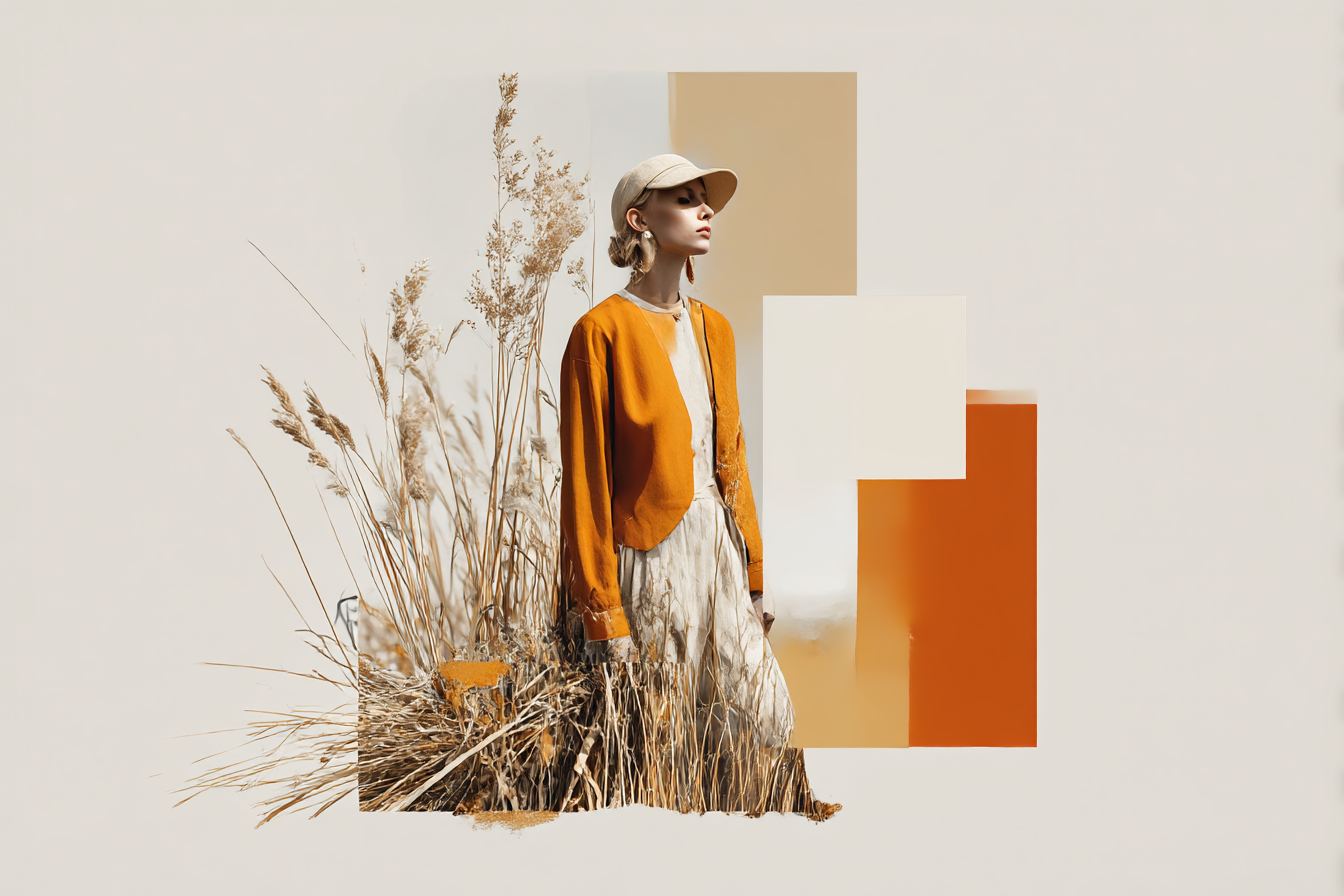
I never thought my work in biophilic design would lead me into the world of fashion, but here I am, completely obsessed with how clothing can reconnect us to the natural world. It started when I was renovating my sister’s studio apartment last spring – she’s a textile artist who’d been struggling with seasonal depression. While researching fabrics for her new workspace curtains, I stumbled across this incredible hemp-silk blend that felt almost alive under my fingers.
The texture reminded me of those walnut offcuts my father used to bring home, except this was something you could actually wear. I mean, we talk about biophilic design in buildings all the time, but what about the built environment we carry on our bodies? That question kept me up for weeks.
<blockquote>So I started digging.
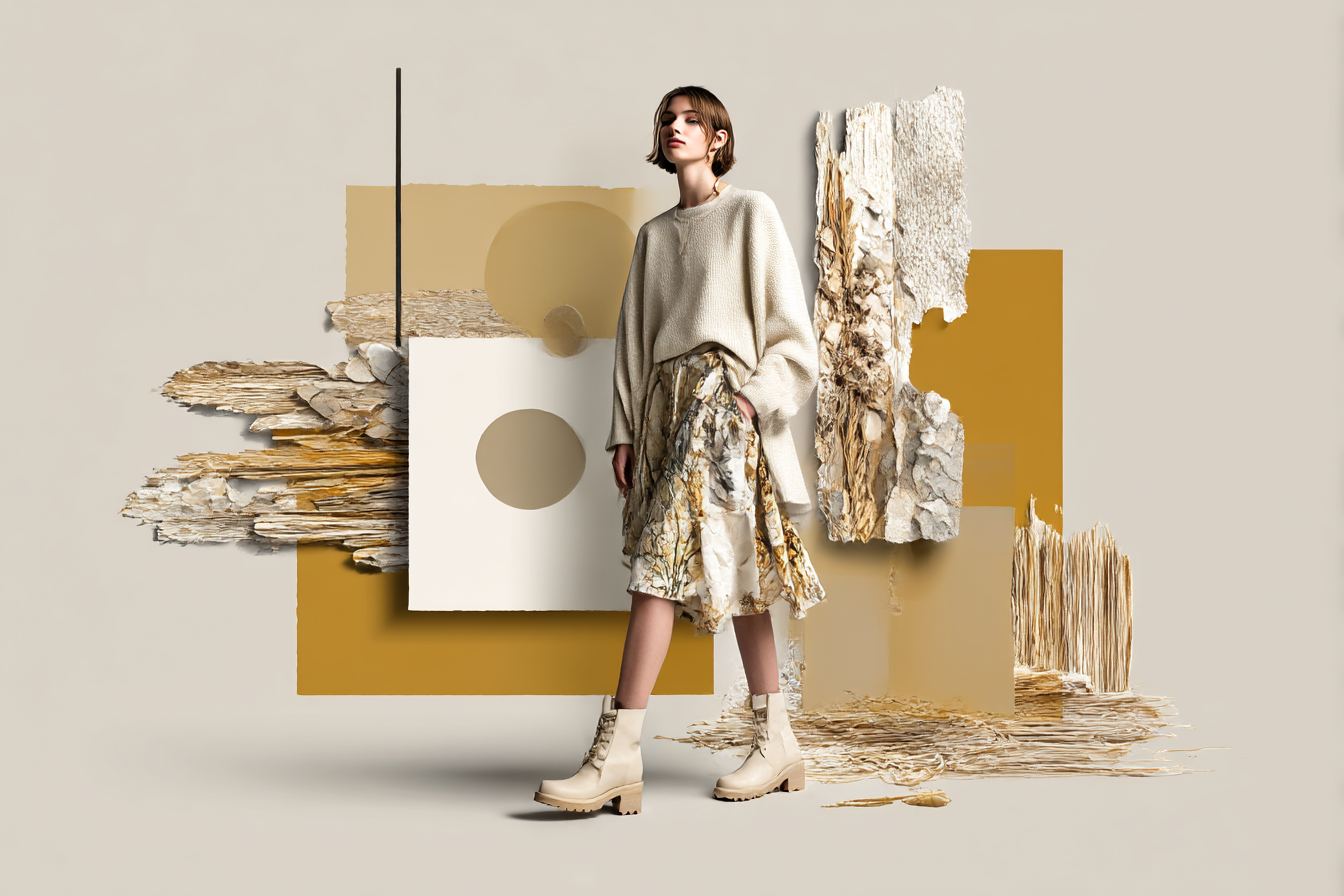
Turns out there’s this whole movement called biophilic fashion that’s way more sophisticated than I initially assumed. We’re not talking about those cheesy nature-print t-shirts from the mall – though honestly, I owned several of those in high school. This is about fundamentally rethinking how we create, wear, and interact with clothing using nature as both inspiration and material source.</blockquote>
The first thing that blew my mind was learning about mycelium leather. Remember those mycological insulation experiments I’ve been running between my wall panels? Well, apparently fashion designers have been growing actual leather from mushroom roots. I got my hands on a sample from Bolt Threads last month, and it’s… weird in the best way. Feels like traditional leather but with this subtle texture variation that reminds me of tree bark patterns. Plus, it biodegrades completely at the end of its lifecycle. My neighbour’s compost bin is currently breaking down a small piece I buried there six weeks ago.
But here’s where it gets really interesting from a biophilic perspective – the way these materials interact with our skin triggers the same physiological responses we see with natural building materials. I’ve been wearing a hemp-nettle fibre shirt for three months now, tracking my stress levels and sleep quality. The fabric literally breathes differently than synthetic alternatives, regulating temperature in ways that synthetic moisture-wicking fabrics can’t match. It’s like having a mini microclimate against your skin.
<img class=”size-full” src=”http://wonkydogltd.co.uk/medium/wp-content/uploads/2026/01/IM_Biophilic_Fashion_Nature-Inspired_Design_Redefining_Clothi_7b2d18e6-c386-486d-93a5-0fbcece592da_0.jpg” alt=”IM_Biophilic_Fashion_Nature-Inspired_Design_Redefining_Clothi_7b2d18e6-c386-486d-93a5-0fbcece592da_0″ />
The design principles mirror everything I’ve learned about biophilic architecture. Take fractal patterns – those naturally occurring mathematical structures we find everywhere from fern fronds to cloud formations. I’ve documented how incorporating fractal designs in interior spaces reduces stress markers and improves focus. Fashion designers working in the biophilic space are applying the same concepts to clothing patterns and textile structures.
I visited this incredible studio in Portland last fall – Studio Ahn, run by this Korean-American designer who creates garments based on growth patterns in nature. She showed me this jacket inspired by the branching structure of river deltas, complete with pockets that follow the natural flow lines. Wearing it felt different, you know? Like the garment was working with my body’s movement patterns instead of restricting them.
The sustainability angle is obvious but goes deeper than most people realise. Traditional fashion manufacturing is basically the antithesis of biophilic principles – synthetic materials that don’t breathe, chemical processes that poison ecosystems, fast cycles that encourage disposal rather than connection. Biophilic fashion approaches the entire lifecycle differently. Materials come from living systems, processing mimics natural cycles, and end-of-life planning assumes return to biological processes.
You Might Also Like
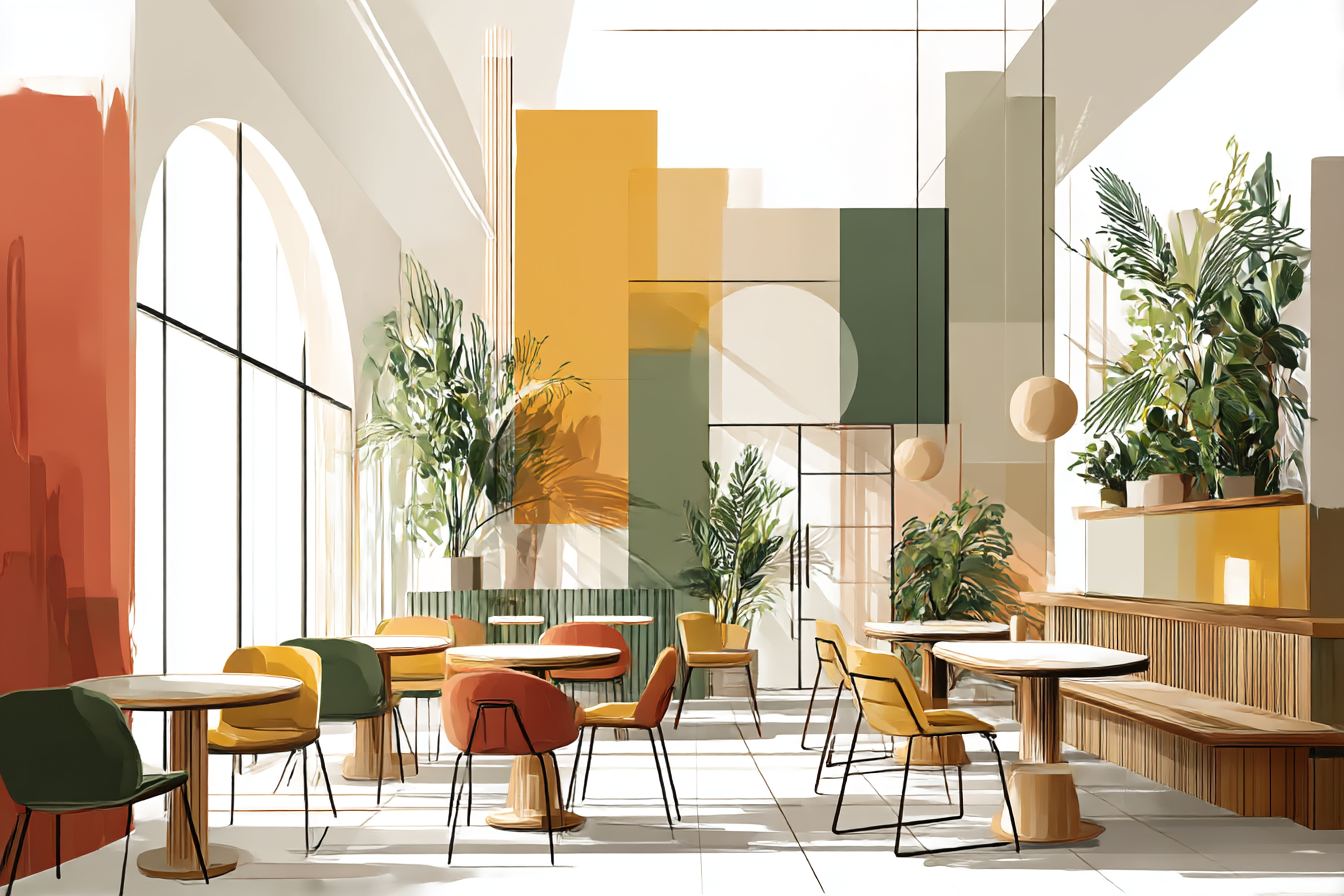
I’ve been experimenting with natural dyeing in my apartment – much to my downstairs neighbour’s continued horror. Started with avocado pits (gorgeous peachy pink), moved through onion skins (incredible golds), and I’m currently obsessing over indigo fermentation. The process requires patience and attention that completely changed my relationship with the clothing I was dyeing. When you’ve spent three days tending a vat of fermenting indigo, you don’t casually toss that garment in a donation bag six months later.
The colour psychology aspects fascinate me too. We know from environmental psychology that exposure to certain natural colours affects mood and cognitive function. Forest greens reduce anxiety, while earth tones promote feelings of groundedness and stability. Biophilic fashion designers are intentionally leveraging these responses, creating clothing that functions almost like wearable therapy. I’ve got this gorgeous jacket dyed with madder root that produces this deep, complex red-brown. Every time I wear it, I feel more confident and centered. Could be placebo effect, but honestly? I don’t care if it works.
The texture innovation is where things get really wild. Designers are studying everything from moth wing scales to cactus spine structures, translating these natural textures into fabric surfaces. I handled a prototype last month that mimicked the water-repelling properties of duck feathers through fibre alignment rather than chemical coating. The material actually beaded water while remaining completely breathable – something synthetic waterproof fabrics can’t achieve.
But here’s what really got me thinking – the social aspects of biophilic fashion mirror what we see in biophilic architecture. Spaces designed with natural principles tend to encourage more meaningful human interaction. Similarly, clothing created with biophilic principles seems to spark different conversations. When I wear my nettle fibre shirt or hemp-wool sweater, people ask questions. They want to touch the fabric, learn about the materials, understand the process. It creates connections in ways that typical clothing doesn’t.
The craft element can’t be ignored either. Just like traditional building techniques often incorporated local natural materials and climate-responsive design, biophilic fashion frequently emphasizes handcraft processes that connect makers to materials. I spent a weekend learning to spin nettle fibre from this amazing woman in rural Vermont. My hands were sore for days, but the connection between plant, process, and final product completely changed how I think about clothing as a designed object.
We’re seeing interesting parallels in the business models too. Just as sustainable architecture increasingly focuses on durability and adaptability rather than disposability, biophilic fashion brands are designing for longevity and repair. One company I’ve been following – Kotn – creates pieces specifically intended to improve with age and wear, developing patina and character over time like natural materials in buildings.
<img class=”size-full” src=”https://biophilicflair.com/wp-content/uploads/2025/08/IM_Biophilic_Fashion_Nature-Inspired_Design_Redefining_Clothi_7b2d18e6-c386-486d-93a5-0fbcece592da_0-1.jpg” alt=”IM_Biophilic_Fashion_Nature-Inspired_Design_Redefining_Clothi_7b2d18e6-c386-486d-93a5-0fbcece592da_0″ />
The wellness applications are still being explored, but early research suggests promising directions. Clothing made from natural fibres with antimicrobial properties derived from plants rather than synthetic treatments. Fabrics that regulate body temperature through biomimetic structures rather than chemical additions.
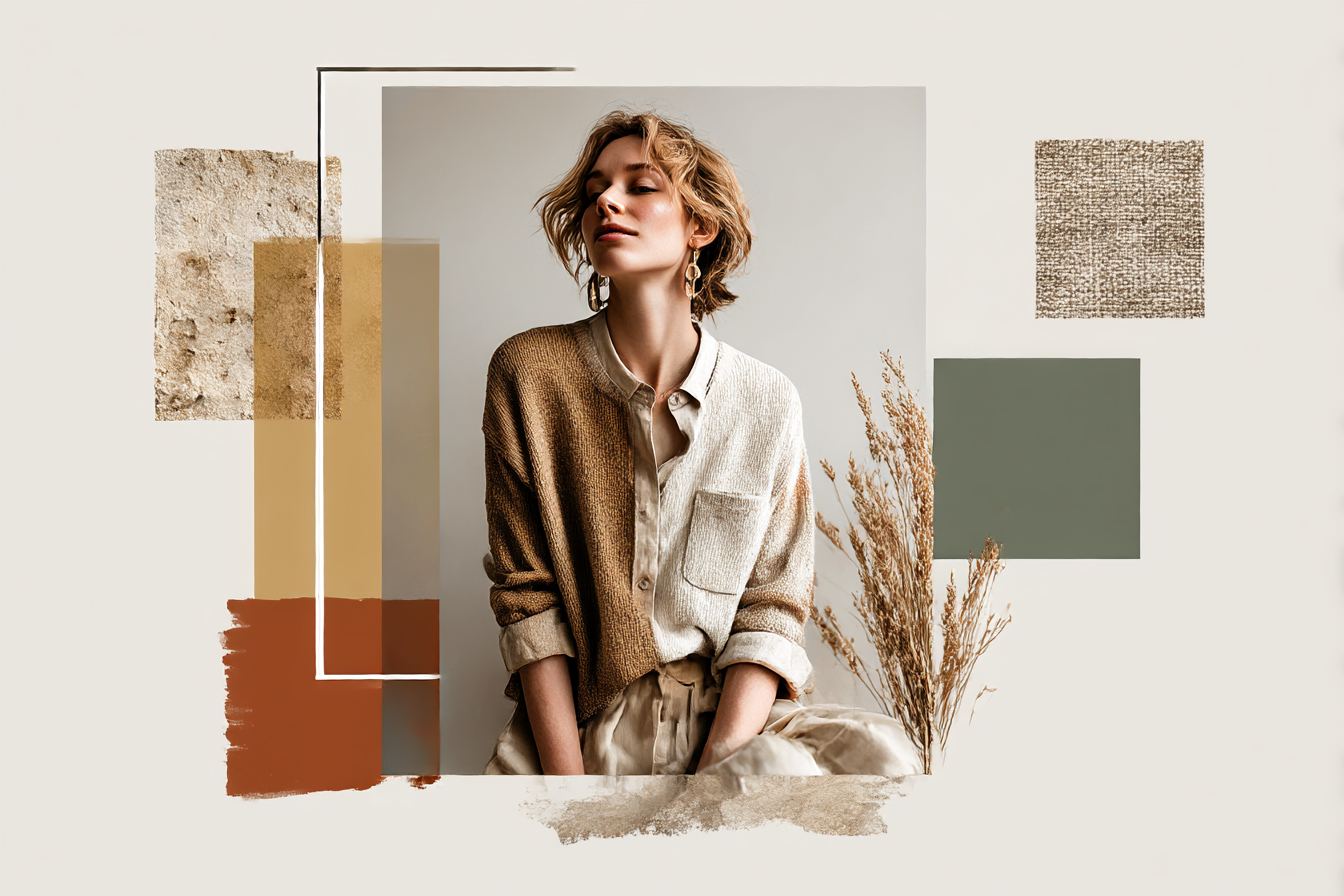
Garments designed to support natural movement patterns and postural alignment.
<blockquote>I’m planning to incorporate biophilic fashion principles into my next residential project – a bedroom renovation where the client wants to optimize sleep quality. We’re sourcing bedding made from organic linen and hemp fibres, naturally dyed with plants known for their calming properties. The goal is creating a complete environment where every surface supports the body’s natural rhythms and processes.</blockquote>
The movement is still emerging, but I think we’re seeing the beginning of a fundamental shift in how we think about clothing as part of our built environment. Just as biophilic architecture recognizes that our buildings should support our biological nature rather than work against it, biophilic fashion acknowledges that our clothing should do the same. We spend every moment of our waking lives in contact with textiles – why shouldn’t those materials actively contribute to our wellbeing?
It’s early days, but I’m convinced this intersection of nature-inspired design, sustainable materials, and human-centered thinking represents the future of how we dress ourselves. And honestly? It feels pretty great to wear a forest on your back.