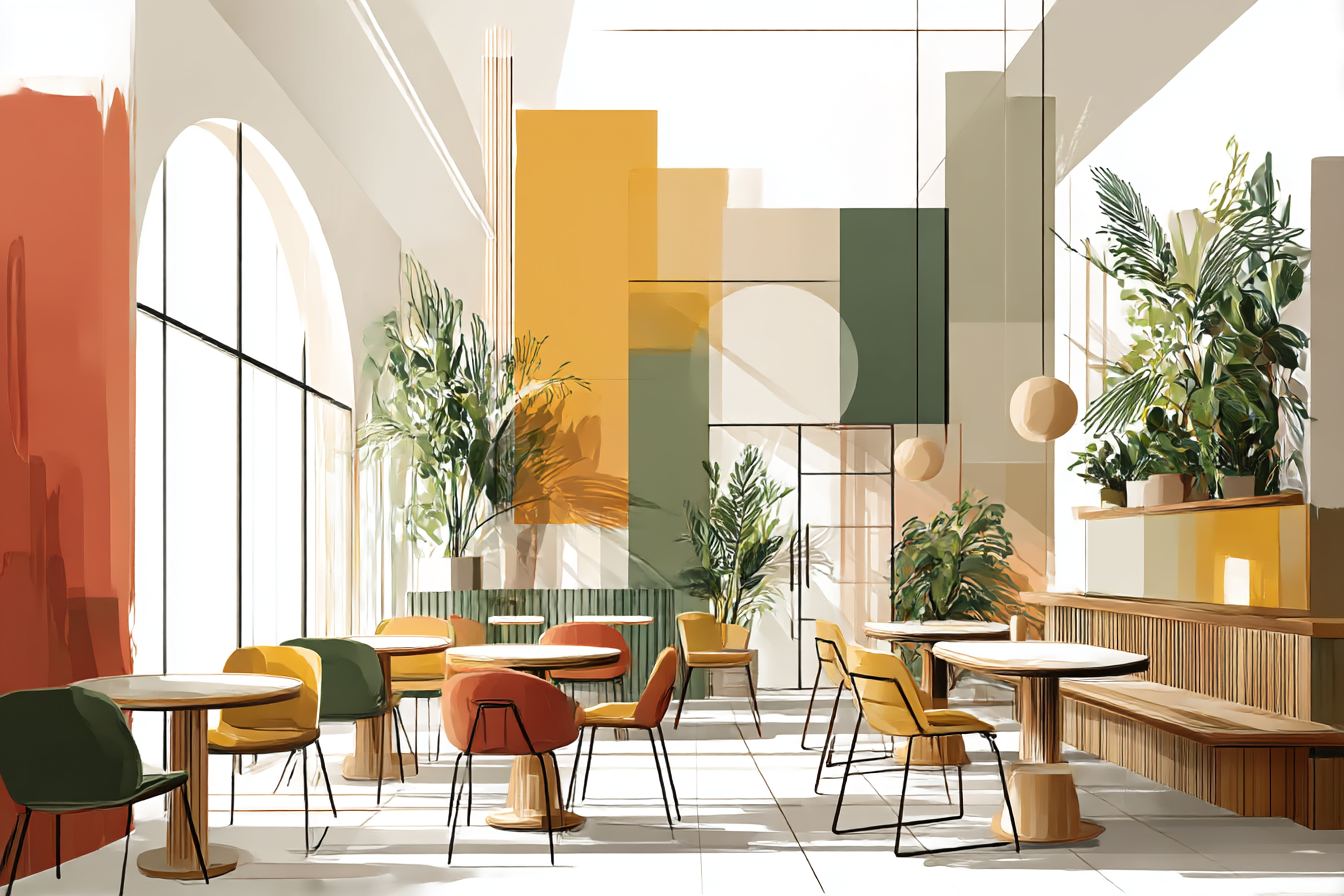
Last month, I walked into a new restaurant in Portland's Pearl District and had one of those moments where you just stop and breathe differently. The space wasn't trying to be a greenhouse or some kind of jungle-themed gimmick – it was just… alive. Natural light poured through skylights, casting moving shadows as leaves from overhead trellises swayed gently. The air smelled faintly of herbs and fresh earth, not artificial fragrances or cleaning products.
I've been studying how restaurants can better connect diners to nature for about eight years now, and honestly? Most attempts fall flat. You know what I mean – those places with fake ivy wrapped around plastic columns or a single sad fern sitting on a windowsill.
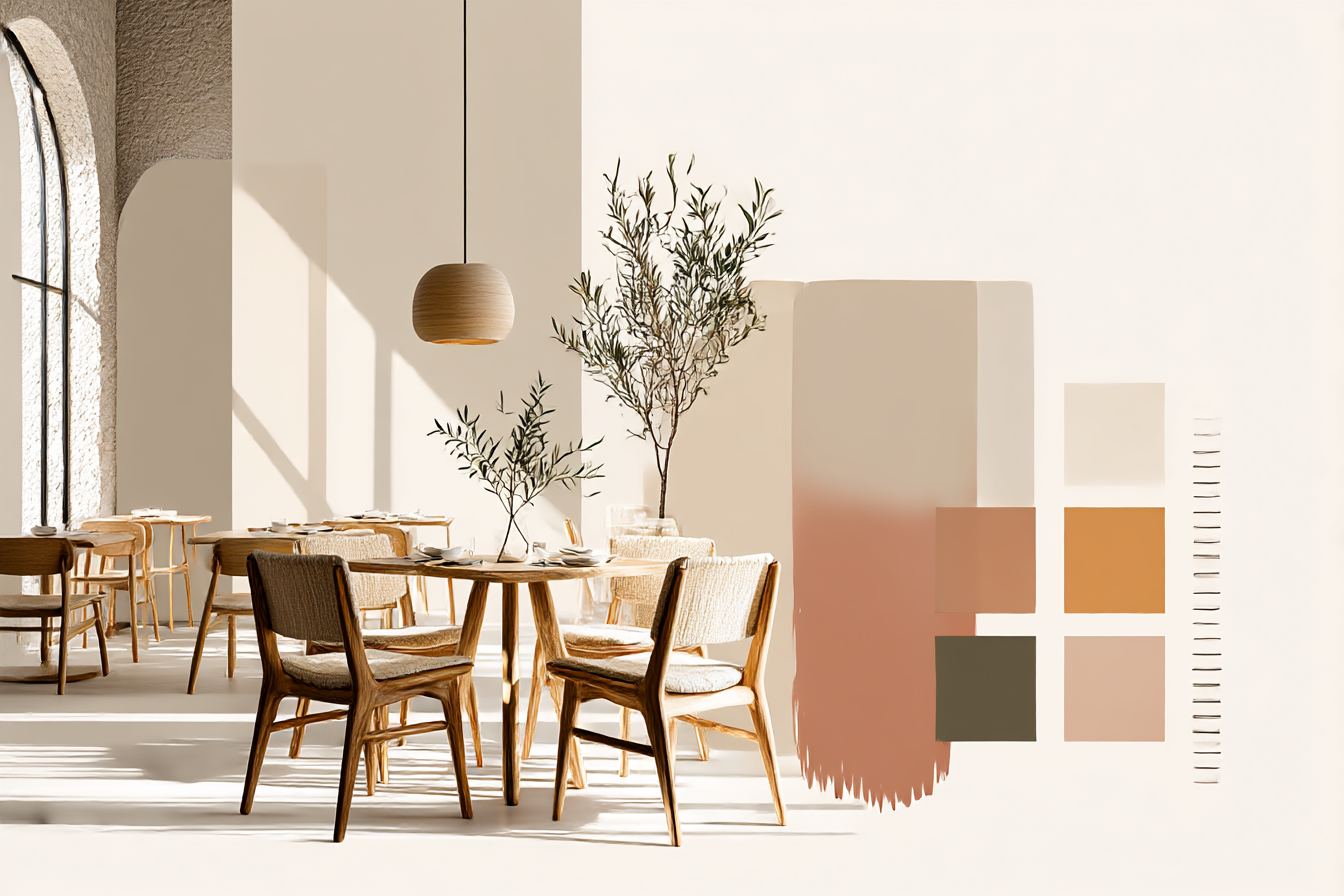
But this Portland spot got it right in ways that made my biophilic design heart sing.
The hostess led me past a living wall that wasn't just decorative but functional – I spotted basil, mint, and what looked like microgreens that probably ended up in the dishes. The sound of a small water feature trickled somewhere behind the greenery, not loud enough to compete with conversation but present enough to mask the harsh urban sounds from the street outside.
Restaurant design has traditionally been about maximizing covers per square foot, getting people in and out efficiently, creating Instagram-worthy moments. But there's this growing recognition that diners actually want to linger, to feel good in spaces, to have their stress levels drop rather than spike from sensory overload. The data backs this up – customers spend 15-20% more time in restaurants with strong natural elements, and they rate their overall experience significantly higher.
I've consulted on maybe thirty restaurant projects over the years, and the common pushback is always maintenance concerns. "Plants will die." "Water features leak." "Natural materials show wear." Sure, these are legitimate concerns, but they're also solvable problems if you plan properly from the start.
Take lighting, for instance. Most restaurants rely heavily on artificial lighting to create ambiance, but natural light – when available – creates this warm, welcoming atmosphere that's impossible to replicate. I worked with a café in Denver that had these enormous south-facing windows they were actually covering with heavy curtains because the owners worried about glare and heat gain. We replaced those curtains with adjustable wooden louvers and added strategic plantings outside the windows. The result? Natural light that shifts throughout the day, creating this ever-changing backdrop that makes every meal feel different.
But here's the thing – biophilic restaurant design isn't just about slapping plants everywhere. It's about understanding how humans instinctively respond to natural elements and using that knowledge strategically. Water features, for example, don't just look pretty. The sound of moving water activates our parasympathetic nervous system, literally helping us digest food better. That's not hippie nonsense – that's measurable physiological response.
Materials matter tremendously too. I remember visiting this farm-to-table place in Vermont where every surface was either reclaimed wood, natural stone, or living plants. No plastic laminate, no synthetic fabrics, no artificial anything. Guests would unconsciously run their hands along the rough-hewn bar top, lean back against the stone wall, even touch the herbs growing in containers on their tables. There's something primal about our need to connect with natural textures.
You Might Also Like

The chef there told me something interesting – he'd noticed that diners lingered longer over meals, had more animated conversations, and left bigger tips compared to his previous location in a typical modern restaurant space. The food was essentially the same, but the environment completely changed how people experienced it.
Of course, not every restaurant can afford extensive living walls or custom water features. But small interventions can have big impacts. I've seen tremendous results from simply maximizing natural light, incorporating wooden elements (even if it's just cutting boards and serving pieces), and adding a few strategically placed plants that can handle the restaurant environment.
Succulents work great in low-light bar areas. Herbs on windowsills serve double duty – they're functional for the kitchen and create that connection to growing things. Even something as simple as using natural fibre linens instead of synthetic ones contributes to that overall sensory experience.
The business case keeps getting stronger too. Restaurants with biophilic elements report lower staff turnover – apparently working in nature-connected environments reduces job stress. Customer loyalty increases.
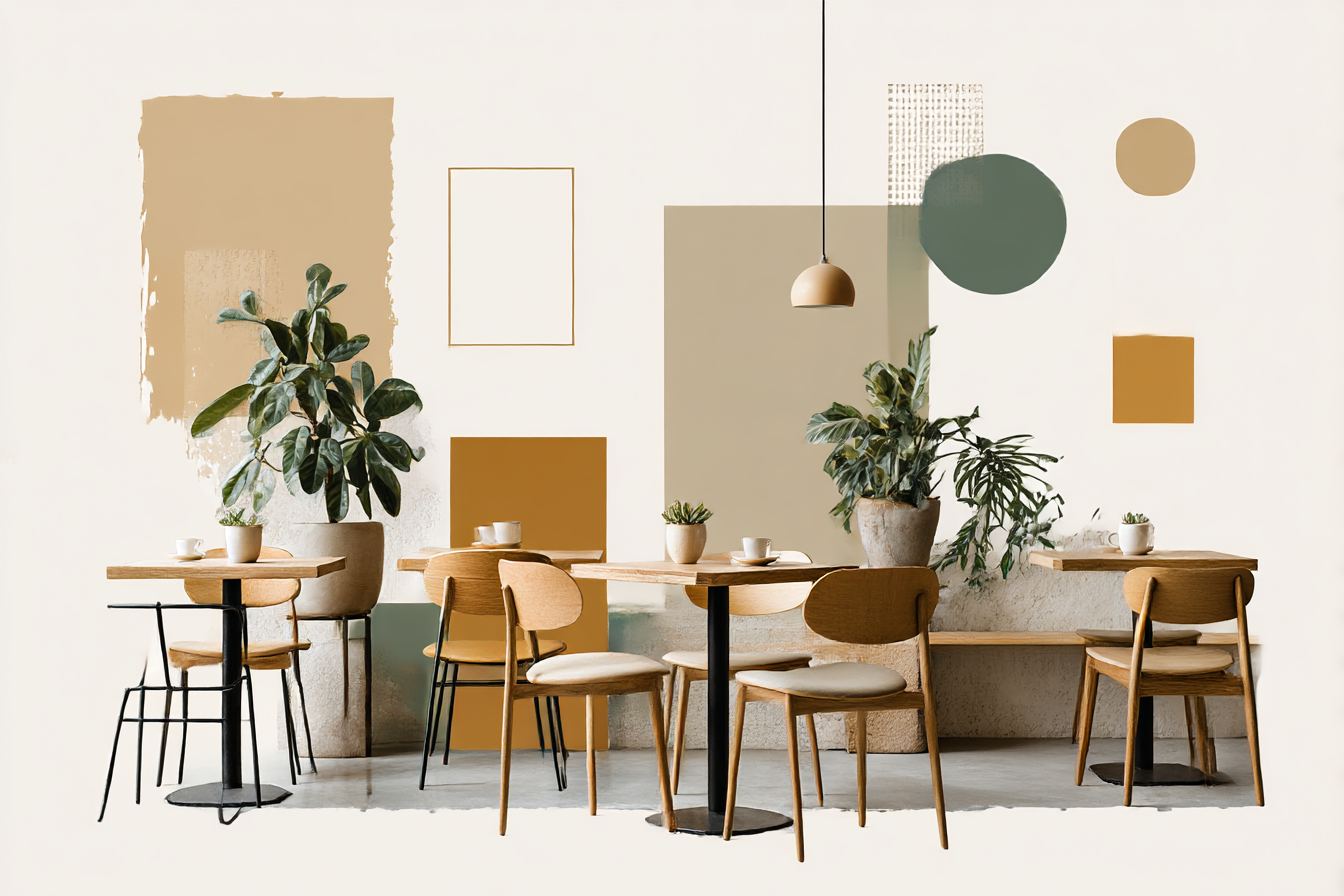
Online reviews consistently mention the "calming atmosphere" or "peaceful vibe" when natural elements are present.
I'm not saying every restaurant needs to become a botanical garden, but ignoring our fundamental connection to nature seems increasingly shortsighted. We spend most of our lives indoors, often in sterile environments. Restaurants represent one of the few spaces where we go specifically to enjoy ourselves, to socialize, to celebrate. Why not make them places that actually nourish us on multiple levels?
The pandemic really accelerated this trend. Outdoor dining became essential, and suddenly everyone remembered how good it feels to eat under the sky. Now that we're back indoors, there's this hunger for spaces that don't feel completely cut off from the natural world.
I visited that Portland restaurant three more times during my week there, and each experience felt different because the light changed, the plants moved, the water sounds varied slightly with the humidity. That's what good biophilic design does – it creates spaces that feel alive rather than static, that change and respond rather than remaining frozen in time.
The future of restaurant design, I believe, lies in understanding that we're biological beings with deep-seated needs for connection to living systems. Meeting those needs doesn't require massive budgets or complete renovations – it requires thoughtful integration of natural elements that support both the practical demands of food service and our innate desire to feel part of the living world while we nourish ourselves.