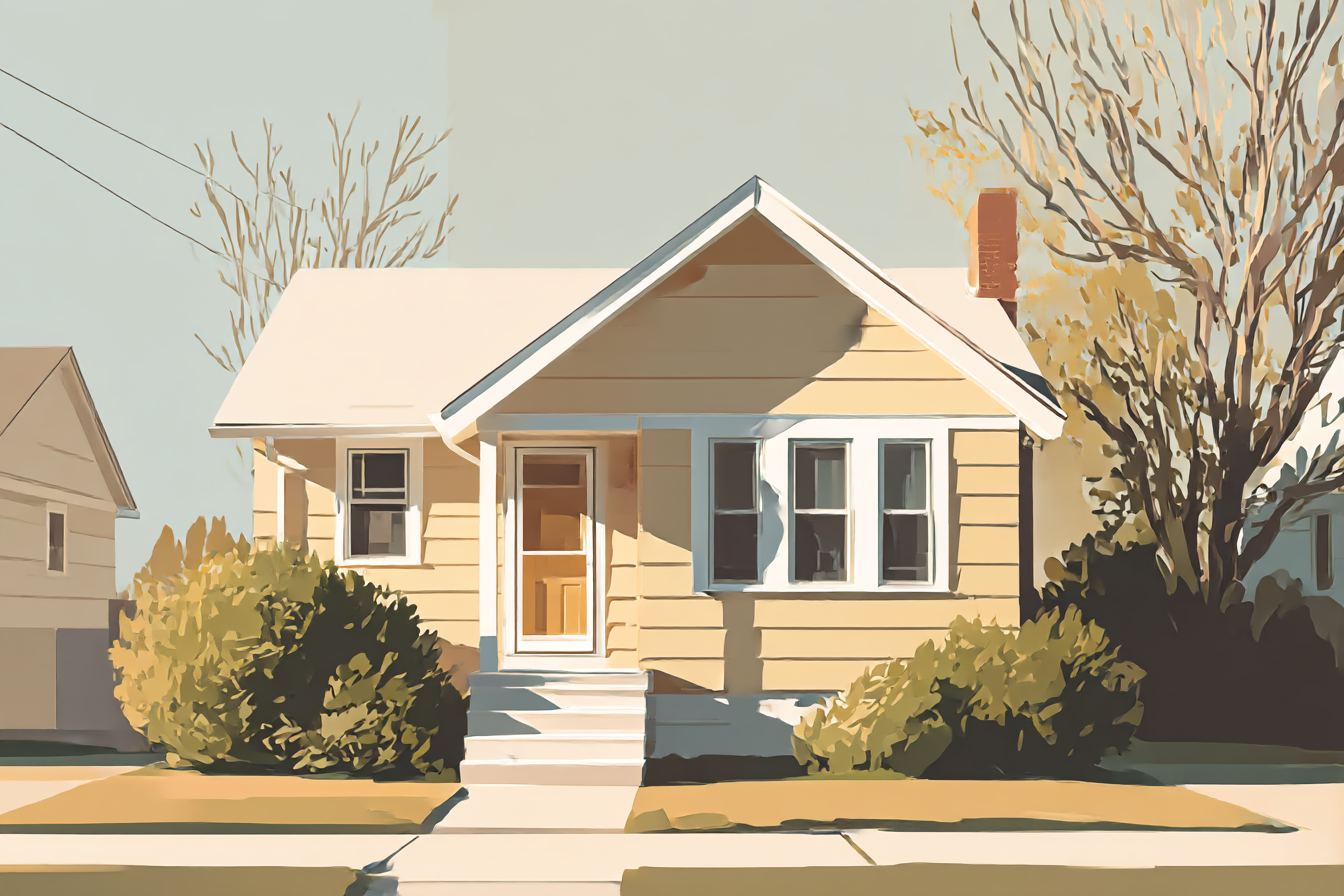
My neighbour Maria knocked on my door last Tuesday around 8 AM, still in her robe and clearly annoyed. “Sarah, I need you to look at something,” she said, marching me over to her tiny 950-square-foot ranch. “Everyone keeps telling me this place can’t be green because it’s too small, but I’m spending more on utilities than Janet down the street who has twice the space. That’s bullshit, right?”
She was absolutely right, and honestly, I was already mentally rolling up my sleeves. I’ve seen more environmental disasters in oversized homes than compact ones – at least Maria’s place had the advantage of not trying to heat and cool ridiculous amounts of unnecessary space.
Here’s the thing about small homes that drives me crazy when people dismiss them: they actually offer incredible advantages for sustainable design that most people completely miss.

But – and this is a big but – compact doesn’t automatically mean efficient. I’ve walked through plenty of tiny homes that were environmental nightmares despite their modest footprint.
I grabbed my thermal camera and spent that morning documenting what was wrong with Maria’s place. What I found was pretty typical of older small homes built before anyone cared about building science. Sure, the square footage was reasonable, but the building envelope was performing like garbage. Single-pane aluminium windows that leaked air like sieves. Wall insulation that was basically just wishful thinking. The bathroom had no exhaust fan, so moisture was migrating into the adjacent bedroom and creating mold problems. Her 1960s ranch might’ve been compact, but it was fighting our desert climate just as stupidly as any wasteful McMansion I’ve worked on.
The math works beautifully in your favour with smaller spaces, though. When Maria asked about upgrading her windows, I showed her the numbers and watched her face light up. Replacing eight windows instead of twenty costs less upfront, obviously. But more importantly, the impact of each improvement gets amplified. Better insulation in 950 square feet delivers way faster payback than the same investment spread across 2,500 square feet. Every dollar you spend on performance improvements affects a much larger percentage of your total living space.
I’ve watched people obsess over solar panels and fancy smart home systems while completely ignoring basic envelope improvements. That’s completely backwards thinking, especially in small homes. Maria’s house was hemorrhaging conditioned air so badly that adding solar would’ve been like putting premium gas in a car with holes in the fuel tank. We started with the unglamorous fundamentals: air sealing, proper insulation, and strategic ventilation.
The air sealing alone made a dramatic difference – like, Maria called me two days later amazed at how much quieter her house felt. Small homes often have proportionally more exterior wall area relative to floor space, which means more opportunities for air leakage per square foot. But it also means you can seal the entire envelope in a weekend if you’re systematic about it. I helped Maria caulk around every window, door, and penetration we could find. We weatherstripped her doors properly and sealed that attic access hatch that had been letting superheated air pour into her house all summer long.
Window replacement came next, though we were strategic about priorities. Not every window needed upgrading equally – something I learned the hard way on early projects where I treated all windows the same. Her two west-facing windows were absolute thermal disasters, sending waves of afternoon heat flooding into the house. Those got priority treatment with low-E glass and proper installation details. The north-facing bathroom window was way less critical, so we postponed that upgrade and spent the saved money on exterior shading for the problematic west side.
Small homes make creative solutions more viable in ways that surprise people. Maria’s narrow lot seemed like a limitation until we realised it was perfect for a simple evaporative cooling setup. We installed a small, efficient swamp cooler that could handle her compact space beautifully. In a larger home, the same unit would’ve been completely inadequate. But for 950 square feet in our dry climate? It provides excellent comfort at maybe a quarter of the energy cost of traditional air conditioning.
You Might Also Like
Material choices become way more impactful in small spaces too. When you’re only dealing with 950 square feet of flooring, you can afford higher-quality materials that would absolutely blow your budget in a larger home. Maria chose polished concrete floors that provide thermal mass for passive cooling while eliminating the need for carpet or wood that requires maintenance and eventual replacement. The upfront cost difference was basically negligible when spread across her small square footage.
I’ve noticed that people in small homes often feel this pressure to maximize every single inch, which sometimes works directly against sustainability goals. Maria’s original layout had furniture crammed against exterior walls, completely blocking natural ventilation paths we needed to establish. We rearranged things to create clear airflow channels from her cooler north side to the south windows, turning her supposedly cramped layout into an asset for passive cooling.
Lighting efficiency matters more in small homes than people realise, and it’s something I didn’t fully appreciate until I started working on more compact spaces. When you’re spending most of your time in just a few rooms, those rooms need to work perfectly. We replaced Maria’s old fixtures with high-quality LED systems that provided much better light distribution while using about 75% less energy. In a larger home, you might have guest rooms or formal spaces that barely get used. In a small home, every fixture gets regular use, so the efficiency gains really add up.
Storage solutions became sustainability opportunities, which was fun to figure out. Instead of adding square footage she didn’t need, we built thermal mass into her storage strategy. A masonry interior wall for shelving provided both organizational space and passive cooling benefits. The thermal mass absorbs heat during our brutal afternoons and releases it slowly at night, helping moderate temperature swings naturally.
Water heating efficiency gets amplified in small homes too. Maria’s old 50-gallon tank heater was massively oversized for her actual needs – I mean, she lives alone and takes quick showers. We replaced it with an on-demand unit that eliminated standby losses while providing unlimited hot water for her modest usage patterns. The space savings allowed us to properly insulate around her water lines, something that’s often impossible in cramped utility closets in larger homes.
One thing I always tell small home owners: don’t apologize for your size. Own the advantages. Maria’s compact footprint means her environmental impact is already lower than most homes before we even start making improvements. Every efficiency upgrade builds on that advantage. Her tiny yard is actually easier to landscape with native plants that require zero irrigation. Her modest roof area is perfect for a small solar array that can meet a significant portion of her now-reduced energy needs.
Six months after our improvements, Maria’s summer cooling bills dropped 65%.
Her home stays comfortable throughout our absolutely brutal Arizona summers with minimal energy input. She’s discovered that living in a small, efficient space isn’t about sacrifice at all – it’s about optimization and getting everything working properly.
Last week, her friend Janet with the larger house asked for my contact information. Turns out Maria’s tiny home is now more comfortable and costs way less to operate than the 2,100-square-foot place next door. Size isn’t destiny when it comes to sustainability – smart design and proper implementation matter infinitely more than square footage.
Compact green living isn’t about cramming sustainable features into small spaces like some kind of efficiency Tetris game. It’s about recognising that smaller spaces amplify the impact of good decisions while making those decisions more affordable and actually achievable. Maria’s place proves that environmental responsibility fits any size home when you approach it thoughtfully instead of just throwing money at trendy green gadgets.