Walking through the lobby of a Fortune 500 company last Tuesday, I couldn't help but notice how sterile everything felt. Polished marble floors, fluorescent lighting humming overhead, and not a single living thing in sight except for the exhausted-looking employees shuffling toward the elevators with their third cup of coffee. It reminded me exactly why I've become so passionate about what some people call "restorative office design" – though I honestly think that term sounds a bit too clinical for what we're really talking about here.
You know what struck me most about that building? Everyone looked… well, kind of grey. Not just their clothes (though there was definitely a sea of black and navy), but their actual complexion seemed drained. I've seen this pattern hundreds of times now, and it's not coincidence.
<blockquote>Three months ago, I had the chance to work with a mid-sized consulting firm here in Philadelphia.
Their CEO, Janet, called me after reading one of my articles about productivity improvements in nature-integrated workspaces. "Our people are burning out," she said during our initial phone call. "We've got high turnover, sick days through the roof, and honestly? The energy in our office feels… dead."</blockquote>
When I walked into their space for the first time, I immediately understood what she meant. Typical corporate setup – rows of cubicles under harsh fluorescent strips, conference rooms with no windows, and a break room that felt more like a hospital waiting area. The only "natural" element was a sad artificial ficus tree in the corner that someone had clearly given up watering months ago.
But here's what really caught my attention: their employee satisfaction surveys consistently showed the same complaints. People felt tired all the time, had trouble focusing, and – this is the part that always breaks my heart – many said they dreaded coming to work each morning. Not because of their actual job responsibilities, but because of how the space made them feel.
<img class="size-full" src="http://wonkydogltd.co.uk/medium/wp-content/uploads/2026/01/im1979_restore_office_design._ultra-realistichyper-detailed_p_4de56b85-7dc8-43a3-be49-5e42e4dc67ee_0.jpg" alt="im1979_restore_office_design._ultra-realistichyper-detailed_p_4de56b85-7dc8-43a3-be49-5e42e4dc67ee_0" />
I've been studying this stuff for over a decade now, and the research is pretty clear. Our brains are literally wired to respond positively to natural elements. When we're surrounded by concrete, artificial lighting, and synthetic materials for eight hours a day, it creates a kind of sensory deprivation that affects everything from our stress hormones to our ability to think creatively.
So we started small with Janet's team. I always do. You can't just tear down walls and install living walls overnight (though honestly, sometimes I wish you could). We began by maximizing the natural light they already had – removing heavy window treatments, repositioning workstations to face the windows instead of walls, and adding some strategically placed mirrors to bounce light deeper into the space.
The difference was immediate. Like, within a week, people were commenting on how much brighter everything felt. Not just literally brighter, but the whole mood shifted.
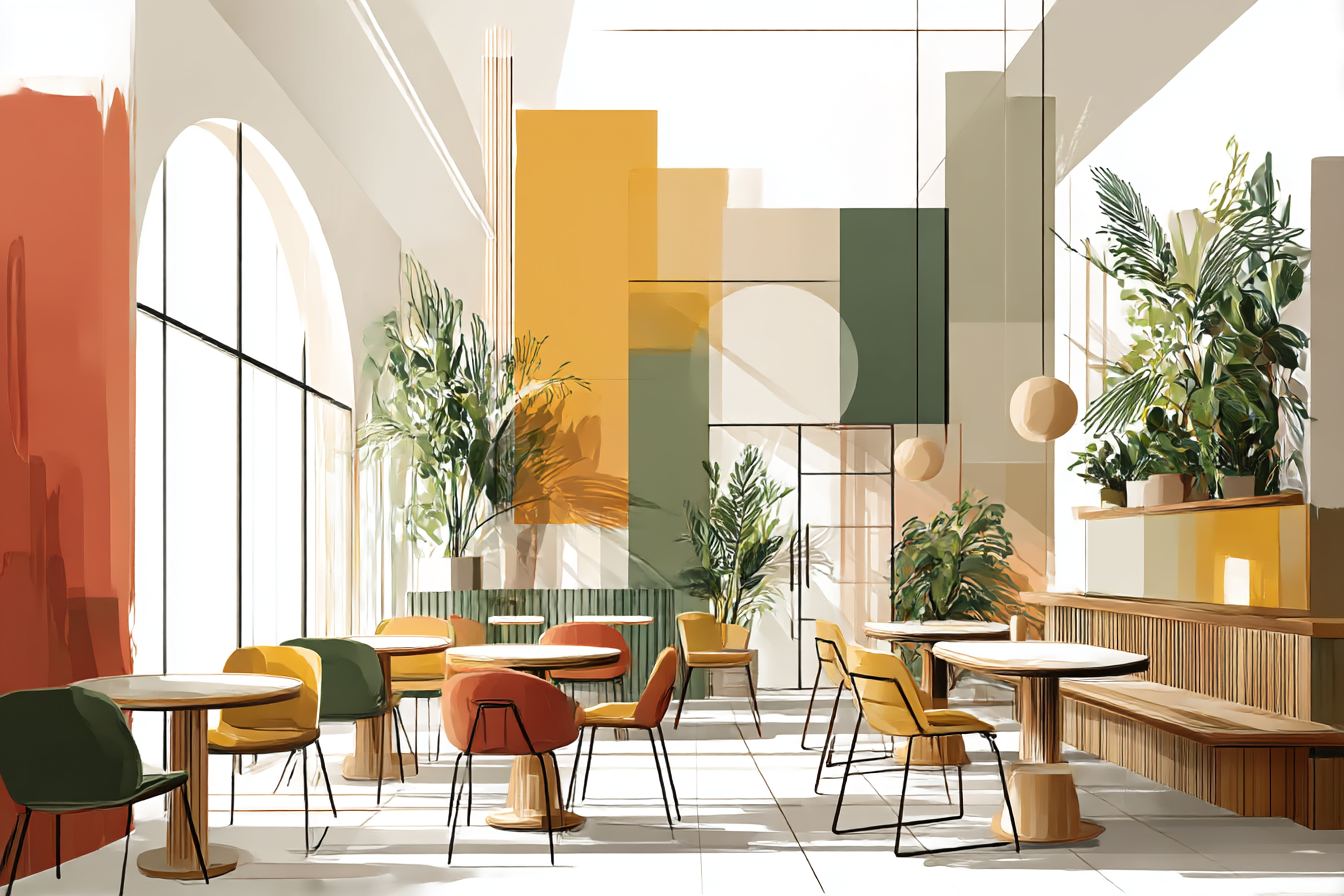
Next, we brought in plants. Real ones. I'm kind of obsessed with this part because I've tested dozens of species in my own apartment, and I know which ones can actually handle office conditions. We chose snake plants for the low-light areas (they're practically indestructible), pothos for the spaces with decent indirect light, and some beautiful fiddle leaf figs for the main common areas.
But here's where it gets interesting – we didn't just plop plants on desks and call it a day. We created what I call "micro-ecosystems" throughout the space. A small water feature near the entrance made from stacked river rocks and a simple recirculating pump. Natural wood elements – reclaimed barn wood for accent walls, live-edge shelving, bamboo desk accessories.
I even convinced them to swap out some of their synthetic carpet tiles for cork flooring in the main walkways. Cork feels completely different underfoot – warmer, more yielding – and it actually helps with acoustics too.
You Might Also Like
The transformation took about six weeks total. Nothing crazy expensive or complicated. We're talking maybe $15,000 for a 4,000 square foot office. Janet was skeptical about the ROI until she saw their quarterly metrics.
Sick days dropped by 28%. Employee satisfaction scores went up across every category. But the thing that really sold her? Their biggest client noticed the change during a site visit and specifically mentioned how much more "energized and creative" the team seemed.
I mean, think about it from an evolutionary perspective. Our ancestors spent their entire lives outdoors, surrounded by living systems. We've only been working in artificial environments for what, maybe 150 years? That's nothing in terms of human development. Our bodies and brains are still expecting natural inputs that most modern workplaces completely eliminate.
What I find fascinating is how different people respond to various natural elements. Some folks are immediately drawn to plants – they'll gravitate toward the green spaces, take their lunch breaks near the living walls. Others respond more to natural materials like wood and stone. I had one client who swore that adding a small indoor fountain to their office helped them focus better than any productivity app they'd ever tried.
Water features are actually amazing for office environments, by the way. The sound of moving water masks distracting background noise (way better than those white noise machines), and there's something about the visual movement that seems to reset your brain when you glance over at it. Plus, they add humidity to the air, which helps during winter months when heating systems make everything feel desert-dry.
I've started incorporating what I call "prospect and refuge" principles into office designs too. This comes from environmental psychology research showing that humans feel most comfortable when they can see out (prospect) while also having their backs protected (refuge). It's why everyone fights for the corner desk by the window – we're hardwired to prefer that positioning.
So now when I'm redesigning workspaces, I try to create multiple spots where people can position themselves with a view while feeling secure. Sometimes it's as simple as angling desks differently or adding low partitions with plants on top.
The lighting piece is huge too, though it's often overlooked.
Standard fluorescent or LED office lighting is usually way too harsh and doesn't change throughout the day like natural light does. Our circadian rhythms depend on those subtle shifts from cool morning light to warmer afternoon tones.
<img class="size-full" src="http://wonkydogltd.co.uk/medium/wp-content/uploads/2026/01/im1979_restore_office_design._ultra-realistichyper-detailed_p_4de56b85-7dc8-43a3-be49-5e42e4dc67ee_1.jpg" alt="im1979_restore_office_design._ultra-realistichyper-detailed_p_4de56b85-7dc8-43a3-be49-5e42e4dc67ee_1" />
I've been experimenting with circadian lighting systems that automatically adjust colour temperature throughout the day. They're getting more affordable, and the impact on people's energy levels is remarkable. No more 3 PM crashes when you're working under lighting that actually supports your natural rhythms.
<blockquote>What really excites me about this work is that it's not just about making offices prettier – though they definitely end up looking better. It's about creating environments that support human wellbeing and performance. When people feel better physically, they think more clearly, collaborate more effectively, and honestly just enjoy their work more.</blockquote>
Janet's company has become one of my favorite success stories because they went all-in on the concept. They've since expanded the program to their other locations and actually use their "restorative workspace" as a recruiting tool. Candidates comment on the environment during interviews, and several have said it influenced their decision to accept job offers.
That's the kind of change I'm working toward – making nature-connected workspaces so obviously beneficial that they become the standard rather than the exception.