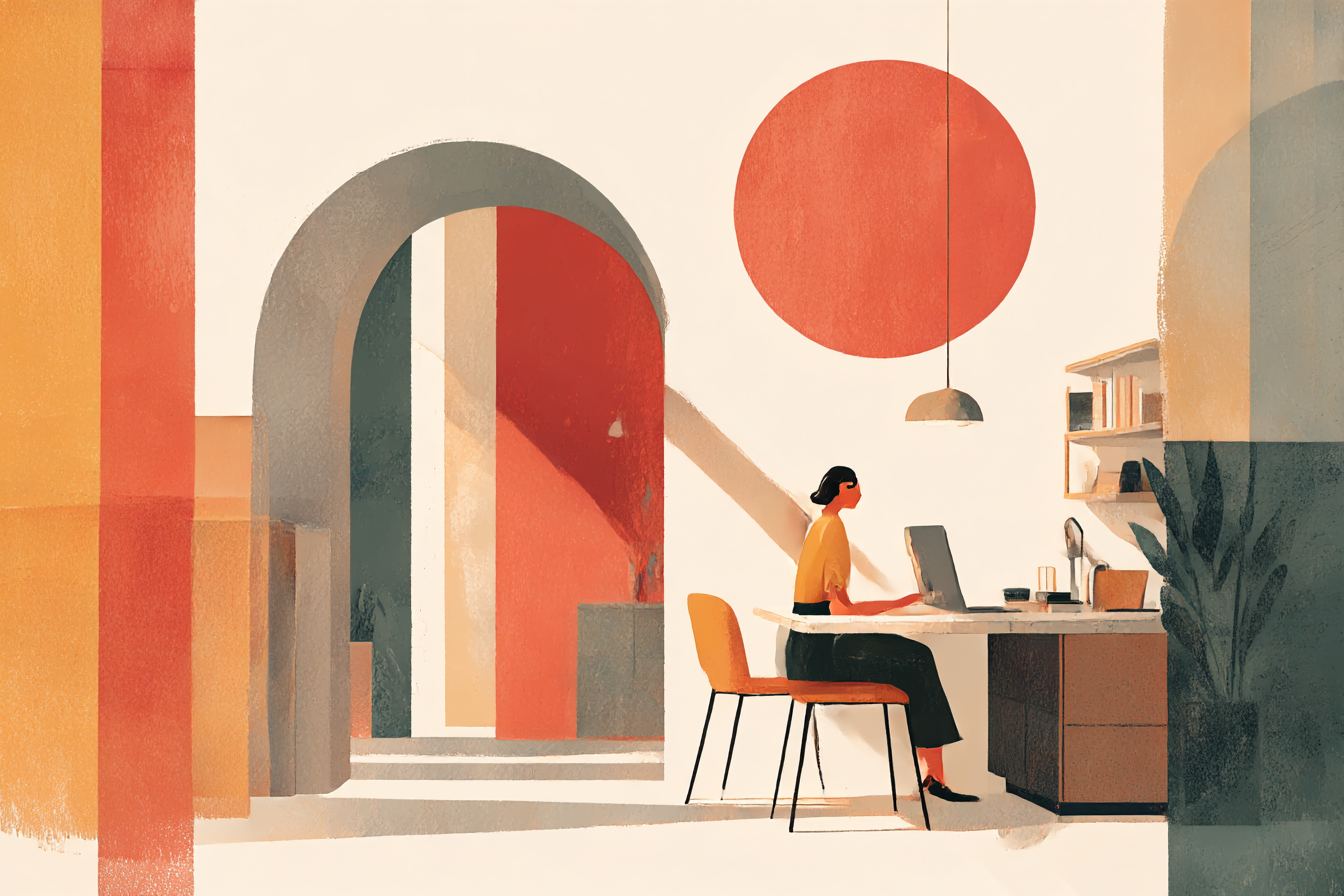
Three months ago, I walked into a corporate office in downtown Portland that literally made my skin crawl. I'm not being dramatic here – the combination of flickering fluorescent lights, beige everything, and that peculiar stale air that seems to permeate sealed buildings actually triggered a physical stress response. My heart rate spiked, I felt slightly nauseous, and I couldn't wait to get out. The irony? I was there to consult on employee wellness initiatives.
That experience reminded me why I'm so passionate about what I call restorative workplace design. You know, spaces that don't just avoid harming people but actively help them heal and thrive.
It's not about slapping a few plants in the corner and calling it "green" – though I've seen plenty of companies try that approach.
The science behind why that Portland office felt so awful is actually fascinating. Our nervous systems evolved in natural environments, and they're constantly scanning for threats. Artificial lighting that flickers at frequencies we can't consciously detect? Threat. Air that doesn't circulate naturally? Threat. Surfaces that reflect sound harshly because there's nothing soft or organic to absorb it? Major threat.
<blockquote>I've been tracking my own physiological responses to different work environments for about two years now using a basic heart rate variability monitor. The data is pretty remarkable. In spaces with natural materials, plants, and good daylighting, my stress markers consistently drop within fifteen minutes. My focus improves, my creativity spikes, and honestly, I just feel more… human.</blockquote>
Last year, I had the chance to work with a tech startup in Austin that was willing to be guinea pigs for some experimental approaches. Their original space was your typical converted warehouse – concrete floors, exposed metal ductwork, zero natural light. Productivity was terrible, turnover was high, and people complained constantly about headaches and fatigue.
<img class="size-full" src="http://wonkydogltd.co.uk/medium/wp-content/uploads/2026/01/im1979_restorative_workplace_interior_design._ultra-realistic_581fd789-94a7-4a43-94c1-ca014ebbf3f7_0.jpg" alt="im1979_restorative_workplace_interior_design._ultra-realistic_581fd789-94a7-4a43-94c1-ca014ebbf3f7_0" />
We didn't have a massive budget, so I had to get creative. First thing we tackled was light. Instead of expensive skylights or major electrical work, we installed a series of mirrors and light tubes that bounced daylight deeper into the workspace, applying many of the <a href="https://biophilicflair.com/incorporating-natural-light-in-biophilic-architecture-best-practices/">best practices of biophilic lighting design</a>. Cost maybe three thousand dollars total. The change was immediate – people stopped squinting at their screens, the afternoon energy crash virtually disappeared.
Then came the plants. But not just any plants. I'm talking about a carefully curated ecosystem designed to improve air quality while creating what I call "soft focus zones" – areas where your eyes can rest from screen glare. We used hanging gardens of pothos and philodendrons near workstations, larger floor plants like bird of paradise to create natural room dividers, and – this was my favorite part – a living moss wall in the main collaboration area, a solution similar to <a href="https://biophilicflair.com/green-roofs-and-vertical-gardens-elevating-urban-biophilic-architecture/">vertical garden systems in biophilic architecture</a>.
The moss wall was actually an accident that turned into genius. We'd planned for a traditional green wall system, but the installation got delayed and meanwhile, some naturally occurring moss started growing on the north-facing concrete wall where there was a small leak. Instead of removing it, we decided to work with it. We created a simple misting system and encouraged the moss to spread. The result? A completely organic, zero-maintenance wall covering that absorbs sound beautifully and creates this almost mystical quality of light.
But here's what really sold everyone on the approach – we started tracking sick days, productivity metrics, and employee satisfaction scores. Within six months, sick leave dropped by forty-two percent. Forty-two percent! The most dramatic change was in what people called "mental health days" – basically, days when people felt too stressed or burned out to come in. Those virtually disappeared.
You Might Also Like
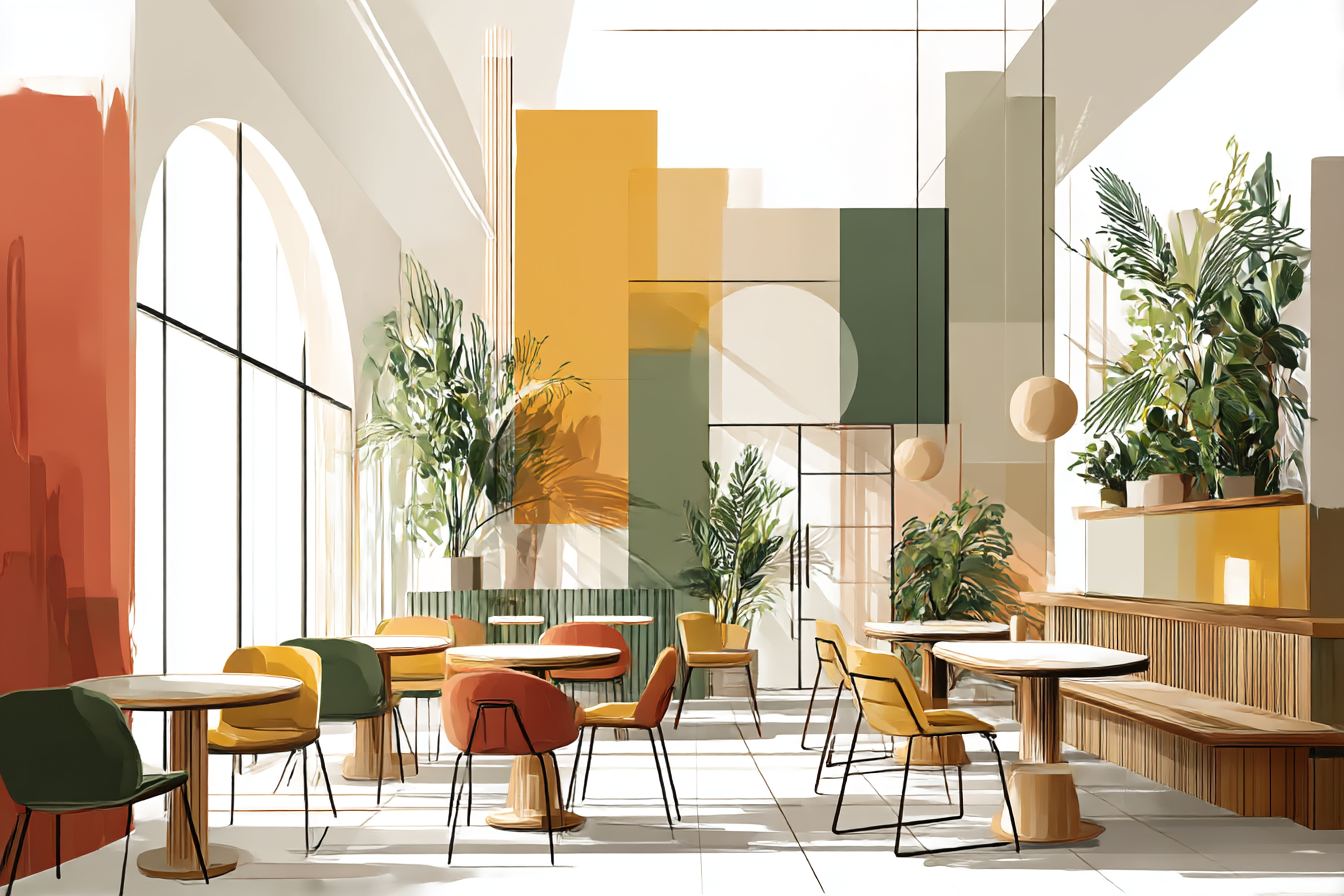
The productivity gains were subtler but significant. People reported feeling more creative during brainstorming sessions, especially in areas with views of plants or natural materials. Focus-intensive tasks improved most in spaces with natural lighting. And collaboration – meetings in the moss wall area averaged twenty-three minutes shorter than in the old conference room while producing more actionable outcomes.
I've noticed this pattern across multiple projects now. There's something about being surrounded by living systems that just… recalibrates our nervous system. Maybe it's the negative ions from plants. Maybe it's the way natural materials absorb and reflect sound differently than synthetic ones. Maybe it's just that our brains recognise we're in a safer, more nurturing environment.
One thing I've learned is that you can't fake biophilia. Those artificial plant walls or nature-themed wall graphics? They don't produce the same effects. Our brains are surprisingly good at distinguishing between real and simulated natural elements. I once worked with a company that insisted on using high-quality artificial plants because maintenance seemed simpler. Employee stress levels actually increased in spaces with fake greenery compared to no plants at all. Something about the uncanny valley effect, I think.
Water features are another game-changer, but they have to be done thoughtfully. The Austin startup installed a small fountain in their break area – just a simple stone bowl with recirculating water. The psychological impact was huge. People started taking actual breaks instead of eating lunch at their desks. Conversations happened more naturally. The gentle sound masked distracting office noise without being intrusive. It echoed findings I’d seen earlier while researching the <a href="https://biophilicflair.com/the-14-essential-patterns-of-biophilic-design-explained/">essential patterns of biophilic design</a>, where water is consistently cited as a powerful restorative element.
Texture matters too. We replaced their plastic chairs with ones that incorporated natural fibre cushions. Desk surfaces went from melamine to reclaimed wood (sealed properly for durability, of course). Even small changes like wooden pen holders instead of plastic ones, stone coasters, or ceramic mugs instead of paper cups – these tactile connections to natural materials accumulate into measurable wellness improvements.
The temperature control was trickier. Most office buildings maintain artificially constant temperatures, but our bodies actually function better with slight variations that mirror natural cycles. We couldn't override the main HVAC system, but we created subtle <a href="https://biophilicflair.com/the-role-of-microclimates-in-biophilic-design/">microclimates through biophilic design</a> using plants and natural materials that absorb and release heat differently throughout the day.
<img class="size-full" src="http://wonkydogltd.co.uk/medium/wp-content/uploads/2026/01/im1979_restorative_workplace_interior_design._ultra-realistic_581fd789-94a7-4a43-94c1-ca014ebbf3f7_1.jpg" alt="im1979_restorative_workplace_interior_design._ultra-realistic_581fd789-94a7-4a43-94c1-ca014ebbf3f7_1" />
Air quality became an obsession. Beyond the plants filtering toxins, we brought in salt lamps (yes, they actually work), used natural cleaning products exclusively, and established a no-synthetic-fragrance policy. Sounds extreme, but the difference was noticeable within weeks. Fewer headaches, less fatigue, better focus.
<blockquote>The most surprising discovery?
People's relationships with each other improved dramatically. I think when your nervous system isn't constantly fighting environmental stressors, you have more capacity for patience, creativity, and genuine connection. Team conflicts decreased, spontaneous collaboration increased, and people actually seemed to enjoy being at work.</blockquote>
I'm not saying every office needs to become a greenhouse – though honestly, that wouldn't be the worst thing. But integrating natural elements thoughtfully can transform workspaces from places that drain our life force into environments that actually restore and energize us. It's not just good for employees; it's good business. Lower turnover, fewer sick days, higher productivity, better collaboration – the ROI is pretty compelling when you actually measure it.
The Portland office I mentioned at the beginning? Six months later, they're planning a complete renovation inspired by <a href="https://biophilicflair.com/making-the-case-for-biophilic-design/">the case for biophilic design</a>. Sometimes it takes feeling truly awful in a space to appreciate how good design can make you feel genuinely well.