
My coffee had gone cold—again. I was hunched over my laptop at 2 PM on a Wednesday, trying to finish a design proposal that should've taken me two hours but had somehow stretched into its fourth. The fluorescent lights above were humming their usual tune, and honestly? I felt like garbage.
That's when it hit me. Here I was, preaching about the importance of nature-connected spaces, while working in what could only be described as a sensory deprivation chamber. My temporary office rental was basically a beige box with one small window facing a parking lot.

No plants, no natural light to speak of, and definitely no connection to anything remotely alive.
I'd been renting this space for three months while my regular home office was being renovated (long story involving a burst pipe and some questionable contractor decisions). The productivity difference was staggering. Not just the obvious stuff—I felt sluggish, uninspired, and found myself checking my phone every five minutes instead of focusing on work. But the real kicker? My client meetings in this space consistently ran shorter and felt more transactional. People seemed eager to leave.
<blockquote>This experience reminded me why I'm so passionate about what we call restorative workplace design. It's not just about making offices look prettier—though that's certainly a bonus. It's about creating environments that actually support how our brains and bodies function best.</blockquote>
I remember visiting a tech startup in Portland last year that had completely transformed their workspace using biophilic principles. The CEO, Sarah, had been dealing with high turnover rates and what she described as "constant low-level stress" among her team. Their original office was your typical tech setup—open floor plan, harsh lighting, lots of glass and steel. Very sleek, very modern, very… sterile.
<img class="size-full" src="http://wonkydogltd.co.uk/medium/wp-content/uploads/2026/01/im1979_restorative_workplace_design._ultra-realistichyper-det_47d9c3d1-c2a1-4c23-b393-110389c7816b_0.jpg" alt="im1979_restorative_workplace_design._ultra-realistichyper-det_47d9c3d1-c2a1-4c23-b393-110389c7816b_0" />
The transformation wasn't dramatic in the Instagram-worthy sense. They didn't tear down walls or install living walls (though those can be great when budget allows). Instead, they focused on what I call "strategic naturalism"—small changes that deliver outsized impacts.
First, they tackled the lighting situation. Those brutal overhead fluorescents got replaced with adjustable LED panels that mimicked natural light cycles throughout the day. Cooler, brighter light in the morning, warmer tones as afternoon approached. Within two weeks, Sarah told me people were commenting on sleeping better at night. Turns out, our circadian rhythms really don't appreciate being blasted with the same harsh light for eight straight hours.
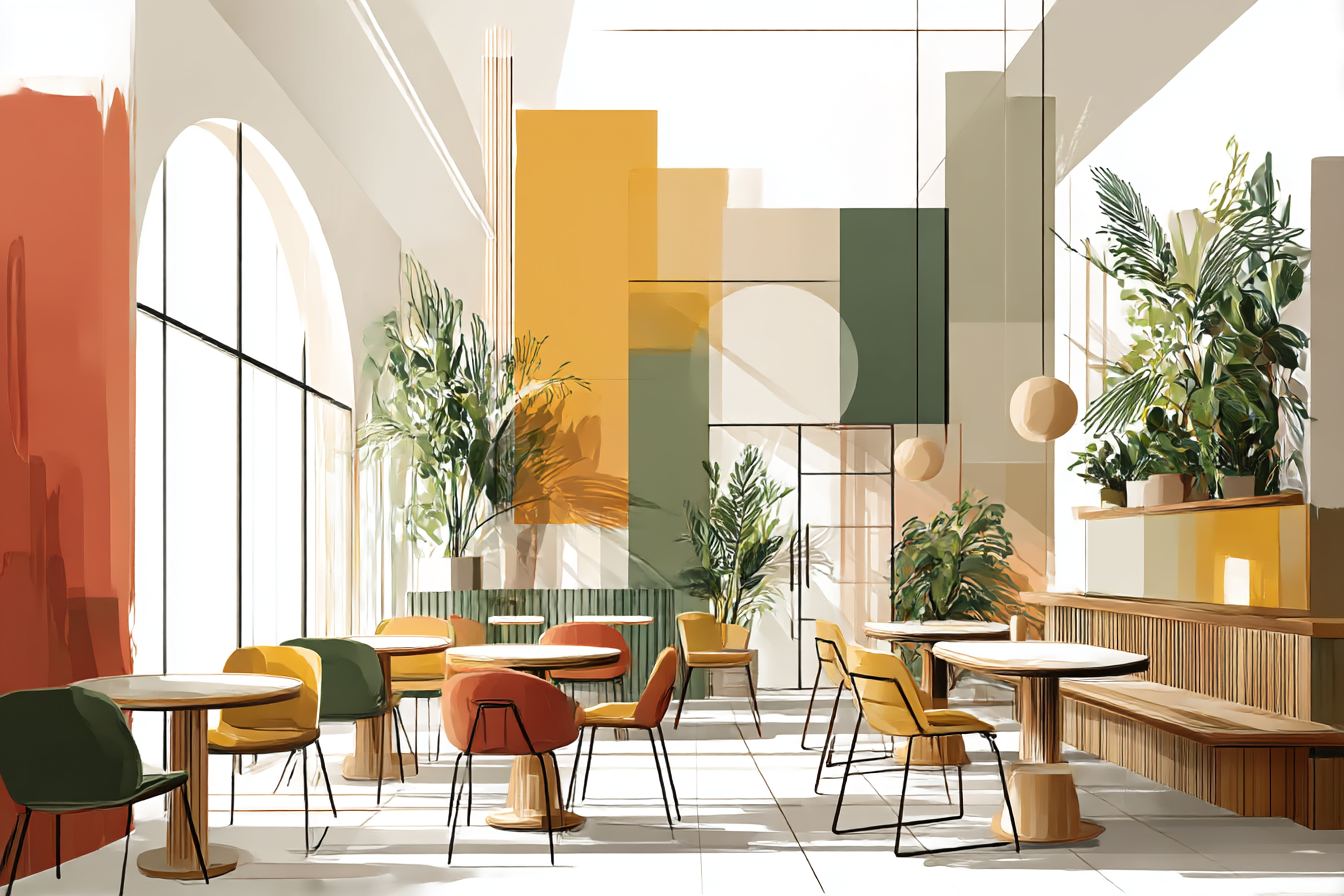
Next came the plants. But not just any plants—we selected species based on their air-purifying qualities and low-maintenance requirements. Snake plants for the darker corners, pothos trailing from elevated shelves, and some gorgeous fiddle leaf figs near the windows. The key was creating what I call "sight lines to green"—making sure every workstation had at least one living thing within their peripheral vision.
They also introduced natural materials wherever possible. Those cold metal desk surfaces got topped with bamboo desk pads. They brought in a few live-edge wooden conference tables (found some great pieces from a local carpenter who works with reclaimed wood). Even small touches like stone paperweights and cork bulletin boards helped create tactile connections to natural materials.
The water element was perhaps the most surprising success. Sarah was initially skeptical about my suggestion for a small fountain near the main collaboration area. "Won't it be distracting?" she asked. Actually, the opposite happened. The gentle white noise masked distracting conversations and seemed to create a more peaceful atmosphere overall. People started gravitating toward that area for informal meetings and quick brainstorming sessions.
Six months later, Sarah sent me their internal survey results. Employee satisfaction scores had jumped 31%. Sick days decreased noticeably. But here's the really interesting part—their client retention rates improved too. People were spending more time in the office during meetings, and several clients specifically mentioned how "comfortable and welcoming" the space felt.
You Might Also Like
This isn't just feel-good stuff, by the way. There's solid research backing up these observations. Studies consistently show that exposure to natural elements reduces cortisol levels, improves cognitive function, and enhances creativity. One fascinating study from the University of Melbourne found that even a 40-second glance at a green roof improved focus and accuracy on subsequent tasks.
I've seen similar transformations in healthcare settings, where the stakes feel even higher. A pediatric clinic I worked with last year was struggling with patient anxiety and staff burnout. We introduced nature views wherever possible, brought in plenty of plants, and created what we called "micro-gardens"—small planted areas that patients could see from examination rooms. The difference was remarkable. Kids were calmer, parents were less stressed, and the staff reported feeling more energized throughout their shifts.
The challenge, honestly, is getting past the initial resistance. I can't tell you how many times I've heard "but what about maintenance?" or "plants die, then what?" These are fair concerns, but they're often based on misconceptions about what modern biophilic design actually involves.
You don't need a full-time horticulturist to maintain office plants. Many species thrive with minimal care—watering once a week, occasional pruning, done. And if a plant does die? Replace it. We wouldn't avoid having computers because they occasionally break.
Budget concerns are legitimate too, but many restorative design elements cost less than you'd expect. Good lighting pays for itself through energy savings. Plants are remarkably affordable, especially when you consider their longevity. Natural materials often last longer than synthetic alternatives.
The key is starting small and building gradually. Maybe begin with improving lighting in one area and adding plants to a few key locations. See how people respond. In my experience, once employees notice the difference, they become champions for expanding these elements throughout the workspace.
I've also learned that involving employees in the process makes a huge difference. When people help choose plants or natural materials, they develop ownership over the space. They're more likely to care for the plants and appreciate the changes.
<img class="size-full" src="http://wonkydogltd.co.uk/medium/wp-content/uploads/2026/01/im1979_restorative_workplace_design._ultra-realistichyper-det_47d9c3d1-c2a1-4c23-b393-110389c7816b_1.jpg" alt="im1979_restorative_workplace_design._ultra-realistichyper-det_47d9c3d1-c2a1-4c23-b393-110389c7816b_1" />
Right now, I'm working with a law firm that wants to address what their managing partner calls "the three o'clock wall"—that afternoon energy crash that kills productivity. We're implementing circadian lighting, creating a small meditation garden on their terrace, and introducing natural textures throughout their conference rooms.

It's still early, but initial feedback is promising.
<blockquote>The pandemic really accelerated interest in this approach. People spent months in their homes, many of them poorly designed for full-time work. They experienced firsthand how their physical environment affected their mood, energy, and productivity. Now they're returning to offices with higher expectations for what their workplace should provide.</blockquote>
That terrible rented office space I mentioned? I moved out early, ate the penalty fee, and set up a temporary workspace in a local botanical conservatory that rents space to freelancers. The difference was immediate and profound. Better focus, more creative ideas, and honestly? I just felt happier being there.
That's what restorative workplace design is really about—creating spaces where people don't just survive their workday, but actually thrive within it.