Walking into my corporate client's downtown Philadelphia office last Tuesday felt like stepping into a sensory deprivation chamber. Fluorescent lights hummed overhead, casting that familiar greenish tint that makes everyone look vaguely ill. The walls were beige – not even an interesting beige, just… beige. And the smell? That distinct combination of carpet cleaner, recycled air, and despair that seems to permeate so many office buildings.
The CEO had called me in because their employee satisfaction scores were tanking, sick days were through the roof, and they couldn't figure out why their expensive "open office redesign" from three years ago wasn't delivering the promised productivity boost. I mean, honestly?
One look around and the problem was glaringly obvious.
<blockquote>Here's what drives me crazy about traditional office design – it actively works against how humans are wired. We evolved over millennia in natural environments, yet we stick people in windowless boxes filled with synthetic materials and wonder why they're miserable. It's like putting a fish in a concrete tank and being surprised when it doesn't thrive.</blockquote>
I've been experimenting with restorative office design for nearly a decade now, ever since I renovated my own workspace during the pandemic. The transformation was so dramatic that neighbours started asking if I'd moved. Same apartment, completely different energy. And that's when I realised we'd been approaching workplace wellness backward – instead of treating symptoms with yoga classes and meditation apps, why not address the root cause? The environment itself.
The science behind this isn't new, you know. Rachel Kaplan's research in the 1980s showed that office workers with window views of nature reported higher job satisfaction and fewer headaches. But somehow we've ignored this data for forty years, opting instead for motivational posters and ergonomic chairs. Don't get me wrong – good seating matters. But it's not going to fix the fundamental problem of environments that drain rather than restore human energy.
<img class="size-full" src="http://wonkydogltd.co.uk/medium/wp-content/uploads/2026/01/im1979_restorative_office_design._ultra-realistichyper-detail_21a355bb-2522-4fcc-8a86-cb181bc76086_0.jpg" alt="im1979_restorative_office_design._ultra-realistichyper-detail_21a355bb-2522-4fcc-8a86-cb181bc76086_0" />
My approach starts with light, because… well, we're basically elaborate plants. Seriously. Our circadian rhythms, hormone production, mood regulation – all tied to light exposure. Yet most offices rely on static fluorescent lighting that bears zero resemblance to the sun. I worked with one company last year where employees were literally taking vitamin D supplements because they got so little natural light. The irony wasn't lost on me.
The solution doesn't have to be complicated. In that Philadelphia office, we started by removing tinted window film that was blocking 60% of available daylight. Instant improvement. Then we introduced circadian lighting systems – LEDs that shift colour temperature throughout the day, mimicking natural sunlight patterns. Cool, energizing light in the morning, warmer tones as evening approaches. The difference in employee alertness and sleep quality was measurable within two weeks.
But light is just the beginning. Materials matter enormously, though most people don't realise it. I bring wood samples to client meetings now because the reaction is always the same – people instinctively reach out to touch them, and their shoulders visibly relax. There's actual research showing that handling natural materials reduces cortisol levels and lowers blood pressure. It's not psychological; it's physiological.
You Might Also Like
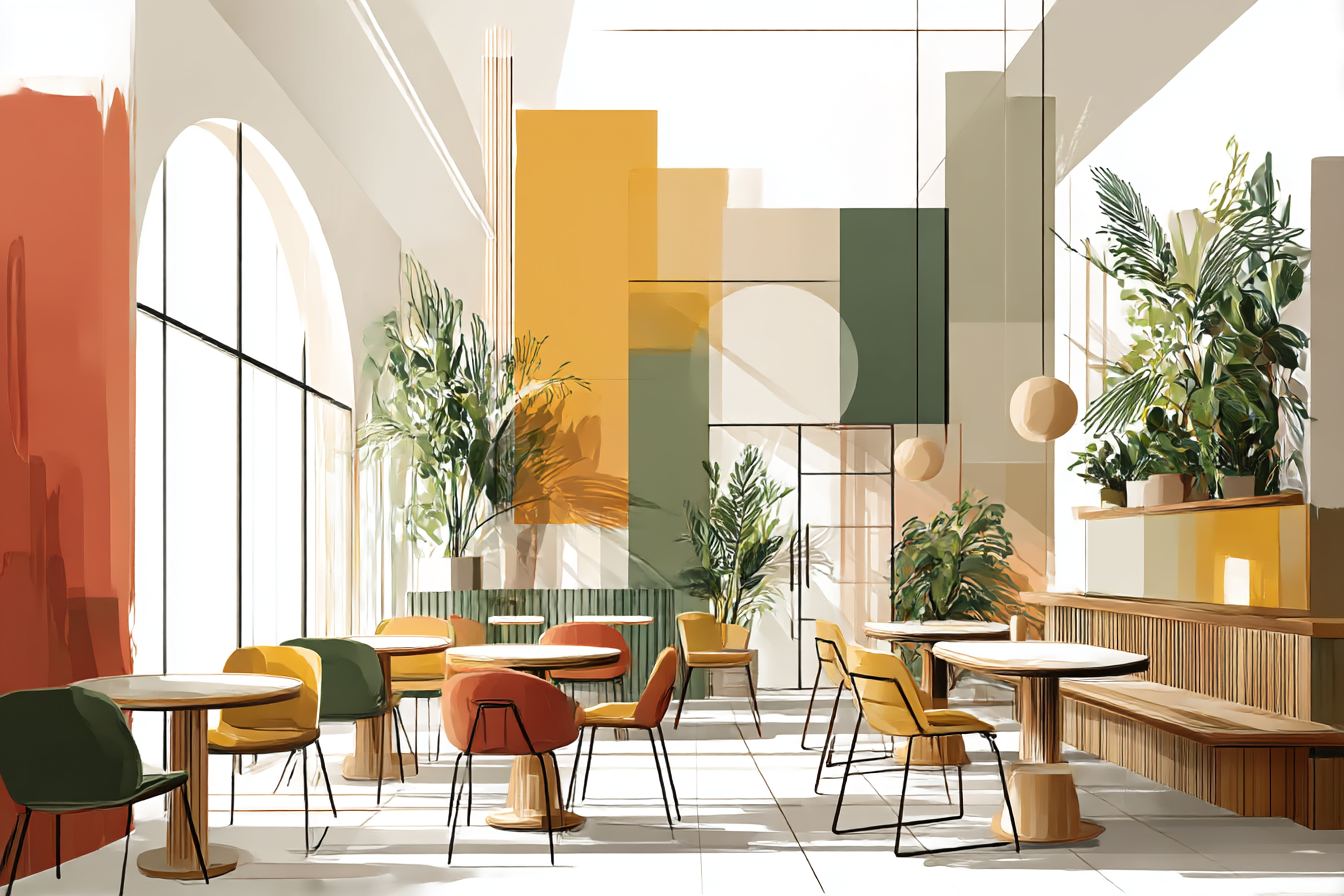
One of my favorite success stories involved a tech startup in Denver. Their original office looked like something out of a sci-fi movie – all glass, steel, and white surfaces. Beautiful in photographs, soul-crushing in reality. We introduced reclaimed wood accent walls, bamboo desk surfaces, and stone elements in common areas. Nothing drastic, just strategic insertions of natural materials. Employee retention improved by 30% that year, and they attributed most of it to the office redesign.
Plants are the obvious addition, right? But here's where most companies mess up – they treat plants like decorations instead of functional elements. A sad ficus in the corner isn't going to do much. You need strategic placement, appropriate species selection, and – this is crucial – someone who actually knows how to keep them alive. Dead plants are worse than no plants at all.
I've developed what I call the "breathing room" approach. Instead of scattered individual plants, we create concentrated green zones with clusters of air-purifying species. Snake plants and pothos for low-light areas, peace lilies and rubber trees where there's more brightness. The goal isn't just visual appeal – though that matters – but actual air quality improvement and the psychological benefits of being near living systems.
Water features might sound excessive for an office, but the impact is remarkable. I'm not talking about elaborate fountains – even a simple desktop water element can mask disruptive noise while providing negative ions that actually improve air quality. There's something primal about the sound of moving water that calms our nervous system. I noticed this effect first in that Singapore hotel where I used to study – productivity just felt different near the water features.
The resistance I encounter usually centres on maintenance concerns. "What if the plants die? Who's going to water everything? What about allergies?" Valid questions, but solvable problems. I always recommend starting small – maybe one well-designed green wall or a few carefully chosen low-maintenance plants. Success breeds enthusiasm, and before you know it, people are volunteering to help with plant care. I've seen the most buttoned-up finance teams become passionate about their office garden.
<img class="size-full" src="http://wonkydogltd.co.uk/medium/wp-content/uploads/2026/01/im1979_restorative_office_design._ultra-realistichyper-detail_21a355bb-2522-4fcc-8a86-cb181bc76086_1.jpg" alt="im1979_restorative_office_design._ultra-realistichyper-detail_21a355bb-2522-4fcc-8a86-cb181bc76086_1" />
Colour psychology plays a huge role too, though it's often misunderstood. Those beige walls I mentioned earlier? They're not neutral – they're actively draining. Natural colour palettes – earth tones, sage greens, warm browns – create a foundation that doesn't fight against our visual system. Then you can add pops of biophilic blues and greens that research shows enhance focus and creativity.
<blockquote>Views matter enormously, even if they're not perfect.
That Philadelphia office had windows facing a parking lot, but we used strategic mirror placement and interior landscaping to create the illusion of depth and nature connection. Sometimes it's about working with what you have rather than lamenting what you don't.</blockquote>
The bottom line? Humans aren't designed for sterile, disconnected environments. We function better – physically, mentally, emotionally – when surrounded by elements that connect us to the natural world. And the beautiful thing about restorative office design is that it's not just good for employees; it makes financial sense. Reduced sick days, lower turnover, increased productivity – the ROI typically pays for itself within eighteen months.
That Philadelphia client? Six months after our renovation, their employee satisfaction scores jumped 40%, sick days dropped by a third, and they're expanding to implement similar changes in their satellite offices. Sometimes the simplest solutions are the most powerful ones.