
Walking through the cardiac wing of Boston Children's Hospital last month, I couldn't help but notice how different it felt from the sterile medical facilities I'd grown accustomed to during my consulting work. The walls weren't that institutional beige-green that seems mandatory in healthcare design. Instead, soft earth tones flowed seamlessly into areas where actual living walls created pockets of calm. Kids weren't crying as much. Parents looked… well, less haggard.
It got me thinking about something I've been wrestling with for years – why do we design healing spaces that feel so divorced from the very elements that help us heal? I mean, we've got decades of research showing how nature connections speed recovery, yet most medical facilities still feel like they're actively working against our biology.
<blockquote>The whole thing started clicking for me about three years ago when I was recovering from a pretty nasty bike accident (don't ask – it involved a pothole, a delivery truck, and my stubborn refusal to wear proper protective gear).

I spent five days in a windowless room at Presbyterian Hospital, staring at fluorescent lights that hummed constantly and walls the colour of… honestly, I'm not sure what colour you'd call that. Institutional despair?</blockquote>
My recovery dragged. Sleep was nearly impossible. The nurses kept commenting on how agitated I seemed compared to their other patients. Then on day four, they moved me to a different room – one with this massive window overlooking a small courtyard garden. The change was immediate. I slept better that first night than I had the entire stay. My pain levels dropped noticeably. Even the food tasted better, which is saying something for hospital cuisine.
That experience sent me down this rabbit hole of research into what we're now calling restorative medical design. Turns out, there's this incredible body of work showing how thoughtful integration of natural elements doesn't just make healthcare spaces prettier – it actually accelerates healing, reduces medication needs, and improves outcomes across the board.
<img class="size-full" src="http://wonkydogltd.co.uk/medium/wp-content/uploads/2026/01/im1979_restorative_medical_design._ultra-realistichyper-detai_103ed6f2-c6e4-4de9-b2e3-55679ac74909_0.jpg" alt="im1979_restorative_medical_design._ultra-realistichyper-detai_103ed6f2-c6e4-4de9-b2e3-55679ac74909_0" />
Take the work they've been doing at Maggie's Centres in the UK. These cancer care facilities are designed around this radical idea that the physical environment should actively support healing rather than just house medical equipment. They use natural light strategically, incorporate living plants throughout patient areas, and create seamless transitions between indoor and outdoor spaces. The results? Patients report significantly lower anxiety levels, staff turnover drops dramatically, and healing times improve measurably.
I've been lucky enough to consult on a few projects that are pushing these boundaries here in the States. There's this amazing pediatric oncology centre in Portland where we integrated a living wall system right into the treatment areas. Not some token planter in the lobby – actual vegetation that kids can see and smell during their chemotherapy sessions. The maintenance team was terrified initially (what about infections? what about water damage?), but the results spoke for themselves. Treatment compliance increased by nearly 30%, and the facility reported the lowest staff burnout rates in their network.
The science behind this isn't mysterious. Our stress response systems evolved over millennia in natural environments. When we're surrounded by concrete and artificial lighting, our bodies stay in a heightened state of alert that interferes with healing processes. Natural elements – even simple things like wood grain patterns or views of trees – trigger parasympathetic responses that allow our systems to shift into recovery mode.
One of my favorite examples is this rehabilitation centre in Minneapolis that redesigned their physical therapy areas around biophilic principles. They replaced standard gym equipment with exercise stations positioned around a central garden atrium. Patients doing their exercises could watch seasonal changes, hear water features, and breathe air filtered naturally by plants. Recovery times decreased by an average of 18 days compared to their previous facility. Insurance companies started taking notice.
You Might Also Like
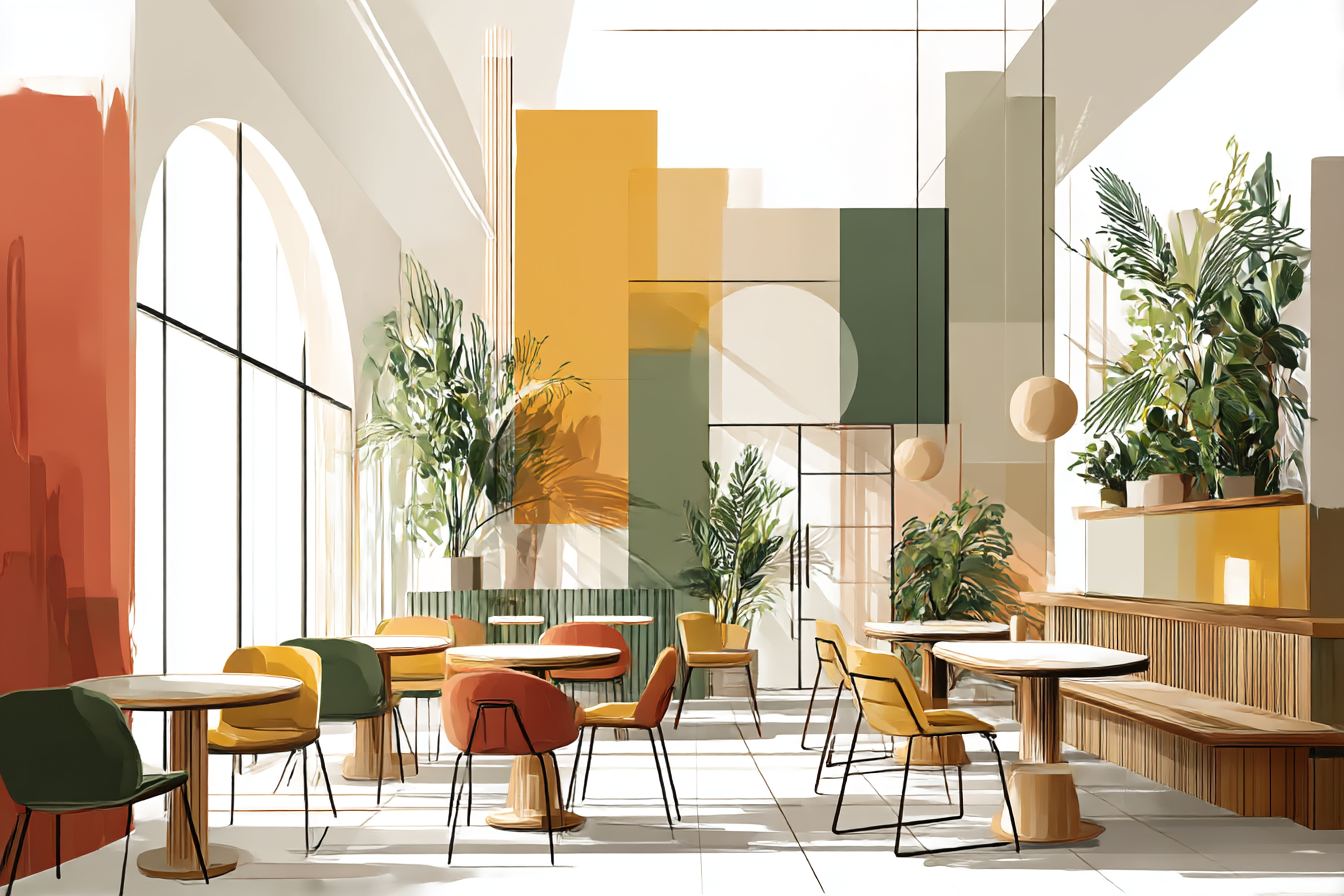
But here's where it gets frustrating – implementing these ideas runs headfirst into healthcare regulations that seem designed to eliminate any trace of nature from medical settings. I spent six months working with a team in Chicago trying to get approval for a simple herb garden that dementia patients could tend to during their therapy sessions. The approval process involved seventeen different departments and cost more in consulting fees than the actual garden installation.
The infection control protocols are particularly challenging. I get it – patient safety is paramount. But we've swung so far toward sterile environments that we're actually compromising healing outcomes. There are ways to incorporate natural elements safely (proper drainage, species selection, maintenance protocols), but it requires rethinking standard practices.
I've started focusing on what I call "stealth biophilia" – interventions that deliver natural connection benefits without triggering regulatory red flags. Circadian lighting systems that mimic natural daylight cycles. Sound masking that uses recorded nature sounds instead of white noise. Flooring materials with natural texture patterns that provide sensory grounding without introducing maintenance complications.
The economics are starting to shift in our favour. A recent study from the University of Pennsylvania showed that hospitals incorporating biophilic design elements saw average length-of-stay reductions of 2.3 days per patient. When you're talking about daily room rates of $2,000+, those savings add up fast. Suddenly, spending extra on living walls and natural lighting systems becomes a no-brainer financial decision.
What really gets me excited is watching how staff respond to these environments. I consulted on an emergency department renovation in Austin where we managed to incorporate natural materials, optimize daylight, and create small respite areas with plants throughout the facility. Six months post-renovation, they reported a 40% reduction in staff sick days and their first-ever improvement in job satisfaction scores.
The patients notice too, obviously. But it's often subtle. Family members stay longer, which improves emotional support for patients. Conversations happen more naturally in areas with natural elements. Kids are less resistant to procedures when they're surrounded by environments that don't scream "medical facility."
<img class="size-full" src="http://wonkydogltd.co.uk/medium/wp-content/uploads/2026/01/im1979_restorative_medical_design._ultra-realistichyper-detai_103ed6f2-c6e4-4de9-b2e3-55679ac74909_1.jpg" alt="im1979_restorative_medical_design._ultra-realistichyper-detai_103ed6f2-c6e4-4de9-b2e3-55679ac74909_1" />
I think we're at this tipping point where the evidence has become too overwhelming to ignore.

Healthcare administrators who used to dismiss biophilic design as "nice to have" are starting to see it as essential infrastructure. Medical schools are beginning to teach environmental psychology alongside traditional clinical subjects.
<blockquote>There's still work to do. We need better research on which specific interventions deliver the biggest impact for different patient populations. We need streamlined approval processes that don't require months of bureaucracy for basic improvements. And we need to address equity issues – ensuring that nature-integrated healing environments aren't just available in wealthy communities.</blockquote>
But when I walk through facilities like that Boston children's hospital, seeing kids playing in healing gardens between treatments, watching families gather in spaces that feel more like parks than medical buildings, I'm reminded why this work matters. We're not just designing prettier hospitals. We're creating environments that work with human biology instead of against it, supporting our fundamental need for connection with the natural world even during our most vulnerable moments.
The future of healthcare design isn't about choosing between medical functionality and natural connection. It's about recognising that supporting our biological relationship with nature is itself a medical intervention – one that's been hiding in plain sight all along.