
Walking through the hallways of my daughter's elementary school last Tuesday, I couldn't shake this feeling that something was fundamentally wrong with the environment. The fluorescent lights buzzed overhead like angry insects, casting that sickly blue-white glow that makes everyone look vaguely unwell. The walls were painted in what I can only describe as "institutional beige" – you know, that colour that somehow manages to be both depressing and aggressive at the same time.
Maya had been complaining about headaches during her math block, and after spending twenty minutes in that windowless classroom, I understood why. The air felt stale, almost recycled, and there wasn't a single living thing in sight except for a sad plastic ficus tucked in the corner that fooled absolutely no one.
<blockquote>That visit got me thinking about something I'd been researching for months – this concept that's been quietly revolutionizing how we think about learning spaces. It's not just about making classrooms prettier (though that's a nice side effect). It's about creating environments that actually help kids' brains function better.</blockquote>
I've been working with three different school districts over the past year, and the differences between traditional classrooms and what I call "restorative learning environments" are honestly shocking.

When I say restorative, I'm talking about spaces that help students recover from mental fatigue, reduce stress, and naturally enhance their ability to focus and learn.
The science behind this isn't new – researchers have been studying attention restoration theory since the 1980s. But what's new is how we're applying these principles to classroom design. The basic idea is that our brains have two types of attention: directed attention (the kind you use to solve math problems) and involuntary attention (what happens when you watch clouds drift across the sky). Directed attention gets exhausted pretty quickly, especially in kids. But natural environments trigger involuntary attention, which actually helps restore our capacity for focused thinking.
<img class="size-full" src="http://wonkydogltd.co.uk/medium/wp-content/uploads/2026/01/im1979_restorative_learning_design._ultra-realistichyper-deta_01bd69ae-7005-4ef1-8d5b-ca17d55628c3_0.jpg" alt="im1979_restorative_learning_design._ultra-realistichyper-deta_01bd69ae-7005-4ef1-8d5b-ca17d55628c3_0" />
I saw this play out dramatically at Jefferson Elementary in Portland last spring. They'd renovated one fourth-grade classroom as a pilot project, incorporating large windows with views of mature oak trees, living plant walls along one side, and natural wood surfaces instead of the standard laminate everything. The difference in student behavior was immediate and measurable.
Mrs. Rodriguez, who'd been teaching for fifteen years, told me she'd never seen anything like it. "The kids just seemed… calmer," she said. "And not in a sleepy way, but in a focused way. They could sustain attention on tasks longer, and transitions between activities became so much smoother."
The test scores backed up her observations. Reading comprehension improved by an average of 12% compared to the control classroom down the hall. But more importantly – and this is what really got my attention – disciplinary incidents dropped by 40%. Kids weren't acting out as much because they weren't as mentally fatigued and overstimulated.
Natural light makes a huge difference too. I mean, we've all experienced that 3 PM slump in windowless conference rooms, right? Kids experience this even more intensely because their circadian rhythms are still developing. When classrooms have adequate natural light – and I'm talking about real sunlight, not those "full spectrum" bulbs that cost a fortune – students stay more alert throughout the day.
You Might Also Like
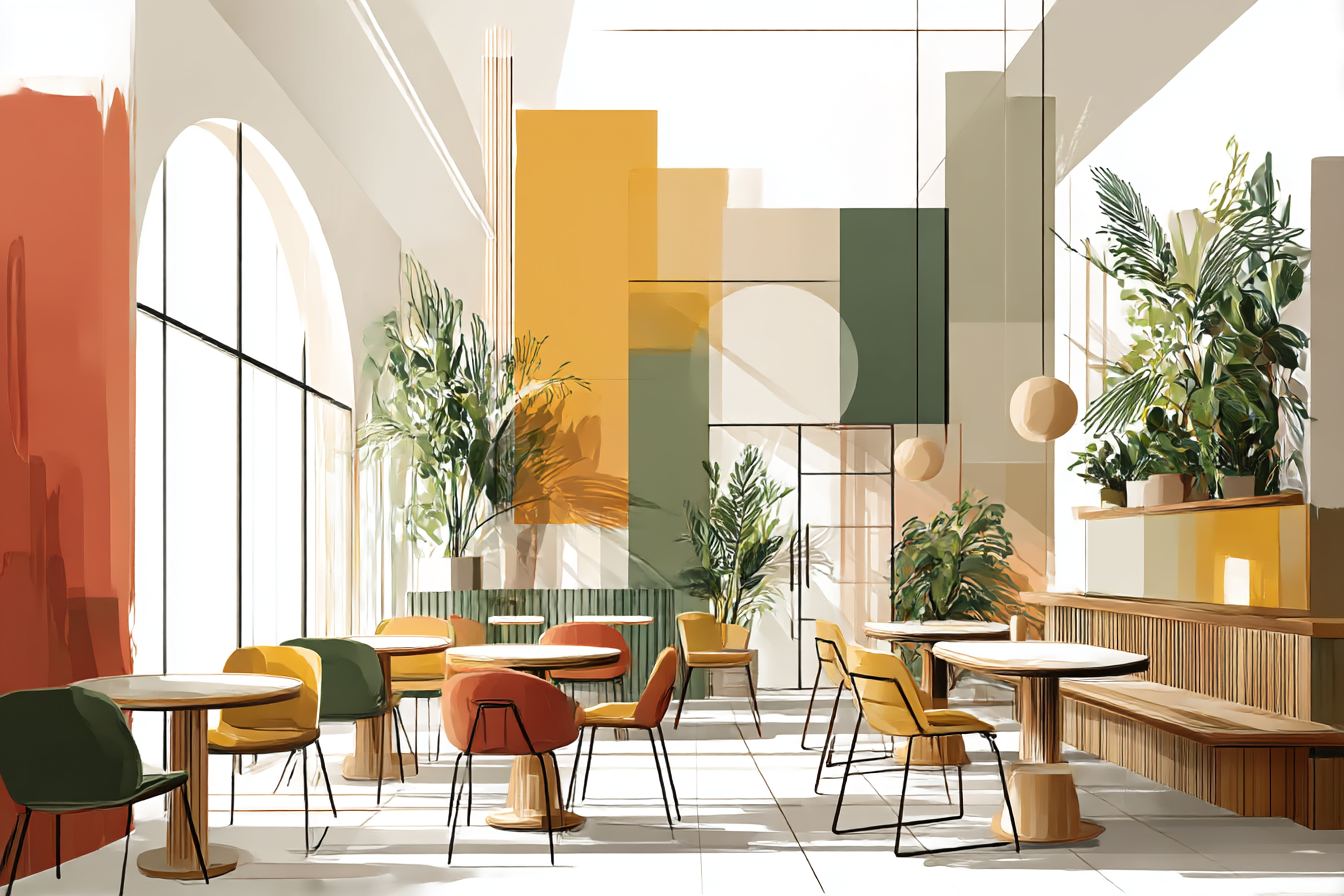
There's this one classroom I helped design in Sacramento where we positioned the teacher's main instruction area so students would naturally gaze toward large windows during lessons. Instead of staring at a blank wall while listening, they'd see the seasonal changes of the courtyard garden outside. Teachers worried this would be distracting, but the opposite happened. The gentle movement of leaves and subtle changes in light actually helped students maintain attention longer.
Plants are another game-changer, though you have to be strategic about it. You can't just throw a few pothos around the room and call it biophilic design. I've found that certain plants work better than others in classroom settings. Snake plants and peace lilies are practically foolproof – they tolerate inconsistent watering (because let's be honest, that's reality with kids) and actually improve air quality by filtering out common indoor pollutants.
The most successful classroom garden I've installed is at Lincoln Middle School in Denver. We created this living wall system where different classes take turns caring for herbs and vegetables. Not only does it provide all the cognitive benefits of having living plants in the space, but it gives kids hands-on learning opportunities across subjects – science, math, even social studies when they research where different plants originate.
But here's what really convinced me that this approach works: my own daughter's experience. After seeing the difference in that pilot classroom, I worked with her teacher to make some simple changes to their learning space. We added a few large plants, rearranged desks to maximize natural light exposure, and brought in some natural wood elements – just simple things like pencil holders made from birch branches and a reading nook with a cedar plank shelf.
Maya's attitude toward school changed completely. She went from dreading her afternoon classes to actually looking forward to them. Her teacher mentioned that Maya seemed more engaged and was participating more in class discussions. Even her handwriting improved – apparently there's research showing that exposure to natural elements can actually improve fine motor control.
The maintenance concerns that administrators always bring up are legitimate but manageable. Yes, plants need care. But I've found that giving students responsibility for classroom greenery actually enhances the learning environment rather than complicating it. Kids take ownership of their space in a completely different way when they're nurturing living things within it.
<img class="size-full" src="http://wonkydogltd.co.uk/medium/wp-content/uploads/2026/01/im1979_restorative_learning_design._ultra-realistichyper-deta_01bd69ae-7005-4ef1-8d5b-ca17d55628c3_1.jpg" alt="im1979_restorative_learning_design._ultra-realistichyper-deta_01bd69ae-7005-4ef1-8d5b-ca17d55628c3_1" />
Budget constraints are real too, but you don't need a complete renovation to create restorative learning environments.

Sometimes it's as simple as replacing harsh overhead lighting with adjustable lamps that can be dimmed throughout the day. Or removing some of those busy bulletin board displays that overstimulate visual processing and replacing them with nature photography or living plant arrangements.
<blockquote>The key is understanding that kids' nervous systems are constantly processing their environment, whether we're aware of it or not. Harsh lighting, loud air conditioning, synthetic materials, and cluttered visual spaces all contribute to background stress that interferes with learning. But natural elements – the soft sound of a small water feature, the texture of wood grain under their fingers, the gentle movement of plant leaves – these things actually help calm their nervous systems and create optimal conditions for learning.</blockquote>
I'm not suggesting we turn classrooms into greenhouses or abandon all technology. But we can be much more intentional about creating spaces that work with children's biology rather than against it. When we do that, learning becomes easier, behavior problems decrease, and everyone – students and teachers alike – feels better about being in school.
The future of education isn't just about curriculum and teaching methods. It's also about creating physical environments that support how young minds actually work. And that means bringing nature back into our learning spaces.