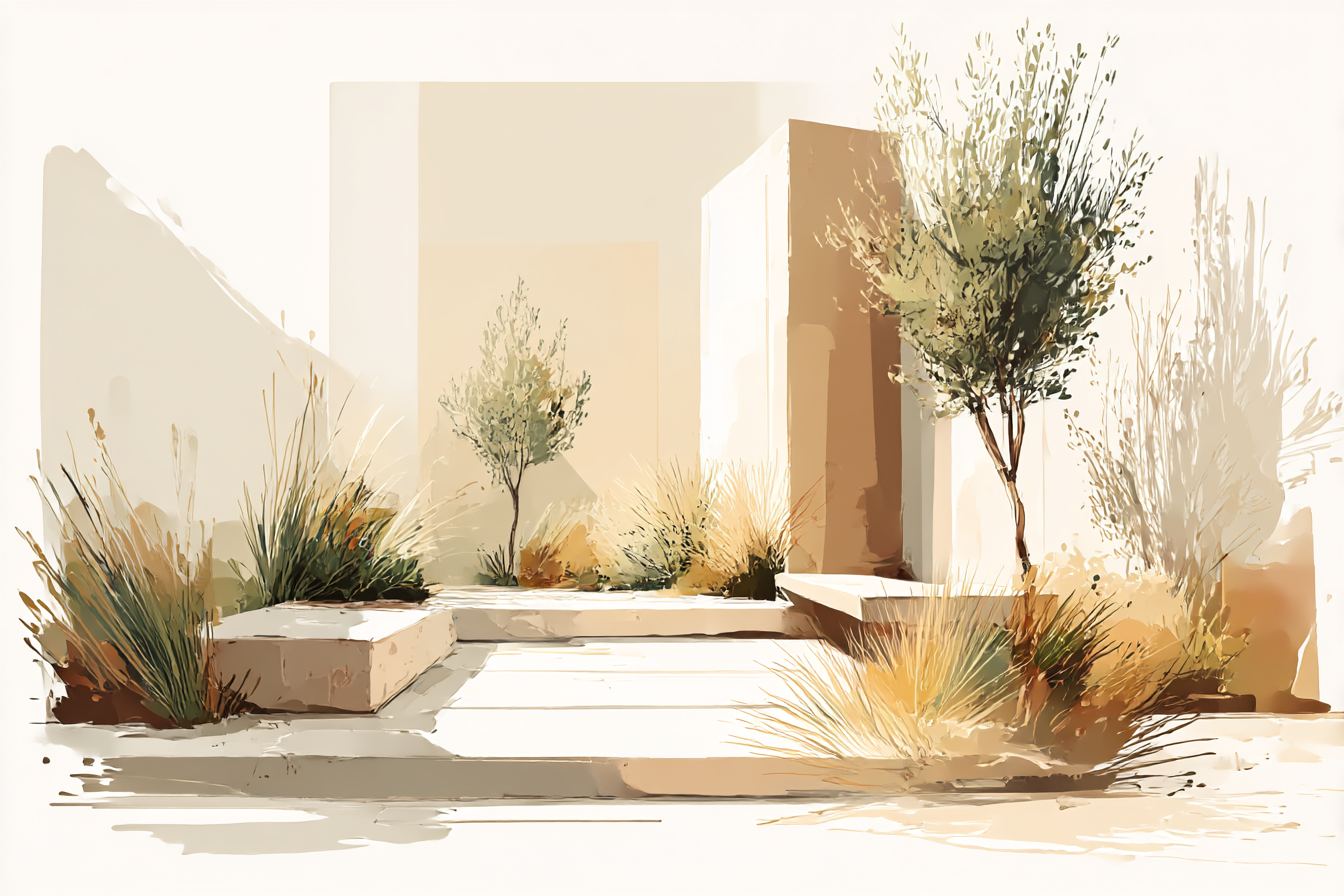
Last month, I found myself sitting in a hospital waiting room that felt like a concrete bunker – harsh fluorescent lights, beige walls, and the only "nature" being a sad plastic fern gathering dust in the corner. My friend's daughter was having minor surgery, and I watched as stressed families huddled together, kids crying, everyone just… tense. It got me thinking about all those healing gardens I've studied over the years, and honestly? It made me a bit angry.
You know, I've seen what happens when we actually design outdoor spaces with healing in mind. Real healing, not just slapping some marigolds around a parking lot and calling it therapeutic. There's this children's hospital in Portland where I consulted a few years back, and they created this incredible rooftop garden that's become legendary among the staff.
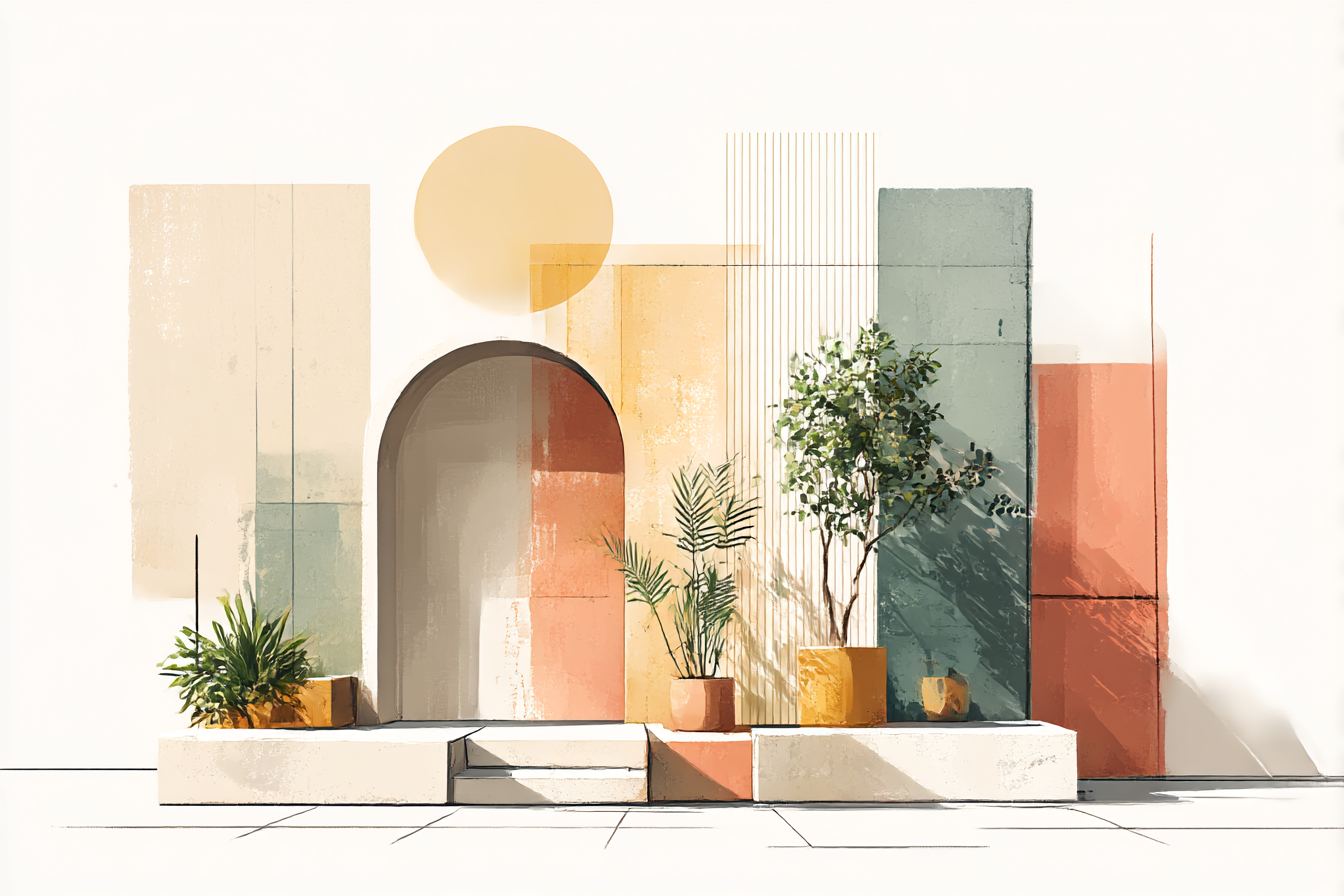
Kids in wheelchairs can roll right up to raised planters filled with herbs they can touch and smell. The sound of water trickling from a small fountain masks the city noise below. Recovery times measurably improved after it opened.
<blockquote>But here's the thing – restorative outdoor spaces aren't just for hospitals. They're everywhere, hiding in plain sight, waiting for us to recognise their potential. That neighborhood park where you actually feel your shoulders relax? The community garden where strangers start chatting over tomato plants? These aren't accidents.</blockquote>
I remember visiting my grandmother in Wisconsin when I was maybe twelve. She had this modest backyard, nothing fancy, but she'd positioned a single wooden bench under an old oak tree where you could sit and watch birds visit her feeders. The morning light filtered through leaves in this dappled pattern that changed throughout the day. I didn't know it then, but she'd created what researchers now call a "soft fascination" environment – something interesting enough to engage your attention gently without overwhelming your cognitive resources.
That bench taught me more about restorative design than years of academic study. My grandmother wasn't following any design principles (this was way before anyone talked about "biophilic design" or "therapeutic gardens"), but she instinctively understood something profound about human needs. We require spaces that offer what environmental psychologist Rachel Kaplan calls "mental restoration" – environments that help our directed attention recover from the constant demands of modern life.
<img class="size-full" src="http://wonkydogltd.co.uk/medium/wp-content/uploads/2026/01/im1979_Dark_Sky_Biophilic_DesignCreating_outdoor_spaces_that__54a722fa-fa97-48d5-a060-5f42ca389ffc_0.jpg" alt="im1979_Dark_Sky_Biophilic_DesignCreating_outdoor_spaces_that__54a722fa-fa97-48d5-a060-5f42ca389ffc_0" />
The science behind this is actually fascinating. When we're in natural settings or well-designed nature-connected spaces, our parasympathetic nervous system kicks in – that's the "rest and digest" response that counteracts chronic stress. Blood pressure drops, cortisol levels decrease, and our immune function actually improves. I've measured my own heart rate variability before and after spending time in different types of outdoor spaces, and the differences are striking.
Water elements seem particularly powerful for restoration. There's something about the sound of moving water that immediately shifts our mental state. I worked on a corporate wellness garden in Austin where we installed a simple recirculating stream – nothing elaborate, just water flowing over rocks in a serpentine pattern. Employees started taking their breaks there instead of staying inside, and HR reported a noticeable drop in stress-related complaints.
But it's not just about adding water features and calling it done. The most effective restorative spaces layer multiple sensory experiences. Native grasses that rustle in the breeze. Fragrant plants like lavender or rosemary positioned where people naturally pause. Trees selected not just for shade but for their bark texture and seasonal changes.
You Might Also Like
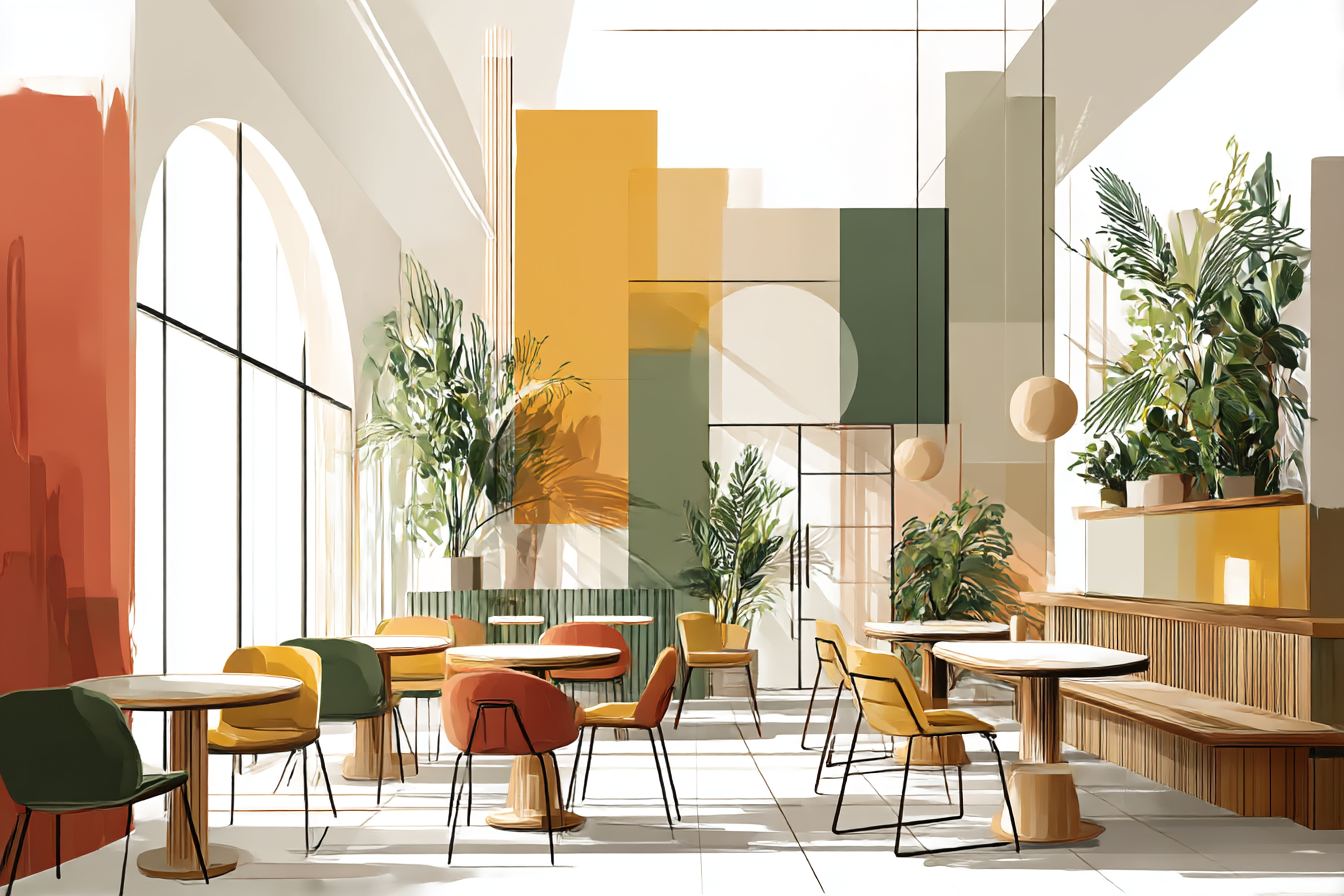
I've learned that mystery and discovery are crucial too. The best healing gardens don't reveal everything at once – they have pathways that curve out of sight, secluded alcoves where someone can sit privately, maybe a small bridge or arbor that creates a sense of transition from everyday space into something more special. It's about creating what landscape architects call "prospect and refuge" – places where you can see out (prospect) while feeling safely enclosed (refuge).
One of my favorite examples is this senior living facility in Vermont where residents helped design their own therapeutic courtyard. Instead of the typical institutional approach with perfect grass and geometric plantings, they created something that feels like a real backyard garden. Raised beds at wheelchair height for those who want to garden. A pergola where morning glory vines create dappled shade. Bird baths positioned where residents can watch from common room windows.
The magic happens because it engages multiple forms of restoration simultaneously. There's directed attention restoration from watching birds and clouds. Social restoration from gentle interactions with other residents and visitors. Physical restoration from mild exercise like walking paths or tending plants. Even spiritual restoration – many people describe feeling more connected to something larger than themselves in thoughtfully designed natural spaces.
I've noticed that the most successful restorative spaces often feel accidentally discovered rather than obviously designed. That overgrown corner of a park where someone placed a bench. The community orchard where fruit trees create a natural canopy over winding paths. These spaces invite what researchers call "soft fascination" – gentle engagement that allows your mind to wander and recharge.
Maintenance plays a huge role in whether these spaces actually work for healing. Overly manicured environments can feel sterile and stress-inducing. But spaces that appear completely wild might feel unsafe or overwhelming to some people. The sweet spot is what I call "intentional naturalism" – designed to look effortless but actually carefully maintained to support both ecological health and human wellbeing.
<img class="size-full" src="http://wonkydogltd.co.uk/medium/wp-content/uploads/2026/01/im1979_Dark_Sky_Biophilic_DesignCreating_outdoor_spaces_that__54a722fa-fa97-48d5-a060-5f42ca389ffc_1.jpg" alt="im1979_Dark_Sky_Biophilic_DesignCreating_outdoor_spaces_that__54a722fa-fa97-48d5-a060-5f42ca389ffc_1" />
Colour psychology matters too, though not in the obvious ways people assume. Rather than just planting everything in "calming" blues and greens, effective restorative spaces use colour seasonally and strategically. Spring bulbs that signal renewal after winter. Summer perennials in warm yellows and oranges that energize.
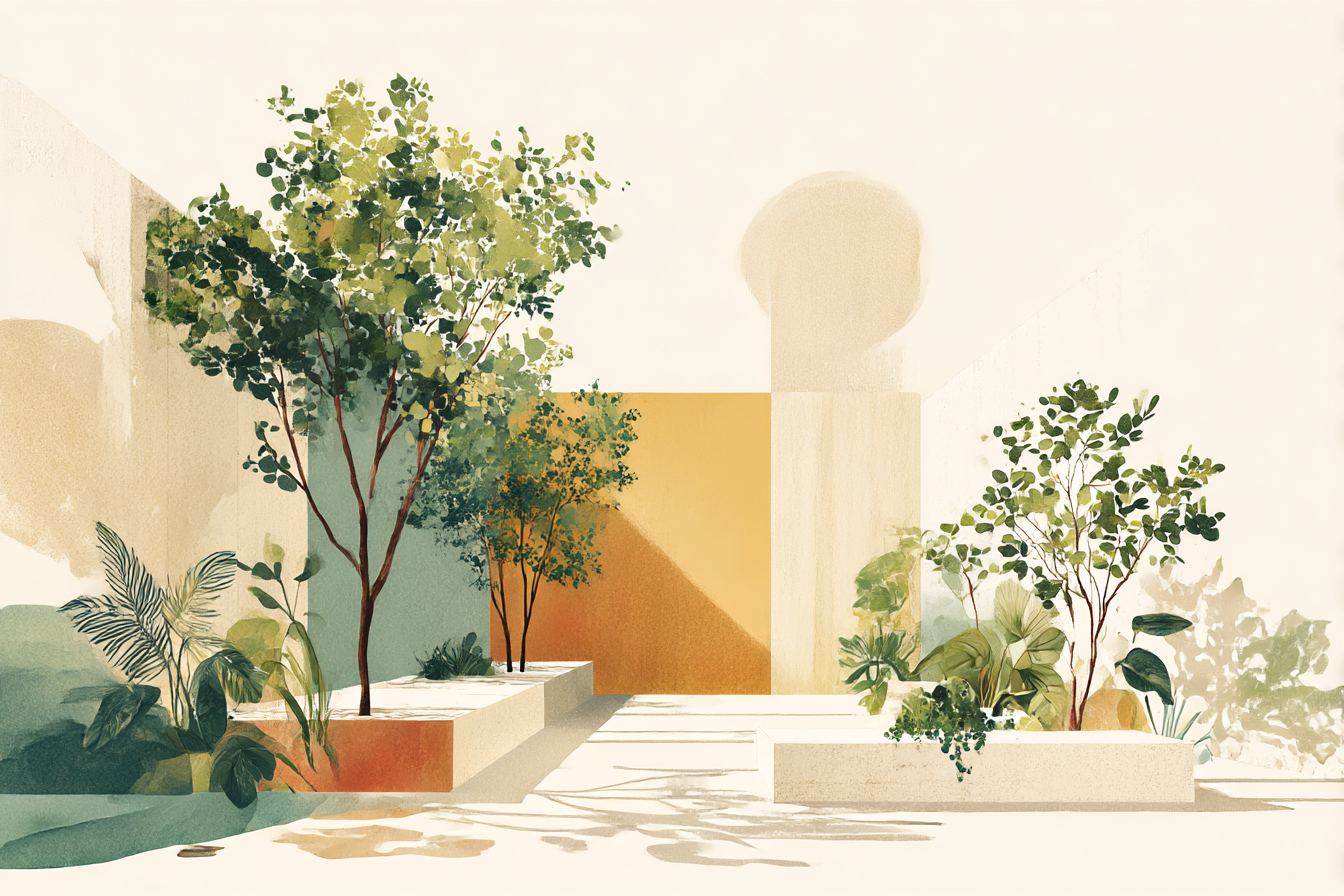
Fall foliage that creates a sense of peaceful transition. Even winter can be restorative with evergreen textures and the sculptural quality of bare branches.
<blockquote>I'm currently working with a school district that's transforming unused courtyards into outdoor classrooms and quiet spaces. The principal told me that disciplinary incidents dropped significantly after they opened the first garden area. Kids who previously had nowhere to decompress during lunch or recess now have options – they can sit under the willow tree with a book, help tend the vegetable beds, or just watch butterflies visit the pollinator plants.</blockquote>
These spaces aren't luxury additions – they're essential infrastructure for human wellbeing. Every hospital, every school, every workplace, every residential community could benefit from thoughtfully designed restorative outdoor environments. The return on investment shows up in reduced healthcare costs, improved productivity, stronger communities, and simply… happier people.
The beautiful thing is that creating restorative outdoor spaces doesn't require huge budgets or complex installations. Sometimes it's as simple as positioning seating to face morning light, selecting plants that engage multiple senses, or creating a small water feature from reclaimed materials. The key is understanding that healing happens naturally when we design with human needs – not just aesthetic preferences – at the centre.