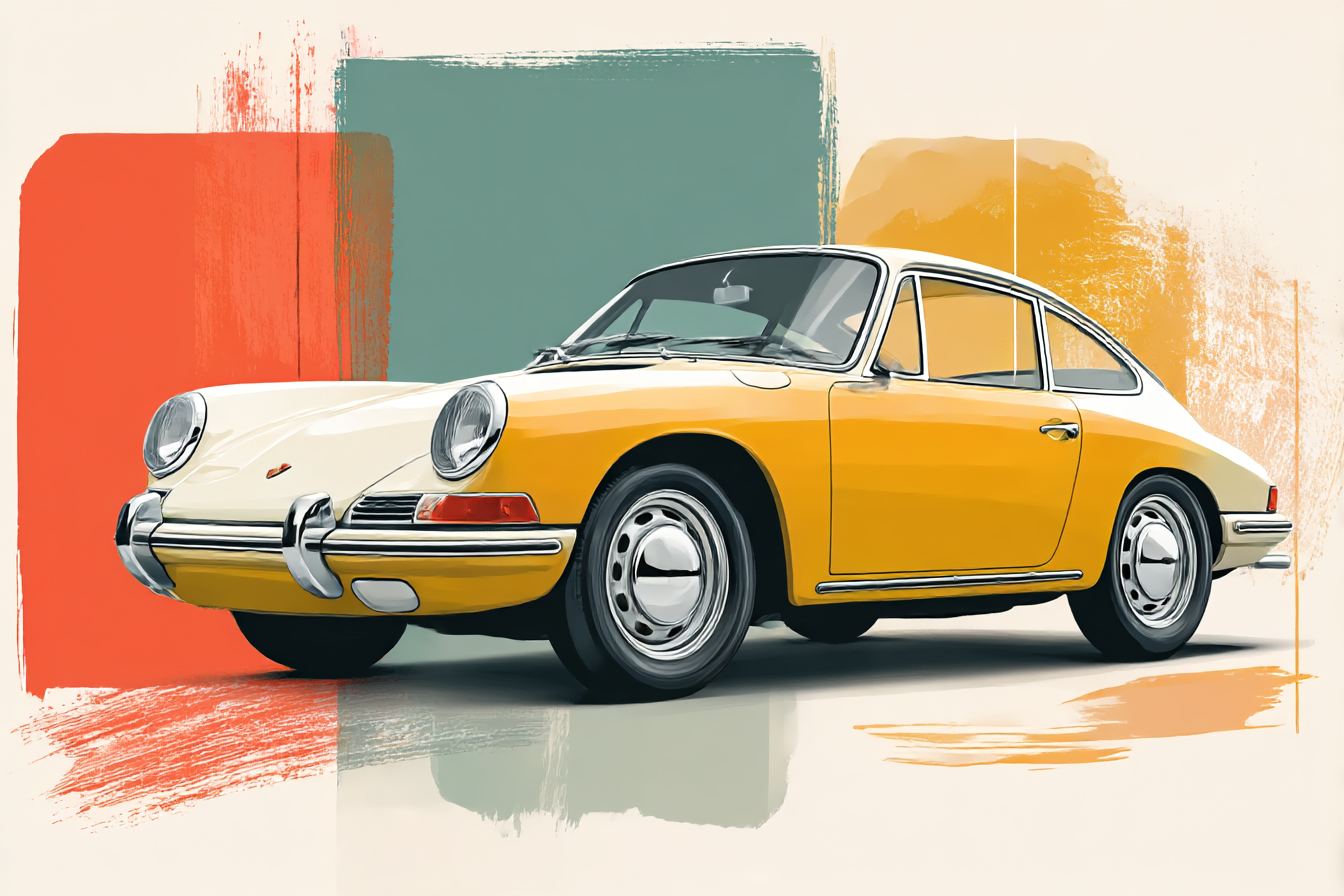
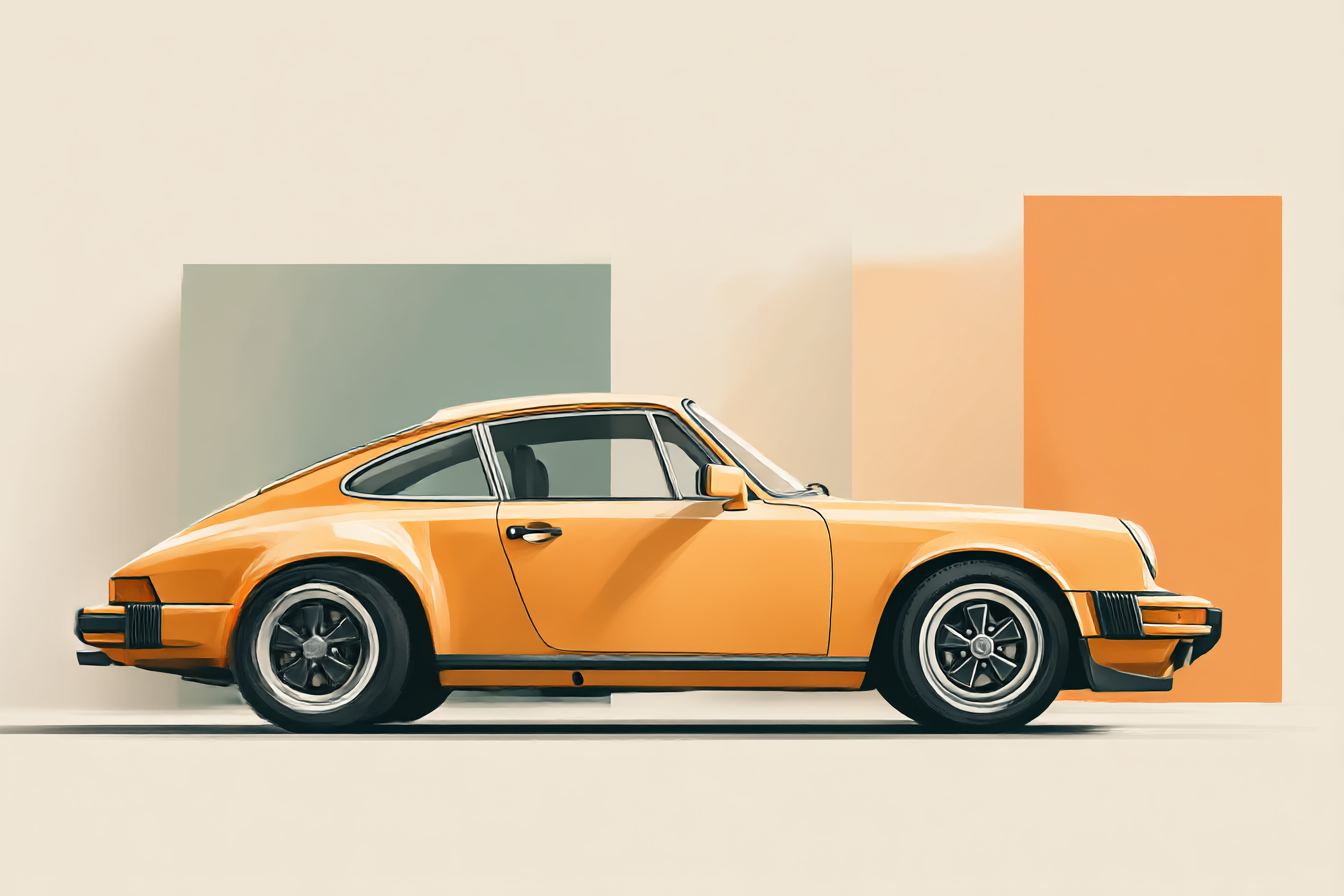
You know, I never expected to fall in love with vintage Porsches. Growing up surrounded by natural materials and my father's woodworking projects, I was more fascinated by the grain patterns in walnut than the curves of a sports car. But here's the thing – when I first encountered a 1965 911 undergoing restoration in a Philadelphia garage, I realised something profound. The same principles that guide my biophilic design work apply beautifully to automotive restoration, especially when it comes to honoring original materials while thoughtfully integrating modern improvements.
I was consulting on a healthcare facility project (this was before I quit that soul-crushing job) when the client mentioned his hobby workshop next door. "Want to see something cool?" he asked during a break. That "something cool" was a partially disassembled Porsche that looked like it had been through several decades of hard living. Rust had claimed portions of the rear quarter panels, the leather interior was cracked beyond recognition, and the engine – well, let's just say it wasn't running.
<blockquote>But underneath all that neglect, I could see the bones of something extraordinary.
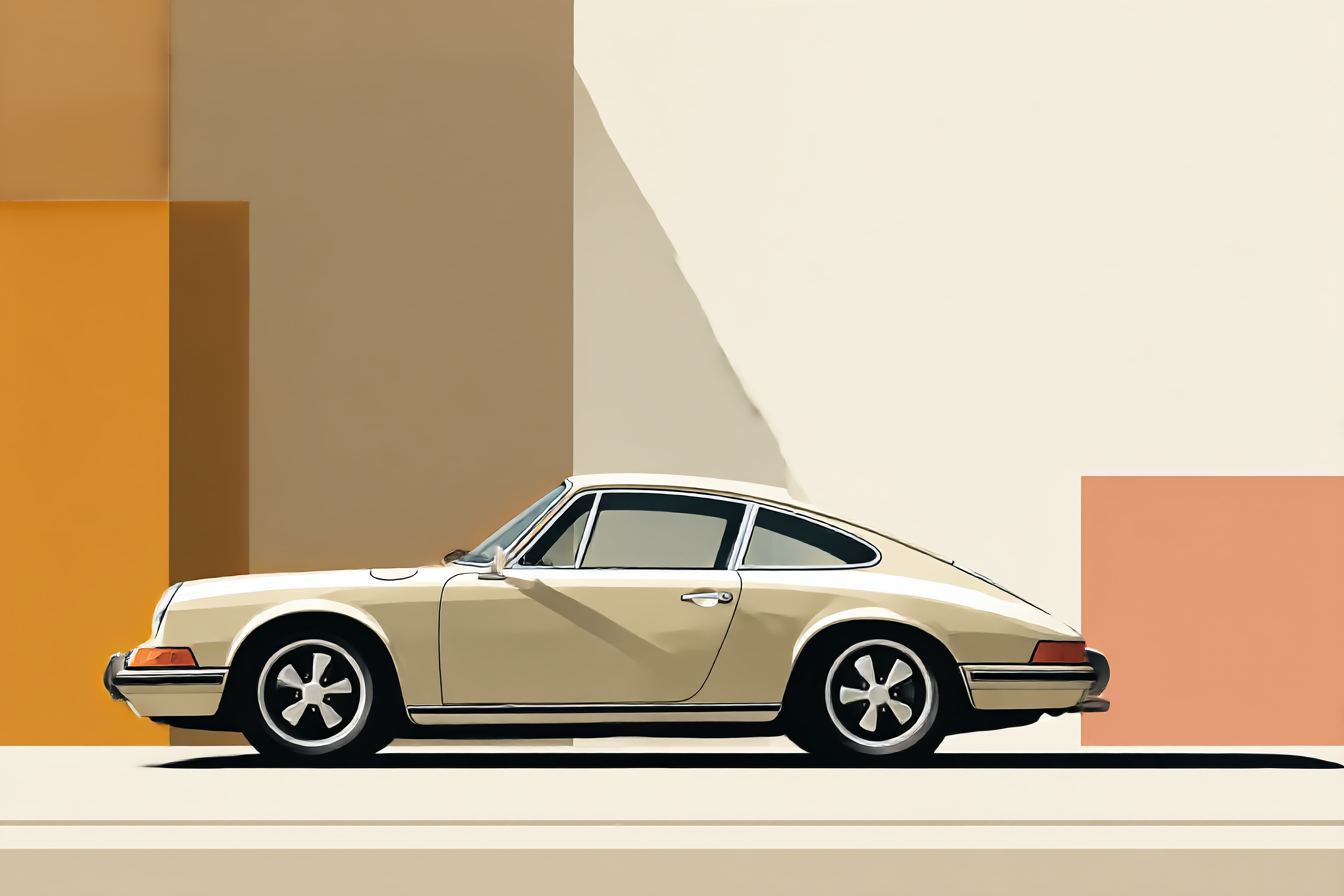
The proportions were perfect. The engineering elegant. Most importantly, there was an authenticity there that modern cars simply can't replicate. It reminded me of those cherry wood offcuts my dad used to bring home – weathered and imperfect on the surface, but with incredible character underneath.</blockquote>
That encounter sparked what I now realise was an inevitable obsession. Just like my approach to creating nature-connected spaces, Porsche restoration demands a careful balance between preservation and thoughtful improvement. You can't just slap modern parts onto a classic car and call it restored any more than you can stick fake plants in a room and claim you've created a biophilic space.
The first rule I learned (sometimes the hard way) is research everything twice, then research it again. Every year, every model variant, sometimes even specific production months had subtle differences that matter enormously during restoration. I spent three months hunting down the correct shade of Bahama Yellow for a 1974 914 before discovering the owner had been sold a repaint job years earlier. The "original" colour wasn't original at all. Sometimes authenticity means accepting that previous owners made changes, and your job is determining which changes to preserve and which to reverse.
<img class="size-full" src="http://wonkydogltd.co.uk/medium/wp-content/uploads/2026/01/im1979_restoration_design_porsche._ultra-realistichyper-detai_42081bc4-9d50-453a-967b-3dca85de7101_0.jpg" alt="im1979_restoration_design_porsche._ultra-realistichyper-detai_42081bc4-9d50-453a-967b-3dca85de7101_0" />
Material authenticity became my particular specialty, probably because of my background working with natural materials. Original Porsche interiors used specific types of leather, treated and dyed in particular ways that created unique aging patterns. Modern replacements often use different tanning processes that look right initially but age completely differently. I've spent embarrassing amounts of time learning to distinguish between original MB-Tex vinyl and various reproduction attempts. The differences are subtle but crucial – original materials develop character over time, while poor reproductions just look worn out.
The craftsmanship aspect absolutely hooked me. Working with a master restoration shop in South Jersey, I watched a painter spend two weeks on colour matching alone. Not just the base colour, but how it looked under different lighting conditions, how it would age, how it interacted with the primer and clear coat systems. This wasn't just painting a car – this was archaeology, chemistry, and artistry combined. Every layer told a story about the car's history.
I learned to read rust patterns like tree rings. Surface rust versus structural damage. Original factory primer breakthrough versus accident repair. The way metal fatigue spreads around stress points. Each car becomes a puzzle where you're simultaneously detective, historian, and craftsperson. My architectural training helped enormously here – understanding load paths, material behaviors, and the way different components interact over time.
You Might Also Like
Engine rebuilding presented its own challenges and rewards. Modern metallurgy and machining tolerances are objectively superior to what was available in the 1960s and 70s. But here's where the art comes in – how much do you modernize while maintaining the original character? I've seen restorations where everything was upgraded to current standards, creating cars that were technically superior but somehow soulless. Like perfectly climate-controlled buildings that never let you feel connected to the outside world.
My approach evolved into what I call "invisible improvements." Use modern bearing materials that last longer but look identical to originals. Upgrade ignition systems for reliability while maintaining visual authenticity. Improve cooling capacity through careful attention to airflow paths rather than adding obvious modern radiators. The goal is a car that drives better than when it was new while looking and feeling completely authentic.
The parts hunting aspect became almost addictive. Pre-internet, this meant relationships with dealers, junkyards, and other enthusiasts worldwide. I once drove twelve hours to inspect a set of original Fuchs wheels, only to discover they were well-made reproductions. Another time, I found new-old-stock interior pieces in a dusty warehouse in Ohio – parts that had been sitting in boxes for thirty years, still wrapped in original paper.
Working on these cars changed how I think about design permanence in my primary work. Modern architecture often prioritizes easy replacement and updating. Porsche restoration taught me the value of systems designed for repair rather than replacement. Original 911s were built with the assumption that components would be maintained, rebuilt, and improved over decades of use. That's a radically different philosophy than today's throw-away culture.
The community aspect surprised me most. Porsche restoration attracts people from incredibly diverse backgrounds – engineers, artists, doctors, mechanics – all united by appreciation for honest engineering and quality materials. Knowledge sharing is generous and detailed. Someone will spend hours explaining the differences between early and late suspension pickup points to help you get your project right.
<img class="size-full" src="http://wonkydogltd.co.uk/medium/wp-content/uploads/2026/01/im1979_restoration_design_porsche._ultra-realistichyper-detai_42081bc4-9d50-453a-967b-3dca85de7101_1.jpg" alt="im1979_restoration_design_porsche._ultra-realistichyper-detai_42081bc4-9d50-453a-967b-3dca85de7101_1" />
Working on my own restoration projects taught me patience in ways my professional work never did. You can't rush metal fabrication or paint curing times. You can't force a stubborn bolt without potentially causing expensive damage. Every step requires careful consideration of consequences three steps ahead.
It's meditative in the same way my hydroponic wall experiments are – requiring attention to systems, timing, and the way different elements interact.
<blockquote>The finished results are deeply satisfying in ways that go beyond simple automotive enthusiasm. These are functional sculptures that represent thousands of hours of skilled human labor. They connect drivers to an era when cars demanded engagement and provided direct feedback. Like well-designed natural spaces, they create emotional connections that purely utilitarian alternatives simply can't match.</blockquote>
Today, I integrate lessons from restoration work into my biophilic design consulting. The patience required for authentic restoration parallels the time needed for living systems to establish themselves in built environments. The attention to material authenticity translates directly to selecting natural materials that age gracefully rather than deteriorate. Most importantly, both practices value character development over time rather than initial perfection.
Whether you're bringing a classic Porsche back to life or creating spaces that connect humans to nature, success requires understanding systems, respecting authentic materials, and accepting that the best results develop slowly through careful attention to craft. Both remind us that some things are worth preserving, improving thoughtfully, and passing on to future generations.