
Standing in what used to be a grand Victorian parlor, I watched dust motes dance through broken window panes while the contractor explained why we should just gut everything. The ornate plaster ceiling had water damage, the original hardwood floors were "beyond saving," and those hand-carved mahogany built-ins? "Termite food," he declared with finality.
But here's the thing – I've spent enough time in spaces to recognise their stories. This wasn't just a house with problems; it was a 140-year-old structure with incredible bones that had simply been neglected, not destroyed. The way afternoon light still found its way through those tall windows, casting familiar golden rectangles across warped floorboards… there was something alive here that deserved better than a dumpster.
<blockquote>That project became my introduction to the world of restoration design companies, and honestly, I had no idea what I was getting into. I'd worked on plenty of new construction and renovation projects, but restoration? That's an entirely different beast requiring specialized knowledge, patience, and frankly, a slightly obsessive personality.</blockquote>
What sets restoration design firms apart isn't just their ability to work with old materials – though that's crucial.

It's their approach to honoring existing structures while integrating modern functionality and, increasingly, sustainable practices. The best restoration companies I've encountered operate more like archaeological teams than traditional contractors. They study buildings layer by layer, understanding how previous generations lived and built, then thoughtfully bridge those historical methods with contemporary needs.
During that Victorian project, I learned about lime mortar for the first time. Modern Portland cement, our contractor explained, actually damages old brick because it doesn't breathe the same way. The original lime mortar was designed to expand and contract with temperature changes, allowing moisture to escape rather than getting trapped and causing freeze-thaw damage. Using modern materials on historical structures is like putting synthetic socks on feet that need cotton – functionally possible but ultimately harmful.
<img class="size-full" src="http://wonkydogltd.co.uk/medium/wp-content/uploads/2026/01/im1979_restoration_design_company._ultra-realistichyper-detai_18124485-684d-4bbd-ab84-b0163491cc60_0.jpg" alt="im1979_restoration_design_company._ultra-realistichyper-detai_18124485-684d-4bbd-ab84-b0163491cc60_0" />
The restoration company we eventually hired (after firing the "gut everything" guy) brought a materials archaeologist to examine paint samples under a microscope. Turns out the parlor had been painted seventeen different colours over its lifetime, and the original finish was this incredible deep forest green that complemented the mahogany woodwork beautifully. We spent three weeks carefully stripping layers to reveal that original colour, and the result was stunning – like the room suddenly remembered what it was supposed to be.
I've since worked with restoration design companies across different specialties, and each brings unique approaches to balancing preservation with innovation. Some focus on structural restoration – the unglamorous but essential work of stabilizing foundations, replacing rotted sill plates, and addressing water damage. Others specialize in decorative elements, hand-matching plaster moldings or recreating stained glass windows using traditional techniques.
The most interesting firms, in my experience, are those pushing restoration into sustainable territory. There's something almost poetic about using renewable materials and energy-efficient systems to extend the life of buildings that were originally constructed using entirely sustainable methods. One company I worked with in Portland specializes in what they call "regenerative restoration" – not just bringing buildings back to their original condition, but improving their environmental performance using period-appropriate techniques.
They showed me how to install a geothermal system in a 1920s Craftsman without disturbing the original radiant heating infrastructure. The new system actually enhanced the existing setup, providing more even temperatures while dramatically reducing energy consumption. The installation required custom metalwork to match the original radiator casings, but the visual result was seamless. Unless you knew where to look, you'd never guess the system had been upgraded.
Working with these specialized firms has taught me that restoration isn't about creating museum pieces – it's about creating living spaces that honour their history while serving contemporary needs. The best restoration projects feel timeless because they successfully marry old and new without jarring transitions or obvious compromises.
You Might Also Like
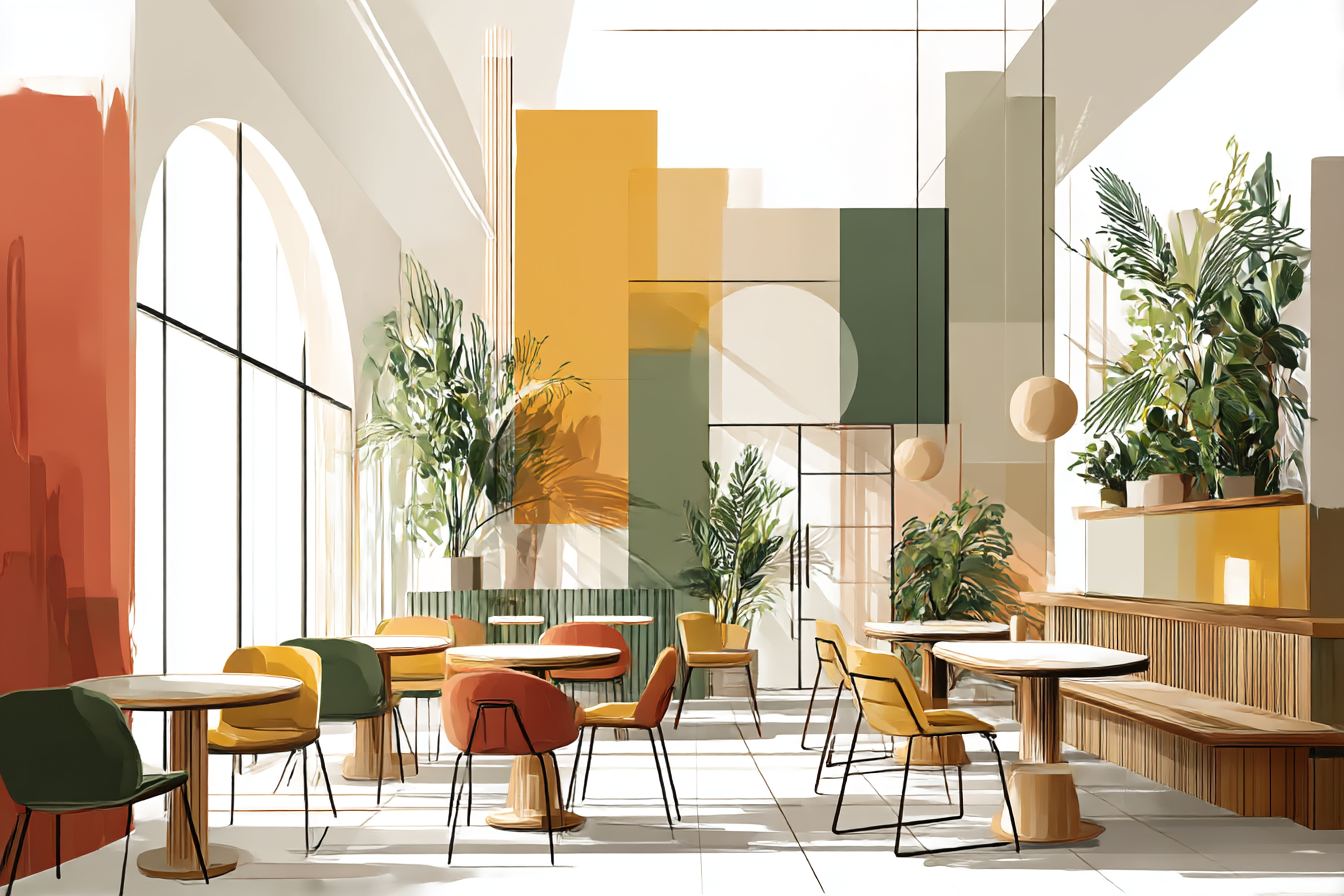
Material sourcing presents constant challenges in restoration work. You can't just order replacement parts from a catalogue when dealing with hand-forged hardware or custom millwork from the 1800s. I've watched restoration teams track down specific clay deposits to match original brick colours, or spend months teaching contemporary craftspeople forgotten techniques for recreating ornamental plasterwork.
One memorable project involved restoring a 1930s Art Deco apartment building where the lobby featured these incredible geometric terrazzo floors. The original contractor had used local aggregates that were no longer available, so the restoration team had to source similar materials from three different quarries and blend them to match the existing pattern. The process took four months longer than anticipated, but the seamless repair work was invisible once complete.
Sustainability in restoration goes beyond just preserving existing structures – though that's inherently sustainable since it prevents demolition waste and preserves embodied energy. Forward-thinking restoration companies are integrating renewable materials, improving insulation using natural fibres, and installing modern mechanical systems that work with, rather than against, original building design.
I recently toured a restored 1890s farmhouse where the design team had improved energy efficiency by 60% while maintaining historical accuracy. They'd added dense-pack cellulose insulation to wall cavities, upgraded windows with custom-made replicas that incorporated modern glazing technology, and installed a radiant floor system that used the existing basement infrastructure. The house performed better than most new construction while retaining all its original character.
The human element in restoration work fascinates me. These projects often involve families who've inherited properties, institutions preserving their heritage, or communities trying to maintain neighborhood character. The emotional investment runs deeper than typical construction projects, and skilled restoration companies understand they're not just working on buildings – they're stewarding family histories and community memories.
I've seen grown men tear up when original hardwood floors emerge from beneath layers of linoleum, or when careful paint removal reveals hand-painted decorative elements that have been hidden for decades. There's something powerful about witnessing these rediscoveries, about seeing spaces remember themselves.
The field attracts craftspeople who genuinely love solving puzzles and learning traditional techniques. Many restoration specialists I know maintain workshops where they practice forgotten skills – hand-carving replacement moldings, mixing traditional plasters, or forging reproduction hardware. It's detailed, often tedious work that requires both historical knowledge and contemporary building science understanding.
<img class="size-full" src="http://wonkydogltd.co.uk/medium/wp-content/uploads/2026/01/im1979_restoration_design_company._ultra-realistichyper-detai_18124485-684d-4bbd-ab84-b0163491cc60_1.jpg" alt="im1979_restoration_design_company._ultra-realistichyper-detai_18124485-684d-4bbd-ab84-b0163491cc60_1" />
Choosing a restoration design company requires different criteria than selecting traditional contractors. Experience with your specific building type matters enormously. Victorian restoration techniques don't necessarily translate to Art Deco or mid-century modern projects.
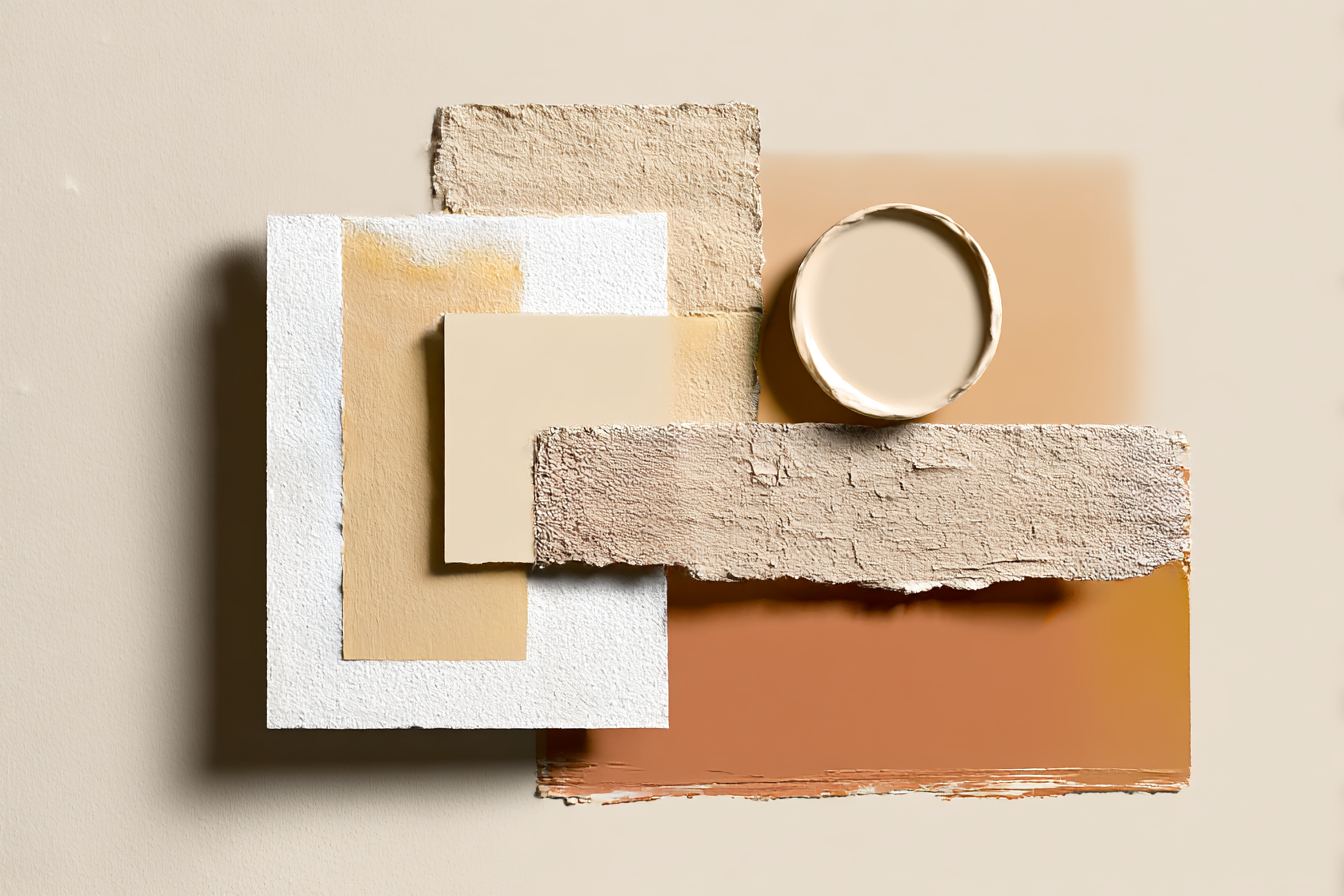
The best firms specialize in particular periods or architectural styles, developing deep expertise in associated materials and methods.
<blockquote>References become crucial, but not just for quality assurance. You want to understand how companies handle unexpected discoveries – because there are always unexpected discoveries in restoration work. Hidden structural damage, concealed utilities, or surprising architectural features can derail timelines and budgets. Experienced restoration firms build contingencies into their planning and maintain relationships with specialized consultants who can address unusual challenges.</blockquote>
The investment in restoration work often exceeds new construction costs on a per-square-foot basis, but the results justify the expense. Well-executed restoration creates spaces with character and craftsmanship that simply can't be replicated in new construction. More importantly, it preserves irreplaceable architectural heritage while creating contemporary functionality.
That Victorian parlor, incidentally, became the heart of the restored house. The original green walls, refinished mahogany built-ins, and carefully repaired plaster ceiling created a space that felt both historical and completely livable. Five years later, it's still one of my favorite rooms – a testament to skilled restoration design work that honored the past while serving the present.