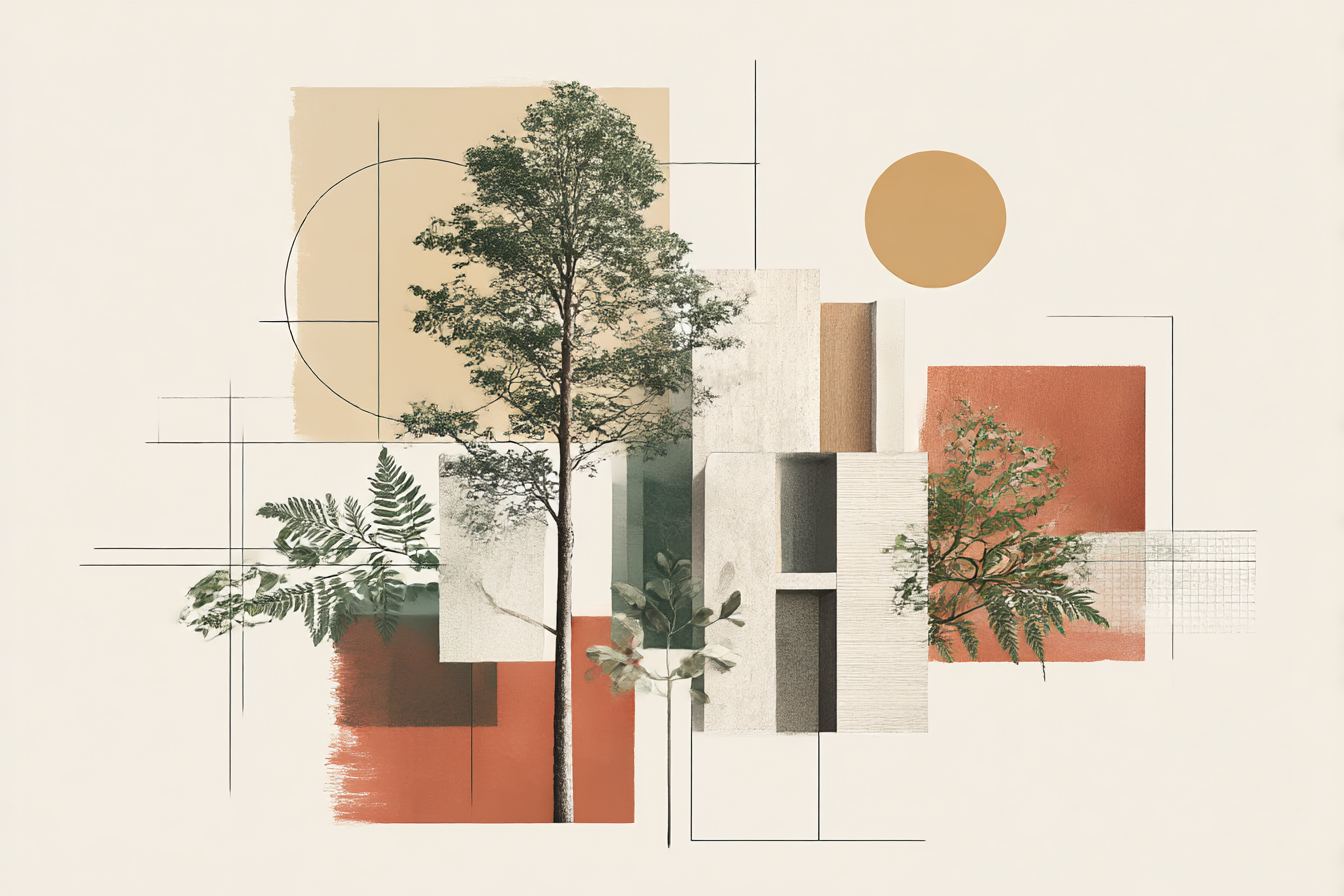
Yesterday morning, I found myself staring at a patch of moss growing through the crack in my apartment building's concrete entrance steps. Not exactly profound, I know, but something about watching that tiny ecosystem flourish in what most people would consider hostile conditions got me thinking about how we've completely missed the point when it comes to designing buildings.
You see, that moss wasn't just surviving – it was actually improving its environment. Breaking down concrete particles, creating microclimates, providing habitat for tiny insects. Meanwhile, the building itself? Pure extraction. Taking energy, generating waste, contributing nothing back to the ecological systems that support it.
This contrast hits me regularly these days, especially when I'm reviewing architectural plans or walking through newly constructed developments.

We've gotten pretty good at making buildings less harmful – better insulation, efficient HVAC systems, low-emission materials. But "less bad" isn't the same as "actually good." What if instead of just minimizing damage, our buildings could actively restore and regenerate the ecosystems they inhabit?
I've been wrestling with this question for years, but it crystallized during a project I consulted on last spring. A school district in Portland wanted to rebuild their elementary school with "maximum environmental benefits." The initial designs checked all the usual sustainability boxes – solar panels, rainwater collection, native plant landscaping. Standard stuff, really well-executed.
But during site analysis, we discovered something fascinating. The property sat on what had historically been a seasonal wetland – part of a larger watershed system that had been gradually fragmented by development over the past century. Remnants of the original hydrology still existed underground, surfacing occasionally in neighboring yards during heavy rains.
Instead of simply designing around this "constraint," we started asking different questions. What if the school could actually help restore that watershed function? What if the building itself became a tool for ecological healing rather than just a structure that happened to sit on the land?
The resulting design process completely flipped my understanding of architecture's potential role in environmental systems. We ended up with a building that functions as a constructed wetland during the rainy season, with classrooms that physically move up and down with water levels (sounds crazy, but the engineering actually works beautifully). The playground doubles as a bioretention area. The roof system mimics the canopy structure of the Douglas fir forest that originally covered the site.
More importantly, the building actively improves water quality for the entire neighborhood, provides habitat corridors for migrating birds, and sequesters carbon through integrated living systems. After two years of operation, we're seeing native plant species returning that haven't been documented in that area for decades.
This is what I mean by regenerative ecological design – architecture that doesn't just avoid harm but actively contributes to ecosystem health. It requires thinking about buildings not as separate objects placed on sites, but as integrated components of living systems.
The science supporting this approach keeps getting stronger. I spent last weekend reading research from the Biomimicry Institute on how termite mounds regulate temperature and humidity through their structure. These insects have figured out how to create comfortable interior climates using zero external energy while simultaneously improving soil conditions around their colonies. Meanwhile, we're still designing buildings that require massive energy inputs just to maintain basic comfort.
Don't get me wrong – I'm not suggesting we all move into termite-inspired structures (though honestly, some of their ventilation strategies are genius). But there's something profound about studying how other species create built environments that enhance rather than degrade their surroundings.
You Might Also Like
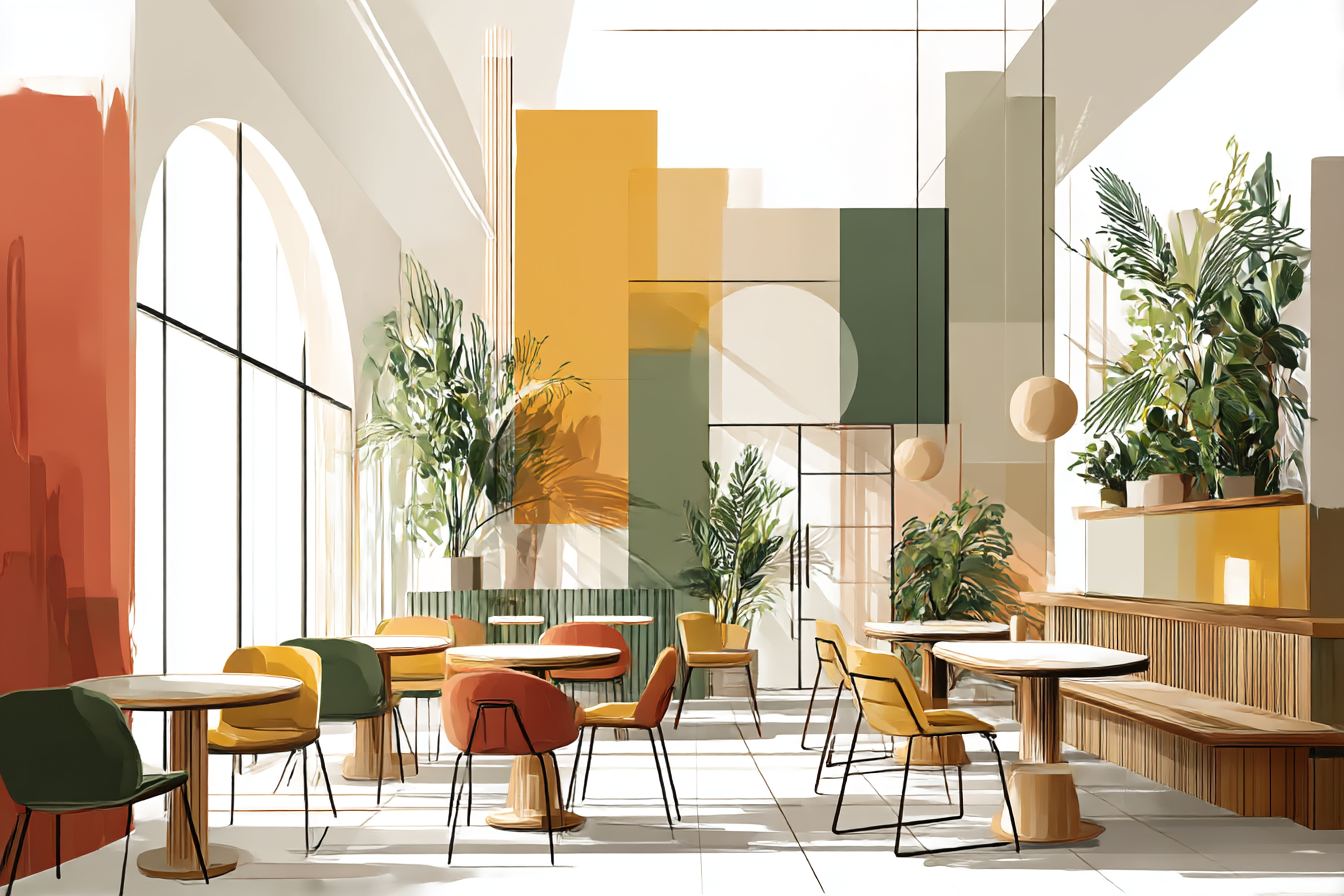
I've started incorporating these principles into smaller-scale projects too. Last month, I worked with a family renovating a 1950s ranch house whose backyard had been completely overtaken by invasive English ivy. Instead of simply clearing the ivy and replanting, we designed the renovation to actively support native plant succession.
The new back addition includes a living wall system that starts with pioneer species near the house and transitions to late-succession plants toward the property boundary. Greywater from sinks and showers feeds this system, and the plants process nutrients while creating habitat. The family's kids are now tracking which bird species use different parts of the wall throughout the seasons.
It's working better than we expected. The ivy hasn't returned because the native plants are outcompeting it for resources. Soil quality is improving measurably – we test it quarterly as part of the ongoing study. And the family's energy bills have dropped because the living wall provides natural cooling during summer months.
What excites me most about regenerative ecological design is how it changes the relationship between human habitation and natural systems. Traditional green building approaches still maintain the separation – humans live inside, nature stays outside, and we try to minimize the negative interactions between these realms.
Regenerative design dissolves those boundaries. Humans become participants in ecological processes rather than separate from them. The building becomes a membrane that facilitates beneficial exchanges between indoor and outdoor environments.
I see this playing out in projects across scales. Urban developments that restore urban forests while providing housing. Office buildings that clean polluted groundwater through their foundation systems. Hospitals that grow their own medicinal plants in integrated greenhouse spaces.
The technical challenges are real, I won't pretend otherwise. Integrating living systems into buildings requires maintenance protocols that most facility managers aren't prepared for.
Insurance companies get nervous about water features and root systems near structural elements. Building codes haven't caught up with these approaches in most jurisdictions.
But I've found that when you frame these challenges as opportunities for innovation rather than obstacles, solutions emerge. The Portland school I mentioned earlier now has a curriculum built around maintaining their building's ecological systems. Fifth graders monitor water quality, track plant growth, and analyze energy performance as part of their science education. They understand their school as a living system because that's literally what it is.
That's where the real transformation happens – when people experience buildings as participants in rather than separate from ecological processes. It changes how they think about their relationship with the natural world, which changes how they make decisions about everything from material consumption to transportation choices.
I know this sounds idealistic, and maybe it is. But every time I see that moss thriving in the concrete crack, I'm reminded that nature is constantly demonstrating regenerative principles. Our buildings can learn from and participate in these processes, or they can continue fighting against them.
The choice feels pretty obvious to me.