I was standing in the ruins of what used to be a thriving wetland behind a strip mall in Phoenix last month when it hit me – we've got this whole thing backwards. Here I was, documenting yet another example of development that had completely ignored the natural systems it displaced, when I should've been focusing on the buildings that are actually trying to heal the damage we've done.
You know how most architecture takes from the environment? Well, there's this growing movement of buildings that actually give back more than they consume. I'm talking about structures that clean the air, restore soil, manage stormwater better than the original landscape ever could, and create habitats for wildlife that had nowhere else to go. It's like the building equivalent of those people who leave a campsite cleaner than they found it, except on a massive scale.
<blockquote>The first time I encountered true regenerative design was completely by accident. I was visiting a friend in Portland (of course it was Portland) who worked at this commercial building that looked pretty ordinary from the street.
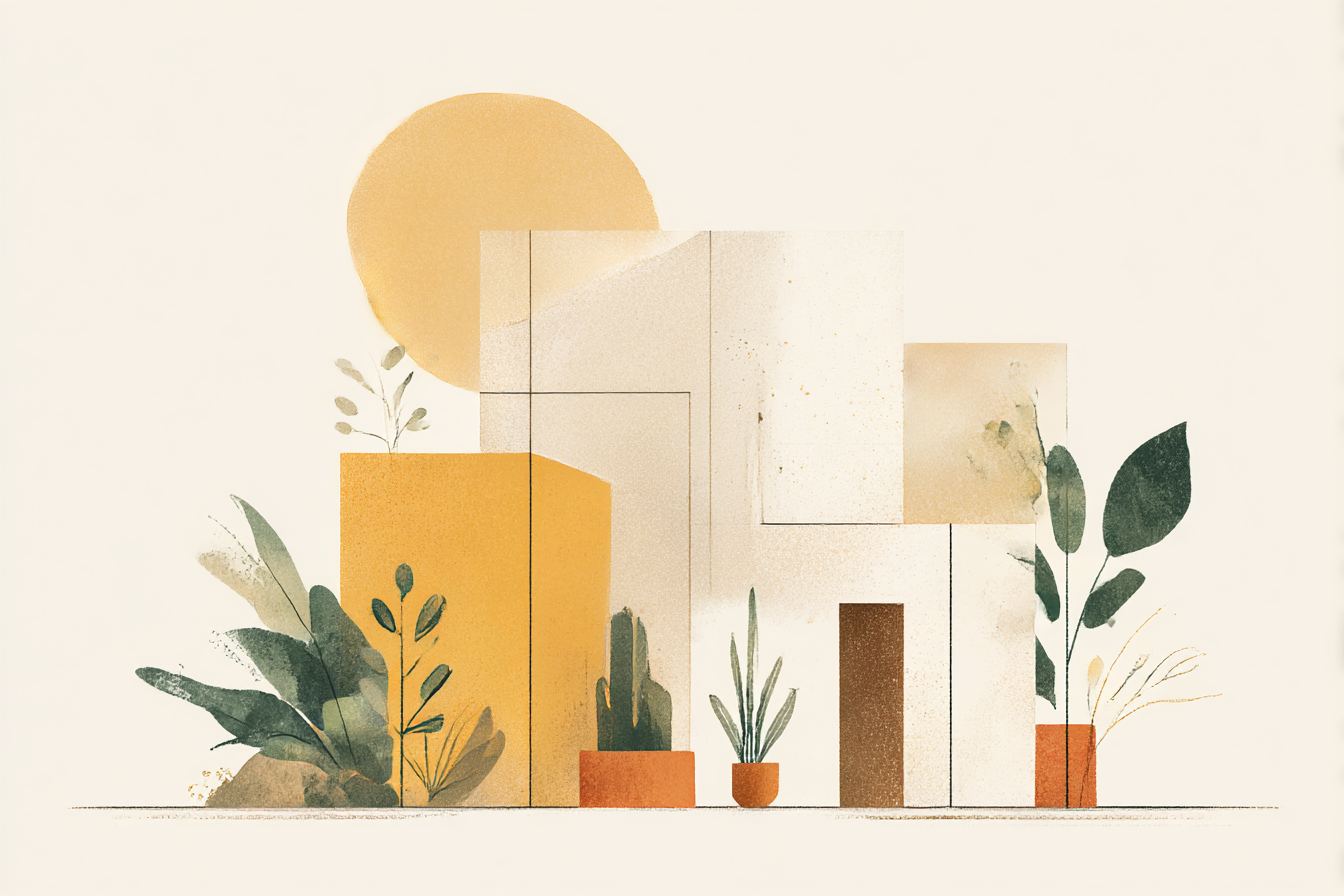
But when she took me up to the roof, I nearly fell over. They had this incredible living system up there – not just green roof plants, but actual prairie grasses, wildflowers, even small shrubs that were native to the Willamette Valley. The building was literally recreating an ecosystem that had been paved over decades ago.</blockquote>
My friend mentioned that the building processed more stormwater than fell on its footprint during heavy rains. Turns out the living roof and integrated bioswales could handle runoff from the surrounding parking lots too. The whole system was designed to filter pollutants and slowly release clean water back into the groundwater system. I mean, that's pretty incredible when you think about it – a building that improves water quality for the entire neighborhood.
But here's where it gets really interesting. The energy performance of this building was off the charts, but not because of solar panels or fancy HVAC systems. The living roof provided such effective insulation that cooling costs dropped by 40% in the first year. The plants were literally regulating the building's temperature while creating habitat for local bird species that had been displaced by urban development.
<img class="size-full" src="http://wonkydogltd.co.uk/medium/wp-content/uploads/2026/01/im1979_regenerative_building_design._ultra-realistichyper-det_3aff8915-9e10-4eab-b1ac-7a54b37bc14c_0.jpg" alt="im1979_regenerative_building_design._ultra-realistichyper-det_3aff8915-9e10-4eab-b1ac-7a54b37bc14c_0" />
That visit got me thinking about all the ways buildings could contribute positively to their surroundings instead of just minimizing their negative impacts. I started researching projects around the world, and what I found was mind-blowing. There's this office complex in Singapore that produces 30% more energy than it uses while simultaneously creating a vertical forest that houses over 200 species of plants and provides nesting sites for dozens of bird species.
I visited another project in Copenhagen where the architects worked with soil scientists to actually remediate contaminated land through the building process itself. They used a combination of mycorrhizal fungi and specially selected plants integrated into the building's foundation systems to break down industrial pollutants that had been in the soil for decades. The building literally healed the ground it sat on.
The more I learned about regenerative design, the more I realised how limited our usual approach to "sustainable" building really is. Sure, LEED certification and net-zero energy are good goals, but they're basically about doing less harm. Regenerative design asks a completely different question: How can this building make the surrounding environment healthier than it was before construction started?
I started experimenting with these principles in my own work, though on a much smaller scale. When I redesigned my apartment's balcony last year, I didn't just want plants that would look nice – I wanted species that would provide food and habitat for local pollinators while also improving air quality for my neighbours. I researched native plants that could thrive in containers and selected varieties that bloom at different times throughout the growing season.
You Might Also Like

The results were pretty amazing, actually. Within a few months, I had regular visits from several bee species, butterflies I'd never seen in my neighborhood before, and even a few birds that started nesting in the dense foliage I'd created. My upstairs neighbour mentioned that her allergies had improved significantly, which makes sense since certain plants are incredibly effective at filtering airborne pollutants.
But the real breakthrough came when I started working with a developer on a mixed-use project in a formerly industrial area. The site had been contaminated with heavy metals from decades of manufacturing, and traditional remediation would've cost millions. Instead, we designed a building system that used phytoremediation – certain plants that actually pull toxins from soil and groundwater – integrated directly into the landscape architecture around the building.
The project took three years longer than conventional development would have, but the results speak for themselves. Soil contamination levels dropped by 70% in the first five years. The building's integrated water treatment systems process greywater from the residential units and return it to the aquifer cleaner than the municipal water supply. Native plant communities that hadn't been seen in that area for over 50 years have naturally reestablished themselves in the restored habitat zones.
What really excites me about regenerative design is how it changes the entire relationship between human habitation and natural systems. Instead of seeing buildings as separate from nature, we start designing them as participants in ecological networks. The building becomes part of the local ecosystem's functioning rather than an obstacle to it.
I've been tracking the performance of various regenerative projects I've worked on or consulted for, and the data is consistently surprising. Buildings designed with regenerative principles typically outperform conventional sustainable buildings in energy efficiency, water management, and indoor air quality. But they also create measurable improvements in biodiversity, soil health, and local climate regulation that extend far beyond their property lines.
The construction industry is slowly catching on, though there's still significant resistance from conventional developers who see these approaches as risky or expensive.
What they're missing is that regenerative buildings often have lower long-term operating costs and consistently higher property values than comparable conventional structures. Plus, there's growing demand from tenants and buyers who want to live and work in spaces that align with their environmental values.
<img class="size-full" src="http://wonkydogltd.co.uk/medium/wp-content/uploads/2026/01/im1979_regenerative_building_design._ultra-realistichyper-det_3aff8915-9e10-4eab-b1ac-7a54b37bc14c_1.jpg" alt="im1979_regenerative_building_design._ultra-realistichyper-det_3aff8915-9e10-4eab-b1ac-7a54b37bc14c_1" />
The most successful regenerative projects I've seen involve collaboration between architects, ecologists, soil scientists, and local communities from the earliest design phases. You can't just add regenerative features to a conventional building design – the whole approach needs to be integrated from the ground up. Literally, in some cases, since soil health is often the foundation of regenerative building systems.
<blockquote>Looking at the bigger picture, I think regenerative building design represents a fundamental shift in how we think about human settlements. Instead of cities and suburbs being places where nature gets pushed out, they become places where natural systems are enhanced and supported. Buildings become infrastructure for ecological health rather than barriers to it.</blockquote>
Every project teaches me something new about the possibilities. Right now I'm working on a school design where the building's living walls will serve as outdoor classrooms for studying local ecosystems, while simultaneously improving air quality and providing habitat corridors for urban wildlife. The students will literally be learning in a space that's actively healing their local environment.
That's the future I'm working toward – buildings that give back more than they take.



