
Three years ago, my neighbour Sarah knocked on my door holding a cup of coffee and looking frustrated. Her beautiful teak patio set had started splitting after just two seasons, and she'd discovered the wood came from questionable sources halfway around the world. "I thought I was being responsible buying real wood instead of plastic," she said. That conversation sparked one of my most satisfying research dives into sustainable outdoor furniture options.
You know, outdoor furniture presents unique challenges for anyone trying to make environmentally conscious choices. These pieces need to withstand sun, rain, temperature swings, and still look good after years of abuse. Traditional options often fall into two camps: cheap plastic that ends up in landfills after a season or two, or expensive hardwoods that may come with serious sustainability baggage.
I've tested dozens of outdoor furniture options over the past few years, and honestly? Some of the most sustainable choices surprised me.

Take recycled plastic lumber, for instance. When I first encountered it five years ago at a trade show, I was skeptical. The samples looked decent, but would they hold up? I convinced a client to try recycled plastic Adirondack chairs on their lakehouse deck. Those chairs have survived four brutal Minnesota winters without cracking, fading, or requiring any maintenance beyond occasional washing.
The recycled plastic furniture market has exploded since then, and not all options are created equal. I learned this the hard way when helping my sister choose patio furniture last spring. We found chairs made from recycled milk jugs that felt flimsy and had an odd chemical smell even after weeks outdoors. But then we discovered a manufacturer using recycled ocean plastics with UV stabilizers and proper reinforcement. The difference was night and day.
Here's what I've learned about recycled plastic outdoor furniture: look for high-density polyethylene (HDPE) construction, cheque for UV protection, and don't buy anything that feels hollow or lightweight. Good recycled plastic furniture should feel substantial, almost like composite decking. Brands like Polywood and Trex use post-consumer waste and offer genuine warranties. Sure, they cost more upfront than cheap plastic, but they'll outlast traditional wood furniture and never need staining or sealing.
Reclaimed wood remains one of my favorite sustainable options, though it requires more homework. Last summer, I helped design a deck using century-old barn wood for the furniture frames. The wood had incredible character, was already weathered to perfection, and cost less than new teak. But you need to know what you're getting. Some reclaimed wood contains old lead paint or chemical treatments that aren't appropriate for furniture. Always ask about the source and any testing that's been done.
I've become fascinated with bamboo outdoor furniture lately, though it's trickier than most people realise. Not all bamboo is created equal, and processing makes a huge difference in sustainability. I visited a bamboo furniture factory in North Carolina (yes, they're growing bamboo commercially in the Southeast now) and saw how proper harvesting and processing creates incredibly durable outdoor pieces. The key is mature bamboo that's been properly treated for moisture resistance.
Avoid cheap bamboo furniture from unknown sources. I made this mistake myself two years ago, ordering what looked like great bamboo dining chairs online. They arrived with a strong formaldehyde smell from the adhesives, and the bamboo started splitting within months. Quality bamboo furniture should specify the species, age at harvest, and treatment methods used.
FSC-certified wood offers another sustainable path, but again, details matter enormously. FSC certification varies widely in strictness depending on the certifying body and region. I've seen FSC-certified teak that was genuinely well-managed and FSC-certified pine that barely met minimum standards. When considering certified wood, ask about the specific chain of custody documentation and certification level.
You Might Also Like

One option that's gained serious traction is aluminium furniture with recycled content. Aluminium is infinitely recyclable, and many manufacturers now incorporate substantial post-consumer material. I installed aluminium dining furniture at my own place three years ago, choosing powder-coated pieces with 70% recycled content. They've held up beautifully, and when they eventually need replacement, the material can be recycled again without quality loss.
The powder coating matters more than I initially realised. Low-quality coatings can fade or chip within a season, while good coatings protect the metal and maintain appearance for years. Look for furniture with thick, even coating application and ask about warranty coverage for finish durability.
Wicker and rattan deserve mention, but mostly as cautionary tales. Natural wicker is biodegradable and beautiful, but most outdoor wicker furniture now uses synthetic materials that aren't particularly sustainable. Genuine rattan requires tropical harvesting that often involves questionable practices. If you love the wicker look, consider furniture made from recycled synthetic wicker or sustainably harvested willow from temperate regions.
Steel furniture can be sustainable when made from recycled content and properly finished for longevity. Corten steel, which develops a protective rust patina, eliminates the need for ongoing finishing while creating interesting visual texture. I designed a fire pit area using Corten steel benches two years ago, and the weathering process has been fascinating to watch.
Here's something most people don't consider: furniture modularity affects sustainability significantly. Pieces designed for easy repair, reconfiguration, or component replacement last longer and adapt to changing needs. I always recommend furniture with removable cushions, replaceable hardware, and standard fasteners rather than proprietary connections.
Maintenance requirements directly impact long-term sustainability. Furniture requiring annual chemical treatments, frequent replacement parts, or specialized cleaning products has hidden environmental costs. The best sustainable outdoor furniture needs minimal intervention beyond basic cleaning and seasonal storage in harsh climates.
Local sourcing matters tremendously but gets overlooked in online shopping. I've found excellent sustainable furniture makers within 200 miles of most major cities, often using regional materials and traditional techniques.
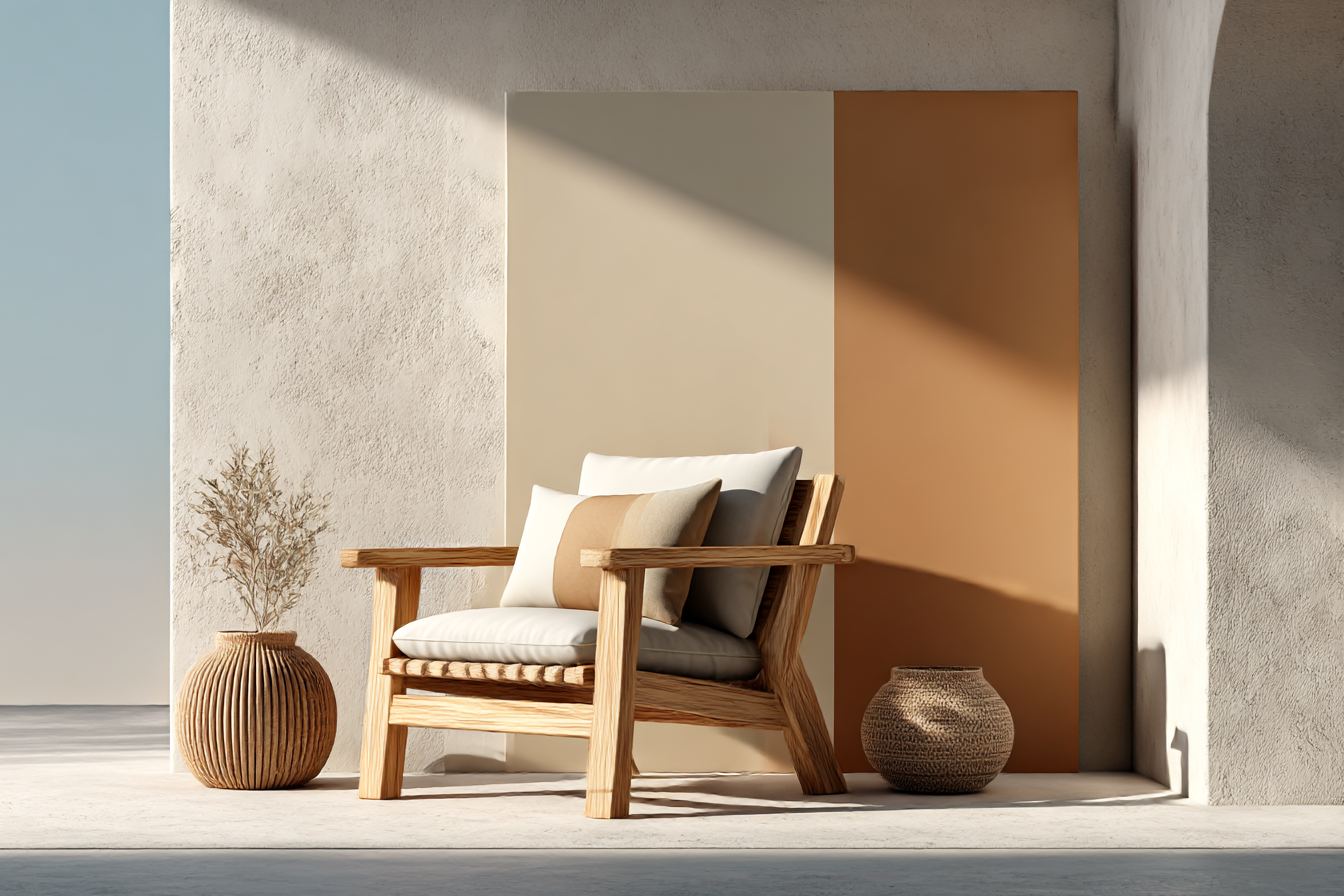
These pieces typically cost more initially but eliminate shipping impacts and support local economies.
Weather resistance varies dramatically between sustainable materials. Recycled plastic handles moisture and temperature swings better than most natural options. Well-treated reclaimed wood can be incredibly durable if properly maintained. Bamboo needs protection from standing water but handles sun and dry conditions beautifully.
Sarah's teak furniture story had a happy ending, by the way. We found a local craftsperson who repaired the splits using traditional joinery techniques, then she switched to recycled plastic for her additional seating. The contrast actually looks intentional, and she's thrilled with both the durability and her reduced environmental impact.
When evaluating outdoor furniture sustainability, I always consider the complete lifecycle. Cheap furniture requiring frequent replacement often has worse environmental impact than quality pieces lasting decades, regardless of materials. Choose well-made options from responsible manufacturers, maintain them properly, and they'll serve you beautifully while supporting genuine environmental stewardship.



