
Walking through a client's living room last Tuesday, I couldn't help but notice their gorgeous reclaimed wood coffee table. The patina was incredible, telling stories of decades past, but what really caught my attention was how cool it stayed despite the afternoon sun streaming through those massive west-facing windows. That got me thinking about something I've been meaning to address for ages – the materials we choose for furniture matter way more than most people realise, especially here in the desert where everything's fighting against heat, dryness, and that relentless UV exposure.
I mean, I've seen too many beautiful pieces turn into expensive kindling because someone fell for marketing without understanding what actually works in our climate. Just last month, a friend called me nearly in tears because her "eco-friendly" bamboo dining set had started cracking after only eight months. The manufacturer had pitched it as sustainable, which it was, but nobody mentioned that rapid-growth bamboo can't handle the extreme temperature swings we get here in Phoenix.
Let me share what I've learned about furniture materials that actually deserve the sustainable label while performing well in challenging climates. This isn't some theoretical list – these are materials I've tested, lived with, and recommended to clients who've reported back with real results.
Reclaimed wood sits at the top of my list, but not all reclaimed wood is created equal.
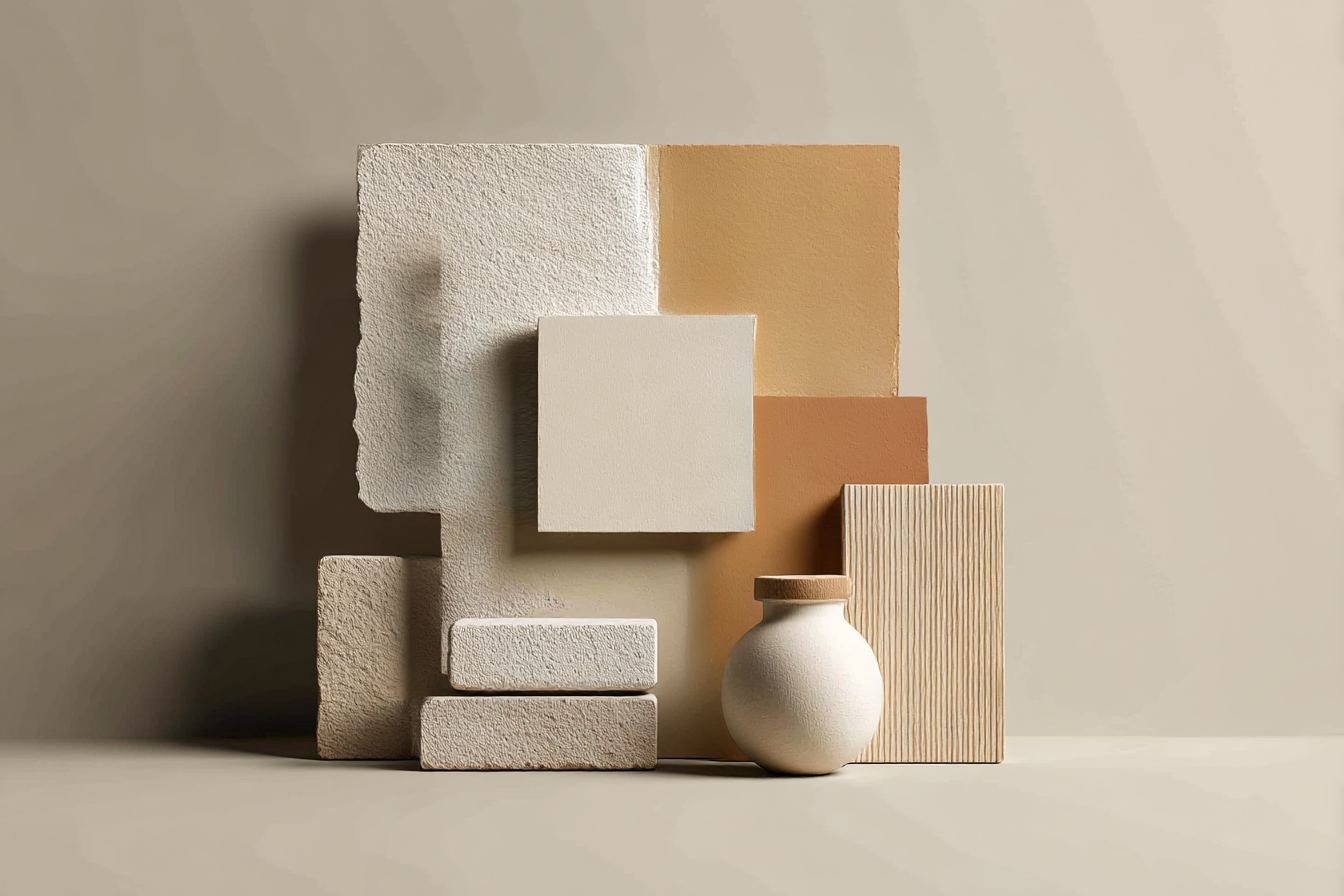
Old-growth timber that's been salvaged from demolished buildings? That's gold. The wood has already proven it can handle decades of expansion and contraction, and those tight growth rings make it incredibly stable. I've got a desk made from 1940s warehouse flooring that hasn't budged despite living through seven years of my home's temperature fluctuations. The character marks and nail holes aren't flaws – they're proof of durability.
However, you've got to be careful about the source. Some "reclaimed" wood is just construction scraps that got rebranded. Real reclaimed lumber should come with documentation about its origin. I always ask where it came from, how old it is, and whether it's been kiln-dried post-salvage to eliminate any pest concerns.
Cork surprises people. Most folks think of wine stoppers or bulletin boards, but cork furniture is seriously underrated. I discovered this accidentally when helping a client in Scottsdale who had severe allergies. We needed seating that wouldn't off-gas or harbor dust mites, and cork checked every box. It's naturally antimicrobial, incredibly resilient, and harvested without killing the tree – they just strip the bark every nine years and it regrows.
The texture takes getting used to. It's not wood-smooth, but it's got this unique warmth that actually feels good against skin. Plus, cork's cellular structure makes it naturally insulating, so it stays comfortable to touch even during temperature extremes. I've been using cork bar stools in my kitchen for three years now, and they still look brand new despite daily use and the occasional wine spill.
Certified sustainable hardwoods are tricky territory. The Forest Stewardship Council certification is legitimate – I've visited FSC forests and seen their management practices firsthand – but the shipping often negates much of the environmental benefit. A dining table made from FSC-certified teak that traveled 8,000 miles isn't really sustainable in any meaningful way.
When I recommend certified wood, it's usually regional species. Mesquite grows naturally here and makes stunning furniture. The wood is incredibly hard and dense, with swirling grain patterns that change colour throughout the day as light shifts across them. I helped design a mesquite kitchen island for clients in Tempe, and even after two years of daily cooking chaos, it shows barely any wear.
The challenge with mesquite is working with it. The wood is so hard it requires special tools and techniques, which limits who can craft it properly. Finding skilled artisans who understand mesquite's quirks costs more upfront, but the longevity makes it worthwhile.
You Might Also Like
Recycled metals offer incredible possibilities, especially aluminium and steel. I'm fascinated by furniture makers who source aluminium from aircraft salvage yards. Aerospace aluminium is engineered for extreme conditions, so it handles our climate without breaking a sweat. I've got an aluminium and glass dining table that's lived on my covered patio for four years, enduring dust storms, hail, and temperatures over 115 degrees. It still looks perfect.
Steel furniture works well too, but powder coating quality matters enormously. Cheap powder coating fails within months of UV exposure, leading to rust and degradation. High-quality powder coating, applied correctly with proper surface prep, can last decades. I always ask fabricators about their coating process – if they can't explain primer preparation and curing temperatures, I walk away.
Recycled plastic lumber sounds terrible but performs amazingly well. The technology has improved dramatically since those early grey planks that looked like prison furniture. Modern recycled plastic lumber comes in realistic wood grains and colours, and it's virtually indestructible. I initially resisted it because, honestly, it felt like cheating – using plastic when wood exists. But after seeing how well it performs in outdoor applications, I've come around.
A client installed recycled plastic benches around their pool deck five years ago. They've endured pool chemicals, UV exposure, kids jumping on them, and zero maintenance. They still look new while the "weather-resistant" teak loungers from the same period have required multiple refinishing sessions.
The texture isn't quite right – it's obviously plastic when you touch it – but for outdoor furniture that needs to survive without maintenance, it's hard to beat. Plus, knowing that each bench contains roughly 1,200 recycled milk jugs makes the slight aesthetic compromise feel worthwhile.
Natural fibre composites are emerging as serious contenders. These combine natural fibres like hemp, flax, or kenaf with bio-based resins to create materials that look and feel more like traditional wood than recycled plastic does. I recently tested hemp-fibre composite outdoor furniture, and I'm genuinely impressed.

It's got the strength of conventional composite materials but with a more organic texture and appearance.
The manufacturing process is still energy-intensive, so the environmental benefits depend heavily on production methods and transportation distances. But for applications where traditional wood isn't practical but recycled plastic feels too artificial, these composites offer a compelling middle ground.
Salvaged architectural elements deserve mention too. Old doors become headboards, vintage shutters become room dividers, antique barn beams become mantels or shelving. This isn't just about sustainability – architectural salvage often offers construction quality that's impossible to find in new materials. Those 1920s solid wood doors are built from old-growth lumber with joinery that puts modern construction to shame.
I helped a client transform salvaged church pews into built-in seating for their breakfast nook. The wood was gorgeous, the construction was bombproof, and the cost was about half what new custom seating would have run. Plus, every piece has its own history and character that you simply can't manufacture.
What I've learned through years of testing and living with these materials is that true sustainability isn't just about the source – it's about longevity, performance, and whether the piece will still be functional and beautiful decades from now. The most sustainable furniture is the kind that never needs replacing.
Choose wisely, invest in quality, and your furniture decisions will serve you well for years to come.