
My neighbour knocked on my door last Tuesday holding a brochure for some "revolutionary organic mattress" she'd picked up at a furniture store. She was practically vibrating with excitement about bamboo fibres and natural latex, asking if I thought it was worth the $3,000 price tag. I had to laugh because honestly? Most of what she was showing me was marketing fluff wrapped around materials that aren't nearly as green as they sound.
Look, I get it. Everyone wants to sleep better and feel good about their environmental choices. But after years of testing materials in actual southwestern conditions and seeing how products perform over time, I've learned that the mattress industry's version of "eco-friendly" often has more to do with sales tactics than genuine sustainability.
Take bamboo, for instance.
That brochure my neighbour was waving around made bamboo sound like some miracle fibre that grows overnight and purifies the air while you sleep. Sure, bamboo grows fast, but turning it into soft textile fibres requires heavy chemical processing that's anything but natural. The viscose production process uses caustic soda and carbon disulfide, creating toxic waste streams. You're basically getting a chemically processed product that started with a fast-growing plant. Not exactly the green dream they're selling.
Natural latex gets thrown around as the gold standard for eco-conscious sleepers, and there's some truth to that claim, but it's complicated. Real latex from rubber trees can be sustainable, assuming it's harvested responsibly and processed without synthetic additives. The problem is figuring out what you're actually getting. I've tested mattresses labeled "100% natural latex" that contained significant amounts of synthetic latex blended in. The certifications matter here, but most sales people can't explain the difference between GOLS (Global Organic Latex Standard) and whatever made-up certification their manufacturer created.
My wife and I went mattress shopping about three years ago, and the experience was… enlightening, in a frustrating way. Every salesperson had their own version of what made a mattress environmentally friendly. One guy insisted that memory foam was now "plant-based" because they added soy oil to petroleum-based polyurethane. Another claimed their innerspring mattress was sustainable because steel could be recycled, ignoring the fact that the thing was wrapped in synthetic materials that would sit in a landfill for decades.
The certifications confused even me, and I deal with building materials testing professionally. CertiPUR-US sounds official but mainly just means the foam doesn't contain certain harmful chemicals, not that it's environmentally sustainable. GREENGUARD certification tests for low chemical emissions, which is great for indoor air quality but doesn't address the manufacturing environmental impact. OEKO-TEX tests for harmful substances but again, that's about safety, not sustainability.
Here's what I've learned actually matters: look at the entire lifecycle of the mattress. How are the raw materials produced? What's the manufacturing process like? How long will it last? What happens when you're done with it?
Organic cotton covers sound nice until you realise cotton is one of the most water-intensive crops on the planet. Even organic cotton production uses massive amounts of water, and most organic cotton for mattresses gets shipped from places like Turkey or India. The transportation impact alone makes you wonder how green it really is. Wool from organically raised sheep has similar transportation issues unless you happen to live near responsible sheep farms, which most of us don't.
You Might Also Like

I ended up testing materials myself, as I do with building products. I got samples of different mattress materials and exposed them to our brutal southwestern conditions, heat, low humidity, temperature swings. Natural latex held up beautifully. High-quality organic cotton deteriorated faster than I expected when exposed to extreme temperature changes. Synthetic latex maintained its properties better than some natural alternatives under stress conditions.
The durability question is huge and rarely discussed honestly. A mattress that lasts fifteen years has a much better environmental profile than one that needs replacing every five years, regardless of how sustainable the materials claim to be. Manufacturing is typically the biggest environmental impact for most products. Using that manufacturing impact across fifteen years instead of five fundamentally changes the equation.
I started tracking mattress warranties and return policies as sustainability indicators. Companies confident in their products offer longer warranties. If a manufacturer won't stand behind their "sustainable" mattress for at least ten years, that tells you something about expected durability. Same with return policies, if they're willing to take a mattress back after 90 or 365 days, they believe in the product's performance.
Local production matters more than exotic materials. A well-made innerspring mattress manufactured two states away has a much smaller transportation footprint than organic latex shipped from Sri Lanka and assembled with bamboo fibres processed in China. I found a small manufacturer in New Mexico making quality mattresses from regionally sourced materials, not because they were marketing themselves as green but because local sourcing made business sense.
My current mattress isn't what most people would consider the greenest option. It's a locally made innerspring with cotton batting and wool comfort layer, both sourced from within 300 miles. No fancy certifications, no exotic materials, just well-made components that should last twenty years or more. The steel springs will be recyclable when we're eventually done with it. The natural materials will biodegrade. Simple, durable, regionally appropriate.
Testing sleep quality matters as much as environmental credentials. My neighbour bought that expensive bamboo mattress despite my warnings. She returned it after six weeks because it slept too hot for our climate and started developing body impressions. All those sustainability claims meant nothing when the product didn't perform. She ended up with a simpler, locally made mattress that cost half as much and sleeps much better.
Furniture stores aren't necessarily the best place to find genuinely sustainable mattresses. The retail markup incentivizes salespeople to push higher-priced options, and the sustainable story often justifies premium pricing regardless of actual environmental benefit. Online direct-to-consumer companies sometimes offer better value and clearer information about materials and manufacturing, though you lose the ability to test before buying.
If you're serious about finding a truly eco-friendly mattress, skip the marketing claims and focus on specifics. Where are materials sourced?
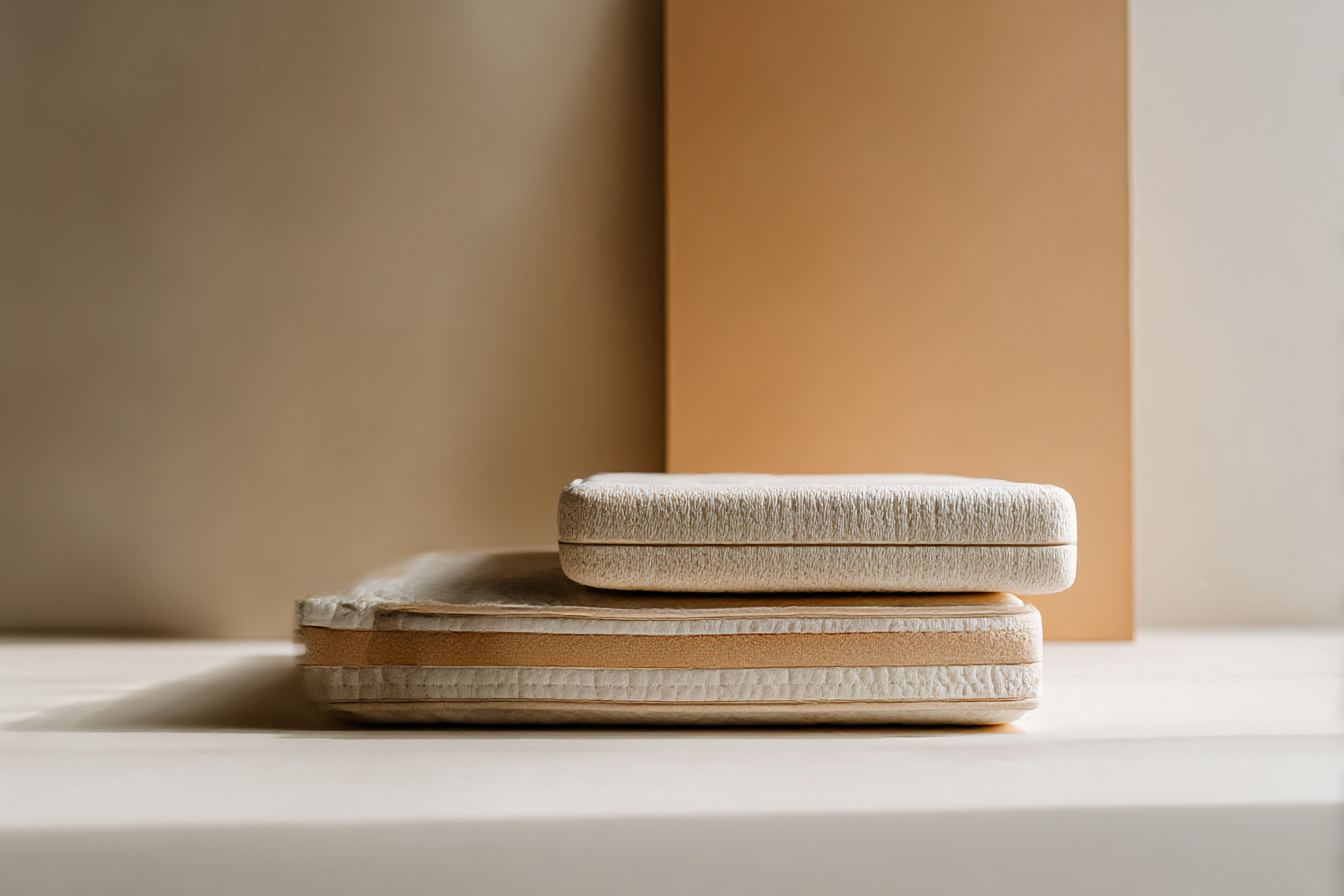
How are they processed? Who makes the mattress and where? What's the expected lifespan? Can components be recycled or composted at end of life? Companies with genuine sustainability commitments can answer these questions clearly.
The best eco-friendly mattress isn't necessarily the one with the most sustainability buzzwords. It's the one that performs well for your sleep needs, lasts a long time, and comes from a manufacturer making honest efforts to reduce environmental impact throughout their supply chain. Sometimes that's the fancy organic latex option. Often it's something simpler and more straightforward that just happens to be well-made from decent materials.