
I've spent the last fifteen years watching friends agonize over furniture purchases, convinced they had to choose between being environmentally responsible and staying within budget. That's complete nonsense, honestly. Some of my most sustainable pieces cost me practically nothing, while I've seen people drop thousands on furniture that claimed to be "eco-friendly" but was actually worse for the environment than standard options.
My wake-up call happened about eight years ago when I helped my neighbour Sarah furnish her first apartment. She had $800 total for everything. Everything. We're talking couch, dining table, desk, dresser, the works.
She kept showing me these overpriced pieces from boutique stores that marketed themselves as sustainable but were basically particle board with a green marketing story slapped on top. Meanwhile, I knew she could do so much better if we got creative.
That weekend turned into an adventure. We hit estate sales, checked Facebook Marketplace religiously, and even rescued a solid wood desk someone was throwing away because it had water stains on top. A little sanding and some natural oil finish, and that desk looked better than anything she could've bought new for under $300. Total cost? Twenty-three dollars for supplies.
Here's what I've learned: truly sustainable furniture isn't about buying new pieces with eco-labels. It's about understanding materials, construction quality, and making smart choices that'll last decades instead of years. Most "affordable" furniture today is engineered to fail. Those $150 bookcases from big box stores? They're basically compressed sawdust held together with formaldehyde-based glue. They'll start sagging within months and end up in a landfill within five years.
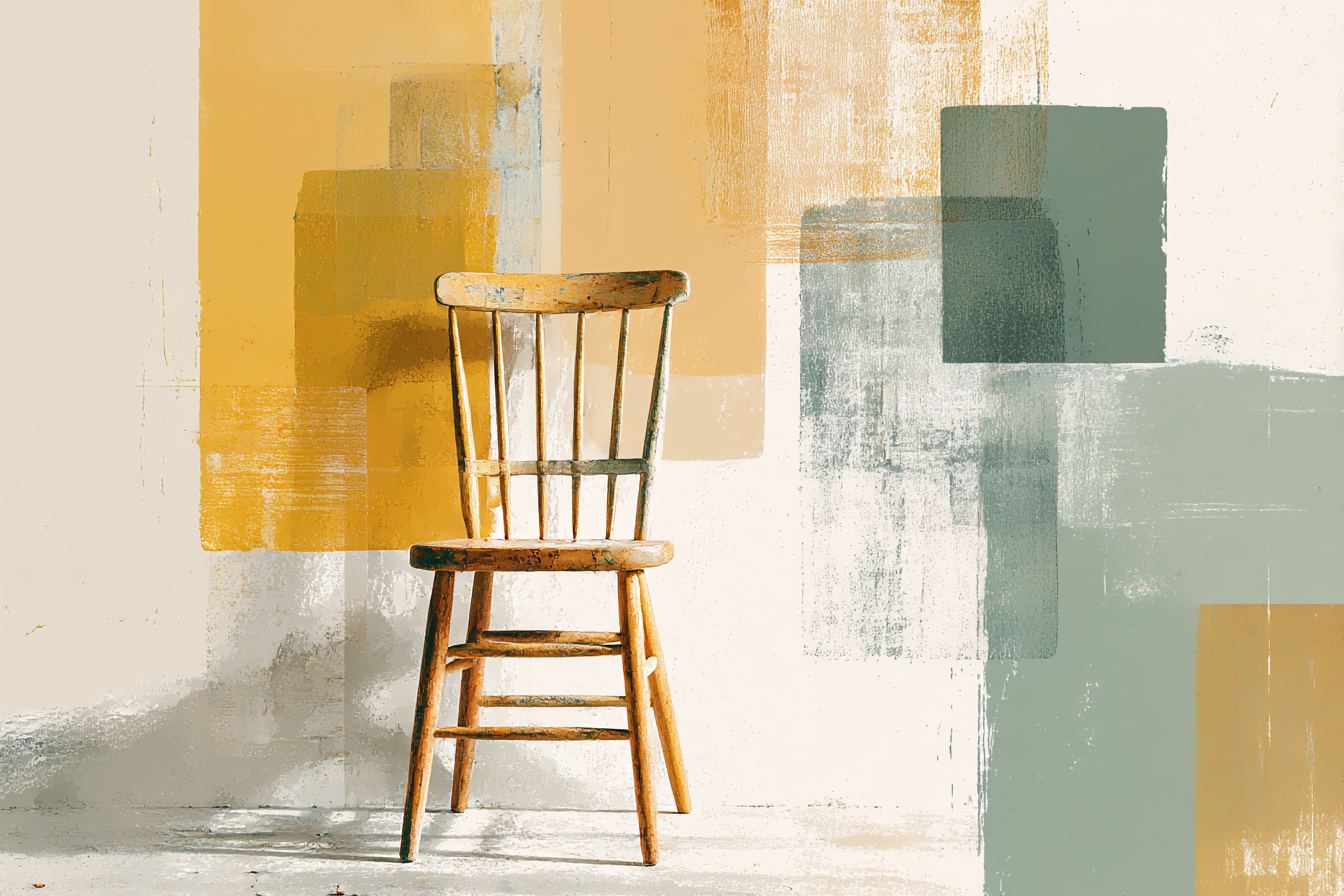
Real wood furniture from the 1960s and 70s, though? That stuff was built to survive nuclear war, I swear. My dining table came from a 1973 estate sale. Solid oak, dovetail joints, original finish still intact after fifty years. I paid $85. A comparable new table in solid wood would cost over $1,200 today, assuming you could even find one that well-made.
The secret is knowing what to look for. When I'm hunting for pieces, I cheque joints first. Real dovetails, mortise and tenon connections, corner blocks screwed in place… these indicate serious construction. If I see staples, cam locks, or those awful plastic connector bolts, I keep walking. No amount of green marketing makes up for fundamentally cheap construction.
I also pay attention to finishes. That plasticky coating on most modern furniture? It's loaded with VOCs and prevents the wood from breathing properly. Older pieces often have shellac or natural oil finishes that age beautifully and can be refreshed easily. My coffee table still has its original 1960s shellac finish. I just give it a light buffing with some natural wax every year or two.
Fabric choices matter tremendously too. Synthetic upholstery might seem durable, but it traps odors, doesn't breathe, and eventually starts breaking down from UV exposure. I've had much better luck with natural fibres. Linen, cotton, wool… they age gracefully and can be cleaned or reupholstered when needed. Plus, they don't off-gas the way vinyl and polyester fabrics do.
Sometimes the most sustainable option isn't furniture at all. I helped my friend Mike solve his storage problems using reclaimed wooden crates from a local brewery. We reinforced them with corner brackets, sanded them smooth, and applied a natural finish. Total cost was maybe forty dollars, and they look incredible in his living room. Way better than those pressed-wood storage cubes everyone seems to buy.
You Might Also Like
The thrift store game requires patience, but wow, the payoff can be incredible. I found a mid-century modern credenza at Goodwill for thirty-five dollars. Same piece sells for $800 in vintage furniture stores. It needed minor repairs… one drawer slide was loose, and the finish had some scratches. Two hours of work and maybe fifteen dollars in supplies had it looking museum-quality.
Online marketplaces have completely changed sustainable furniture hunting. Facebook Marketplace, Craigslist, even Instagram… people are constantly selling quality pieces for fraction of retail prices. I've scored amazing deals just by setting up saved searches for specific terms like "solid wood," "vintage," or even brand names like "Lane" or "Broyhill."
My current bedroom dresser exemplifies this approach perfectly. It's a 1950s Lane cedar chest with original dovetail construction and that gorgeous blonde wood finish they don't make anymore. The seller wanted $40 because the top had some water rings. I cleaned it up with some gentle abrasive and natural oil, and those rings disappeared completely. Comparable new cedar chests cost $400 minimum, and they're usually made with veneer over particle board.
The key is thinking beyond immediate appearance. That chair with worn upholstery might have perfect bones underneath. I've reupholstered countless pieces using fabric remnants from upholstery shops. They often sell end-of-roll pieces for practically nothing. Last month I recovered a beautiful Danish modern chair using wool fabric that would've cost $35 per yard retail. I paid $12 for enough fabric to do the entire chair.
Paint can transform almost anything too, but choose carefully. Those chalk paints everyone raves about often contain questionable chemicals despite their "natural" marketing. I prefer milk paint for most projects… it's literally made from milk protein, lime, and natural pigments. Creates a gorgeous matte finish that improves with age, and it's completely non-toxic. Perfect for kids' furniture especially.
Wood treatment is another area where sustainable choices save money. Instead of expensive "eco-friendly" stains that often perform poorly, I use natural options. Walnut shells create beautiful brown tones. Iron and vinegar make incredible ebony-like finishes. Coffee grounds can add subtle colour variation. These approaches cost pennies compared to commercial stains and produce unique results you can't buy anywhere.
I've also learned to appreciate imperfection. That vintage table with character marks from decades of use? Those marks tell stories. Modern furniture tries to look perfect but ages poorly. Quality older pieces develop patina and character that actually improves their appearance over time. It's a completely different philosophy from our throwaway culture.
The most sustainable furniture is stuff that lasts generations.

My great-aunt's sewing table from 1925 still serves daily duty in my home office. It's survived multiple moves, different climates, and constant use. When I consider the environmental cost per year of use, it's essentially zero. Meanwhile, that particle board desk I bought in college lasted exactly eighteen months before falling apart.
Budget-friendly sustainable furnishing isn't about finding cheaper versions of what retailers want to sell you. It's about developing an eye for quality, understanding materials, and being creative about sources. Some of my favorite pieces came from unexpected places… architectural salvage yards, estate sales, even curbside finds that needed minor restoration.
The satisfaction goes beyond saving money or helping the environment, though those benefits are real. There's something deeply fulfilling about rescuing a well-made piece and giving it new life. Every restored furniture success feels like a small victory against our disposable culture.