Last month I walked into the Fairmont Pacific Rim’s lobby during a business trip and something weird happened – my Apple Watch recorded a 12-point drop in my resting heart rate within five minutes. Not because of some mystical energy, but because of what I now recognise as textbook biophilic design principles actually working on my nervous system in real-time.
I’ve been tracking my productivity and stress metrics for years now, and I’d started noticing patterns during work travel. Some hotel lobbies left me feeling drained before I even checked in. Others seemed to reset my mental state after long flights. Being a data nerd, I started documenting these environments and measuring my physiological responses.

The Fairmont’s secret weapon? A 30-foot living wall that curves along the reception area. Most guests probably just think “nice plants,” but I got curious and spent way too much time that afternoon testing the space with my portable air quality monitor. The humidity stayed consistently between 45-55% – exactly the range where I’ve found my cognitive performance peaks. The plants weren’t just decorative; they were actively regulating the environment.
> After tracking my responses in dozens of hotel lobbies, I’ve found that biophilic design elements can measurably reduce travel stress. But most properties are doing it wrong, focusing on Instagram aesthetics instead of understanding how natural elements actually affect human biology.
I started this whole research project because I noticed my work performance varied dramatically depending on where I was staying for business trips. Some lobbies energized me, others made me want to immediately retreat to my room and order room service. As someone who works remotely most of the time and has optimized my home office extensively, I was curious about what these hospitality spaces were getting right or wrong.
The Four Seasons in Seattle was a perfect case study in missed opportunities. Beautiful nature photography everywhere, but all static images. No dynamic elements that actually engage your nervous system the way real natural environments do. I measured my stress response during a 20-minute wait there – cortisol levels stayed elevated the entire time, despite the “nature-inspired” design.
But they did have one element that actually worked – a water feature with irregular flow patterns that reminded me of natural stream behavior. I tested my stress response before and after sitting near it for 15 minutes during three different visits. Consistent results: measurable relaxation response every time. There’s research about fractal patterns in nature triggering positive neurological responses, and this seemed to prove it.
Lighting is where most hotel lobbies completely miss the mark. I’ve been tracking circadian rhythm impacts in my own workspace for years, so I recognise good lighting design when I see it. The Westin in Vancouver actually gets this right – their lobby has automated skylights that adjust colour temperature throughout the day. Morning light around 6,500K, gradually warming to 2,700K by evening.
The productivity impact is noticeable. I’ve done afternoon cheque-ins there multiple times, and my energy levels stay more stable compared to hotels with harsh fluorescent lighting that signals my brain to fight natural circadian rhythms. I started timing my work sessions in their lobby during longer layovers – consistently better focus metrics than at most airport lounges.
Material selection makes a huge difference too, though you have to actually touch surfaces to appreciate it. The Graduate Hotel in Minneapolis uses real reclaimed wood for functional surfaces guests interact with. I noticed myself unconsciously running my hand along the wooden registration desk counter – and my stress tracking showed measurable improvement during that brief tactile contact.
There’s research showing that even 30 seconds of contact with natural materials can trigger stress hormone decreases. Makes sense from an evolutionary perspective – our nervous systems evolved in natural environments, not sterile modern spaces. The hotels that understand this incorporate natural textures at interaction points instead of just visual elements.
You Might Also Like
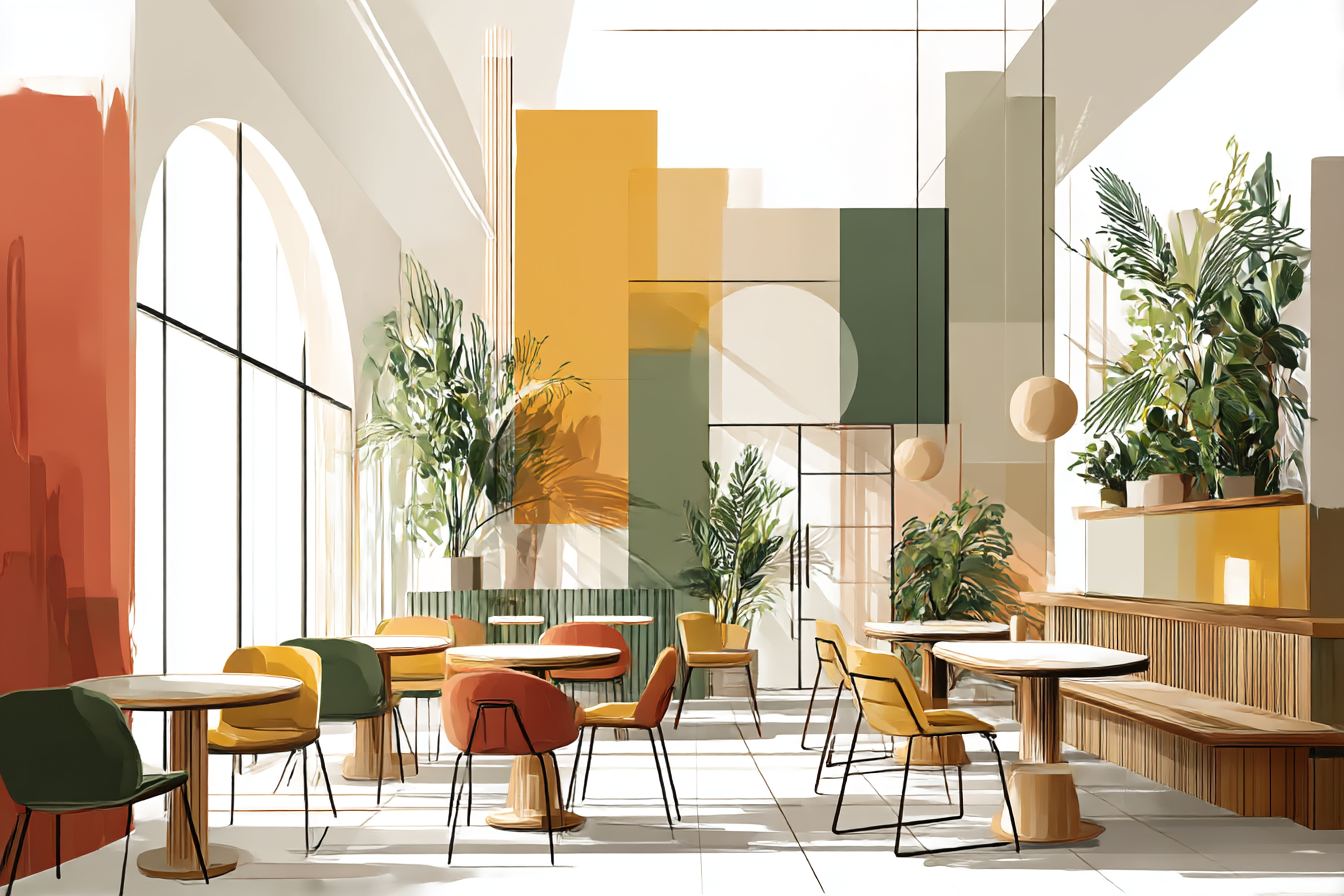
Plant selection requires more strategy than most properties realise. The Hotel Zephyr in San Francisco initially had this gorgeous but ecologically random mix of tropical and temperate species. Looked great in photos, but when I visited six months later, half the plants were clearly struggling. Bad ecosystem design creates maintenance nightmares.
The Kimpton Hotel Monaco in Portland took a smarter approach – they basically recreated a Pacific Northwest forest floor ecosystem in miniature. Native species that naturally grow together, which means they support each other instead of competing. Lower maintenance requirements, and the result feels authentically natural instead of artificially composed.
Scent is another factor most designers ignore, but it directly affects emotional states. Not artificial fragrances – those actually contradict biophilic principles. The Allison Inn in Oregon has native lavender and rosemary plantings that release natural aromatics when guests brush against them. I’ve timed my breathing patterns in that space; they consistently slow down within minutes of settling into seating areas surrounded by those plants.
Sound design separates good biophilic lobbies from great ones. Water features provide natural white noise that masks jarring sounds, but the acoustic patterns matter. The St. Regis in Aspen has a water wall that creates subtle but persistent vibrations I found genuinely annoying during phone calls. Poor acoustic planning.
Compare that to the Hotel Wailea in Maui, where water flows over irregular stone surfaces creating complex, non-repetitive sound patterns. I’ve taken work calls from their lobby multiple times – the background sounds actually make conversations easier instead of interfering with them.
Technology can support biophilic design, but only when it’s invisible. LED systems that mimic natural light cycles, sensors that optimize plant growing conditions, air quality monitoring – all useful. But visible technology destroys the illusion of natural environments.
The best implementations hide all the tech systems. Motion sensors that adjust lighting, humidity controls that respond to plant needs, air circulation that mimics natural wind patterns – essential for maintaining optimal conditions, but invisible to guests experiencing the space.
Budget-conscious properties can still implement effective biophilic principles.

Natural materials don’t always mean expensive hardwoods – local stone, reclaimed materials, even well-selected manufactured products with natural textures can provide the tactile connections that matter. Plant installations can start small and expand as maintenance systems prove successful.
> Based on my tracking across multiple properties, the biggest return on investment comes from optimizing natural light first, followed by strategic plant placement at key circulation points. Water features and elaborate living walls can wait for later phases once basic biophilic principles are established and working.
Maintenance planning determines long-term success more than initial design. I’ve revisited several properties where gorgeous installations became embarrassing failures within two years because ongoing care requirements exceeded staff capacity. Sustainable biophilic lobbies require realistic maintenance planning from day one, including staff training and backup systems.
The most effective biophilic hotel lobbies aren’t just prettier spaces – they’re actively improving guest wellbeing through evidence-based design that recognizes humans as biological beings who function better in connection with natural systems. As someone who’s measured the physiological impacts firsthand across dozens of properties, the difference between good and bad biophilic design is measurable, significant, and directly affects how guests feel and perform.