
My friend Sarah called me last Tuesday, practically in tears. She'd just spent three grand on what she thought was "sustainable furniture" for her living room renovation, only to discover the pieces were particle board wrapped in a thin veneer, glued together with formaldehyde-heavy adhesives. "The smell is giving me headaches," she said, "and I'm pretty sure this coffee table is already warping."
This conversation hit me hard because I'd made similar mistakes early in my own journey toward climate-conscious building and design. Back when I first started paying attention to environmental impact in construction, I got swept up in the marketing without understanding the actual materials and processes involved. You know how it is – something gets labeled "eco-friendly" and we assume it's automatically better, both for us and the planet.
The truth about sustainable furniture is way more complicated than most retailers want you to believe. Real environmental responsibility in furniture design isn't just about slapping a green label on something. It involves understanding material sourcing, manufacturing processes, transportation impacts, durability, and end-of-life considerations.

Most importantly for those of us dealing with southwestern climates, it means choosing pieces that'll actually hold up to our extreme temperature swings and low humidity.
I learned this lesson the expensive way about five years ago when I furnished my home office. I'd gotten excited about a "sustainable" desk made from bamboo composite. Bamboo grows fast, right? Must be good for the environment. What I didn't research was how that bamboo got processed into furniture-grade material, or how those composites would handle Arizona's climate extremes. Within six months, the desktop had developed stress cracks where the bamboo fibres separated. The adhesives couldn't handle our dry heat cycles.
That failure sent me down a research rabbit hole that completely changed how I think about furniture selection. I started visiting local craftspeople, touring workshops, asking uncomfortable questions about material sources and construction methods. What I discovered was fascinating – and sometimes infuriating.
The most genuinely sustainable furniture I found wasn't being marketed as "eco-friendly" at all. Take this cabinet maker in Flagstaff I visited last year. He works primarily with locally sourced pine and oak that comes from forest thinning projects – trees that need to be removed anyway for fire prevention. His finishing process uses plant-based oils instead of chemical lacquers. The joinery is traditional mortise and tenon, meaning pieces can be repaired indefinitely rather than thrown away when something breaks.
But here's the thing – he never advertises as "green" or "sustainable." His focus is purely on craftsmanship and longevity. "I want someone to inherit this piece from their grandparents," he told me. That mindset, it turns out, is more environmentally responsible than most furniture specifically marketed as eco-friendly.
I started applying this thinking to my client consultations. Instead of looking for furniture with environmental certifications, I began evaluating pieces based on actual environmental impact. Solid wood furniture made from responsibly harvested local species? Generally excellent, especially if finished with low-VOC products. Metal furniture using recycled steel or aluminium? Often a smart choice, particularly for outdoor pieces that need to handle our intense UV exposure.
The material science matters enormously in our climate. I've seen too many clients invest in expensive "natural" furniture that wasn't appropriate for southwestern conditions. Certain wood species that thrive in humid climates become brittle and crack in our dry air. Natural fibre upholstery that's fine in moderate climates can fade dramatically under our intense sun. Even some eco-friendly finishes don't hold up to extreme temperature cycling.
You Might Also Like
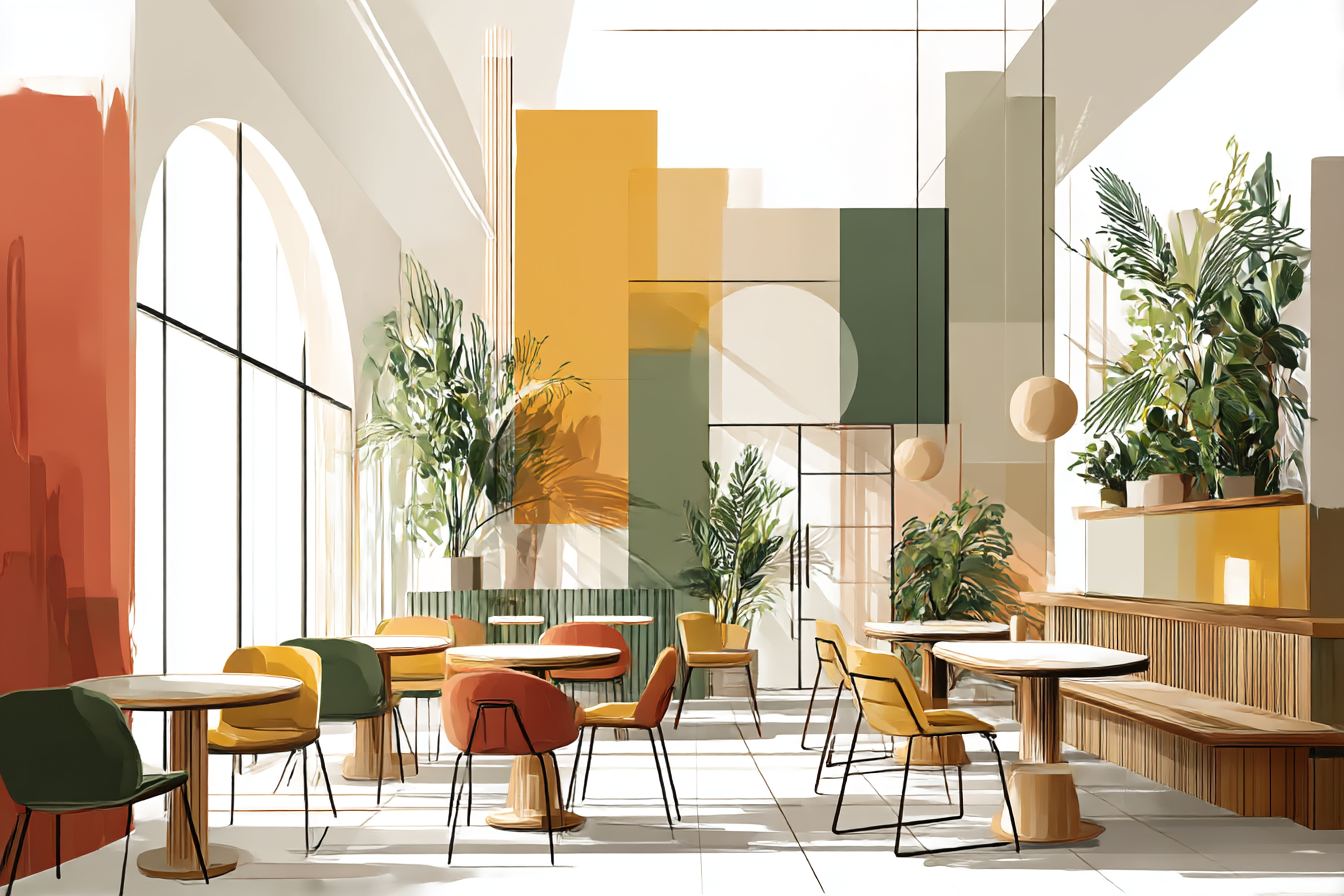
My current living room showcases what I've learned works well here. The main seating is steel frame furniture with solution-dyed acrylic cushions – not particularly "natural," but incredibly durable and fade-resistant. The coffee table is mesquite harvested from local land clearing projects, finished with tung oil. The bookshelf is reclaimed construction timber from a 1940s warehouse demolition, joined with traditional techniques that allow for wood movement.
Each piece was chosen for longevity in our specific environment, not because it carried environmental marketing labels. The steel frames will outlast several generations of cushions, which can be recovered as needed. The mesquite develops character with age rather than deteriorating. The reclaimed wood carries history while preventing new tree harvesting.
This approach extends to how I help clients think about furniture placement and care. In the Southwest, furniture positioning matters enormously for longevity. I always walk through rooms noting which pieces will get direct sun exposure, which areas experience the most temperature variation, where dust accumulation will be worst. A gorgeous reclaimed wood dining table positioned where it gets afternoon sun through unshaded west windows won't stay gorgeous long.
I've also become ruthless about questioning furniture "sustainability" claims. Bamboo furniture shipped from overseas? The transportation carbon footprint often negates any growing benefits. "Recycled" plastic outdoor furniture? Great concept, but I want to know what happens when those pieces eventually break down – are they actually recyclable again, or just postponing landfill time?
The most rewarding sustainable furniture choices I've made involve direct relationships with makers. There's a metalworker in Tucson who creates outdoor pieces from salvaged steel and aluminium. A weaver in Santa Fe who makes rugs from wool sourced within 200 miles. A ceramicist in Sedona whose work incorporates local clay. These relationships mean I understand exactly how pieces are made, where materials come from, and how items can be maintained or repaired over time.
Working with local artisans also solves the transportation impact problem that plagues most furniture purchasing. When your dining table travels twenty miles from workshop to home instead of thousands of miles from factory to showroom to home, the environmental math changes dramatically.
But I'm realistic about limitations. Not everyone has access to local craftspeople, or budgets for custom work, or time for extensive research.

For clients working with mainstream furniture retailers, I focus on helping them identify genuinely durable pieces that won't need replacement quickly. Solid wood over particle board. Quality joinery over stapled construction. Replaceable components over integrated systems.
The key insight I've developed is that true furniture sustainability isn't about specific materials or certifications – it's about appropriateness and longevity. Furniture that lasts decades with minimal maintenance while being suitable for its environment beats "eco-friendly" furniture that needs replacement every few years. A steel bed frame might not seem as "natural" as bamboo, but if it serves three generations versus three years, the environmental math is clear.
This philosophy has transformed how I approach interior design with clients. We start with understanding their space's environmental challenges, then select pieces that'll thrive rather than merely survive. The result is rooms that look better over time instead of deteriorating, furniture that becomes more valuable rather than disposable, and interiors that express genuine environmental responsibility rather than just environmental marketing.