You know, I spent years thinking green roofs were just some trendy European thing that would never work in the Southwest. I mean, come on—putting plants on top of buildings in a desert? Seemed like asking for trouble. That changed completely when I got called to investigate a mysterious cooling problem at a commercial building in Scottsdale.
The property manager was baffled. This relatively new office complex was using 30% more energy for cooling than identical buildings nearby, despite having the same HVAC systems and construction. Their utility bills were brutal, and tenants were complaining about inconsistent temperatures.
I figured I'd find the usual suspects—leaky ductwork, poor insulation, oversized equipment running inefficiently.
Instead, I found something fascinating. The building's roof was painted white, which should have been helping with cooling loads, but the thermal imaging told a different story. Even with reflective coating, the roof surface was hitting 160+ degrees on summer afternoons. The problem? This particular building sat in a wind corridor between two taller structures, creating a heat island effect that was literally cooking the roof membrane and overwhelming the cooling system.
That's when the architect mentioned they'd originally designed the building with an extensive green roof system but had value-engineered it out to save costs. "We could probably still retrofit it," she said, almost as an afterthought. I started researching what that might involve, and honestly? My preconceptions got demolished pretty quickly.
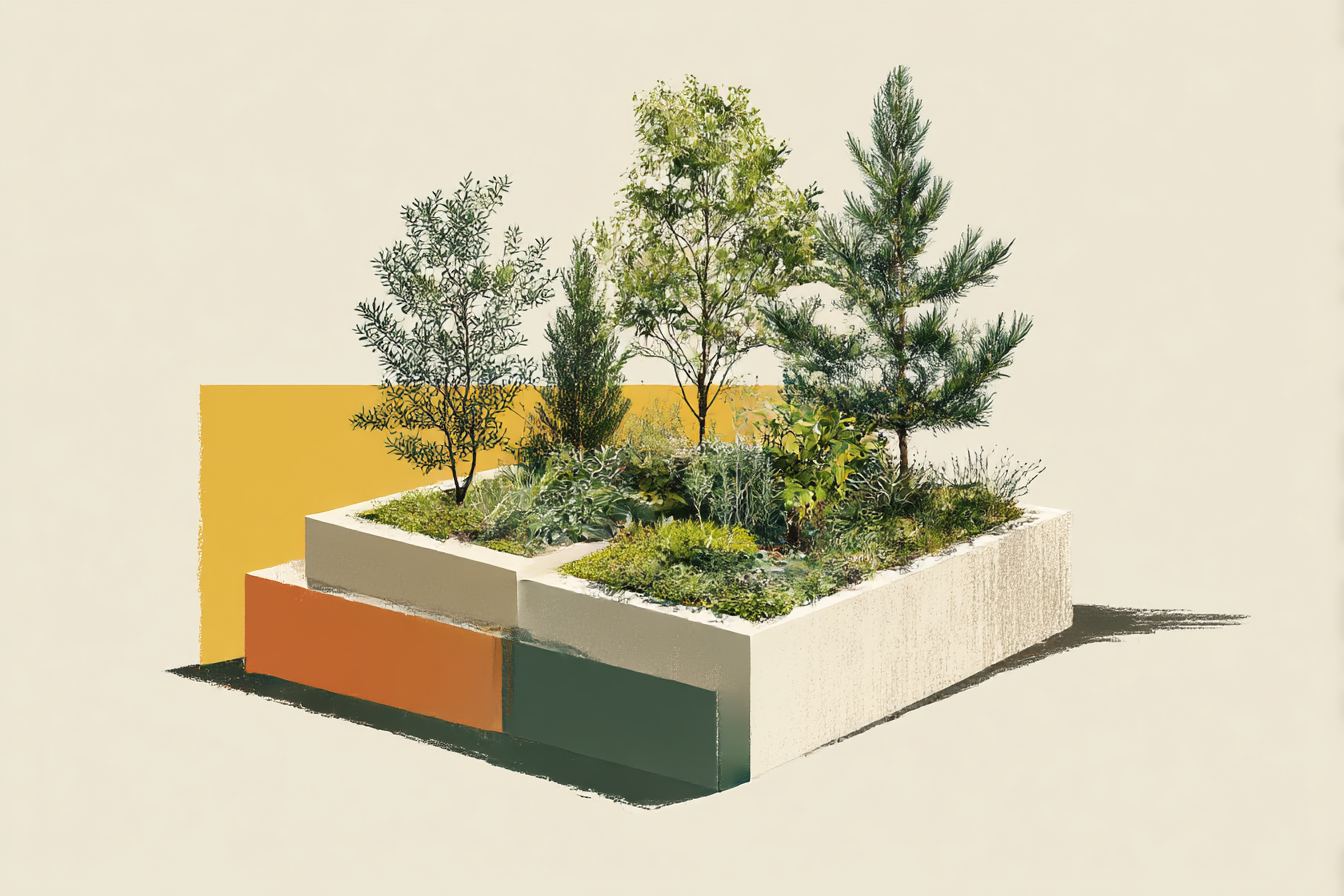
Modern green roof systems aren't just throwing some grass on top of a building and hoping for the best. The engineering is sophisticated—multiple layers of waterproofing, root barriers, drainage systems, and growing media specifically formulated for rooftop conditions. More importantly, the thermal performance data was compelling. A properly designed extensive green roof (the shallow kind with hardy plants) could keep roof surface temperatures 40-50 degrees cooler than conventional roofing, even in extreme heat.
I started paying attention to existing green roof installations around Phoenix and Tucson. The results varied wildly, which taught me everything about why this technology has such mixed reputation. Done wrong, green roofs are expensive disasters that leak, fail to establish plant coverage, and create maintenance nightmares. Done right, though? They're remarkable.
The best example I found was actually at a school in Tucson that had retrofitted their library with an extensive green roof five years earlier. The facility manager walked me through their experience, and the numbers were striking. Summer cooling costs for that building had dropped 25%, roof surface temperatures rarely exceeded 85 degrees even during peak heat, and the membrane underneath was in perfect condition despite being older than the green roof itself. "The plants are basically giving our roof a permanent shade structure," he explained.
What made that installation successful was understanding desert plant communities and working with them rather than against them. They'd used native sedums, desert grasses, and other plants adapted to extreme heat, minimal water, and intense UV exposure. The growing medium was a lightweight aggregate blend that drained quickly but retained just enough moisture to support plant roots during brief dry periods. Irrigation was minimal—just enough to establish plants initially and occasional deep watering during extended drought.
Contrast that with a disastrous installation I investigated at a strip mall in Tempe. The developer had installed a green roof using plants and growing media appropriate for moderate climates, then wondered why everything died within six months and why they had persistent leaking problems. The growing medium retained too much moisture (promoting root rot and creating structural loads the building wasn't designed for), the plants couldn't handle desert conditions, and the waterproofing system failed because installers didn't understand how thermal expansion works with green roof assemblies.
You Might Also Like
The difference came down to climate-appropriate design and understanding how these systems actually function. Green roofs aren't just architectural decoration—they're integrated building systems that need to work with local climate conditions, not against them.
I've since worked on maybe a dozen green roof projects, ranging from simple extensive systems on residential additions to complex installations on commercial buildings. Each one taught me something new about how these systems perform in our climate. The key insights? First, plant selection is absolutely critical. You can't use generic "green roof plants" and expect success in 115-degree heat. Second, the growing medium needs to balance water retention (for plant survival) with drainage (to prevent overloading and leaking). Third, the waterproofing system has to account for thermal movement—desert temperature swings are brutal on roofing materials.
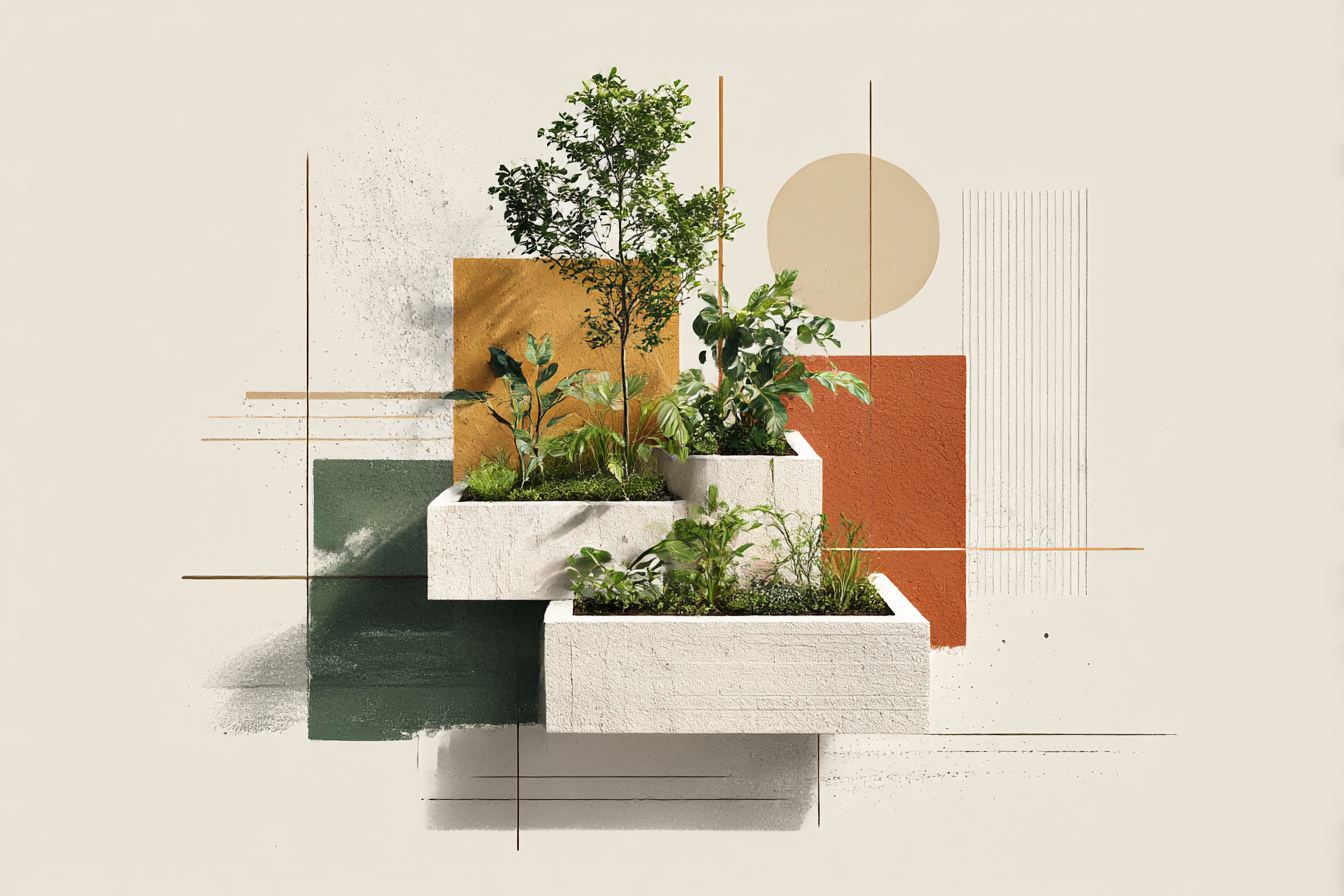
My own house became a testing ground when I added a small green roof section over our kitchen addition three years ago. I went with an extensive system using local sedums and a custom growing medium blend that included decomposed granite for drainage and volcanic rock for water retention. Installation was straightforward once I understood the layer sequence: structural deck, vapor barrier, insulation, waterproofing membrane, protection board, drainage layer, growing medium, plants.
The performance has exceeded expectations. That section of roof stays consistently cooler than our conventional roofing, requiring less insulation underneath to achieve the same thermal performance. Maintenance is minimal—occasional weeding and very infrequent watering during extreme drought periods. The plants have established well and actually look better each year as they've adapted to the specific microclimate conditions.
But here's what surprised me most: the acoustic benefits. Our house sits near a busy street, and that green roof section noticeably reduces traffic noise compared to areas under conventional roofing. The growing medium and plants absorb sound rather than reflecting it, creating a quieter interior environment.
I'm not promoting green roofs as universal solutions, though. They're more expensive than conventional roofing, require more sophisticated design and installation, and aren't appropriate for every building or budget. But for the right applications—buildings with cooling loads, urban heat island concerns, stormwater management requirements, or acoustic issues—they deliver multiple benefits that conventional roofing simply can't match.
The stormwater management aspect is particularly relevant in our increasingly developed desert cities. Even our limited rainfall creates flooding problems when it hits acres of impermeable surfaces all at once. Green roofs absorb initial rainfall, slow down runoff, and reduce peak flows into storm drain systems.

A green roof might capture the first inch of rainfall completely and slow the release of additional water. That's meaningful infrastructure benefit, not just environmental feel-good marketing.
What's exciting me now is how green roof technology is evolving to work better with desert conditions. New growing media formulations better balance drainage and water retention. Plant breeding programs are developing cultivars specifically for extreme heat and low water conditions. Installation techniques are improving to address thermal movement and waterproofing challenges that plague early installations.
I see green roofs as part of a broader shift toward building systems that work with natural processes rather than fighting them. Just like passive solar design uses the sun's energy instead of resisting it, well-designed green roofs use plants' natural cooling and insulation properties to improve building performance. It's not about being trendy or environmentally virtuous—it's about using every available tool to make buildings work better in challenging climates.
The key is approaching them as engineered systems rather than gardening projects, understanding their limitations as well as benefits, and designing specifically for local climate conditions. Done right, green roofs aren't just possible in the desert—they're remarkably effective.