
You wouldn't believe the conversation I had with a contractor last month. We were standing outside a half-finished office building in Tacoma, and he was absolutely furious about a fibre cement siding specification. "This stuff costs twice what vinyl does," he kept saying, "and for what? It looks basically the same." I couldn't help but laugh because here was this guy, probably twenty years in construction, completely missing the point about what makes exterior materials actually sustainable.
That encounter got me thinking about how we talk about green building materials, especially when it comes to the stuff that protects our buildings from weather. Most people focus on the obvious things like energy efficiency or whether something's "natural," but the real story about sustainable exterior materials is way more complicated than that.
Take that fibre cement the contractor was complaining about. Sure, it costs more upfront than vinyl siding, but when you actually crunch the numbers over the building's lifetime, it's a completely different story. I've been tracking the performance of both materials on projects I've consulted on, and the fibre cement consistently outlasts vinyl by decades.
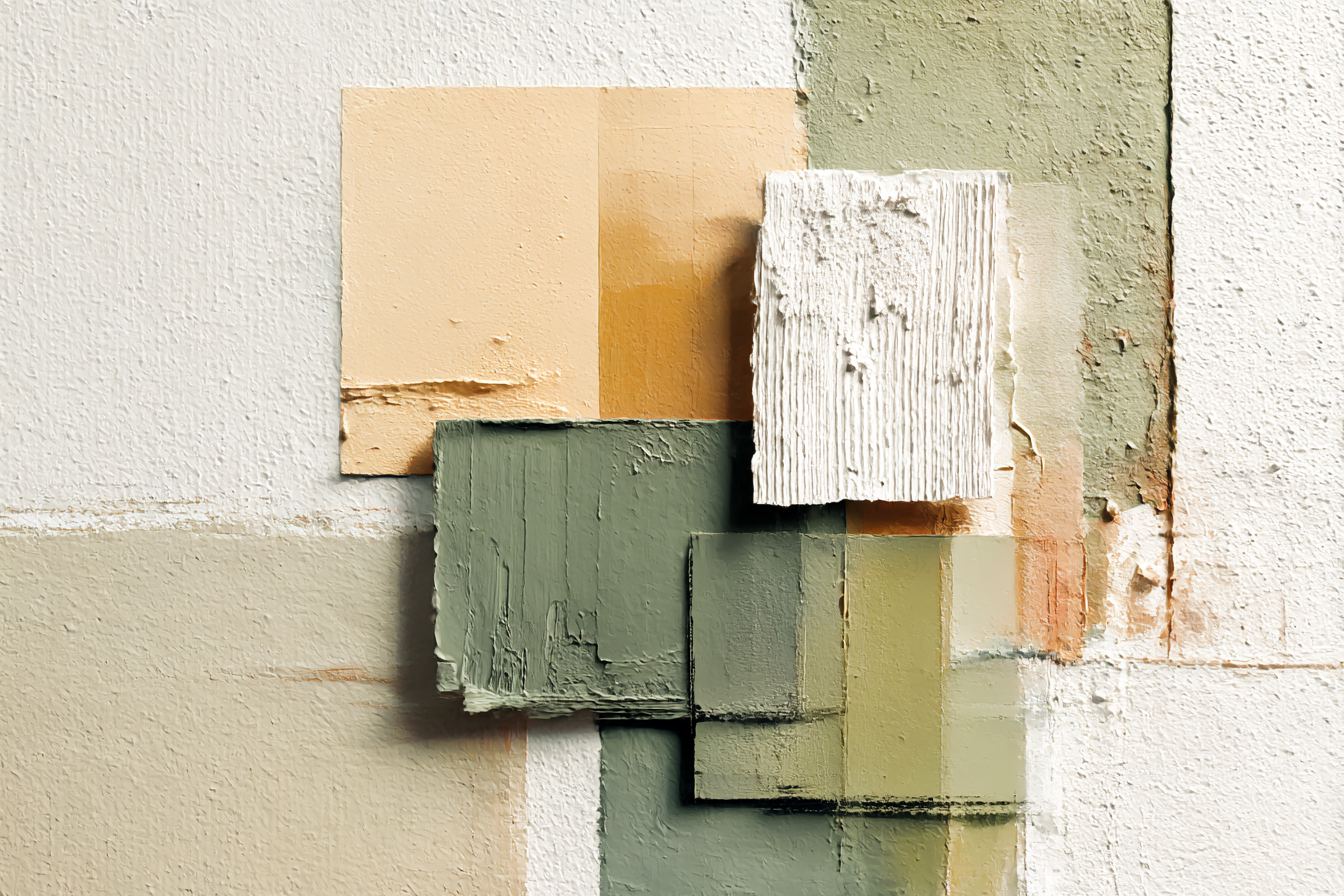
The vinyl starts looking shabby after maybe ten years, needs replacement or major maintenance by fifteen. The fibre cement? I've seen installations from the 1990s that still look decent.
But here's where it gets interesting, and why I always tell people to dig deeper than just "sustainable" marketing claims. Not all fibre cement is created equal. Some manufacturers load their products with synthetic additives that off-gas for years. Others use Portland cement from quarries with terrible environmental practices. The stuff I actually recommend comes from a company in Oregon that sources their wood fibre from certified sustainably managed forests and uses a much lower cement ratio than typical products.
I learned this lesson the hard way about three years ago. I'd specified what I thought was a great sustainable siding option for a school renovation project. The marketing materials were all about renewable content and recyclability. Beautiful stuff. Then I got the actual product data sheets and discovered the binder system included formaldehyde-based resins. For a school building. I had to completely restart the material selection process, which delayed the project by six weeks and made me look like I didn't know what I was doing.
That's when I really started getting obsessive about testing materials myself instead of trusting manufacturer claims. My poor landlord has gotten used to me installing sample sections of different siding materials on our garage. Right now I've got reclaimed cedar shingles, hemp-based composite boards, and some experimental mycelium-based panels all weathering side by side. The mycelium stuff is fascinating, by the way. Made from mushroom roots bound with agricultural waste. Sounds weird, performs surprisingly well.
What I've discovered through all this hands-on testing is that the most genuinely sustainable exterior materials often aren't the ones with the splashiest marketing campaigns. Reclaimed brick, for instance, is absolutely fantastic as a wall material if you can source it locally. Zero embodied energy from manufacturing, proven durability (some of the brick I work with is over a hundred years old), excellent thermal mass properties. But you'll never see reclaimed brick advertised in architectural magazines because there's no big manufacturer pushing it.
Same thing with local stone. I worked on a house in eastern Washington where we used basalt from a quarry literally twelve miles away. Gorgeous material, perfect for the climate, minimal transportation costs. Total game-changer for the building's carbon footprint. But try finding that option in most material catalogues. The industry is set up to promote products that can be shipped anywhere, not solutions that make sense for specific places.
You Might Also Like
This regional approach to sustainable materials keeps coming up in my work. Last summer I consulted on a project in New Mexico where the architect wanted to use some fancy engineered wood siding that would've been shipped from Canada. I convinced them to try stucco made with local sand and lime instead. Traditional technique, locally sourced materials, perfect for the desert climate. The building stays cooler, the material ages beautifully, and the embodied carbon was probably one-tenth what the wood siding would've been.
Of course, working with regional materials means dealing with contractors who might not be familiar with traditional techniques. I spent two days on that New Mexico project just teaching the crew how to apply lime plaster properly. Most of them had only worked with synthetic stucco systems before. But you know what? By the end of the job, they were converts. The lime plaster was actually easier to work with once they got the hang of it, and the results looked way better than any synthetic system.
The health aspects of exterior materials matter more than most people realise, especially for materials that might off-gas into wall cavities or affect indoor air quality. I've been tracking complaints from occupants in buildings where I've done material consulting, and there's definitely a pattern. Buildings with low-VOC or zero-VOC exterior finishes consistently have fewer reports of respiratory issues or chemical sensitivity problems.
That's why I get so frustrated with greenwashing in the exterior materials market. There's this one major manufacturer that markets their vinyl siding as "eco-friendly" because it contains some recycled content. Meanwhile, the plasticizers and stabilizers in their formula include some seriously nasty chemicals that continue off-gassing for years after installation. I've tested air samples from buildings clad with this stuff, and the results aren't pretty.
The recycled content angle is tricky anyway. Just because something contains recycled materials doesn't automatically make it sustainable. I've seen "recycled" composite siding that requires more energy to manufacture than virgin materials would, because the recycled content has to be so heavily processed to be usable. The lifecycle analysis shows it's actually worse for the environment than conventional alternatives.
What really works, in my experience, are materials that combine genuine sustainability with practical performance. Properly sourced wood siding, for instance, from forests managed for continuous harvest. The wood stores carbon throughout the building's lifetime, can be locally sourced in most regions, and lasts decades with appropriate maintenance. I specify it constantly, though I'm always careful about the finish systems. Most conventional wood stains and sealers are loaded with toxic solvents. There are plant-based alternatives that perform just as well without the health risks.
The maintenance question comes up a lot with natural materials. Yes, wood siding needs periodic refinishing. But so does everything else, and wood's maintenance is actually pretty straightforward compared to some alternatives. I've dealt with composite materials that require special cleaning procedures and proprietary repair compounds when they get damaged. Wood? You sand it and apply more finish. Any carpenter can handle the work.
Metal siding deserves mention too, especially reclaimed corrugated steel or aluminium. Incredibly durable, often available from local demolition projects, and completely recyclable at end of life. I used reclaimed steel roofing panels as wall cladding on a workshop building last year.
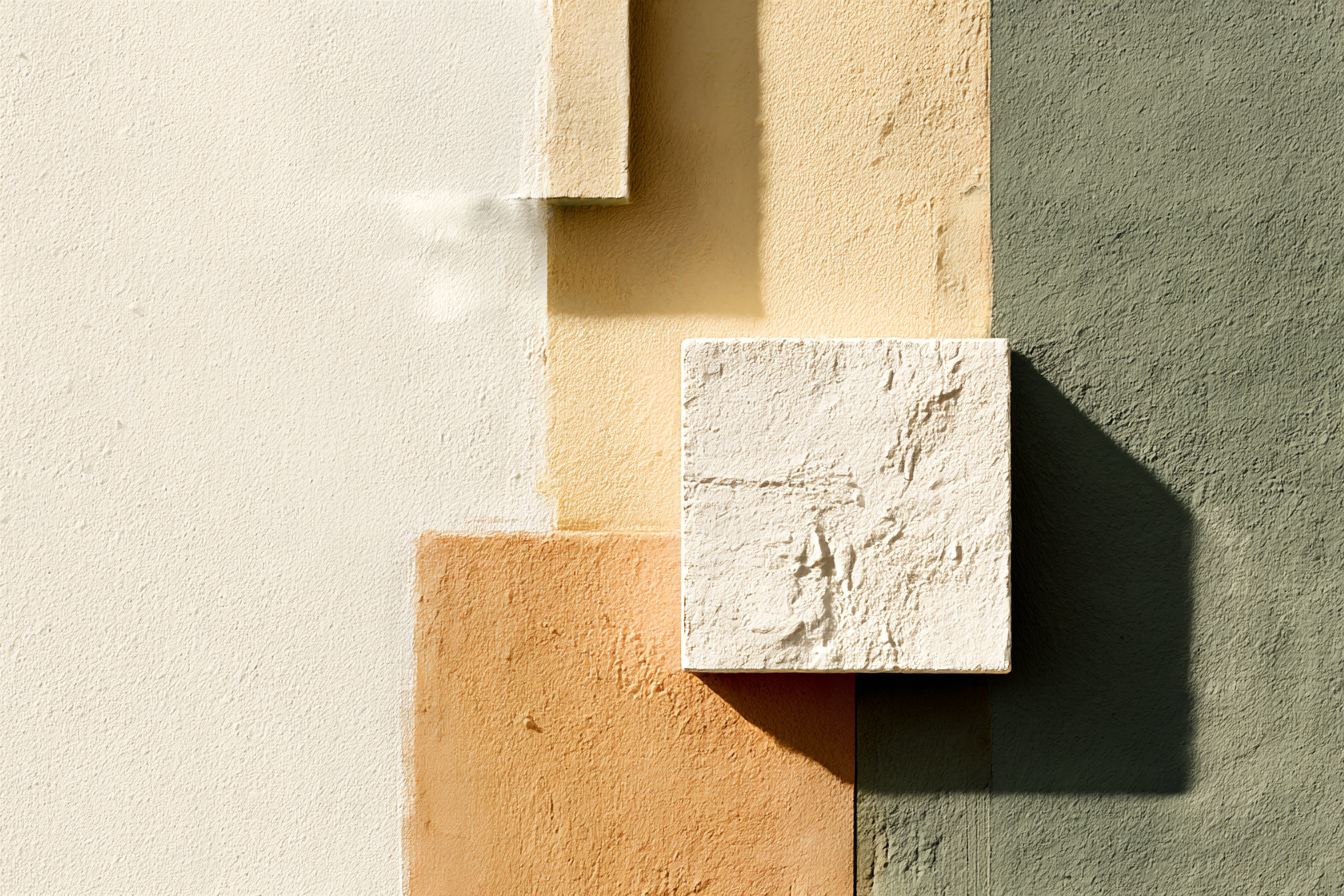
Cost was minimal, installation was straightforward, and the aged patina looked better than anything you could buy new.
The key with any sustainable exterior material choice is understanding what you're actually trying to optimize for. Environmental impact? Human health? Lifecycle costs? Durability? Usually it's some combination, and the best solutions balance all these factors rather than maximizing just one. That takes more work than just picking whatever has the greenest marketing campaign, but the results are worth it. Both for the building's performance and for actually making a difference environmentally.