
Walking through downtown Seattle last Tuesday, I couldn't help but notice the massive construction project where the old Sears building used to stand. Hard hats everywhere, concrete trucks rumbling past, and that distinctive smell of fresh drywall compound drifting from the windows. Made me think about how many commercial spaces I've watched go up over the years, and honestly? Most of them make me wince a little.
Don't get me wrong, it's not that I hate progress. But after spending two decades analyzing what actually goes into these office buildings, I've seen firsthand how many shortcuts get taken when it comes to material choices. The thing is, commercial projects have this unique opportunity to make a massive impact.
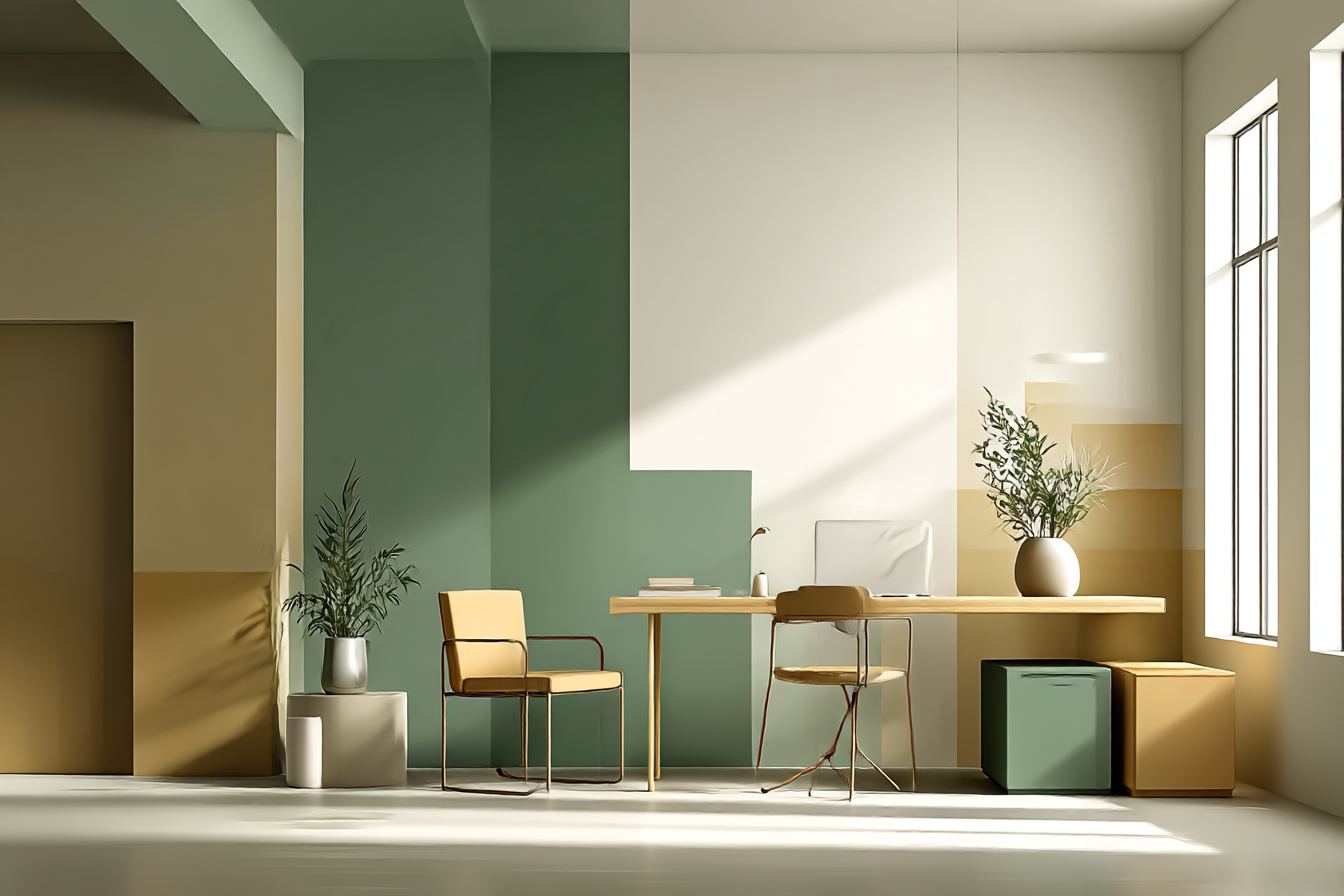
You're talking about spaces where hundreds or thousands of people spend eight-plus hours daily, breathing whatever's off-gassing from the walls, carpets, and finishes.
I remember consulting on a tech startup's headquarters about five years ago. Beautiful space, exposed brick, floor-to-ceiling windows, the whole Silicon Valley aesthetic thing. But the project manager was spec'ing the cheapest possible carpet tiles, paint with VOC levels that would make your eyes water, and adhesives that… well, let's just say I wouldn't want to be pregnant and working in that building during the first six months after installation.
When I brought up alternatives, his response was classic: "Look, we need to hit our budget targets. Green materials cost too much." Except that's not really true anymore, if it ever was. The problem is most people in commercial development still think "sustainable" automatically means "expensive boutique product shipped from Denmark."
Take flooring, for instance. I've been pushing reclaimed hardwood in commercial projects for years now. The material I source typically costs 20-30% less than new wood flooring of comparable quality. Plus, you get character that new materials simply can't match. Those wear patterns, colour variations, little dings and scratches? They tell stories. And from a practical standpoint, pre-weathered wood handles office traffic better than pristine new flooring that shows every scuff mark.
The reclaimed structural lumber market has exploded too. I worked with a law firm last year that wanted exposed beams in their conference room renovation. Instead of new Douglas fir at $12 per board foot, we found century-old fir beams from a demolished warehouse for $6 per board foot. Stronger wood, more stable, incredible grain patterns, and zero embodied carbon from harvesting new trees.
But here's where it gets tricky with commercial work. Residential clients usually make decisions based on what they personally want to live with. Commercial clients are managing facilities for hundreds of other people, dealing with building codes, insurance requirements, maintenance staff capabilities… the decision matrix gets complicated fast.
I've learned to approach these projects differently now. Instead of leading with environmental benefits, I start with performance and economics. Like insulation choices. Most commercial buildings still use fiberglass batts or spray foam, but I've had great success spec'ing cellulose in wall assemblies. Better thermal performance, superior sound dampening (huge benefit in open office layouts), fire resistance, and typically costs less than synthetic alternatives.
The air quality angle sells itself once people understand the numbers. I pulled indoor air monitoring data from three similar office buildings last year. The conventionally finished space had formaldehyde levels averaging 0.08 ppm, the LEED Gold building with "low-VOC" materials hit 0.04 ppm, and the project where we used genuinely zero-emission finishes measured 0.01 ppm. That's not just about comfort, it's about productivity. Studies consistently show cognitive function improvements when indoor air quality improves.
Paint selection drives me absolutely crazy in commercial projects. You'll see spec sheets calling for "low-VOC paint" but nobody bothers checking what that actually means. The current EPA standard allows paints labeled "low-VOC" to contain up to 250 grams per litre of volatile organic compounds. That's still a lot of chemicals off-gassing into your workspace. True zero-VOC formulations exist, perform just as well, and often cost within 10-15% of conventional options.
You Might Also Like
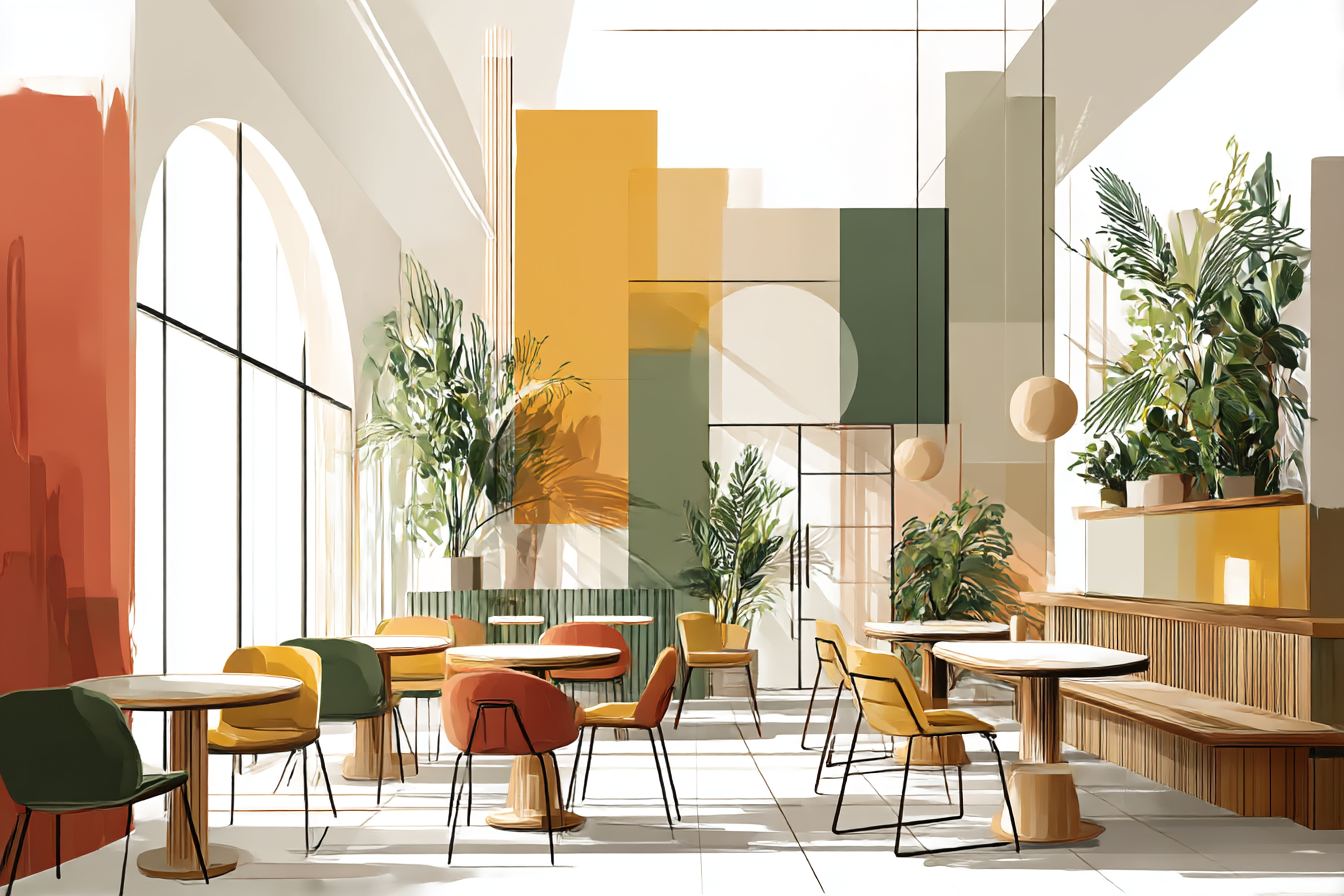
I tested this personally when my landlord let me repaint my home office using different products in different rooms. The conventional latex paint room smelled "painty" for three weeks. The zero-VOC room? No detectible odor after 48 hours. Same coverage, same durability after two years of use.
Carpet remains the biggest challenge in commercial spaces. Most facilities managers default to standard nylon broadloom because it's familiar, cleaners know how to maintain it, and replacement is straightforward. But those conventional carpets are basically petroleum products held together with formaldehyde-based adhesives, installed over pad that's often recycled plastic bottles (sounds green, right?) bonded with more chemicals.
I've been pushing carpet tile systems made from renewable materials. Some manufacturers now offer tiles with bio-based nylon from castor oil, recycled content that's actually recycled (not downcycled plastic), and adhesive-free installation systems. The maintenance story is compelling too because damaged tiles can be replaced individually instead of re-carpeting entire areas.
Ceiling systems get overlooked constantly, which is nuts because they represent huge square footage in most commercial spaces. Standard acoustic ceiling tiles contain mineral fibres held together with… you guessed it, formaldehyde binders. Alternative products using plant-based binders perform identically, often cost the same or less, and don't off-gas chemicals for years after installation.
I visited a recently completed office building in Portland where the developer had used wood fibre ceiling tiles throughout. Beautiful natural texture, excellent acoustic performance, zero formaldehyde, and manufactured just 60 miles from the job site. The project manager told me the material cost was actually lower than their standard spec because they eliminated transportation costs and distributor markups.
Lighting influences material choices more than people realise. LED systems generate way less heat than older technologies, which opens up options for materials that might have degraded under hot fixtures. I've spec'd hemp fiberboard wall panels that would have been problematic under halogen downlights but work perfectly with LED arrays.
The circular economy angle is starting to resonate with commercial clients, especially larger corporations tracking sustainability metrics.

When you can demonstrate that material choices support their carbon neutrality goals or contribute to LEED points they actually need, suddenly budget discussions get more flexible.
I'm working with a corporate campus renovation right now where we're designing the entire interior for eventual disassembly. Mechanical fasteners instead of adhesives, modular systems that can be reconfigured, materials selected for eventual recovery and reuse. It's not costing more upfront, but it's changing how we think about every decision.
The key insight I've gained is that sustainable commercial material selection isn't about finding perfect products. It's about making better choices within real-world constraints of budgets, timelines, and building codes. Sometimes that means prioritizing indoor air quality over renewable content. Sometimes it means choosing regionally available conventional materials over certified products shipped across continents.
What matters is moving the needle. Every commercial project that chooses better materials creates market demand, demonstrates viability to other developers, and improves conditions for the people using those spaces. That's impact worth pursuing.