
Yesterday morning, my coffee got cold while I was hunched over a laptop comparing embodied carbon data for three different types of structural steel. Not exactly how most people start their day, but here I am, thirty years after first climbing those material mountains in my parents' salvage yard, still obsessed with understanding what goes into our buildings.
The thing is, finding truly sustainable building materials has gotten both easier and harder since I started Green Build Reality. Easier because there are genuinely more options now. Manufacturers are responding to demand with innovative products that would have been pipe dreams a decade ago. Harder because the marketing noise has gotten so loud that separating real solutions from greenwashed garbage requires serious detective work.
Take insulation, for instance. Last month I tested samples from eleven different manufacturers, ranging from recycled denim to mushroom-based foam to traditional mineral wool.
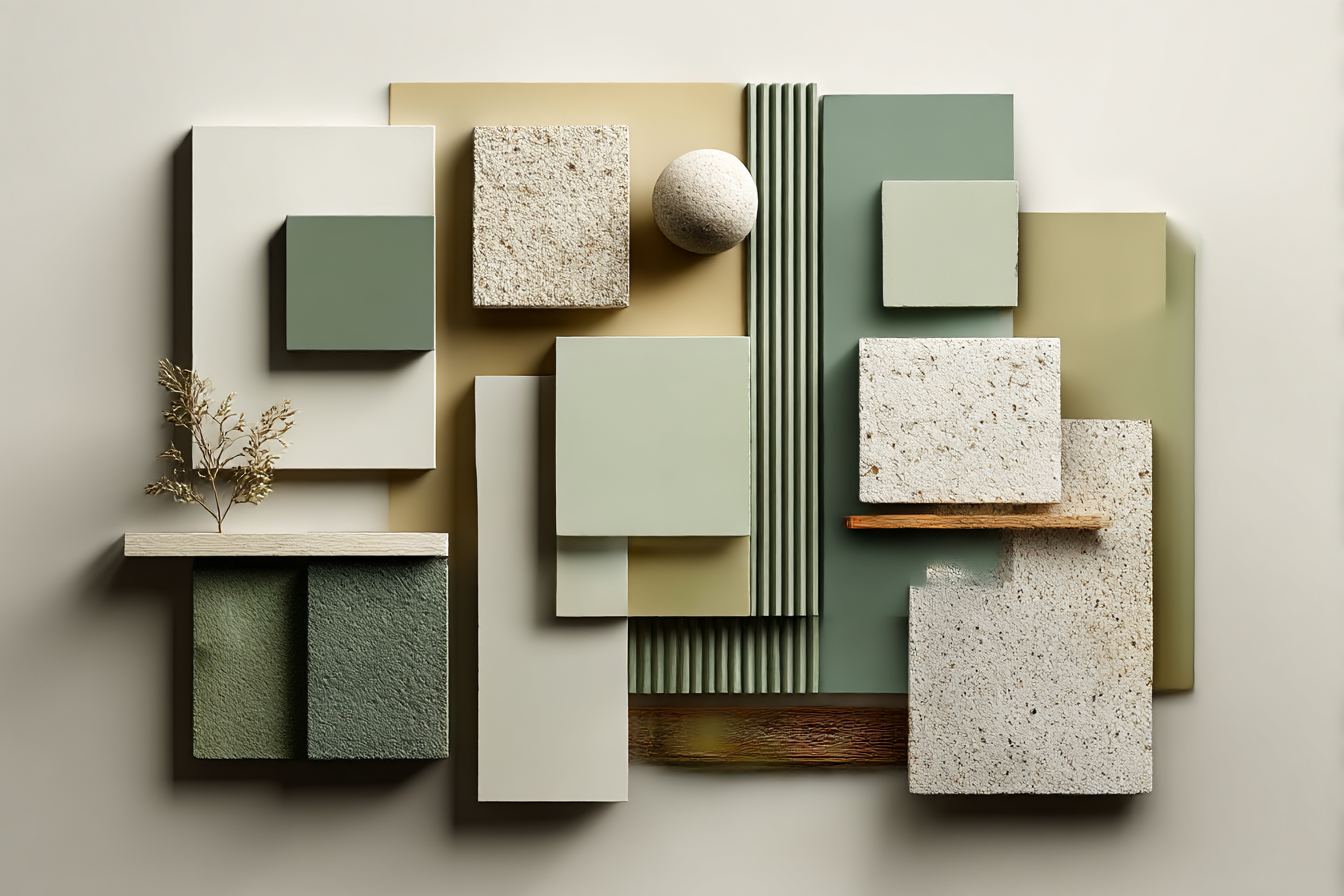
The recycled denim performed beautifully in my thermal tests, but the manufacturer's carbon footprint claims fell apart when I dug into their transportation logistics. They're shipping this stuff from facilities in three different states before final assembly. Meanwhile, the local mineral wool plant twenty miles from my house produces material with better R-values and a fraction of the transport emissions, but nobody talks about it because it's not sexy enough for green building blogs.
I've been thinking a lot lately about how we evaluate materials. The LEED system gives points for recycled content, which sounds great until you realise some "recycled" products consume more energy in processing than making new materials would. I visited a facility last year that turns old carpet into new carpet padding. Impressive technology, sure, but the chemical processing required to break down and reconstitute those fibres was frankly horrifying. The worker giving me the tour mentioned they go through respirator filters weekly. That's not a sign of a healthy manufacturing process.
What really gets me excited are the materials that solve multiple problems at once. Hemp-based building products, for example. I've been experimenting with hempcrete in my own home, and while that first attempt was a disaster (took forever to cure and I ended up with moisture problems), I've refined my approach. The stuff sequesters carbon as it cures, provides excellent insulation, regulates humidity naturally, and when the building eventually comes down, it can literally return to the soil. Plus, hemp grows fast and actually improves soil health while it's growing.
But here's the reality cheque: hempcrete still costs about 40% more than conventional insulation systems when you factor in labor complexity. For a luxury custom home where the client is passionate about sustainability? Perfect. For affordable housing where every dollar counts? Probably not the right choice. This is where my pragmatic side kicks in. Sometimes the most sustainable option is using conventional materials efficiently rather than pursuing perfect solutions that price people out of better building practices entirely.
I spent three days last week at a manufacturer in North Carolina that's turning agricultural waste into structural panels. Rice hulls, wheat straw, cotton burr. Stuff that typically gets burned in fields, creating air pollution and waste. Instead, they're binding it with soy-based adhesives and creating panels that outperform OSB in strength tests while containing zero formaldehyde. The smell in their facility was like walking through a granola factory, not the chemical soup you get in conventional panel plants.
The pricing is getting competitive too. Their wheat straw panels now cost within 15% of standard OSB, and that gap keeps shrinking as they scale production. I'm specifying these panels on three projects right now. Two residential builds and a small commercial renovation where the architect was brave enough to trust my recommendations despite the contractor's initial skepticism.
You Might Also Like

Speaking of contractors, that's been one of my biggest focuses lately: building relationships with the people who actually install these materials. You can specify the most sustainable product in the world, but if the crew doesn't understand how to work with it properly, you'll end up with performance problems that give sustainable materials a bad reputation. I've started hosting quarterly workshops where I bring contractors to manufacturers' facilities to see production processes and learn installation techniques firsthand.
The reclaimed materials market has exploded in ways I never expected. My parents would be amazed at what's happening now. There are online platforms where you can source specific architectural salvage from buildings being demolished across the country. I helped a client in Denver find 1920s heart pine flooring from a warehouse demolition in Georgia. The flooring had already lived one complete lifecycle and was still beautiful enough to be the centerpiece of their renovation. Zero embodied carbon from tree harvest, unique character you can't get from new materials, and actually cost less than premium new hardwood.
But the reclaimed market has problems too. Quality control can be inconsistent, and some dealers have gotten careless about documentation. I've seen "reclaimed" materials that were clearly new lumber artificially aged. There's no regulation in this space, so buyer beware. I maintain relationships with salvage dealers I trust, but I always recommend independent verification for high-value purchases.
The latest materials crossing my desk are getting weird in the best possible way. Mycelium leather made from mushroom roots that's being used for wall coverings. Panels made from compressed sunflower hulls. Concrete alternatives using volcanic ash that would otherwise be waste. Some work, some don't, but the innovation pace is accelerating.
What I find most encouraging is that clients are getting smarter about asking the right questions. Five years ago, conversations started with "What's the cheapest green option?" Now people ask about lifecycle costs, indoor air quality impacts, and regional sourcing. They understand that initial material cost is just one piece of the equation.
The database I'm building on Green Build Reality now includes performance data, cost comparisons, and supplier information for over 800 sustainable building products across 23 categories. Structural systems, insulation, finishes, roofing, electrical, plumbing. Everything you need to build or renovate using materials that actually reduce environmental impact rather than just appearing to.
This isn't about perfection. It's about progress. Every conventional material choice we replace with something genuinely better creates cumulative impact.

My goal is making that replacement process as straightforward as possible, cutting through the marketing noise to help people make decisions based on actual performance and environmental data.
The work continues. New materials arrive weekly for testing. Manufacturers refine existing products. Supply chains evolve. Building codes adapt. It's a moving target, which keeps things interesting. And somewhere out there, another kid is probably climbing around a salvage yard, absorbing lessons about materials and waste and the stories buildings tell. That gives me hope.



