
Walking into that lumber yard in Tacoma last Tuesday, I knew I was about to have another one of *those* conversations. You know the type. The contractor was already shaking his head before I even pulled out my specification sheet.
"Look," he said, "this recycled steel framing stuff sounds nice and all, but my guys don't know how to work with it. Can't we just use regular steel studs?"
I've had this exact exchange probably three hundred times over the past decade. The material I'd specified wasn't exotic or complicated – it was standard gauge steel framing made from 90% recycled content instead of virgin metal. Same dimensions, same installation, same structural properties.

The only difference was the backstory of the raw materials. But somehow, that recycled label made it seem foreign and risky to him.
This is exactly why I spend so much time talking about practical material selection instead of just pushing the latest bio-based wonder products. Don't get me wrong – I love innovative materials. My garage workshop is currently testing samples of insulation made from mushroom mycelium that could revolutionize how we think about building envelopes. But if we can't even get contractors comfortable with recycled steel studs, we're not ready for fungal architecture.
The truth is, selecting sustainable building materials isn't rocket science, but it does require a different mindset than most people bring to construction projects. Instead of asking "what's cheapest?" or "what's familiar?" you need to ask "what makes the most sense for this specific situation when I consider the full picture?"
That full picture gets complicated fast. Take something as simple as flooring. Last month I was helping a young couple renovate their first home in Portland. They wanted "eco-friendly" floors but had a tight budget. The bamboo they'd seen advertised looked perfect – renewable, affordable, trendy. But when we dug into the details, their particular bamboo option was harvested in China, processed with formaldehyde-based adhesives, shipped to California for additional finishing, then trucked to Oregon. The environmental impact was actually worse than using locally-sourced oak hardwood.
We ended up finding reclaimed fir flooring from a 1920s warehouse demolition just fifteen miles away. Cost 30% less than the bamboo, had incredible character, and the only transportation involved was one short truck ride. Plus zero embodied energy from tree harvesting since those trees were cut a century ago. Sometimes the most sustainable choice is the obvious one, if you can see past the marketing.
But here's where it gets tricky – evaluation criteria change depending on your priorities and constraints. That same reclaimed fir wouldn't work for a commercial kitchen where you need seamless surfaces for health code compliance. And it definitely wouldn't work in a basement that occasionally floods, where you need materials that can get wet without harboring mold.
I learned this lesson the hard way during a community centre renovation in Eugene a few years back. I'd specified beautiful reclaimed brick for interior accent walls, focusing on the zero-waste aspect and the rich patina. What I hadn't adequately considered was that those old bricks had been held together with lime mortar for eighty years. Even after careful cleaning, they retained enough alkaline residue to react with the natural oil finish we planned for adjacent woodwork. The finish turned cloudy and had to be stripped and redone with a different chemistry. My sustainable material choice created more work and waste, not less.
This is why I always tell people to evaluate materials across multiple criteria simultaneously. Environmental impact matters, obviously. But so does performance, durability, maintenance requirements, installation complexity, local availability, cost, and compatibility with other materials in your project. You can't optimize for just one factor.
The environmental side alone has multiple layers. Embodied energy – how much energy went into producing the material – is important. But so is transportation distance, manufacturing process impacts, durability (something that lasts twice as long might justify higher initial environmental costs), and end-of-life options. Can it be reused, recycled, or composted when the building eventually gets renovated or demolished?
You Might Also Like
I keep a running database of lifecycle assessment data for common building materials, and the results often surprise people. Concrete, for instance, has terrible carbon emissions from cement production. But concrete buildings can last centuries with minimal maintenance, while wood frame structures typically need major renovations every few decades. Over a 200-year timeline, the concrete might actually have lower total environmental impact despite the heavy upfront carbon debt.
Then there's the health factor, which gets overlooked way too often. I've consulted on projects where clients obsessed over Forest Stewardship Council certification for their trim boards while specifying carpets with brominated flame retardants and paint with high VOC content. Those chemical emissions will affect occupant health every day for years, while the wood's certification mainly impacts forest management practices thousands of miles away. Both matter, but if you can only address one, prioritize what affects daily human wellbeing.
Cost evaluation requires similar sophistication. Sustainable materials often have higher upfront costs but lower lifecycle expenses. The sheep's wool insulation in my house cost about 40% more initially than fiberglass would have, but it regulates humidity better, which reduced my need for mechanical ventilation. It also doesn't degrade over time like fiberglass does – in twenty years, the fiberglass would need replacement while the wool will still be performing like new. When you factor in energy savings and replacement costs, the wool actually saves money long-term.
But not everyone can optimize for lifecycle costs. If you're working within a tight construction budget and won't own the building long enough to recoup higher initial investments, the economic analysis changes completely. This is why I try to identify sustainable options at every budget level rather than just promoting premium products.
Regional considerations matter enormously too. Materials that make perfect sense in the Pacific Northwest can be disasters in Arizona or Florida. I once reviewed plans for a house in Phoenix that specified extensive exterior wood siding – sustainably harvested, locally milled, beautiful stuff that would have been perfect in Oregon. In desert conditions with intense UV and extreme temperature swings, that wood would require refinishing every few years just to survive. Stucco made from local materials would have been more sustainable despite being less "natural."
The selection process I've developed over the years starts with defining project-specific priorities. Are you optimizing primarily for health, environmental impact, cost, or durability? What are your non-negotiables – maybe you absolutely need slip resistance for safety, or fire rating for code compliance? What's your realistic budget range, and are you paying for materials only or need to factor in specialized installation labor?
Next, I research options within those constraints. This means going beyond manufacturer marketing materials to find actual performance data, health certifications, and lifecycle assessments. I cross-reference multiple sources because individual studies can have biases or limitations. I also cheque availability – the most sustainable material in the world doesn't help if you can't actually buy it in your region without prohibitive shipping costs.
Then comes the compatibility cheque. How will your preferred materials interact with each other and with existing building systems? Will your chosen insulation create condensation problems with your selected vapor barrier? Can your flooring expand and contract safely given your wall materials and climate conditions?
Finally, I try to test or inspect materials personally whenever possible. Photos and spec sheets only tell part of the story. How does the material feel?
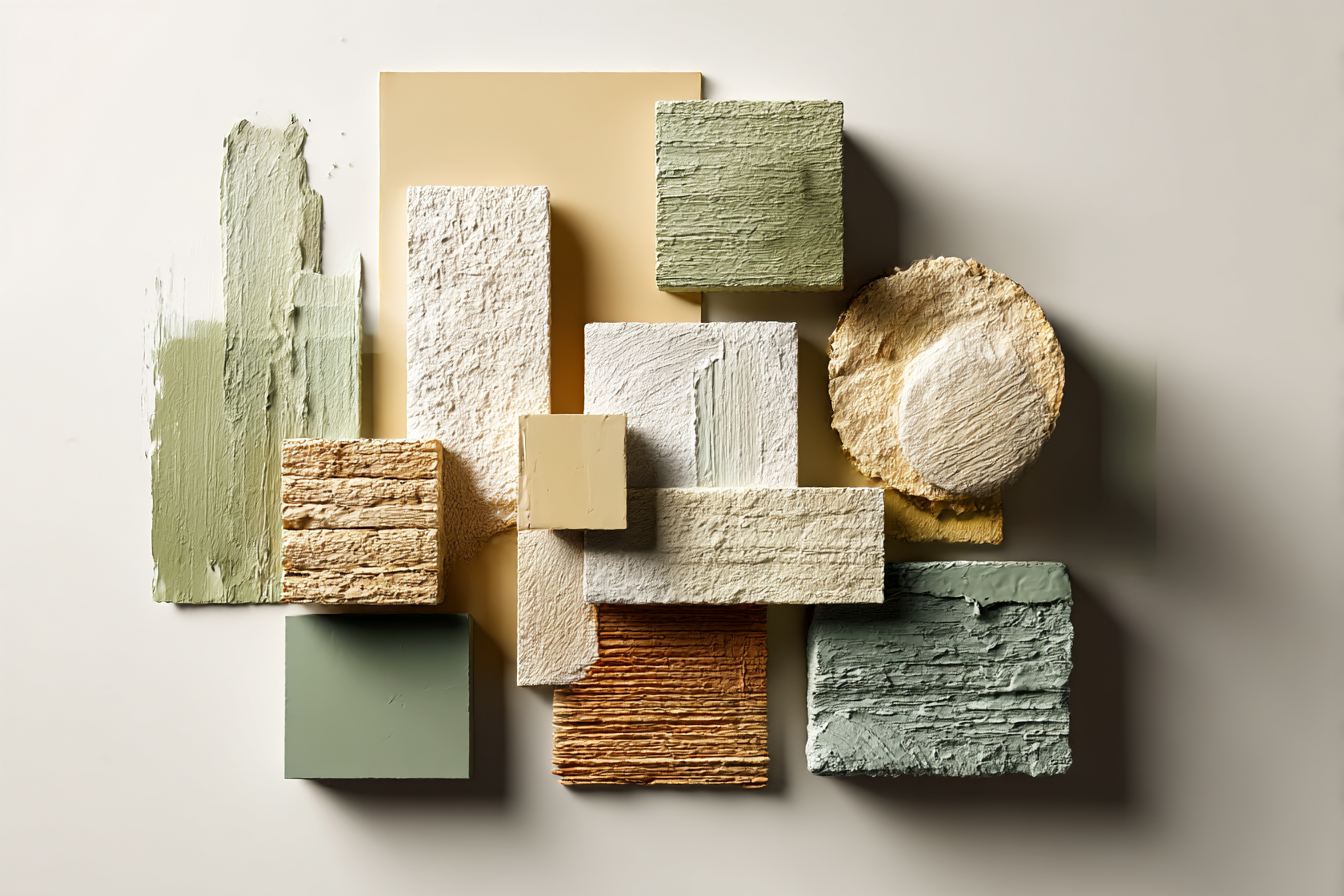
How does it smell? How difficult is it to work with? I've rejected materials that looked perfect on paper but felt cheap or unstable in person, and I've recommended others that exceeded expectations despite modest specifications.
The goal isn't perfection – it's making better choices with full awareness of tradeoffs involved. Every material selection involves compromises. The key is making those compromises intentionally rather than accidentally, with clear understanding of what you're gaining and what you're giving up.
That contractor in Tacoma? After we talked through the recycled steel specifications and I showed him installation videos from other projects, he agreed to try it. Three weeks later he called to say his crew loved working with it because the recycled content actually made it slightly easier to cut cleanly. Sometimes the biggest barrier to sustainable material adoption is just fear of the unknown.