
Last Tuesday, I found myself standing in a client's living room, running my hand along what they proudly called their "eco-friendly" dining table. The irony wasn't lost on me. Here was a piece made from endangered Brazilian rosewood, shipped 5,000 miles, finished with formaldehyde-laden lacquer, and somehow marketed as sustainable because the manufacturer planted three saplings for every tree harvested. I couldn't help but think of my mother turning down that asbestos-laden paneling years ago. "We're not passing poison to the next generation," she'd said. Sometimes I wonder if we've gotten better at hiding the poison rather than eliminating it.
The truth about sustainable wood furniture isn't found in marketing brochures or certification logos plastered across showroom displays. It's in understanding what makes wood genuinely sustainable, and frankly, most people get it completely wrong.

After fifteen years of testing materials, visiting sawmills, and watching forests managed both responsibly and recklessly, I've learned that sustainable wood isn't about exotic species with fancy names. It's about local availability, responsible harvesting, and understanding what happens to trees both before and after they become furniture.
Let me start with what drives me crazy about the furniture industry's approach to sustainability. Walk into any showroom advertising "eco-friendly" furniture and you'll see bamboo everything. Now don't get me wrong, bamboo can be sustainable, but most commercial bamboo furniture uses adhesives that off-gas for years, and much of it travels thousands of miles from Asian plantations to American living rooms. Meanwhile, perfectly sustainable hardwood species grow within a few hundred miles of most furniture buyers, often in forests that actually need selective harvesting to remain healthy.
I remember visiting a furniture manufacturer in North Carolina a few years back. They were producing beautiful pieces from locally sourced tulip poplar, white oak, and cherry, all harvested from sustainably managed forests within 200 miles of their facility. The wood was air-dried using solar kilns, finished with plant-based oils, and the whole operation had a carbon footprint smaller than most single pieces of imported "sustainable" furniture. Yet they struggled to compete with manufacturers touting exotic hardwoods certified by organizations most consumers couldn't identify if their lives depended on it.
This brings me to Forest Stewardship Council certification, which everyone treats like the gold standard of sustainable wood. Look, FSC certification is better than no oversight, but it's not a guarantee of environmental virtue. I've seen FSC-certified operations that met technical requirements while clearcut logging in ways that devastated local ecosystems. I've also worked with small-scale foresters managing their land beautifully without any certification because the paperwork costs more than their entire annual revenue.
Real sustainable wood starts with understanding your local forest ecology. In the Pacific Northwest, Douglas fir is abundant, fast-growing, and when properly managed, creates healthier forest conditions. In the Southeast, pine species regenerate quickly and support diverse wildlife when harvested selectively. In New England, managing hardwood forests through careful thinning actually increases biodiversity while providing excellent furniture wood.
But here's what nobody talks about: most "sustainable" furniture isn't made from sustainably harvested trees at all. It's made from plantation forestry, which is basically industrial agriculture applied to trees. These operations plant single species in rows, harvest everything at once, and repeat the cycle. It's efficient for wood production but terrible for forest ecosystems. The wood itself isn't inherently bad, but calling it sustainable forestry is like calling factory farming sustainable agriculture.
You Might Also Like
The species that actually make the most sense for sustainable furniture depend entirely on where you live. In my own home, I've got pieces made from Pacific madrone (a local hardwood that most people ignore), Oregon white oak (abundant and beautiful), and reclaimed old-growth fir from a demolished warehouse. The madrone came from a tree removal project where the homeowner was thrilled someone wanted the wood instead of chipping it. The oak came from a sawmill 60 miles away that processes trees removed during forest thinning operations. The reclaimed fir had already served 80 years in one building and will easily serve another century in mine.
I've tested dozens of wood species for furniture over the years, both conventional and alternative options. Some discoveries surprised me. Eastern red cedar, usually considered a low-value species, makes incredibly durable furniture with natural insect resistance. Black walnut, everyone's favorite expensive hardwood, is actually quite sustainable when sourced regionally because it grows relatively quickly and forest management often involves removing walnut trees that are shading out other species.
Then there are species I wish more people knew about. Paulownia grows faster than bamboo, produces excellent lightweight furniture wood, and actually improves soil conditions while growing. American chestnut, devastated by blight decades ago, is making a comeback through blight-resistant breeding programs, and the wood is absolutely gorgeous. Honey locust produces incredibly hard, rot-resistant wood while fixing nitrogen in the soil and providing wildlife habitat.
What frustrates me most is how the furniture industry has trained consumers to want exotic species for sustainability credibility. Customers specifically request teak, mahogany, or other tropical hardwoods because they associate rarity with quality. But the most sustainable choice is usually the most boring: whatever grows well in your region and doesn't require shipping across continents.
I've also learned that sustainability goes way beyond the wood species itself. The adhesives used in engineered wood products often contain more toxic chemicals than the wood contains beneficial compounds. Many "eco-friendly" finishes are just conventional polyurethane with a green label. Even the sawmill operations matter, some use solar kilns and efficient sawing techniques while others waste enormous amounts of energy and wood.
My current favorite sustainable approach is what I call "opportunistic sourcing." Instead of specifying species first, I work with local tree services, urban forestry programs, and small sawmills to find out what quality wood is available from trees that need removal anyway.
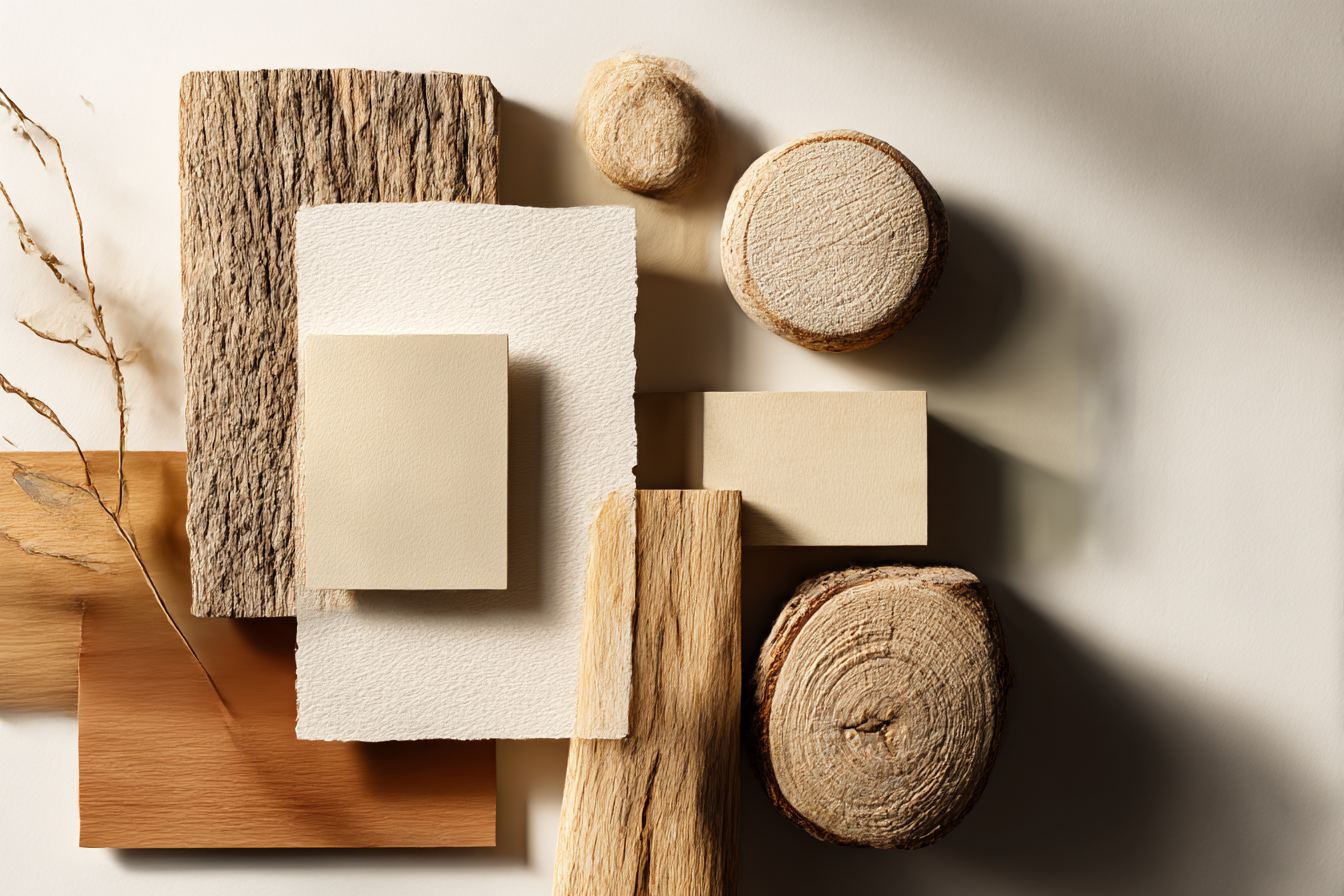
Storm damage, development clearing, and forest health treatments produce enormous amounts of excellent furniture wood that often gets chipped or burned simply because there's no market infrastructure to process it efficiently.
This approach led to some of my most satisfying furniture projects. A dining table made from a maple tree removed from a client's yard after storm damage. Bookshelves crafted from walnut trees that had to be removed during a highway widening project. Kitchen cabinets built from pine killed by bark beetles but salvaged before decay set in. Each piece has a story, zero embodied carbon from new tree harvesting, and cost significantly less than conventional furniture while supporting local craftspeople.
The key to genuinely sustainable wood furniture isn't following certification programs or buying specific species. It's understanding your local forest resources, supporting responsible harvesting practices, and choosing durability over trends. A well-built piece of furniture from locally sourced wood will outlast dozens of mass-produced items while supporting forest health rather than degrading it. That's the kind of sustainability my mother would have approved of, and the kind that actually makes a difference.