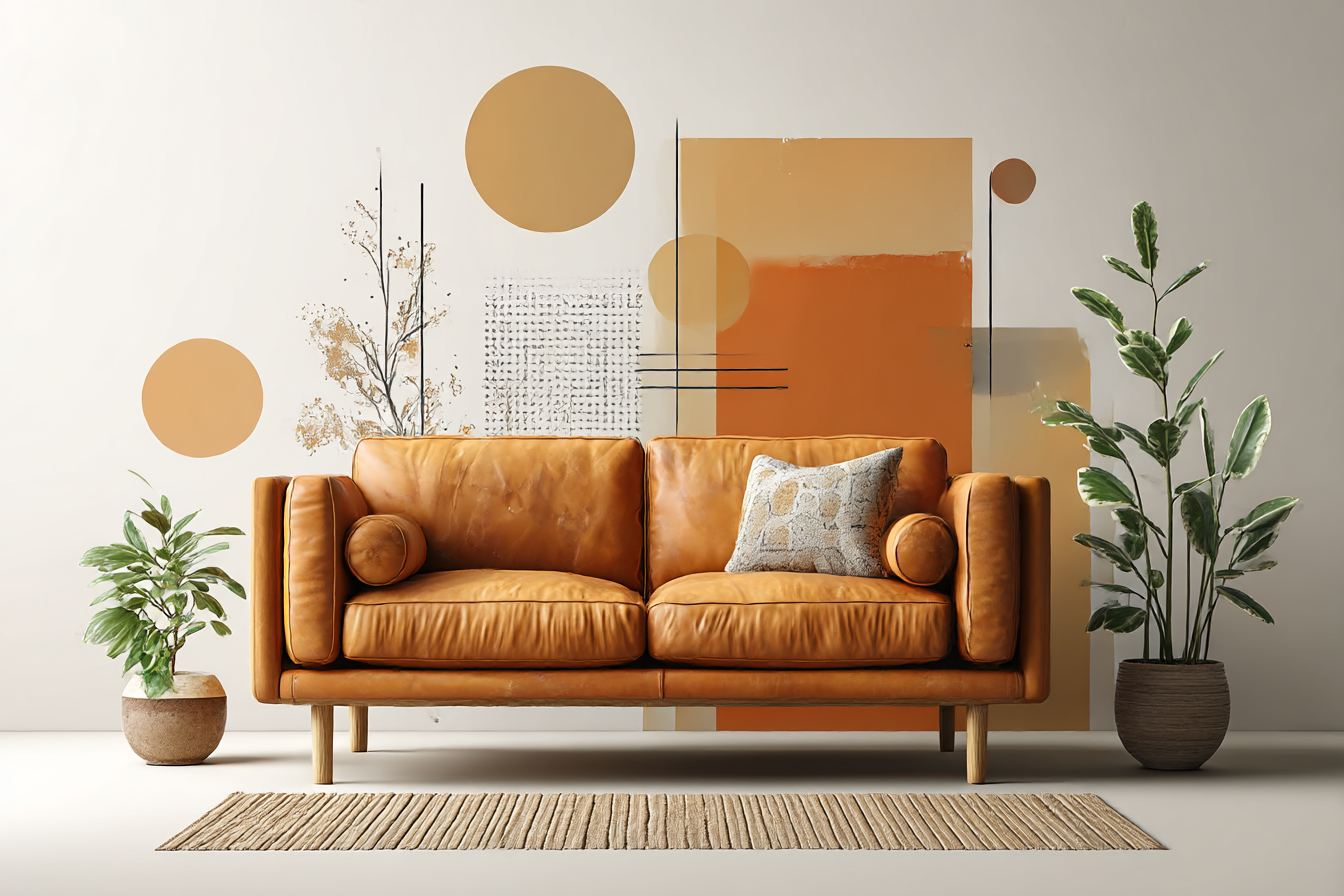
When my neighbour Sarah called me three weeks ago in tears about her new couch, I knew exactly what had happened before she even explained. She'd spent months saving for what she thought was genuine leather furniture, only to discover after delivery that the off-gassing was so intense she couldn't stay in her living room for more than twenty minutes without getting a headache. The "leather" turned out to be conventional PVC wrapped around particle board, treated with enough chemical stabilizers to make a chemistry student wince.
Sarah's situation isn't unique, unfortunately. I get calls like this monthly from people who thought they were buying quality leather furniture but ended up with toxic synthetic materials masquerading as the real thing. What makes these conversations particularly frustrating is that genuinely sustainable alternatives exist now, but most furniture stores don't carry them, and online marketing makes it nearly impossible to distinguish between actual leather alternatives and chemical-laden imitations.
Real leather has its own problems, obviously. The tanning process traditionally uses chromium compounds that create serious environmental and health concerns.
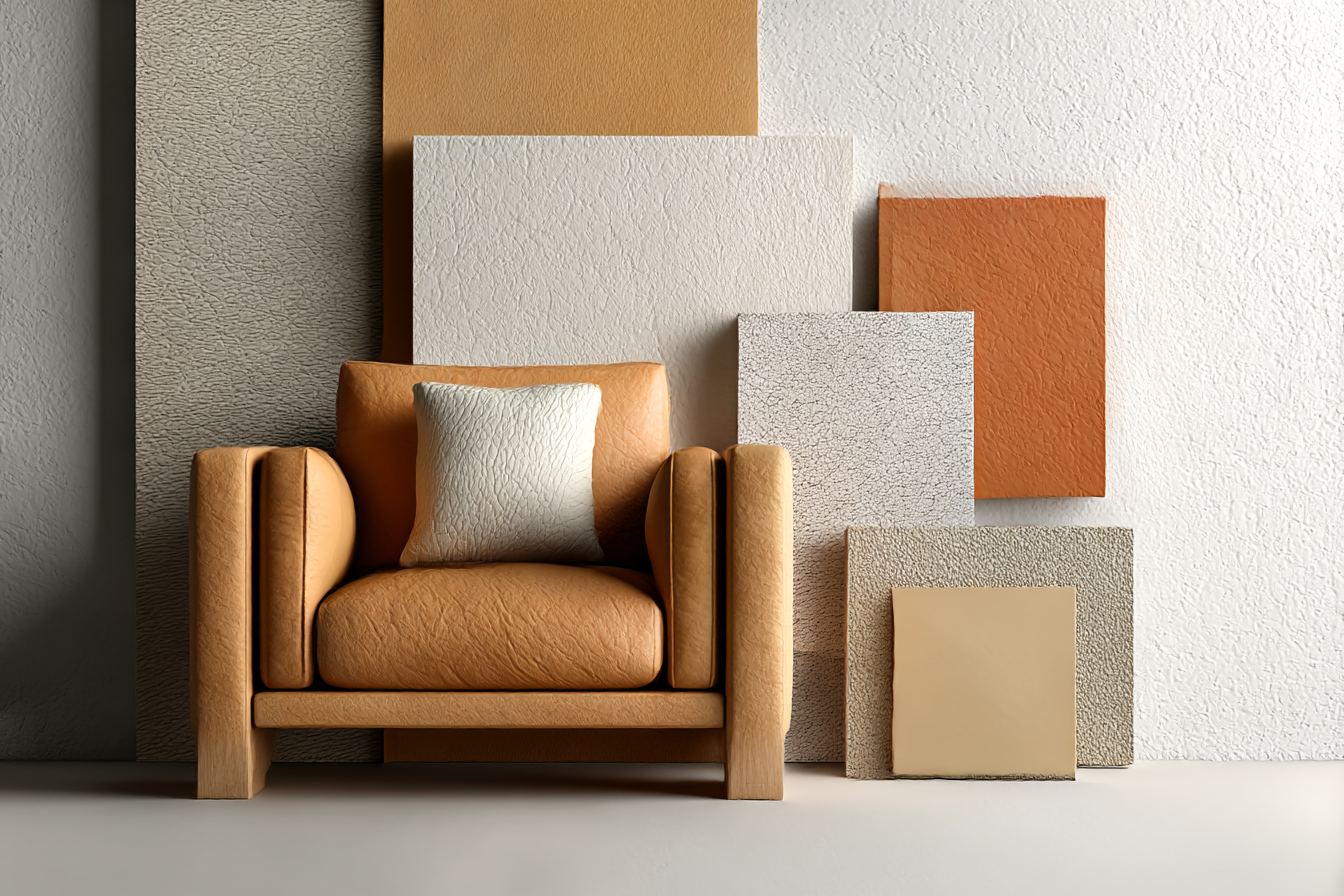
I visited a conventional tannery in North Carolina two years ago, and honestly? The smell hit you from half a mile away. Workers wore respirators constantly, and the wastewater treatment facility looked like something from a dystopian movie. Even "vegetable-tanned" leather often uses synthetic chemicals alongside plant materials, though it's definitely better than chromium-tanned options.
But here's what's exciting: the past five years have brought remarkable innovations in plant-based leather alternatives that actually perform well and don't poison your indoor air. I've been testing these materials in my own home and through Green Build Reality, and some genuinely impressive options have emerged.
Mushroom leather was the first alternative that made me think we might be onto something revolutionary. I got samples from Bolt Threads about eighteen months ago, and the texture was surprisingly convincing. Not perfect, but close enough that you'd need to touch it to tell the difference. The material is made from mycelium (basically mushroom roots) grown in controlled environments, then processed without the harsh chemicals traditional leather requires. My sample piece held up well to repeated flexing and stretching, though it did show wear patterns faster than high-quality animal leather would.
What impressed me more was cork leather, which sounds ridiculous until you actually handle it. I bought a messenger bag made from Portuguese cork leather last year, expecting it to feel like… well, cork. Instead, it's remarkably soft and flexible, with a subtle grain that develops character over time. Cork harvesting doesn't harm trees at all, the processing requires minimal chemicals, and the durability has been outstanding. My bag looks better now after a year of daily use than when I first got it.
Pineapple leather caught my attention because it uses waste from pineapple farming, which appeals to my salvage yard sensibilities. The material, marketed as Piñatex, transforms pineapple leaf waste into surprisingly durable upholstery material. I had a desk chair reupholstered with it six months ago, and so far it's holding up beautifully. The texture is slightly more textured than animal leather, but in a pleasant way that adds visual interest.
Apple leather uses peels and cores from juice production, creating another waste-to-resource story. I tested samples from several manufacturers, and quality varies significantly. Some felt plasticky and cheap, while others had genuine leather-like qualities. The key is finding manufacturers who minimize synthetic binding agents, because some apple leather products contain almost as much plastic as conventional fake leather.
You Might Also Like

What really excites me about these alternatives isn't just their environmental benefits, but their performance characteristics. Many outperform conventional synthetic leather dramatically. They breathe better, which means less moisture buildup and bacterial growth. They don't off-gas volatile organic compounds that trigger headaches and respiratory issues. And surprisingly, several cost less than high-quality animal leather while lasting nearly as long.
I helped Sarah replace her toxic couch with one upholstered in mushroom leather from a small manufacturer in Oregon. The difference was immediate and dramatic. No chemical smell. No headaches. Her kids could play on it without triggering her youngest daughter's asthma. Three months later, it still looks and feels great, developing a natural patina that adds character rather than looking worn.
The furniture industry's adoption of these materials has been frustratingly slow, though. Most major manufacturers stick with conventional options because supply chains are established and margins are predictable. Finding furniture made with genuine plant-based leather alternatives often means working with smaller companies or custom manufacturers. It's worth the effort, but requires more research than walking into a furniture store.
I keep detailed performance notes on every alternative material I test, and honestly? Some don't make the cut. Certain cactus leathers feel great initially but show premature wear. Some tree bark alternatives crack after repeated flexing. A few grape leather samples I tested had inconsistent coloring that became blotchy over time. Not every innovation succeeds, which is why testing matters.
Price-wise, these alternatives span a wide range. Basic mushroom leather costs about the same as mid-range animal leather. Premium cork leather can be more expensive than traditional options, but lasts significantly longer in my experience. Pineapple and apple leathers often cost less than genuine animal leather while providing comparable durability for most applications.
Maintenance is generally easier than traditional leather. Most plant-based alternatives can be cleaned with simple soap and water rather than specialized leather cleaners loaded with conditioning chemicals. They don't require regular conditioning treatments, and many resist staining better than animal leather.
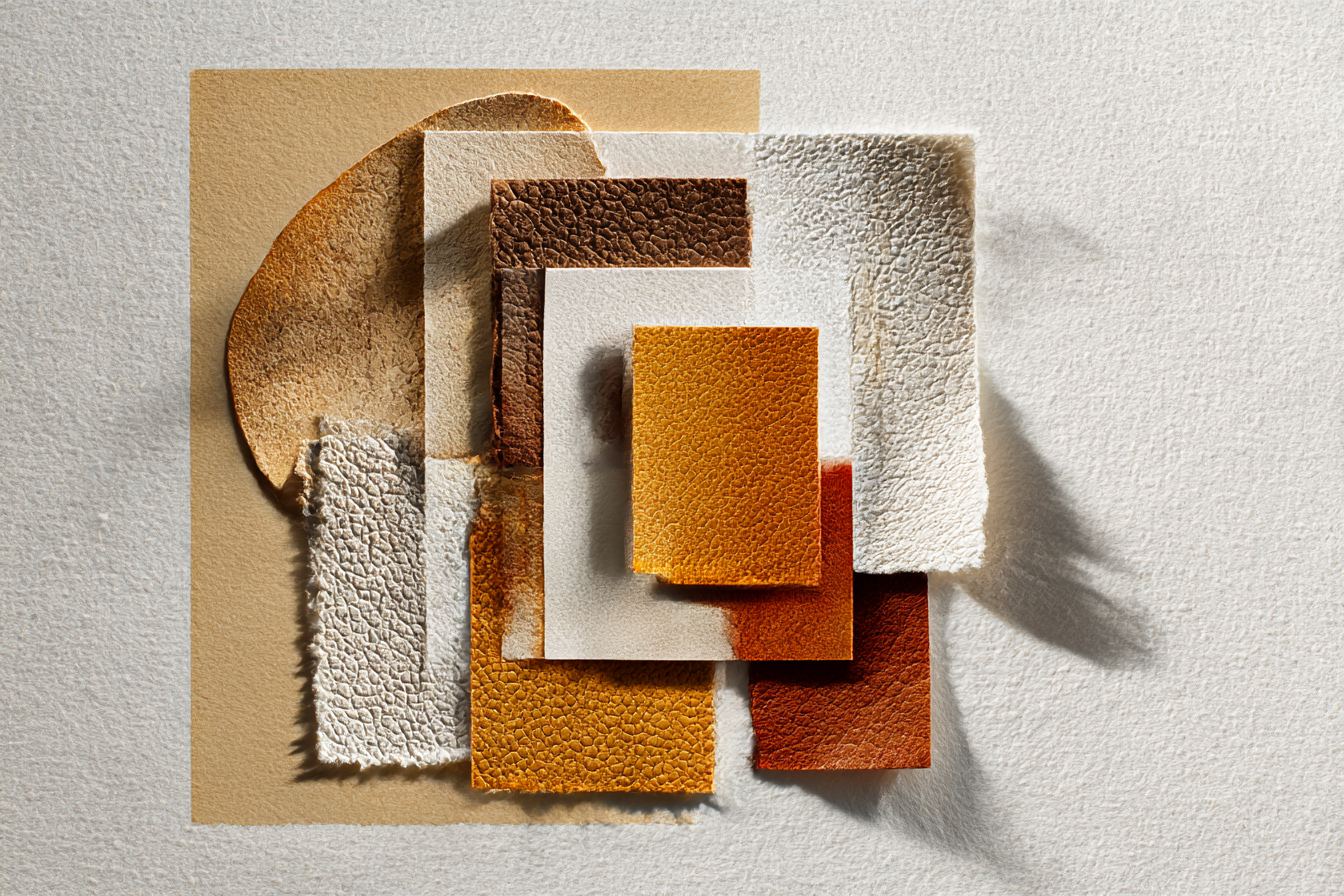
My cork leather bag has survived coffee spills and rain without showing lasting damage.
For anyone shopping for leather furniture alternatives, I recommend requesting samples first. Feel the material, bend it, even smell it closely. Quality plant-based leathers should feel substantial and flexible without chemical odors. Avoid anything that feels or smells plasticky, regardless of marketing claims about plant origins.
The transformation happening in leather alternatives represents something larger than just material innovation. It's about recognising that we can maintain the aesthetic and functional qualities we value while eliminating environmental and health costs we've accepted as inevitable. Sarah's new couch proves that sustainable doesn't mean sacrificing comfort or beauty. Sometimes it actually means improving both.
These alternatives aren't perfect yet, and traditional leather isn't disappearing anytime soon. But the progress I've witnessed in just the past few years suggests we're approaching a tipping point where sustainable options will become the obvious choice rather than the alternative one.



