
My client called me last Tuesday in complete panic mode. She'd just moved into her dream loft in Portland's Pearl District, and her brand new "sustainable" furniture set had arrived. The problem? The bamboo dining table was too big, the reclaimed wood coffee table blocked the natural light flow, and somehow her carefully chosen eco-friendly pieces made the space feel cramped and claustrophobic. "I thought buying green furniture was enough," she said. "But this doesn't feel right at all."
I hear this story way too often. People assume that simply purchasing furniture made from sustainable materials equals an environmentally conscious living space. But here's the thing I've learned after years of testing materials and consulting on green building projects: how you arrange your furniture matters just as much as what it's made from.

Actually, maybe more.
Let me explain what I mean. When you position furniture poorly, you're essentially fighting against your home's natural systems. Block a window with an oversized bookshelf, and suddenly you're reaching for the light switch during peak daylight hours. Push your couch against an exterior wall during winter, and you'll crank up the heat because that wall is acting like a thermal vampire, sucking warmth right out of your living room. These aren't minor inconveniences, they're energy drains that compound over time.
I learned this the hard way during my own apartment renovation three years ago. I'd sourced this gorgeous reclaimed Douglas fir dining set from a salvage dealer I knew through my parents' old business. Beautiful stuff, real craftsmanship, zero embodied carbon from new tree harvesting. Perfect, right? Except I placed the table directly under my apartment's main light fixture and positioned the chairs facing away from the windows. Every meal felt dim and gloomy, so I compensated with extra lighting. My electric bill jumped 15% that first month. The furniture was sustainable, but my layout was working against basic energy efficiency.
The solution wasn't buying different furniture, it was understanding how furniture placement affects energy flow. I moved that dining set near the south-facing window, angled the chairs to catch natural light, and immediately felt the difference. Meals became brighter, more pleasant, and my electricity usage dropped back to normal levels.
This experience got me thinking about furniture layouts from a systems perspective. Your home is essentially a collection of interconnected environmental zones, and furniture acts like the infrastructure that either supports or disrupts those natural patterns. When you work with these patterns instead of against them, you create spaces that need less artificial heating, cooling, and lighting to feel comfortable.
Take thermal zoning, for instance. Heat moves in predictable ways through interior spaces, rising toward ceilings, flowing along walls, pooling in corners. Smart furniture placement can either enhance or impede these natural air currents. I've seen people unknowingly create dead air pockets by pushing large storage units against walls, then wonder why certain areas of their home always feel stuffy. Meanwhile, positioning the same furniture to channel airflow can actually improve natural ventilation throughout the space.
One of my favorite examples comes from a consultation I did for a family in a 1920s Craftsman bungalow in Southeast Portland. Their living room felt perpetually cold in winter despite a perfectly functional heating system. The culprit? They'd arranged their sectional sofa in a U-shape that trapped warm air in the centre while creating cold zones along the perimeter. We reconfigured the seating to create clear pathways for heat circulation, positioning pieces to direct warm air flow rather than contain it. Same furniture, dramatically different thermal performance.
Natural lighting is another area where arrangement makes enormous difference. I always start furniture planning by mapping out how light moves through a space during different times of day and seasons. South-facing windows provide consistent illumination, east windows offer morning brightness, west windows can create harsh afternoon glare. Your furniture should work with these patterns, not fight them.
You Might Also Like
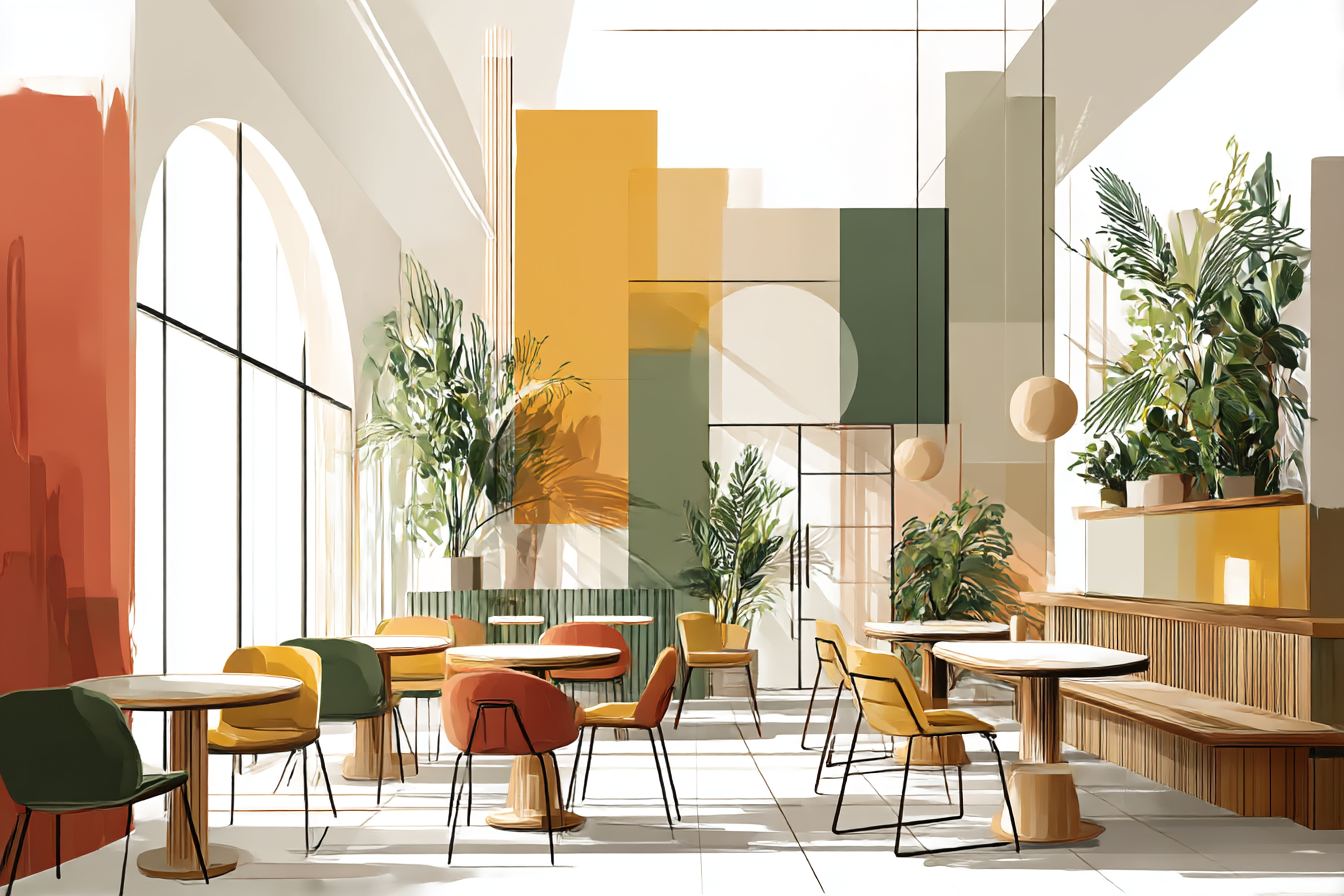
The key is understanding that every piece of furniture is either reflecting, absorbing, or blocking light. Light-colored, smooth surfaces bounce illumination deeper into rooms, while dark or textured pieces absorb it. Position a white oak credenza where it can catch and reflect window light, and you're essentially creating a passive lighting system. Stick a dark walnut entertainment centre in the same spot, and you're creating a light void that demands artificial illumination to compensate.
I've become obsessed with multifunctional layouts that maximize both space efficiency and environmental performance. Storage ottomans placed to catch winter sun provide thermal mass while hiding clutter. Dining tables positioned to serve as workspace during the day eliminate the need for separate home office furniture. Modular seating that reconfigures for different activities means you need fewer total pieces.
The materials your furniture is made from also interact with room layout in ways most people never consider. Solid wood pieces have thermal mass, meaning they absorb heat during warm periods and release it when temperatures drop. I've seen clever arrangements where wooden furniture acts as passive thermal storage, moderating room temperature swings throughout the day. Upholstered pieces, on the other hand, provide insulation but can impede air circulation if positioned poorly.
Metal furniture conducts temperature readily, making placement near heating or cooling sources particularly important. I once helped a client whose steel and leather chairs became uncomfortably hot every afternoon because they'd positioned them in direct sunlight streaming through west windows. Simple repositioning solved the problem without requiring window treatments that would have blocked natural light year-round.
Room acoustics play into this equation too. Hard materials like wood and metal reflect sound, while soft materials absorb it. Strategic furniture placement can control noise levels and create better acoustic environments without adding specialized sound treatment. I've used bookcases filled with volumes as natural sound dampening, positioned to reduce echo while maintaining open sight lines.
The sustainability angle goes beyond just energy efficiency, though that's certainly important. When your furniture layout supports natural lighting and thermal comfort, you reduce reliance on mechanical systems that consume power and require maintenance. But there's also the longevity factor. Furniture arranged thoughtfully experiences less wear because it's not fighting against how people naturally want to use the space.
I see this constantly in client homes where poorly planned layouts force awkward traffic patterns. People end up squeezing between furniture pieces, bumping corners, wearing down finishes in odd spots. Meanwhile, arrangements that follow natural movement flows stay looking good longer because they work with human behavior instead of against it.
Size relationships matter enormously too. Oversized furniture in small spaces forces everything else to the perimeter, creating cramped pathways and blocked access to natural features like windows or architectural details. Undersized pieces in large rooms create scattered groupings that require additional lighting and heating to feel comfortable. The goal is finding that sweet spot where furniture feels proportional to the space while supporting efficient energy flow.
My approach always starts with the room's existing assets. Where does natural light enter? How does air circulate?
What are the primary traffic patterns? What architectural features deserve highlighting? Then I work backwards from those natural conditions to determine optimal furniture placement. The pieces themselves matter, but arrangement determines whether those carefully chosen sustainable materials actually contribute to an environmentally conscious lifestyle.
The results speak for themselves when you get the balance right. Spaces feel more comfortable at lower thermostat settings. Rooms stay bright longer with natural light alone. Homes require less artificial ventilation because air moves freely. And honestly, people just feel better in spaces arranged to work with natural systems rather than against them.