
My clients always seem surprised when I tell them their dining room furniture choices might be more important than their kitchen appliances. I mean, think about it – you probably spend way more time gathered around your dining table than you do actually cooking. Yet most people will research a refrigerator for weeks and then pick up whatever dining set catches their eye at the nearest furniture warehouse.
Last month I was consulting on a whole house renovation in Bellingham, and the homeowners had done everything right. Solar panels, triple-pane windows, locally sourced reclaimed cedar siding – the works. Then they showed me their dining room "inspiration board" featuring a glossy table made from tropical hardwood that had probably traveled 8,000 miles to get there. Sometimes I feel like I'm fighting an uphill battle, you know?
The thing is, dining rooms represent this fascinating intersection of sustainability, health, and family life that people rarely consider.
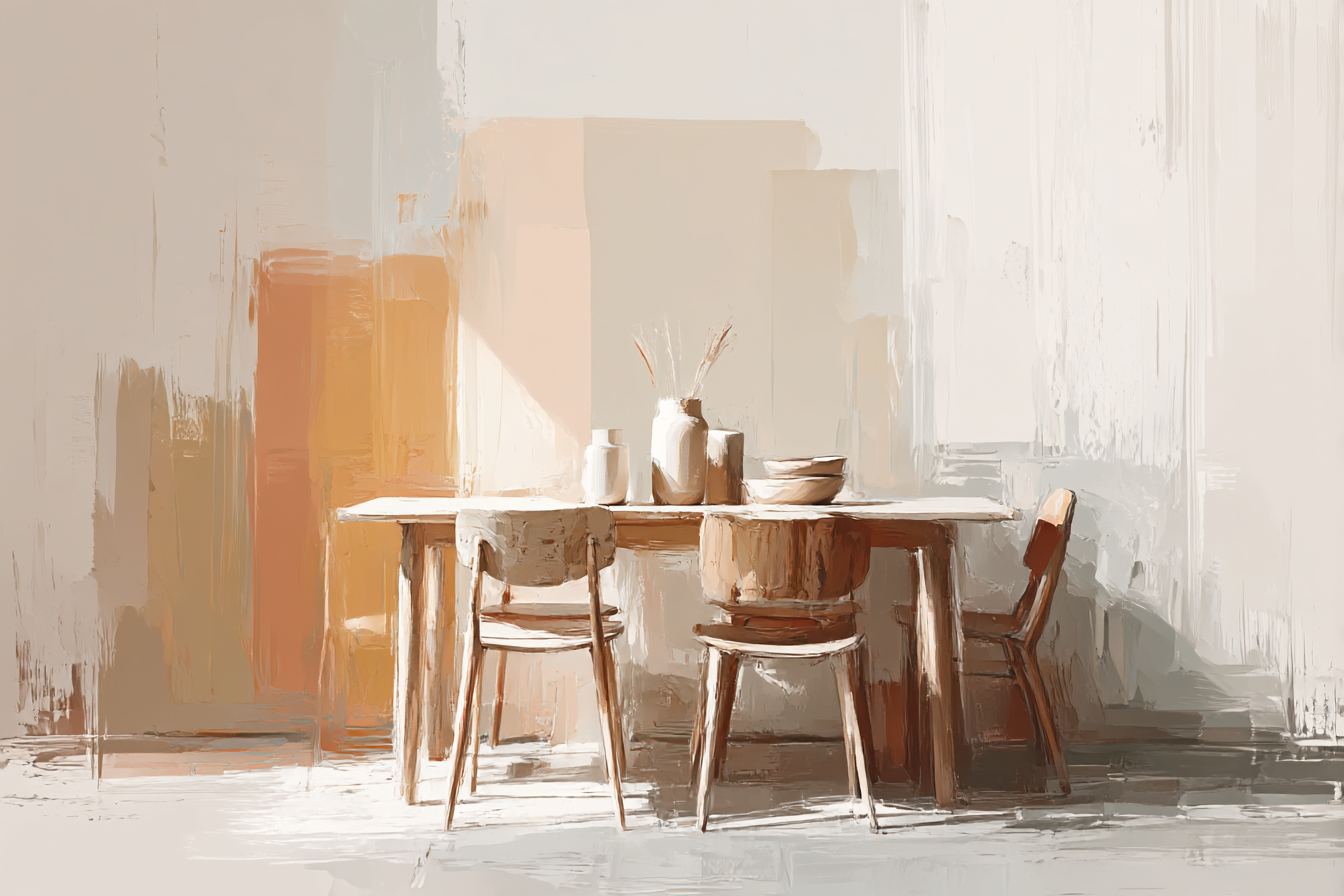
You've got a space where multiple generations gather for hours at a time, often for decades. Kids do homework there. Grandparents linger over coffee. Holiday meals stretch on for hours. All of that human contact means your furniture choices really matter – both for indoor air quality and long-term environmental impact.
I've been testing dining room furniture in my own home for the past three years now, and honestly? Some of my experiments have been disasters. That "eco-friendly" table I bought online turned out to be particleboard with a bamboo veneer, held together with formaldehyde-based glue that made dinner smell like a chemistry lab for months. My partner still brings it up whenever I suggest trying new materials. "Remember the toxic table, honey?" Fair point.
But I've also discovered some genuinely amazing options that work beautifully. The reclaimed Douglas fir table I built using salvaged beams from a demolished Portland warehouse has become the centerpiece of our home. Not just because it's gorgeous – though that 200-year-old growth ring pattern is pretty spectacular – but because every meal feels connected to something larger. This wood survived the 1906 San Francisco earthquake in its previous life as warehouse framing. Now it hosts our Tuesday taco nights.
Working with reclaimed materials for dining furniture requires a different mindset than buying retail. You can't just decide you want a 60-inch round table in walnut and expect to find exactly that. Instead, you work with what's available and let the material guide the design. I found those warehouse beams through a demolition contractor who was about to send them to the landfill. Three months later, after careful milling and joining, we had a table that cost about half what a comparable new piece would have run.
The key is understanding what you're actually getting. Not all reclaimed wood is created equal, and definitely not all of it is safe for indoor use. I've seen beautiful century-old barn wood that tested positive for lead paint. I've examined "antique" flooring that was actually pressure-treated lumber from the 1970s, loaded with arsenic compounds. This is where my parents' obsessive record-keeping habits really shaped my approach – you need to know the history of any reclaimed material before bringing it into your dining space.
FSC-certified new wood can be an excellent choice too, especially for families who want matching sets or specific designs. But here's something that might surprise you: the certification doesn't guarantee the wood was harvested sustainably. I've visited FSC operations that were technically following the rules while clear-cutting massive areas and replanting monocultures. The paperwork looked perfect, but the ecological impact was devastating.
What matters more than any certification is understanding your regional wood sources. Here in the Pacific Northwest, we have incredible locally harvested hardwoods that often get overlooked because they're not traditional furniture species. Pacific madrone makes stunning tabletops with natural antibacterial properties. Oregon white oak rivals any Eastern species for strength and beauty. Bigleaf maple develops spectacular figure patterns that would cost thousands if it came from back East.
You Might Also Like

I worked with a furniture maker in Olympia last year who specializes in what he calls "100-mile furniture" – pieces made entirely from materials sourced within 100 miles of his workshop. His dining sets are gorgeous, but more importantly, they represent a completely different relationship with materials. When your table comes from a tree that grew 30 miles away, milled by someone you can visit, assembled by a craftsperson who'll repair it decades later, that's genuine sustainability.
The finish choices matter enormously too. Most conventional dining furniture gets multiple coats of polyurethane or other petroleum-based finishes that continue off-gassing for months or years. Sitting around that table for holiday dinners, you're basically slow-cooking yourself in chemical fumes. I've tested dozens of alternatives, and while some plant-based finishes require more maintenance, the health benefits are undeniable.
Tung oil remains my go-to for dining tables. It's derived from tree nuts, provides excellent water resistance, and actually improves with age. My current dining table gets a fresh coat every 18 months or so – takes about 20 minutes and costs maybe $15. Compare that to refinishing conventional furniture, which typically requires professional stripping and recoating that costs hundreds.
Chair selection presents different challenges. Upholstered dining chairs almost inevitably contain flame retardants, formaldehyde-based adhesives, and petroleum-derived foams that create indoor air quality problems. I've become a big advocate for solid wood chairs, either with natural fibre cushions or just good ergonomic design that doesn't require padding.
My current dining chairs are vintage Thonet bentwood pieces from the 1960s that I found at an estate sale. Solid European beech, no finishes, incredibly comfortable, and they'll probably outlast me. Sometimes the most sustainable choice is buying well-made vintage pieces rather than anything new, regardless of how it's marketed.
The sourcing process has become easier over the past few years as more people recognise the value in reclaimed and locally-made furniture. Habitat for Humanity ReStores often have solid wood dining pieces that just need refinishing.
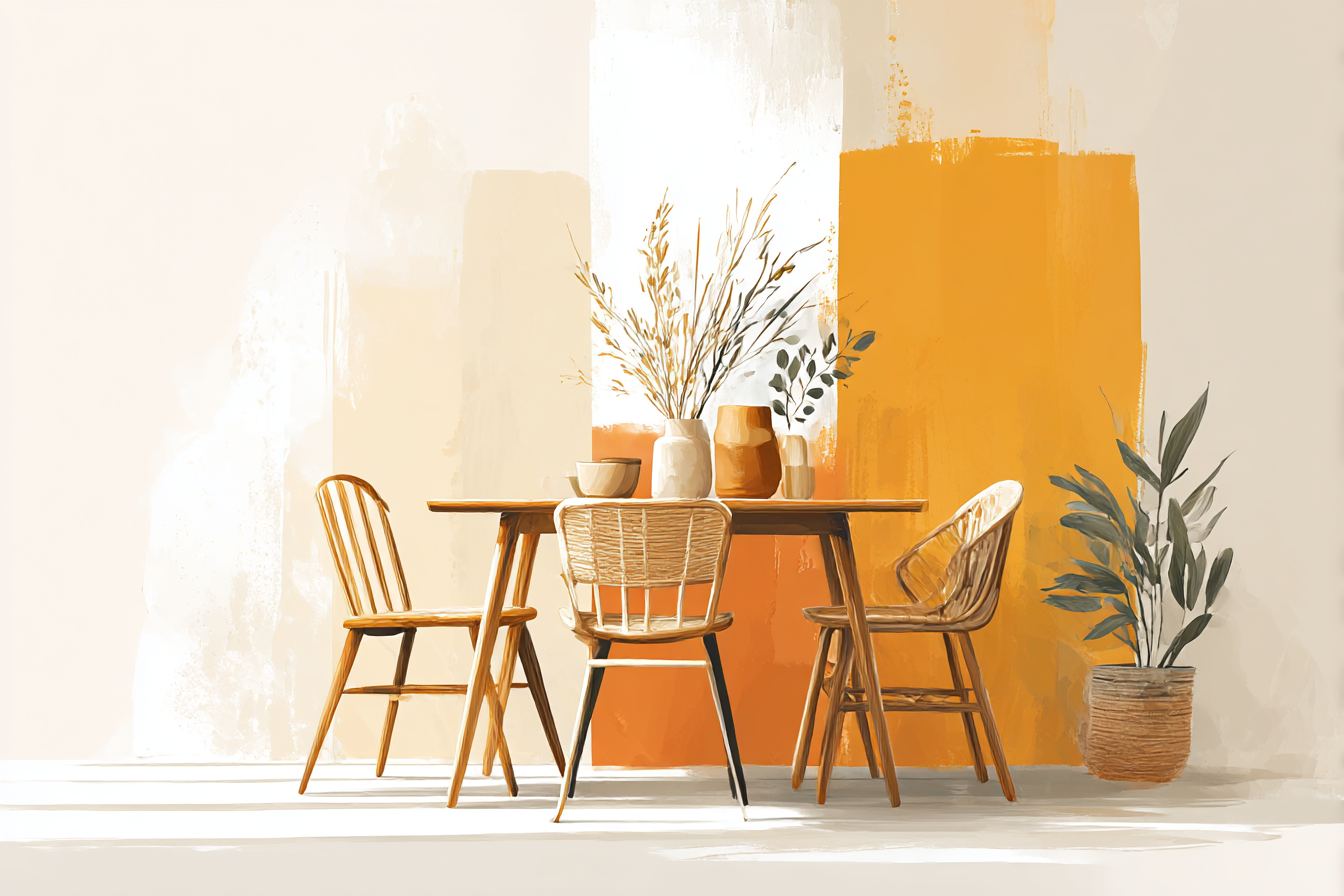
Craigslist requires patience but yields amazing finds – I recently saw a 1950s walnut dining set for $200 that would have cost $3,000 new.
Online marketplaces for reclaimed materials have exploded too. I regularly cheque sites that connect directly with demolition contractors, sawmills, and furniture makers. The selection changes constantly, but if you're flexible about exact specifications, you can find incredible pieces at reasonable prices.
What I love most about sustainable dining furniture is how it changes the whole experience of family meals. When your table has a story – when you know where the wood came from, who milled it, how it was finished – somehow the conversations feel richer. Maybe that's just me being sentimental, but I don't think so. Our relationship with our stuff affects how we experience our spaces.
Building or buying dining furniture this way takes more effort than ordering from a catalogue. But considering how long these pieces last and how much time families spend around them, it's effort well spent. Plus, once you've experienced the difference between a mass-produced table and something with genuine character and provenance, it's hard to go back.



