When my sister announced she was pregnant with her second child, I found myself in an unexpected position. You know how it is when someone asks for advice in your area of expertise? She'd watched me transform her own home's energy performance and figured I might have some insights about setting up a nursery that wouldn't slowly poison her kids. "I want everything to be safe," she said, "but I don't want to spend a fortune on overpriced stuff that's just regular furniture painted with the word 'organic.'"
Fair enough. The children's furniture market is absolutely flooded with greenwashing. I mean, you've got cribs labeled "eco-friendly" because they're made from bamboo (ignoring the formaldehyde-based adhesives holding them together), and playroom storage marketed as "natural" when it's particle board with a thin wood veneer. It's maddening, honestly.
But here's the thing I've learned from years of testing materials and analyzing building performance: kids' furniture matters way more than most parents realise.
Children spend enormous amounts of time in direct contact with their furniture. They're crawling on floors, chewing on crib rails, breathing air that's been filtered through whatever materials surround them. Their developing bodies are more vulnerable to toxins. And they'll be using this stuff for years.
So I started digging into what actually makes furniture safe and sustainable for children. Not the marketing claims, but the real material science behind it. What I found was both encouraging and frustrating. Encouraging because there are genuinely excellent options available. Frustrating because you have to know what to look for, and most of the information out there is either overly technical or completely misleading.
Let me start with the biggest issue: formaldehyde emissions from composite wood products. Most conventional furniture uses particleboard, MDF, or plywood held together with formaldehyde-based adhesives. These materials continuously off-gas formaldehyde for years, and children's bedrooms and playrooms often have poor ventilation. I tested air quality in my nephew's room before and after replacing his particleboard dresser with solid wood. The difference was measurable, and his sleep quality improved noticeably.
The solution isn't complicated, but it requires being picky about materials. Solid wood furniture eliminates the adhesive problem entirely, but you've got to watch the finishes. Many conventional wood stains and polyurethane topcoats contain volatile organic compounds that continue releasing chemicals long after they seem "dry." I've had good results with water-based finishes and natural oil finishes like tung oil or linseed oil. They take longer to cure properly, but they don't continue off-gassing indefinitely.
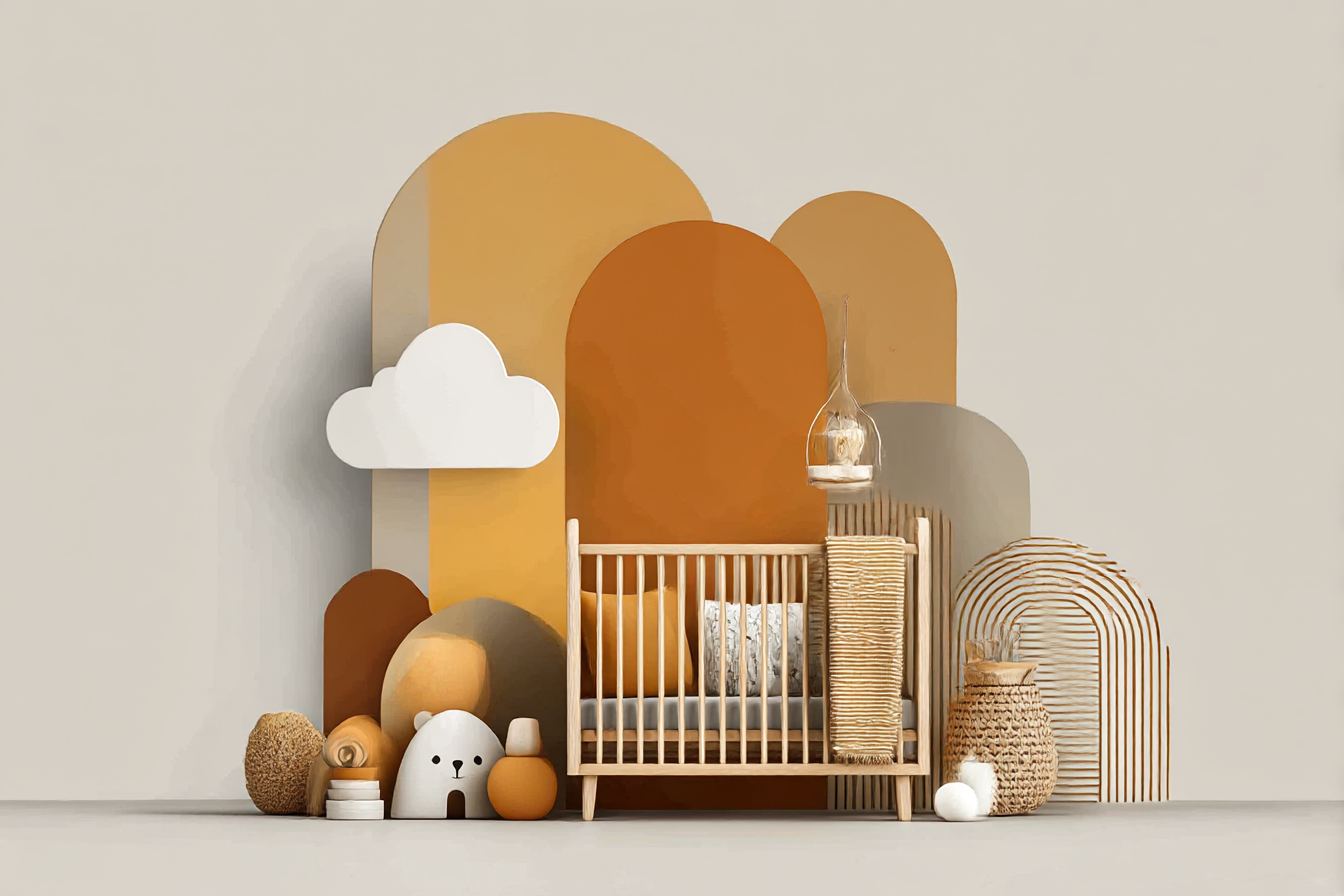
My sister ended up choosing a crib made from solid maple with a natural oil finish. Cost more upfront than the bamboo composite option she'd initially considered, but it'll actually last through multiple children and won't be slowly contaminating the air they breathe. We found it through a small manufacturer in Vermont who actually understood the chemistry behind their finishing materials. Not easy to find, I'll admit.
Size matters too, and not just for safety reasons. Furniture that's appropriately scaled for children reduces strain and promotes better posture. I watched my friend's four-year-old struggle with a regular adult-height table for art projects, constantly stretching and hunching awkwardly. After switching to a properly sized child's table, his focus during activities improved dramatically. He could sit comfortably with feet flat on the floor and arms at the right height for drawing or building blocks.
The tricky part is finding furniture that grows with kids or serves multiple purposes. Single-use items that get outgrown quickly aren't sustainable regardless of what materials they're made from. I'm a big fan of adjustable-height tables and chairs that can adapt as children grow. There's this German company making incredibly well-built adjustable desks and chairs from solid beech wood. Expensive initially, but they'll serve a child from toddler through teenager. When you calculate cost per year of use, they're actually economical.
You Might Also Like

Storage is where things get really interesting from a sustainability perspective. Children accumulate stuff at an alarming rate, and most conventional storage solutions are either flimsy or toxic or both. Plastic storage bins seem convenient but many contain phthalates or BPA, and they fall apart quickly. Particle board toy chests and bookshelves off-gas formaldehyde and typically don't survive more than a few years of actual use by children.
I've been impressed with storage solutions made from natural materials like woven baskets, solid wood boxes, and even cardboard organizers (though those are obviously temporary). My nephew's playroom uses a combination of solid wood toy boxes and large woven baskets made from sustainable materials. Easy to clean, durable, and no concerning chemical emissions. Plus the baskets are lightweight enough for him to move around independently.
Seating presents some unique challenges. Children are rough on furniture, spill things constantly, and need pieces they can move themselves. Upholstered furniture can harbor allergens and dust mites, but hard surfaces aren't always comfortable for extended play or reading. I've found success with removable, washable cushions made from organic materials on solid wood frames. The cushion covers can go in the washing machine regularly, and the wood frames can be wiped down with simple cleaners.
One thing that surprised me was how much the finish durability matters for children's furniture. A beautiful natural wood finish that shows every scratch and water ring becomes a source of constant stress for parents. I learned this the hard way with a gorgeous but impractical coffee table in my own living room. Children's furniture needs finishes that can handle abuse while still being safe. Water-based polyurethanes work well for high-wear surfaces, though they're not as "natural" as oil finishes.
The market for genuinely sustainable children's furniture is still developing, but it's getting better. There are small manufacturers focusing specifically on non-toxic materials and child-appropriate design. Some larger companies are starting to offer certified low-emission options, though you have to read specifications carefully rather than trusting marketing language.
Certification programs help, but they're not perfect. GREENGUARD certification indicates low chemical emissions, which is valuable for indoor air quality. Forest Stewardship Council (FSC) certification ensures wood comes from responsibly managed forests. But these certifications don't address everything, and certified products often cost significantly more than conventional alternatives.
Budget constraints are real, and I don't want to suggest that only expensive furniture is safe. You can improve safety and sustainability on any budget by being strategic.
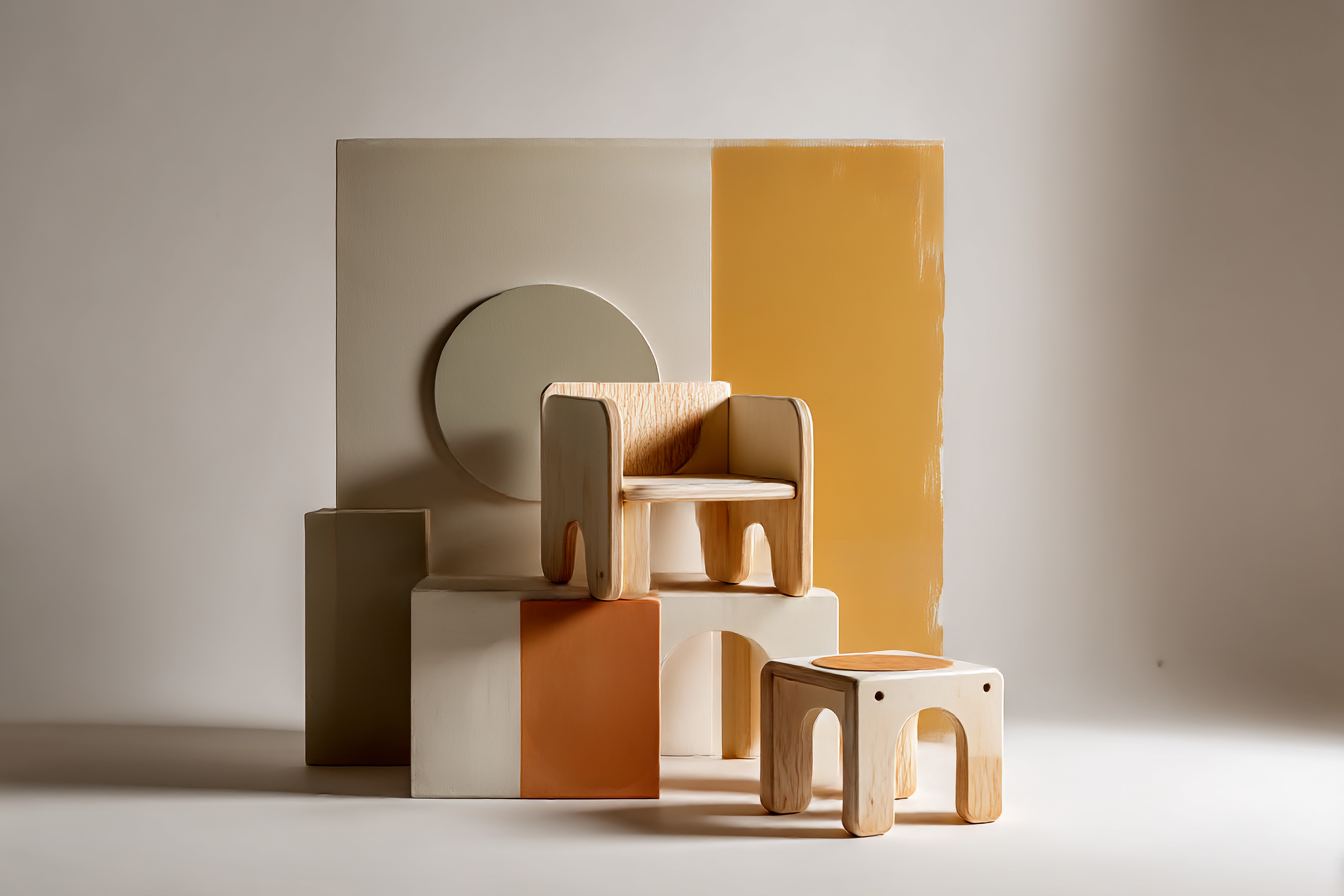
Prioritize items children have most contact with, like cribs, beds, and play tables. Look for used solid wood pieces that can be refinished with safer materials. Sometimes the most sustainable option is a well-built vintage piece that just needs some attention.
What matters most is understanding what you're actually buying rather than relying on marketing claims. Read material lists, ask about finishes, look for specific certifications rather than vague "eco-friendly" labels. Your children will spend thousands of hours interacting with this furniture. It's worth taking time to choose pieces that support their health and development while lasting long enough to justify their environmental impact.
Creating truly safe, sustainable spaces for children isn't about buying the most expensive "green" products. It's about understanding materials, prioritizing what matters most, and making informed choices that balance safety, durability, and cost. Your kids deserve furniture that helps them thrive without slowly poisoning them in the process.



