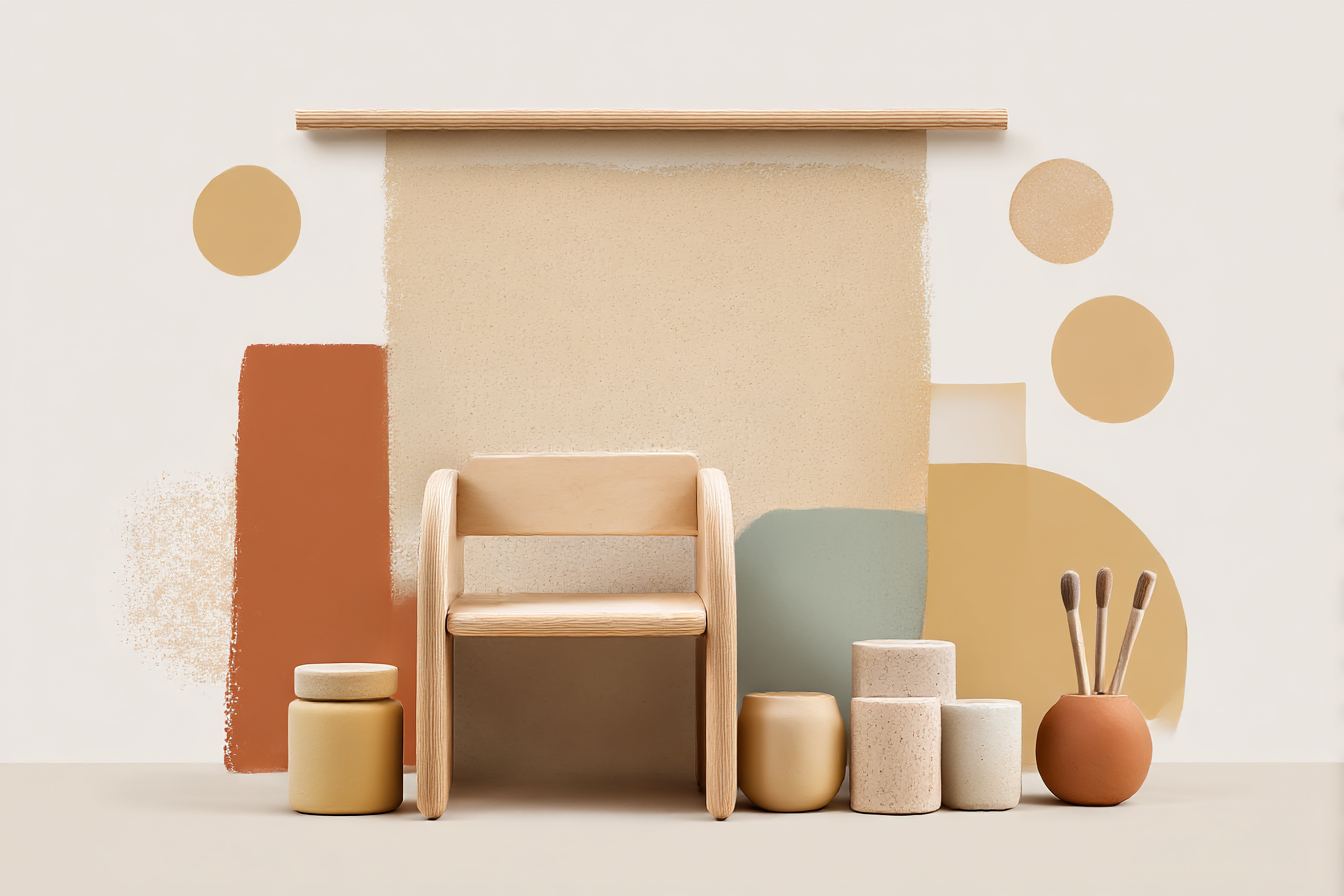
Standing in a Tucson preschool last month watching twenty kids attempt to use furniture that was clearly designed by someone who'd never spent five minutes with actual children, I couldn't help but think about how we approach spaces where our youngest learners spend their days. The tables were too high, the chairs wobbled on uneven legs, and everything looked like it belonged in a hospital waiting room rather than a place where four-year-olds should feel comfortable exploring and creating.
The director noticed me examining their setup and mentioned they'd been dealing with constant furniture repairs. "We go through three sets of these plastic chairs every year," she said, pointing to a pile of cracked seat backs stacked in the corner. "And don't get me started on how many times we've had to repaint those metal tables because they chip if you look at them wrong."
This conversation stuck with me because it highlighted something I see constantly in my building performance work – we make decisions based on initial cost without considering long-term performance, and nowhere is this more problematic than in spaces designed for children. When I started digging into what makes furniture truly suitable for early childhood environments, I discovered a world where sustainability, durability, and child development intersect in fascinating ways.
My nephew's daycare recently renovated, and they asked for my input on selecting new furniture. I'll admit, furniture isn't typically my area – I usually focus on building envelopes and mechanical systems – but the same principles apply. Performance matters. Materials matter.

And in environments where children spend significant portions of their developing years, these choices have consequences that extend far beyond simple functionality.
The first thing I learned is that "eco-friendly" in the childcare furniture world often means something completely different than in residential building applications. You can't just slap a "green" label on something and call it sustainable. Real sustainability in this context means furniture that can withstand years of use by dozens of kids without breaking down, releasing harmful chemicals, or requiring constant replacement.
I spent considerable time researching what actually happens to furniture in childcare environments. Kids don't just sit politely in chairs – they climb on them, drag them across floors, occasionally throw them when frustrated, and somehow manage to get every possible substance known to humanity ground into the surfaces. Any furniture that can't handle this reality isn't sustainable, regardless of how many recycled materials went into its construction.
The material selection becomes crucial, and this is where my building science background proved surprisingly relevant. Just like choosing appropriate materials for exterior walls in desert climates, selecting furniture materials for childcare requires understanding the specific stresses and environmental conditions they'll face. High humidity from frequent cleaning, temperature fluctuations, UV exposure from large windows, and mechanical stress from constant use all factor into performance.
Solid wood furniture consistently outperforms alternatives in childcare settings, but not all wood is created equal. I was surprised to learn that some of the most attractive hardwood options – mahogany, cherry, walnut – often contain natural compounds that can trigger allergic reactions in sensitive children. Meanwhile, seemingly boring choices like maple and birch are naturally antimicrobial and incredibly durable.
The finish selection matters enormously. Traditional polyurethane finishes might create glossy, easy-to-clean surfaces, but they also off-gas volatile organic compounds for months after application. In spaces where children spend six to eight hours daily, this becomes a significant indoor air quality concern. Water-based finishes or natural oil treatments perform better from a health standpoint, though they require more maintenance.
You Might Also Like

I visited several facilities using different furniture approaches to see real-world performance. One centre had invested in high-quality solid maple tables and chairs with natural oil finishes. After three years of heavy use, the furniture looked practically new – a few dings and scratches that actually added character rather than suggesting wear. The surfaces felt warm and pleasant to touch, nothing like the cold, clinical feel of plastic or metal alternatives.
Another facility had gone the budget route with particle board tables covered in laminate and lightweight plastic chairs. The furniture looked fine initially, but after eighteen months, edges were chipping, laminate was peeling, and several chairs had developed stress cracks. They were already planning replacement within two years of purchase.
The math is pretty straightforward. Quality wooden furniture costs about three times more initially but lasts five to ten times longer than budget alternatives. From a life-cycle cost perspective, it's significantly more economical. From a sustainability standpoint, avoiding frequent replacement reduces manufacturing impact and waste generation.
But there's another factor I hadn't initially considered – the impact on children themselves. Kids are incredibly sensitive to their physical environment, and furniture quality affects their behavior and learning in subtle but measurable ways. Wobbly chairs create distraction and anxiety. Uncomfortable seating leads to fidgeting and difficulty concentrating. Tables at inappropriate heights cause poor posture and fatigue.
I observed this directly at my nephew's school after they upgraded their furniture. Teachers reported that children seemed calmer and more focused during activities. Fewer behavioral disruptions occurred during meal times and art projects. The kids naturally treated the nicer furniture with more respect – something about quality materials seems to communicate that these are special things worth caring for.
The sizing considerations are more complex than I'd initially realised. Children grow rapidly, so furniture needs to accommodate a range of sizes effectively. Adjustable height tables work well in theory but become problematic in practice – the adjustment mechanisms create pinch points and frequently break under normal use. Fixed-height options require careful planning to ensure appropriateness for the age groups using each space.
Safety standards for childcare furniture are extensive and constantly evolving. Materials must meet strict flammability requirements. Edges need specific radius requirements to prevent injury. Stability testing ensures furniture won't tip under normal use. Finishes must be non-toxic and lead-free.
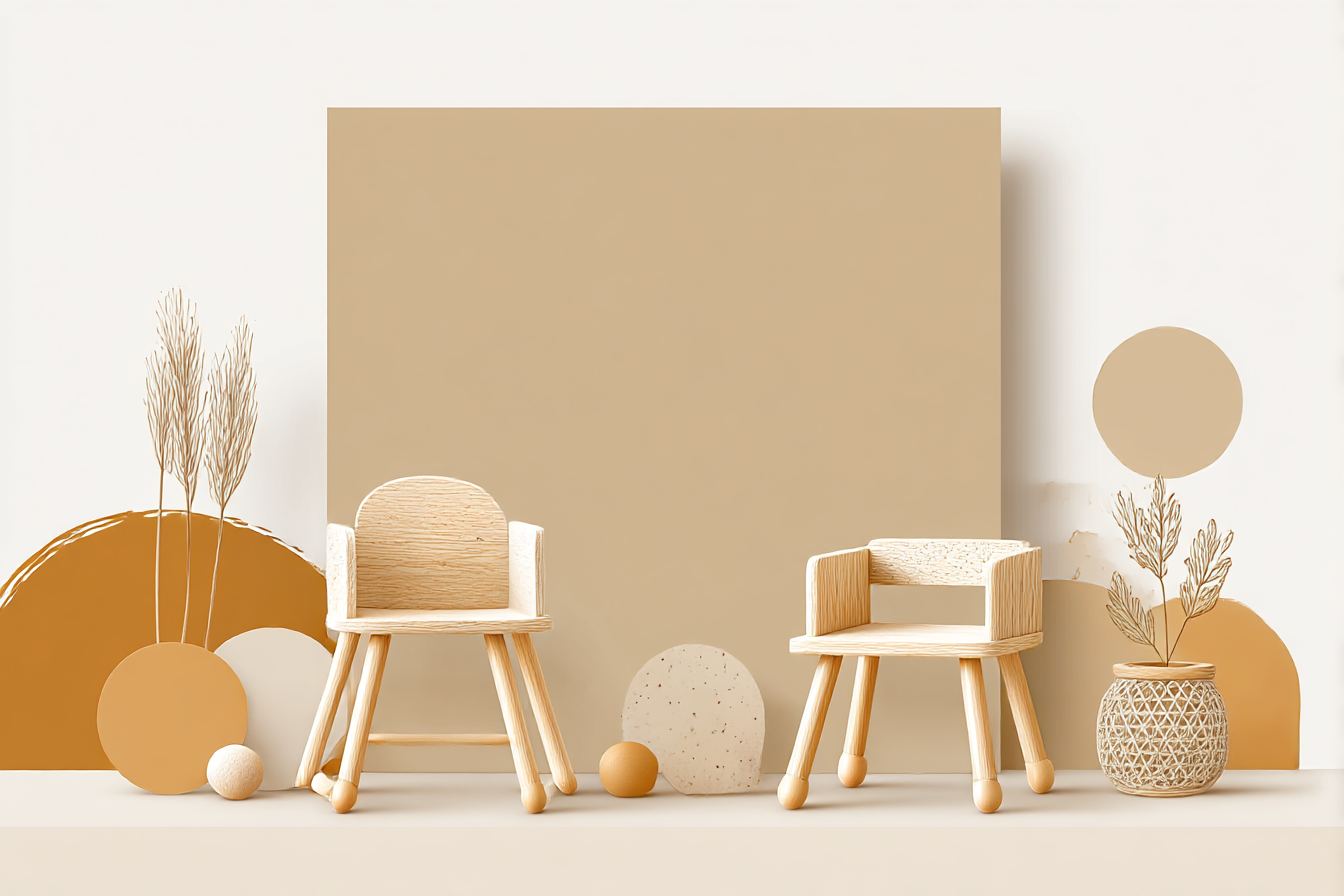
While these requirements add complexity and cost, they're absolutely necessary given how children interact with their environment.
I've become convinced that furniture selection deserves the same careful consideration we give to other aspects of childcare facility design. These pieces will be touched, sat on, and interacted with by hundreds of children over their service life. The materials we choose become part of their daily environment, affecting indoor air quality, comfort, and even behavior.
The best childcare furniture combines traditional craftsmanship with modern understanding of child development and environmental health. Solid wood construction provides durability and warmth. Natural finishes eliminate off-gassing concerns. Thoughtful sizing supports proper posture and comfort. Quality hardware ensures longevity under heavy use.
Watching children in well-designed spaces reinforces that our built environment choices matter more than we often recognise. When we prioritize true sustainability over false economy, when we choose materials for long-term performance rather than short-term savings, we create spaces where children can focus on what matters most – learning, growing, and discovering the world around them.



