
My laptop screen went dark for the third time in an hour, and I finally understood what my corporate clients have been telling me for months. You know that feeling when you're trying to concentrate but your brain just won't cooperate? That's exactly where I was sitting – in my home office under harsh fluorescent bulbs, staring at walls the colour of institutional beige, wondering why I couldn't focus on a project that should've taken me two hours max.
It's funny how sometimes you need to experience your own medicine before it really clicks. I mean, I've been preaching about nature's impact on productivity for years, but there I was, living proof of what happens when you ignore your own advice.
The whole thing started when I moved offices last spring. My old space – the one with the massive south-facing windows and my collection of fiddle leaf figs – got converted into a storage room (don't get me started on landlord logic). So I set up shop in what used to be a spare bedroom.

No windows. Overhead lighting that buzzed. Carpet that smelled vaguely of the previous tenant's cat.
Within two weeks, my work quality tanked. I'm talking about the kind of brain fog where you read the same paragraph five times and still can't tell what it says. My usual project turnaround doubled, then tripled. Clients started asking if everything was okay. Honestly? It wasn't.
That's when I decided to become my own guinea pig again. But this time, I documented everything – because if I was going to suffer through a productivity crisis, at least I could turn it into useful data.
First experiment: lighting. I swapped those awful fluorescents for full-spectrum LEDs that could mimic natural light cycles. The difference was subtle at first – like someone had turned up the contrast on my vision just a notch. But within three days, I was waking up naturally instead of fighting my alarm clock. More importantly, that afternoon energy crash around 3 PM? Gone.
The research backs this up, obviously. Circadian lighting systems don't just make spaces prettier – they literally sync your internal clock with natural rhythms. I've seen office workers increase their task accuracy by 18% after switching to dynamic lighting that shifts colour temperature throughout the day. But experiencing it firsthand? That's when the numbers become real.
Next came the plants. Now, I'll be honest – my track record with office plants is… mixed. I've killed more succulents than I care to admit (turns out they don't actually thrive on neglect, who knew?). But I was determined to do this right.
I started with snake plants because they're basically indestructible, then added a ZZ plant and some pothos. Nothing fancy. Total investment: maybe $150. But here's what I didn't expect – the sound changed. Those plants absorbed just enough ambient noise to create this subtle acoustic cushion. Suddenly, the hum of my computer fan wasn't drilling into my skull anymore.
The air quality improvement took longer to notice, but my partner pointed it out first. "Your office doesn't smell stuffy anymore," she said one evening. I hadn't even realised it had been stuffy before. That's the thing about gradual environmental changes – you adapt without noticing until something shifts back.
But the real game-changer was adding natural textures. I found this gorgeous piece of reclaimed cedar at a salvage yard and turned it into a desktop organizer. Just having something made from actual wood – something I could touch and feel the grain – changed how I related to my workspace. It wasn't just a functional box anymore; it was a place where natural elements belonged.
You Might Also Like
The productivity improvements weren't immediate or dramatic. This isn't some miracle cure story. But by week four, I realised I was completing tasks faster and with fewer mental breaks. More interesting was how my creative problem-solving improved. Those "aha" moments that used to hit me during walks outside? They started happening at my desk.
I tracked everything obsessively (occupational hazard). Focus sessions increased from an average of 23 minutes to 41 minutes. Project completion time decreased by about 35%. But the numbers only tell part of the story. The quality of work improved too – fewer revisions needed, better initial concepts, more innovative solutions.
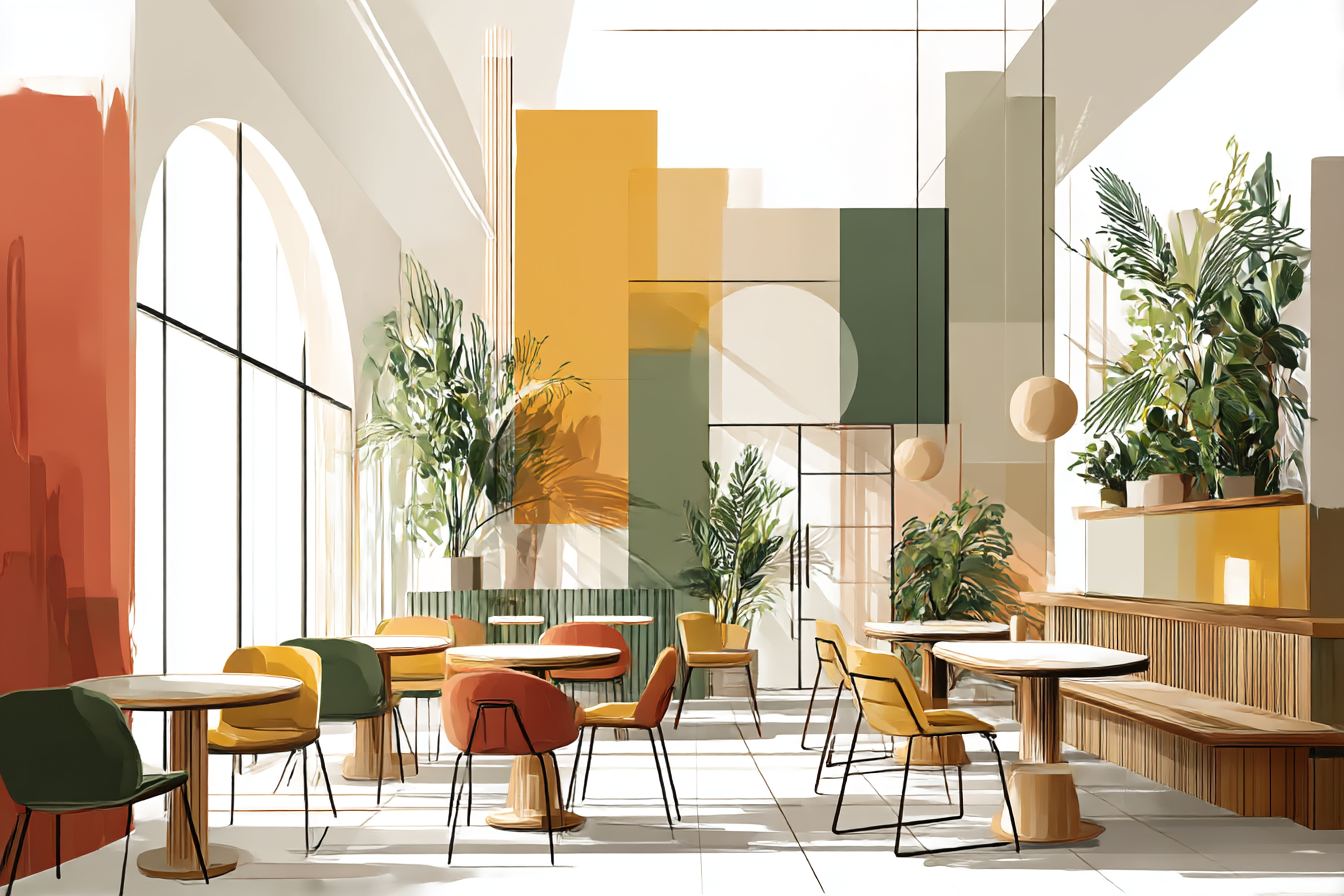
This aligns perfectly with what we know about biophilic design and cognitive function. Natural elements reduce cortisol levels – that's your stress hormone – which frees up mental resources for higher-order thinking. Plants increase humidity to optimal levels for cognitive performance. Natural light regulates neurotransmitter production. It's not mystical; it's biology.
The transformation attracted attention from colleagues and clients. People started commenting on video calls: "Your space looks so calm," or "I love that plant behind you." A few asked for virtual office tours. Before long, I was getting requests to help redesign other people's workspaces.
One client – a marketing director working from her basement – was experiencing similar productivity struggles. We installed grow lights to supplement the minimal window light, added several air-purifying plants, and brought in natural materials through a bamboo desk organizer and wool area rug. Her focus improved so dramatically that she started finishing projects ahead of deadline for the first time in years.
Another client, a software developer, was skeptical about the whole "plants help you think" concept. But he was desperate – his startup was hitting crucial development milestones, and he couldn't concentrate. We kept it minimal: better lighting, one large peace lily, and a small water fountain for ambient sound. Three weeks later, he reported his most productive coding sessions ever.
What I've learned is that you don't need a complete office overhaul to see benefits. Sometimes it's as simple as positioning your desk to maximize natural light exposure, even if that light is coming through a small window. Or adding one substantial plant that you can see in your peripheral vision while working.
The key is understanding that productivity isn't just about willpower or time management techniques. Your physical environment is constantly influencing your cognitive capacity, stress levels, and creative thinking.
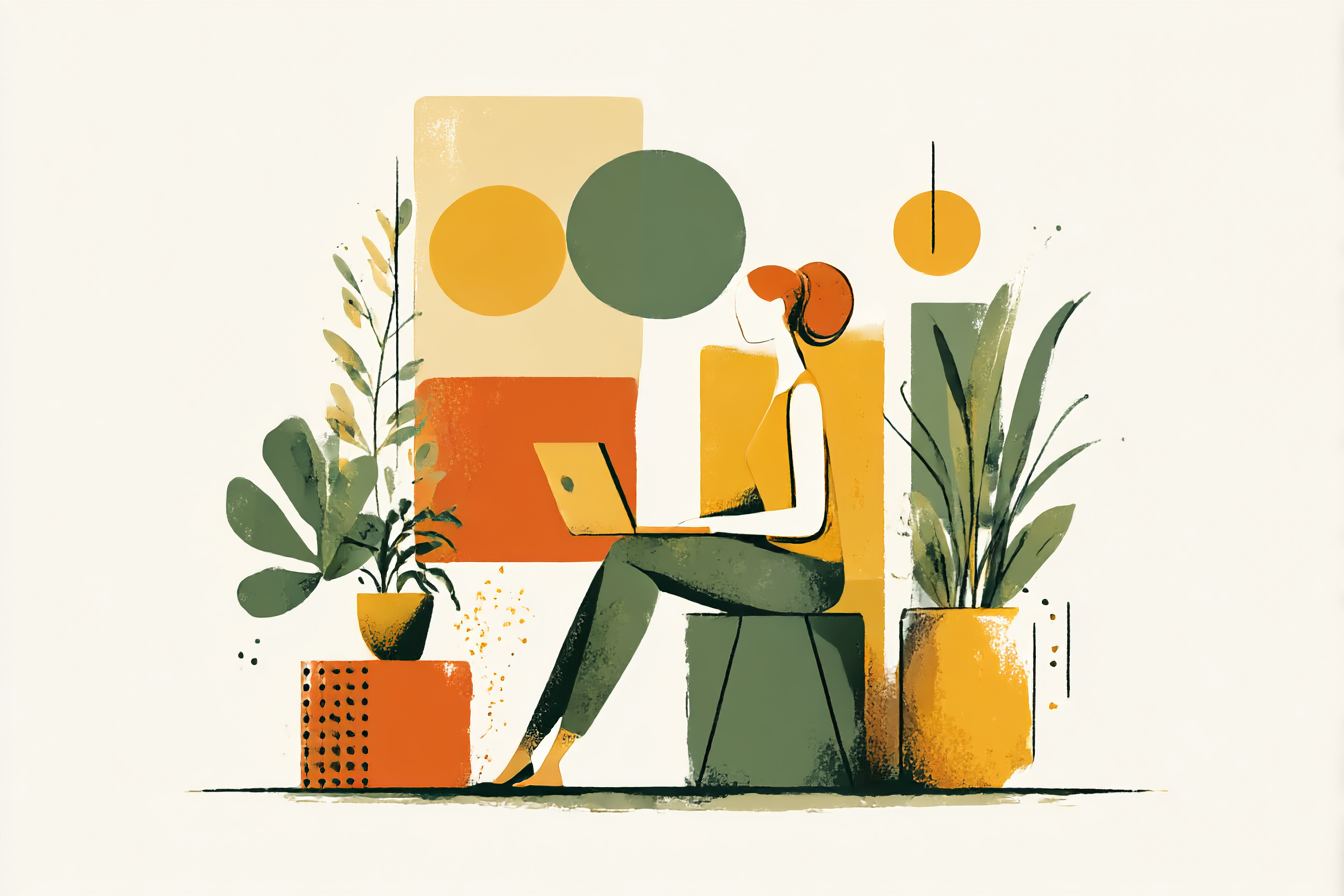
When that environment includes elements that connect you to natural systems – even in subtle ways – your brain functions more efficiently.
I'm not suggesting everyone needs to work in a greenhouse. But acknowledging that we're biological creatures who evolved in natural environments, then designing workspaces that honour that reality? That's just common sense wrapped in scientific backing.
My renovated office isn't perfect. The carpet still smells faintly of cat sometimes, and I definitely overwatered the ZZ plant last month (brown tips are very humbling). But it's become a space where I can think clearly, work efficiently, and actually enjoy spending eight hours a day.
The best part? Every client meeting in this space now becomes an informal case study. People relax faster, conversations flow more naturally, and creative collaboration happens more easily. It's like the environment is doing half the work of facilitating productive interactions.
That's the real power of biophilic workspace design – it's not just about individual productivity, but about creating environments where human potential can flourish naturally.