Walking through my local coffee shop yesterday, I couldn't help but notice how the new botanical wallpaper installation had completely transformed the space. Where once sterile white walls made the place feel more like a hospital waiting room than a neighborhood gathering spot, now these flowing green patterns seemed to breathe life into every corner. The barista mentioned they'd seen a 40% increase in customers staying longer than thirty minutes since the renovation. That got me thinking about something I've been experimenting with in my own projects – the profound impact that nature-inspired wall treatments can have on how we actually experience indoor spaces.
You know, when people hear "nature wallpaper," they often picture those ghastly floral prints from the 1970s that made rooms feel like they were closing in on you. But what we're seeing now? It's completely different.
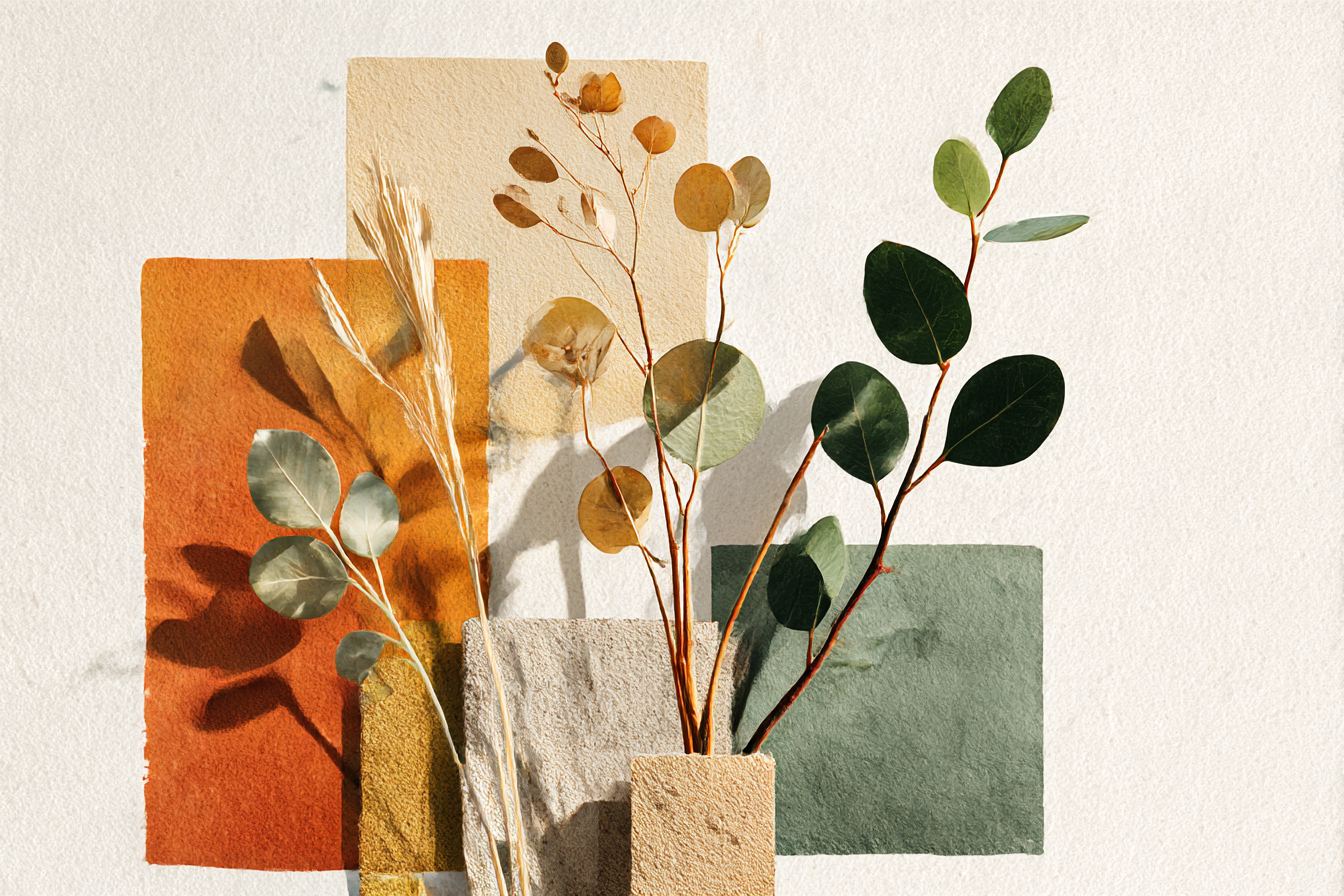
Modern biophilic wall coverings are grounded in actual research about how specific natural patterns affect our nervous systems, our stress levels, even our cognitive performance.
I've been testing various approaches in my apartment for the past three years – much to my neighbours' ongoing concern about my "experimental phases." Currently, I've got this incredible grass-cloth wallpaper in my home office that mimics the texture of tree bark. The material is actually made from sustainable bamboo fibres, and when light hits it at different angles throughout the day, it creates these subtle shadow patterns that remind me of being under a forest canopy.
The interesting thing about grass cloth is how it responds to humidity changes. Living textures, I call them. During Seattle's wet months, the fibres expand slightly, creating deeper texture patterns. In summer, they tighten up, becoming smoother. It's like having a wall that breathes with the seasons – which sounds poetic but actually has measurable effects on how the space feels.
My favorite discovery has been cork-based wall coverings. Not the bulletin board stuff, but these sophisticated panels made from compressed cork bark that create organic, irregular patterns. I installed a section behind my desk last year, and the difference is remarkable. Cork naturally absorbs sound frequencies in a way that synthetic materials can't replicate, but beyond that acoustic benefit, there's something about touching real tree bark (even processed) that immediately grounds you.
I had a client recently who was skeptical about spending extra budget on what she called "fancy wallpaper." Her teenage son had been struggling with focus issues during remote learning, and their home office doubled as his study space. We installed these wave-pattern wall panels made from reclaimed wood veneer – subtle undulating lines that mirror water movement or wind through grass. Three months later, she called to tell me his grades had improved significantly. Could've been coincidence, sure, but she swore the room felt "calmer" somehow.
The science behind this stuff is actually pretty fascinating. Research shows that viewing certain natural patterns – specifically fractal patterns found in tree branches, coastlines, cloud formations – reduces cortisol production by up to 60% within just three to five minutes. What's brilliant about quality biophilic wallpapers is that they incorporate these mathematically precise natural ratios without looking forced or artificial.
I've become obsessed with this wallpaper company out of Portland that creates patterns based on aerial photography of forest floors, desert landscapes, river deltas. They use specialized printing techniques that build up actual texture layers, so you're not just looking at a photograph – you're experiencing surface variations that your fingers recognise as natural even when your brain can't quite identify why.
You Might Also Like
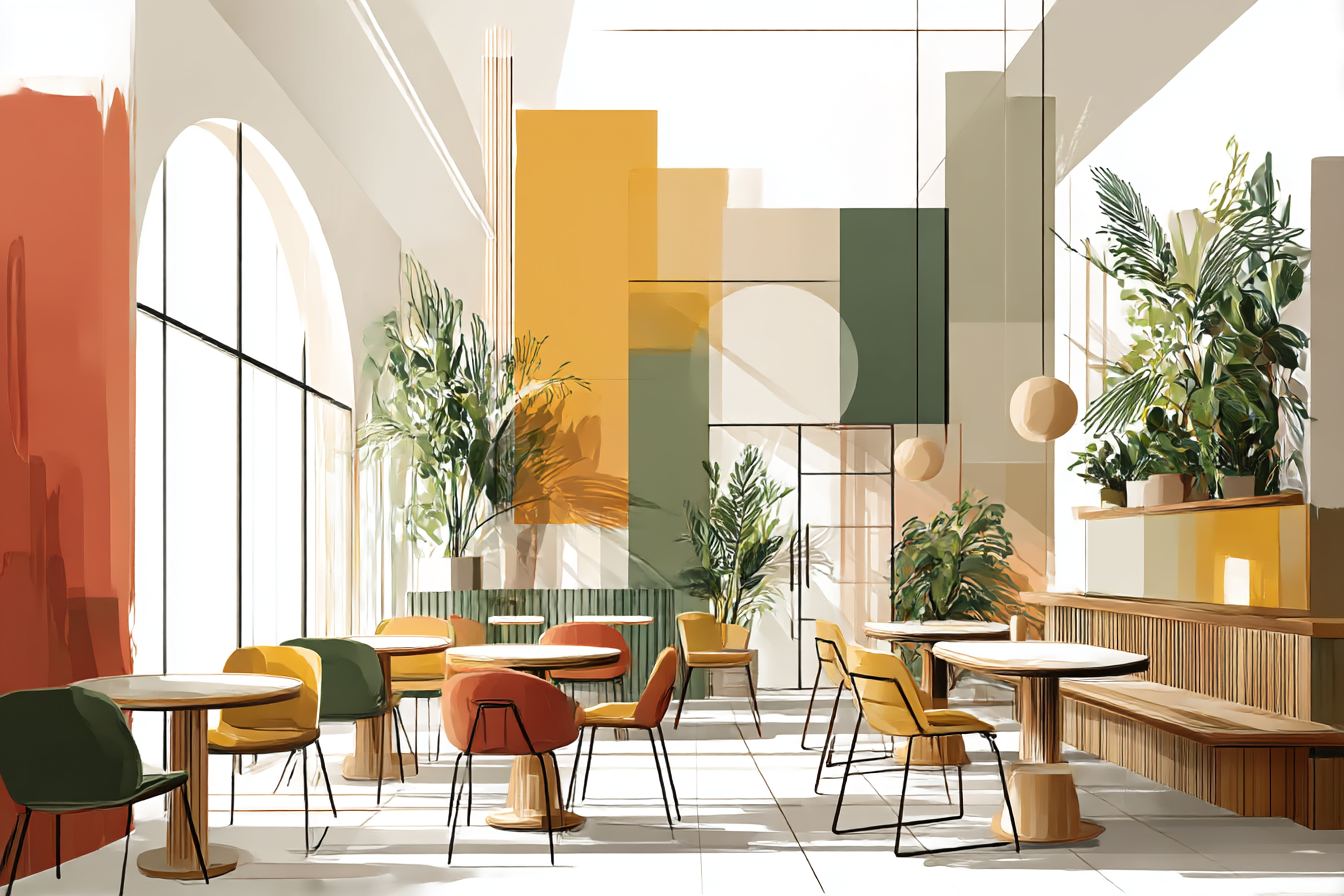
The colour research is equally compelling. Those sage greens and warm terracotta tones you see in quality nature-inspired wallpapers? They're not arbitrary design choices. These specific hue combinations have been shown to lower blood pressure and reduce eye strain from screen work. I've noticed this personally – after spending eight hours staring at my computer, my eyes feel less fatigued when they can rest on these natural colour gradients.
But here's where it gets tricky: not all "nature-inspired" wallpapers are created equal. I've seen too many products that slap a leaf pattern onto synthetic vinyl and call it biophilic design. Real biophilic wall treatments need to engage multiple senses. The best ones have subtle scent elements – like papers infused with cedar or lavender oils. Others incorporate actual plant fibres that release negative ions, naturally purifying indoor air.
Installation matters more than most people realise. I always tell clients that biophilic wallpapers work best when they create focal walls rather than covering entire rooms. You want areas where your eyes can rest and reset, not overwhelming pattern overload. In my living room, I've got this stunning hemp-fibre wallpaper covering just the wall behind my reading chair – it's got these irregular horizontal lines that remind me of stratified rock formations. The rest of the walls stay neutral, letting that natural texture be the star.
Maintenance is honestly easier than you'd expect. Natural fibre wallpapers are surprisingly durable, and many have built-in antimicrobial properties. I clean mine with slightly damp microfiber cloths every few months. The cork panels just need occasional vacuuming with a brush attachment.
Cost-wise, yes, quality biophilic wallpapers cost more upfront than basic paint. But I've found the psychological benefits make them worth every penny. Better sleep quality, reduced stress, improved focus – these aren't just nice-to-haves. They're health investments that pay dividends daily.
My latest experiment involves thermochromic wallpapers that subtly shift colour with temperature changes, mimicking how natural materials respond to environmental conditions.
It's barely perceptible – like how tree bark looks slightly different on warm versus cool days – but your subconscious picks up on these micro-variations.
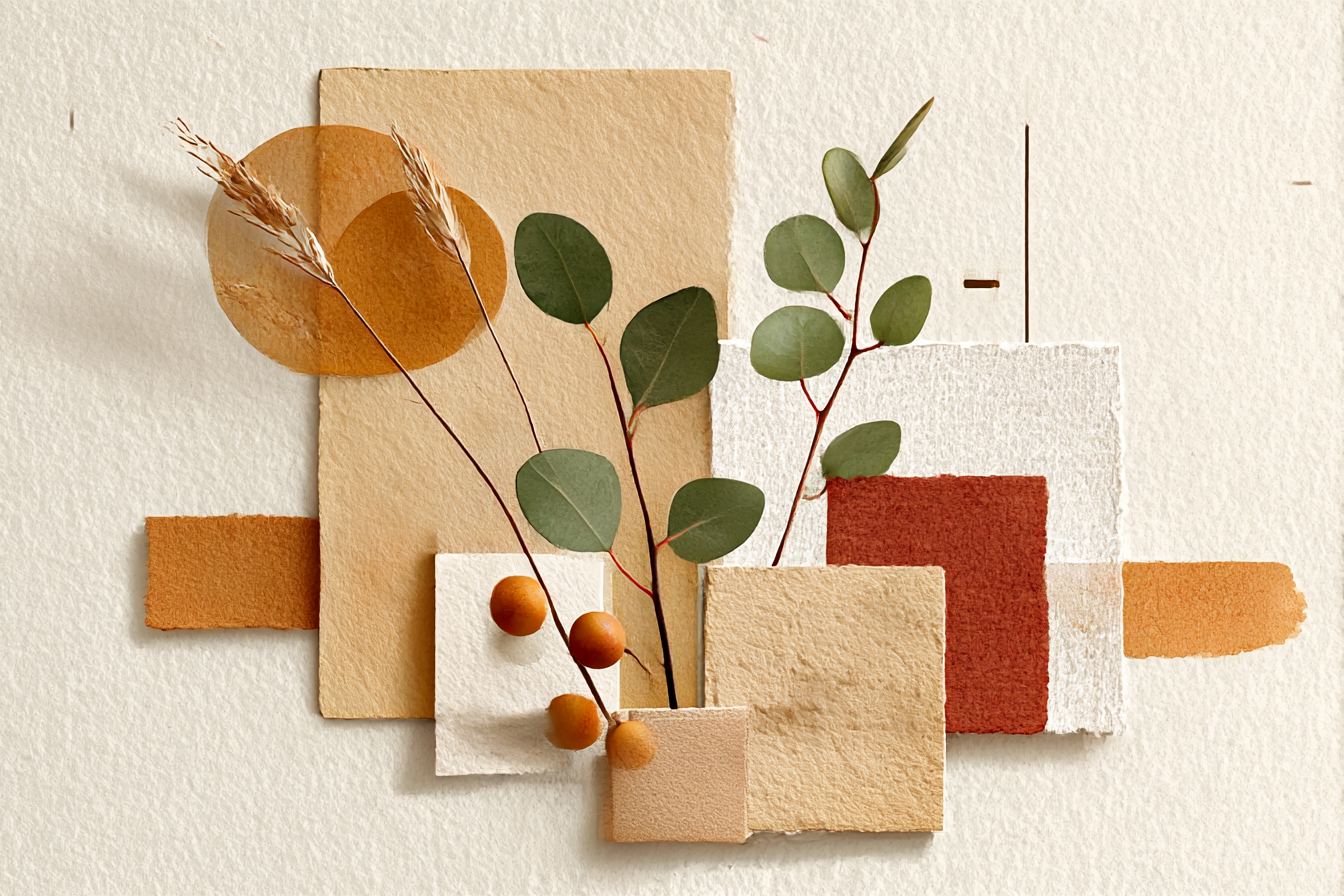
I've also been working with wallpapers that incorporate actual pressed botanicals – real leaves, flower petals, seed pods embedded within the material. There's something powerful about knowing you're surrounded by actual natural elements, even preserved ones. It creates this tangible connection to living systems that purely synthetic reproductions can't match.
The future of biophilic wallpapers is heading toward smart integration. Imagine wall coverings that adjust their patterns based on circadian rhythms, or materials that release calming botanical scents during stressful periods detected by room sensors. We're not there yet, but the technology exists.
For now, though, even simple applications can transform how a space feels. That coffee shop I mentioned? Their investment in quality nature-inspired wall treatments didn't just improve customer dwell time – it created a gathering place where people genuinely want to spend time. And honestly, isn't that what good design should accomplish?