Standing in the middle of Patagonia's flagship store in SoHo last Tuesday, I had one of those moments where everything just clicks. You know when you walk into a space and your shoulders immediately drop? That's what happened. The store didn't feel like a store at all – more like stepping into some kind of outdoor sanctuary that happened to sell really nice fleece jackets.
I mean, I've been studying how retail environments affect human behavior for years now, but this place was different. The ceiling soared overhead with exposed reclaimed timber beams, and living walls of native moss and ferns cascaded down one entire side. Natural light poured through skylights, supplemented by these warm LED systems that mimicked the colour temperature changes of actual sunlight throughout the day.

I actually checked my phone to see what time it was because the lighting felt so authentic to late afternoon sun.
But here's the thing – this wasn't just pretty decoration. Every design choice seemed intentional about connecting people to natural systems. The flooring was reclaimed hardwood with these gorgeous irregular grain patterns that felt amazing underfoot (I may have taken my shoes off to test this, much to my partner's embarrassment). Display fixtures were crafted from weathered driftwood and natural stone. Even the checkout counter incorporated living elements – actual sprouting wheat grass growing right there where you'd normally see impulse-buy candy bars.
The psychological impact was immediate. I watched other customers unconsciously slow their pace, touch surfaces more frequently, and engage in longer conversations with staff. One family with young kids stayed for nearly an hour, with the children gravitating toward the living wall and actually sitting on the floor to examine the plant varieties up close. The parents weren't rushing them along like you'd typically see in retail environments.
This got me thinking about a project I consulted on last year for a boutique furniture chain in Portland. The owner, Sarah, initially resisted my suggestions about incorporating more natural elements. "We're not a garden centre," she kept saying. "We sell modern furniture." But customer dwell time was low, and despite carrying quality pieces, sales weren't meeting projections.
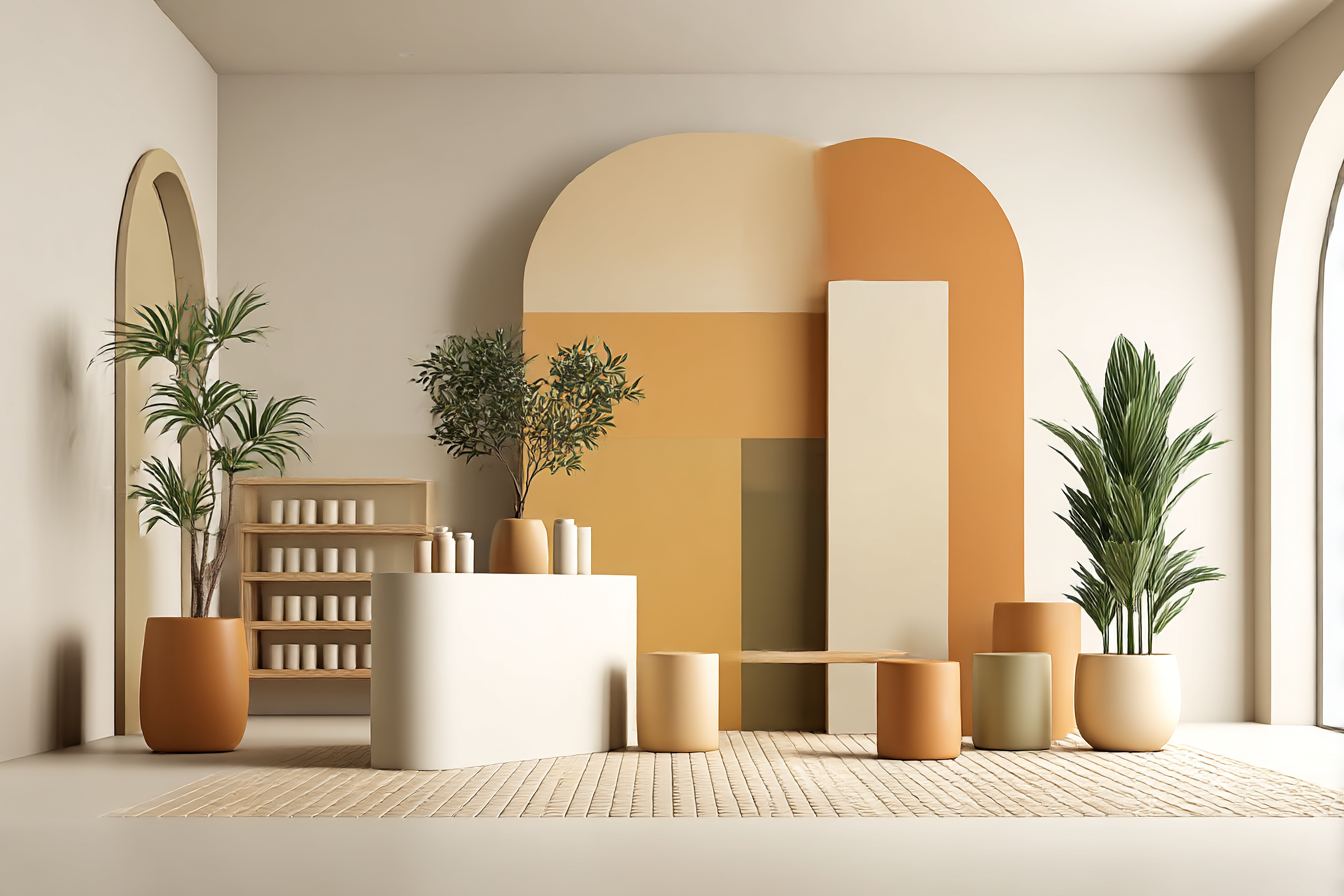
We started small. Replaced harsh fluorescent lighting with full-spectrum LEDs that could adjust throughout the day. Brought in some large planters with architectural plants – nothing fussy, just clean lines with Sansevieria and some sculptural succulents. Added a water feature near the entrance – just a simple stone fountain with a gentle trickle, nothing dramatic.
The changes were subtle, but the impact wasn't. Within three months, Sarah reported average customer visit duration increased by 40%. More interesting though – customers started lingering in specific areas. The seating section near the plant displays became this unofficial gathering spot where people would sit and chat, sometimes for twenty or thirty minutes. Sales conversations became more relaxed, less transactional.
I've seen this pattern repeated across different retail categories. There's something about natural elements that shifts people out of that hurried, transaction-focused mindset and into a more exploratory, social mode. It's not magic – there's solid research backing this up. Studies show exposure to natural elements reduces cortisol levels and activates the parasympathetic nervous system. Basically, we relax.
Last month I visited this incredible bookstore in Copenhagen – Athenaeum Boekhandel – that's been experimenting with what they call "forest retail." Walking in felt like entering a woodland clearing. Shelving units were crafted from live-edge oak slabs, with books nestled between actual growing plants. Overhead, a canopy of suspended air plants created this dappled light effect. The smell was intoxicating – that earthy, green scent mixed with paper and binding glue.
You Might Also Like

But what really impressed me was how they'd integrated seasonal changes into the design. During my winter visit, they'd adjusted the plant selections to emphasize evergreens and winter-flowering species, and the lighting had shifted to warmer tones to compensate for shorter days. The space felt alive and responsive rather than static.
The owner, Marcus, explained their approach during a conversation over coffee (served in clay mugs made by a local potter, naturally). "Books are about escape, about imagination," he said. "Why would we display them in sterile, artificial environments? Natural settings enhance creativity and focus – exactly what reading requires."
Their sales numbers backed this up. Despite being in a competitive market with several chain bookstores nearby, their customer retention rate was remarkable. People came not just to buy books but to spend time. Many customers brought their own books to read in the store's planted seating areas. Some worked on laptops. Others just sat and people-watched through the large windows overlooking a small urban park.
This trend isn't limited to boutique retailers either. I recently toured a Target prototype store outside Minneapolis that's experimenting with biophilic design principles. They've installed living walls in high-traffic areas, incorporated natural materials into fixtures, and created sight lines to outdoor green spaces wherever possible. While they're still collecting data, early reports suggest increased customer satisfaction scores and longer shopping trips.
The challenge, of course, is maintenance. Living elements require ongoing care, and not all retail staff are prepared for this responsibility. I've worked with several stores that got excited about living walls only to watch them slowly die from neglect or improper watering systems. The key is designing systems that are both resilient and relatively low-maintenance, then providing proper training.
One solution I've been advocating for is partnerships with local plant nurseries. The nursery maintains the living elements, rotating seasonal displays and ensuring plant health, while the retailer benefits from the biophilic design impact. It's worked beautifully for a chain of home goods stores I've been consulting with in the Pacific Northwest.
But honestly? Some of my favorite examples aren't the high-budget installations. There's a small vintage clothing shop in Philadelphia's Fishtown neighborhood that's created this amazing natural atmosphere using mostly found and repurposed materials.

The owner, Elena, collected driftwood from New Jersey beaches for display fixtures, uses Mason jars as planters for trailing pothos, and installed simple grow lights to support plant health. The whole transformation cost under $800, but the space feels completely different – warmer, more inviting, more memorable.
What I find most encouraging is how customers respond to these environments. People take more photos, spend more time exploring, and often return with friends. There's something about natural elements that makes spaces feel more shareable, more Instagram-worthy if you will, but in an authentic way rather than artificially staged.
The retail applications are just beginning. I'm currently working with a grocery chain exploring how biophilic design might enhance their produce sections – imagine shopping for vegetables in an environment that actually feels connected to where food grows. We're also looking at seasonal adaptations, where the store environment shifts throughout the year to reflect natural cycles.
This isn't just about aesthetics or trends. As retail continues competing with online shopping, physical stores need to offer experiences that can't be replicated digitally. Natural elements create sensory richness – the smell of living plants, the texture of natural materials, the sound of moving water – that engages us in ways screens simply can't match.



