
You know what's funny? I used to think biophilia was just academic jargon for something we all already knew – that people feel better around plants and natural light. Boy, was I wrong.
Last Tuesday, I was installing a living wall system in a corporate office downtown when the facilities manager stopped by. She'd been skeptical about the whole project from day one – muttering about maintenance costs and water damage concerns. But as we were testing the irrigation lines, she mentioned something that stopped me cold. "My team's been asking when the plants in the conference room are going live," she said. "They want to schedule their weekly meetings in there once it's finished."
This wasn't even a particularly impressive setup – just modular planters with some carefully selected pothos and snake plants. Nothing Instagram-worthy.

But people were already gravitating toward it, even in its half-finished state.
<blockquote>That's when it hit me. We're not just talking about a design trend here. We're witnessing something much bigger – a fundamental shift in how people think about their relationship with the built environment. And frankly, it's about time.</blockquote>
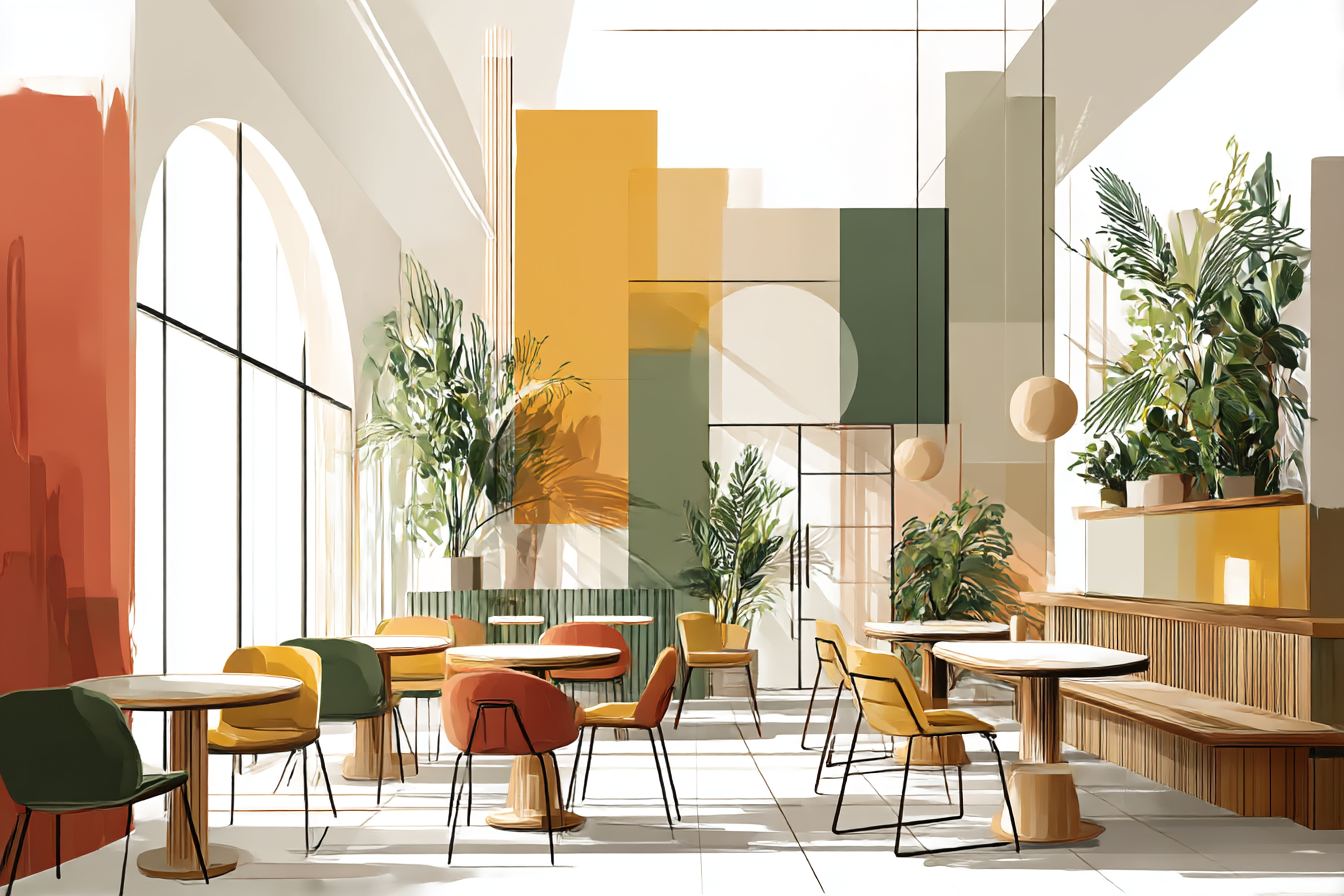
I've been tracking this movement for the better part of a decade now, and the changes I'm seeing aren't just in high-end residential projects or cutting-edge commercial spaces. They're everywhere. The neighborhood coffee shop that replaced their plastic chairs with reclaimed wood benches. The medical clinic that installed full-spectrum lighting and added a small indoor fountain. The elementary school that turned their concrete courtyard into a teaching garden.
<img class="size-full" src="http://wonkydogltd.co.uk/medium/wp-content/uploads/2026/01/IM__The_Rise_of_Biophilic_Design_Insights_into_the_Growing_Indu_2f0870c5-aacf-4360-badb-866e0e7dfefd.webp" alt="IM__The_Rise_of_Biophilic_Design_Insights_into_the_Growing_Indu_2f0870c5-aacf-4360-badb-866e0e7dfefd" />
What we're calling the "biophilic movement" isn't really new – it's ancient wisdom wrapped in contemporary research and modern implementation techniques. Indigenous cultures figured this out millennia ago. But somewhere along the way, we convinced ourselves that separating from nature was progress. That climate-controlled boxes were the pinnacle of civilized living.
The reversal of this thinking has been remarkable to witness firsthand. Five years ago, when I'd pitch biophilic design elements to clients, I'd spend half the meeting explaining what that even meant. Now? They come to me asking for it by name. The conversation has completely flipped.
Part of this shift stems from mounting research that's impossible to ignore. We now have solid data showing that exposure to natural elements reduces cortisol levels, improves cognitive function, and even speeds physical healing. But honestly, I think people are responding to something more visceral – they're tired of feeling disconnected and sterile in their daily environments.
The pandemic certainly accelerated things. When everyone was suddenly trapped indoors, the importance of having some connection to the natural world became painfully obvious. I can't tell you how many clients reached out during 2020 saying they finally understood why their home felt so lifeless, why they couldn't focus during video calls, why their kids seemed restless all the time.
But here's what's really interesting – this isn't just about adding more plants (though that's often part of it). The movement encompasses everything from material choices to spatial organization to lighting systems. I'm seeing architects specify reclaimed timber not just for sustainability points but because clients specifically request the visual texture and tactile experience of weathered wood. Developers are incorporating water features not as luxury amenities but as essential elements for acoustic comfort and stress reduction.
The urban planning implications are particularly exciting. Cities that once prioritized car infrastructure over green space are redesigning streets to include bioswales and pocket parks. Municipal buildings are incorporating green roofs not just for stormwater management but as employee wellness initiatives. Public transportation hubs are being reimagined as biophilic environments rather than sterile transit zones.
You Might Also Like
I recently consulted on a bus rapid transit station where the design team wanted to understand how natural elements could improve the passenger experience. We ended up creating these amazing living canopies that provide shade, filter air, and create what passengers describe as "breathing spaces" in an otherwise industrial environment. Ridership surveys showed people actually look forward to waiting at that particular station.
The healthcare sector has been especially receptive to these ideas. And for good reason – the research on nature's healing effects in medical settings is overwhelming. I've worked on three hospital renovation projects this year alone, each incorporating biophilic elements in different ways. One focused on maximizing natural light in patient rooms. Another created healing gardens accessible from treatment areas. The third integrated natural materials and patterns throughout their interior surfaces.
The results aren't just anecdotal. Patient satisfaction scores improved. Staff retention increased. Pain medication usage decreased. When you can quantify outcomes like that, the business case becomes pretty compelling.
But you know what really gets me excited? The DIY movement that's emerged alongside the professional implementation. People are taking these concepts and adapting them for their own spaces, regardless of budget constraints. I get emails constantly from folks sharing photos of their apartment transformations – strategic mirror placement to reflect outdoor views, desk positioning to maximize natural light exposure, creative use of plants to create visual privacy without blocking brightness.
The materials industry has responded predictably – and sometimes problematically. You can now buy "biophilic" everything, from wallpaper with leaf patterns to synthetic wood-grain laminate marketed as "nature-inspired." Not all of it delivers actual benefits, and some of it completely misses the point. Real biophilic design isn't about visual representation of nature – it's about functional connection to natural systems and processes.
That said, some innovations have been genuinely impressive. I'm particularly excited about advances in circadian lighting systems that automatically adjust colour temperature throughout the day to support natural sleep-wake cycles. And the new generation of air-purifying materials that integrate living organisms into building surfaces. These technologies are making biophilic design accessible in contexts where traditional approaches wouldn't work.
The educational sector represents another frontier that's just starting to open up. Research consistently shows that students perform better in environments with natural light, plants, and outdoor views. But translating that research into actual classroom design has been slow. I'm finally seeing school districts prioritize these elements in new construction and renovation projects, recognising them as essential infrastructure rather than nice-to-have amenities.
<img class="size-full" src="http://wonkydogltd.co.uk/medium/wp-content/uploads/2026/01/IM__The_Rise_of_Biophilic_Design_Insights_into_the_Growing_Indu_37da2c5c-067c-4efd-ba80-f1ac8d31c055.webp" alt="IM__The_Rise_of_Biophilic_Design_Insights_into_the_Growing_Indu_37da2c5c-067c-4efd-ba80-f1ac8d31c055" />
What fascinates me most is how this movement is reshaping professional practice across disciplines. Architects are collaborating with horticulturists and ecologists as standard practice. Interior designers are studying plant biology and light science. Urban planners are incorporating wildlife habitat creation into development guidelines.
<blockquote>The resistance is still there, of course.

Budget constraints remain real. Maintenance concerns are legitimate. Some clients still view natural elements as complications rather than benefits. But the momentum feels unstoppable at this point.</blockquote>
I think we're approaching a tipping point where nature-first thinking becomes the default rather than the exception. Where the question isn't "why include biophilic elements?" but "why wouldn't we?" That's the kind of transformation that creates lasting change – when the alternative starts seeming absurd.
The next decade will be crucial for establishing standards and best practices as this movement matures. But honestly? I'm optimistic. People are hungry for connection to the natural world, and they're recognising that our built environments can either support or undermine that fundamental human need.