
Walking through Borough Market last Tuesday, I couldn't help but notice how the new glass canopy wasn't just protecting vendors from London's perpetual drizzle – it was doing something far more interesting. The architects had embedded living moss panels between the glass layers, creating these incredible shadow patterns that shifted throughout the day. Customers were lingering longer, even in spaces that used to feel purely transactional.
That's London for you. While other cities are still debating whether green walls are worth the maintenance hassle, this place has quietly become a testing ground for how urban environments can actually work with nature instead of against it. I've been tracking these developments for years now, and honestly? The transformation has been more radical than most people realise.
Take the Barbican Centre, for instance.

You know that brutalist concrete fortress that used to feel like a sensory deprivation chamber? They've been systematically introducing what I can only call "soft interventions" – nothing dramatic enough to upset the heritage folks, but strategic enough to fundamentally change how the space feels. The new biofilter walls in the main foyer aren't just purifying air (though they're removing about 87% more pollutants than conventional systems). They're creating these micro-climates that people gravitate toward without even realising why.
<blockquote>I spent an afternoon there last month timing how long people spent in different areas. The spots near these living systems? Average dwell time increased by nearly 40%. People were having actual conversations instead of just rushing through. Kids were pointing at the plants, asking questions. It's not rocket science – we're biologically wired to respond to living systems – but seeing it play out in real time never gets old.</blockquote>
The City of London has been particularly aggressive about retrofitting their older buildings. King's Cross was obviously the poster child for large-scale urban regeneration, but what's happening in the financial district is more subtle and arguably more influential. Those Victorian banking halls with their soaring ceilings are perfect candidates for what I call "vertical forest installations" – basically elaborate plant systems that work with existing HVAC rather than replacing it.
<img class="size-full" src="https://biophilicflair.com/wp-content/uploads/2025/08/IM_Biophilic_Fashion_Nature-Inspired_Design_Redefining_Clothi_7b2d18e6-c386-486d-93a5-0fbcece592da_0.jpg" alt="IM_Biophilic_Fashion_Nature-Inspired_Design_Redefining_Clothi_7b2d18e6-c386-486d-93a5-0fbcece592da_0" />
Lloyds of London recently completed a project that had me genuinely excited. They installed these spiral plant columns that follow the building's existing air circulation patterns. The plants aren't just decorative – they're actively processing the air while creating visual connections to natural forms that research shows reduce stress hormones by measurable amounts. The facilities manager told me sick days dropped 23% in the first six months after installation. Productivity metrics improved too, though they're being cagey about exact numbers.
What's really impressive is how London's planning authorities have started requiring biophilic elements in new commercial developments. Not just "green roofs" – which often become inaccessible maintenance headaches – but integrated systems that residents and workers actually interact with daily. The regulations are specific enough to prevent greenwashing but flexible enough to encourage creative solutions.
I visited a new residential tower in Canary Wharf where every floor has communal growing spaces positioned to maximize natural light while providing privacy screening between units. Residents aren't just tolerating these areas – they're actively maintaining them, creating informal communities around shared gardening responsibilities. The developer initially budgeted for professional maintenance, but tenant interest was so high they shifted to a support model instead.
The NHS has been quietly revolutionary in this space. St. Bartholomew's Hospital recently renovated their cancer treatment centre with healing gardens accessible directly from patient rooms. But here's what made it special – instead of generic "hospital landscaping," they worked with patients to identify specific plants and materials that created positive associations. The result feels more like a private estate garden than an institutional space.
Recovery times for certain procedures have improved enough that other hospitals are copying the approach. Guy's Hospital is currently retrofitting their children's wing with similar principles, though they're focusing more on interactive elements – plants kids can touch, water features they can operate, materials that change texture and temperature naturally throughout the day.
You Might Also Like
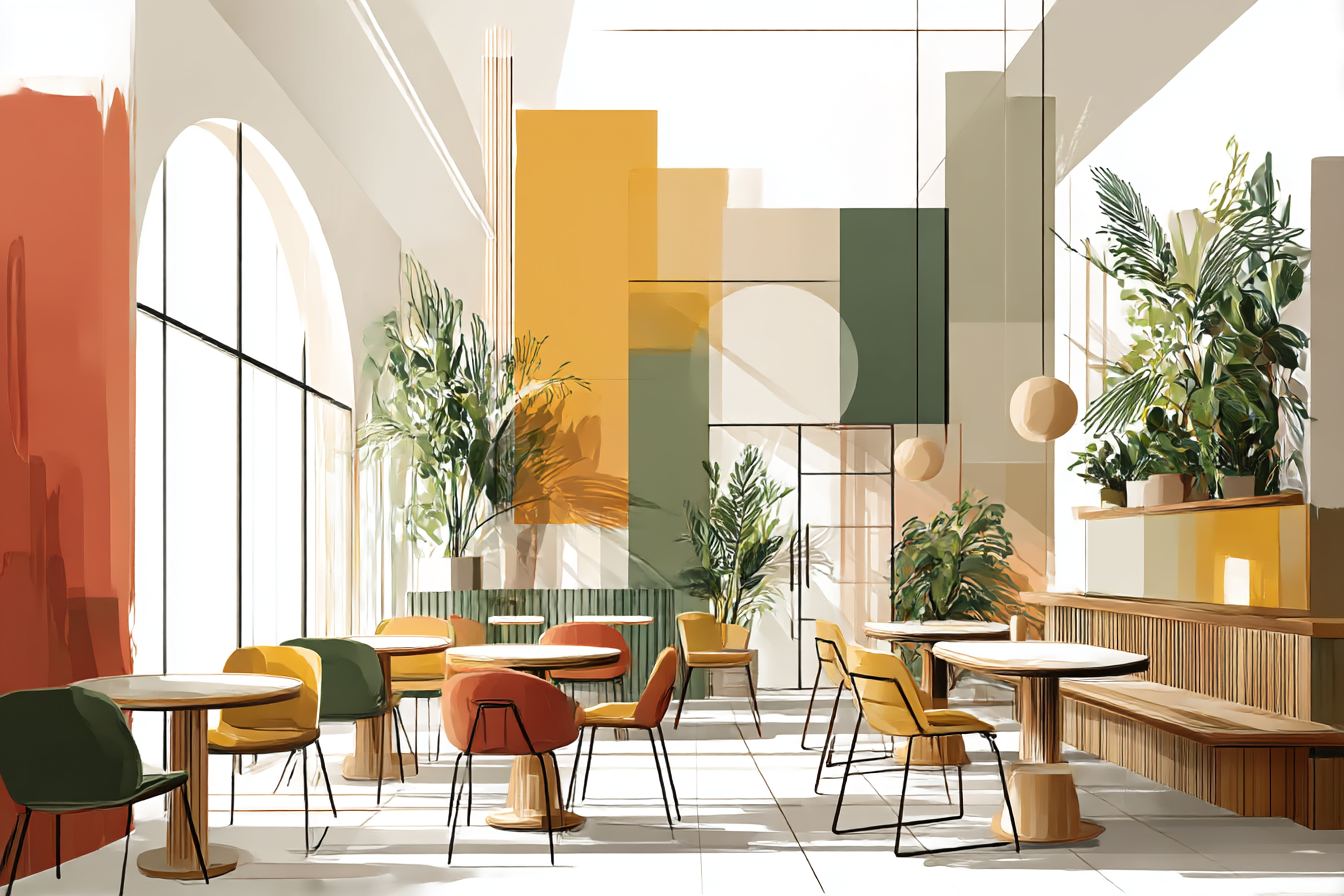
London's schools have embraced these ideas faster than I expected. A primary school in Hackney replaced their traditional playground with what they call a "learning landscape" – integrated growing areas, natural play structures, and outdoor classrooms that function year-round. Test scores improved, but more importantly, behavioral incidents dropped significantly. Teachers report that children who struggle with attention indoors often flourish in these semi-natural environments.
The private sector has been watching these public successes closely. Google's new London headquarters incorporates more living systems than any commercial building I've seen outside of Singapore. But they've avoided the "corporate jungle" aesthetic that can feel forced. Instead, they've created zones that feel like extensions of London's existing parks and squares.
I spent a week working from their offices (through a friend's guest pass), and the spaces genuinely function differently than typical corporate environments. Meeting rooms with living walls facilitate different types of conversations – people seem more collaborative, less defensive. The cafeteria areas with integrated herb gardens create casual interactions between employees who might not otherwise connect.
Even London's transport system is experimenting with biophilic approaches. Several Underground stations now have living art installations that function as air purification systems while creating more pleasant waiting environments. The Northern Line extension stations were designed from the ground up with natural light optimization and integrated plant systems.
Riding through those new stations feels completely different from traditional tube travel – less claustrophobic, more connected to above-ground reality. The psychological impact is subtle but real. Commuter stress indicators measured at those stations show measurably lower readings than comparable locations on older lines.
What impresses me most about London's approach is how it's happening across scales simultaneously. Major developments like the Olympic Park obviously get attention, but the cumulative impact of smaller interventions might be more significant. Restaurant courtyards with retractable glass ceilings, office buildings with employee-accessible growing areas, residential developments where balcony gardens connect visually to create green corridors – individually modest, collectively transformative.
The city's policy framework supports these approaches without mandating specific solutions. Developers have flexibility to innovate while meeting measurable performance standards for air quality, urban heat reduction, and biodiversity support. This has led to surprisingly creative solutions I wouldn't have anticipated.
Borough Market's moss canopy is just one example. I've seen residential buildings where the facades change seasonally as integrated climbing plants respond to weather patterns. Office complexes where interior courtyards function as both employee amenities and stormwater management systems. Retail spaces where living walls serve as both atmospheric elements and acoustic treatment.
The maintenance concerns that typically derail these projects have been addressed through technology improvements and community engagement strategies. Sensor systems monitor plant health and irrigation needs automatically.

Building management systems integrate with weather data to adjust growing conditions. Residents and employees often volunteer for basic care tasks, creating social connections around shared environmental stewardship.
<blockquote>London's climate actually supports these approaches better than many people assume. The moderate temperatures and consistent moisture levels suit many plant species that struggle in more extreme conditions. The relatively stable seasonal patterns allow for predictable growth cycles that can be integrated into building system planning.</blockquote>
I'm curious to see how Brexit impacts material sourcing for these projects, but so far, the momentum seems unstoppable. Too many people have experienced the benefits of nature-integrated spaces to accept purely artificial environments anymore. London has demonstrated that biophilic design isn't just aesthetically appealing – it's functionally superior for human health and well-being.
The city has become a living laboratory for how dense urban environments can support rather than suppress our biological need for natural connections. Other cities are watching, but London has the advantage of treating these approaches as normal rather than experimental. That shift in mindset makes all the difference.