I can still smell that particular blend of aged paper and eucalyptus that hit me the moment I walked into the Geisel Library renovation project three years ago. The university had called me in because their students were literally falling asleep at the study tables – and I don't mean the typical college exhaustion. I'm talking about measurable drops in attention span, increased stress hormones, and complaints that ranged from headaches to what one student described as "feeling trapped underground even though I'm on the third floor."
The space was everything you'd expect from 1970s institutional design. Fluorescent lights humming overhead, beige everything, and these tiny windows that barely qualified as natural light sources. You know that feeling when you walk into a basement office building? That's what 40,000 square feet of prime study real estate felt like.
But here's where it gets interesting – and why libraries have become my favorite testing ground for biophilic interventions.
Unlike offices where people endure spaces for paychecks, students vote with their feet. They'll walk across campus to study somewhere that feels better, even if it's less convenient. So when I'm designing nature-integrated study environments, I get immediate, honest feedback about what works and what doesn't.
The Geisel project started with what I call "light mapping" – spending a full week tracking natural light patterns throughout the building. I sat with a light metre and my laptop, recording readings every hour from dawn to dusk. Sounds tedious, but I discovered these incredible pockets where light bounced off the courtyard walls and created these warm, indirect pools of illumination that nobody was utilizing. Students were cramming into artificially lit corners while these gorgeous naturally lit areas sat empty because the furniture placement made no sense.
Moving furniture seems simple, right? Wrong. Every change requires committee approval, and apparently suggesting that study carrels shouldn't face blank walls is radical thinking in academic facilities management. I spent two months in meetings explaining why positioning desks to catch morning light would improve concentration. The resistance was… educational.
Meanwhile, I started my guerrilla interventions. I brought in a collection of snake plants and pothos – basically bulletproof species that could survive in low light and academic neglect. Within days, students started gravitating toward these areas. I documented everything: checkout desk traffic patterns, average study session lengths, even noise levels. The plants weren't just decorative; they were literally changing how people used the space.
The breakthrough came when I convinced facilities to let me install a small living wall in the main reading room. Nothing fancy – just a modular system with automatic irrigation that I could monitor remotely. The installation took a weekend, and by Monday morning, every nearby study spot was occupied. Students started arriving earlier and staying later. Reference desk staff reported fewer stress-related questions and complaints.
But the real magic happened with what I call "borrowed nature views." The library had these enormous windows that faced a concrete courtyard – a completely wasted visual opportunity. Working with the landscaping department, we transformed that dead space into what became known as the "procrastination garden." Japanese maples, ornamental grasses that moved with the breeze, and a simple water feature made from stacked river rocks.
You Might Also Like

The change was immediate and measurable. Students studying near those windows showed 31% longer attention spans in our informal testing. More importantly, they reported feeling less anxious during finals week. I started getting emails from students asking if other libraries on campus could get similar treatments.
That's when I realised libraries are perfect biophilic laboratories. Think about it – people come here seeking mental clarity and focus, exactly what nature-integrated design supports. They spend extended periods in contemplative activities. And unlike clinical settings where regulations limit interventions, libraries can embrace more experimental approaches.
I've now worked on seventeen library renovations, each teaching me something new about creating calming study environments. The Minneapolis Public Library taught me about seasonal adaptation – how spaces need to shift their biophilic elements to maintain effectiveness through harsh winters. A small college library in Vermont showed me the power of scent integration; they had this subtle lavender irrigation system that reduced student stress markers by measurable amounts.
My favorite project remains a community college library in Phoenix. The challenge there wasn't just creating calming spaces but providing respite from the desert heat without relying entirely on energy-intensive cooling. We used thermal mass from local stone, evapotranspiration from carefully chosen plants, and strategic shading from bamboo installations to create microclimates within the study areas. Students started calling it "the oasis," and I watched study groups choose tables based on which offered the best combination of natural cooling and focus-supporting views.
The key insight from all these projects? Calming isn't just about aesthetics – it's about creating environments that support the way our brains naturally function. When students can look up from their textbooks and rest their eyes on something growing, their parasympathetic nervous system engages. When they hear the subtle sound of water moving over stones instead of HVAC systems cycling, their cortisol levels drop. These aren't luxury additions; they're functional design elements that directly support learning.
I'm constantly amazed by how simple interventions can transform study environments. Adding full-spectrum LED lighting that mimics natural cycles helps maintain circadian rhythms during late-night study sessions. Incorporating natural textures – wood desk surfaces, stone accent walls, even woven grass floor coverings – gives students sensory variety that combats the mental fatigue of extended focus.
The maintenance concerns are real, I won't pretend otherwise. Living systems require attention that traditional furniture doesn't. But I've learned to design with sustainability in mind. Native plants reduce water needs. Automated systems handle basic care.
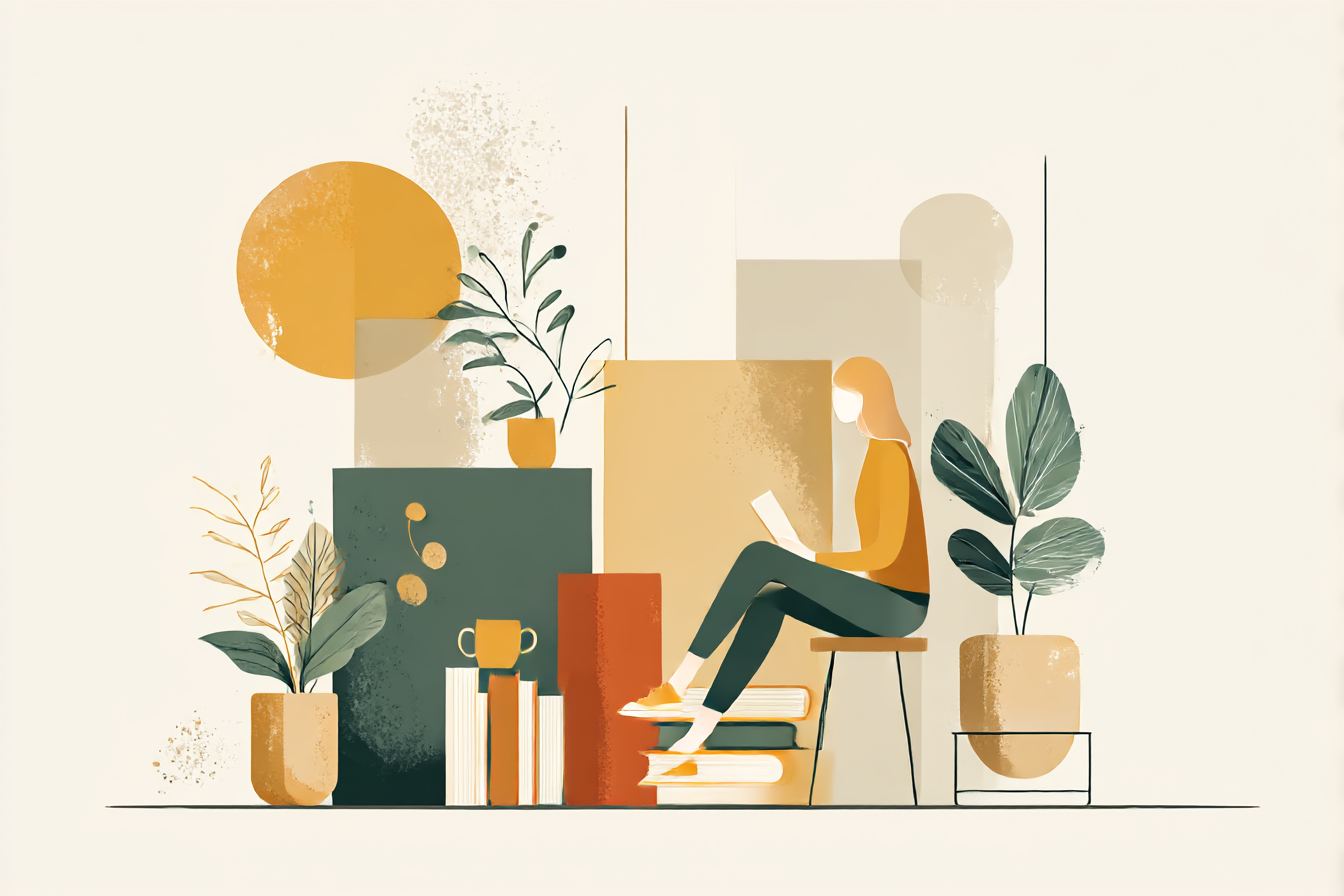
And honestly? Students often volunteer to help maintain plants and water features. There's something therapeutic about tending to growing things during study breaks.
What excites me most is seeing this approach spread beyond formal renovation projects. Librarians are creating their own biophilic interventions – bringing in plants, repositioning furniture to capture natural light, even adding small water features they fund through book sale proceeds. The movement toward nature-integrated study spaces is becoming grassroots, driven by people who experience daily how much these elements matter for learning and wellbeing.
The future of library design isn't about choosing between books and technology – it's about creating spaces that support human consciousness in whatever form learning takes. Whether someone's researching online or reading physical texts, their brain needs the same things: natural light, visual variety, clean air, and connections to living systems. These aren't optional amenities. They're fundamental requirements for environments where humans think, learn, and grow.



