
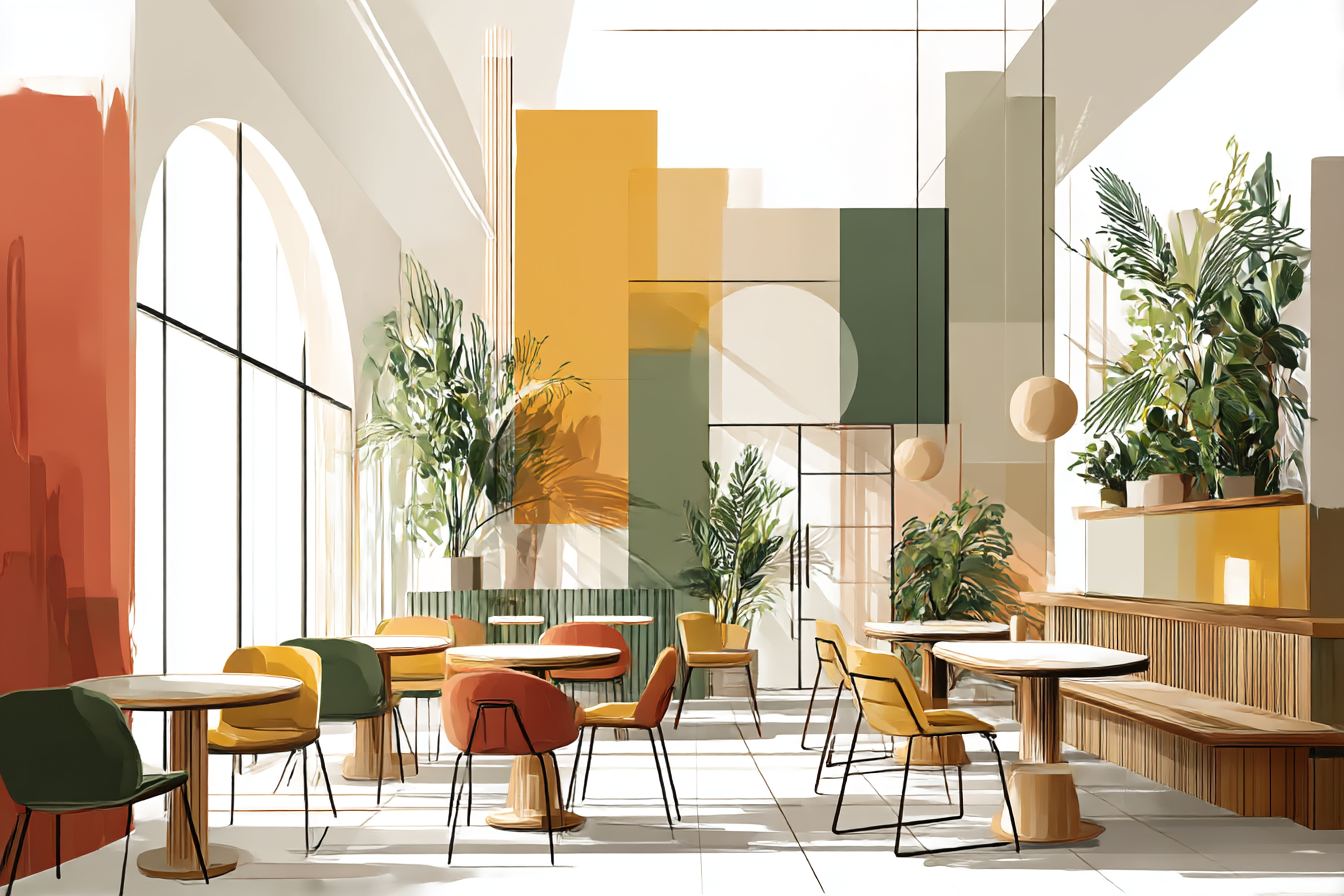
Three weeks ago, I found myself sitting in what the restaurant called their "living room" – basically a greenhouse that someone had plopped tables into. The walls were lined with vertical gardens, herbs growing in copper planters, and this massive fiddle leaf fig that probably cost more than my rent. But here's the thing: I wasn't annoyed by the obvious attempt at trendy design. I was actually… relaxed?
My dining companion – an old friend from architecture school – kept apologizing for picking such a "scene-y" place. Meanwhile, I'm over here having this weird moment where I realised my heart rate had dropped, my shoulders weren't hunched up around my ears like usual, and I actually wanted to linger over dessert instead of rushing out. That's when it hit me: this wasn't just restaurant design with some plants thrown in.

This was biophilic dining, and it was working on me whether I liked it or not.
You know how certain spaces just feel different? Like, you walk into some restaurants and immediately want to scroll your phone or cheque the time, but others make you want to actually talk to the person across from you? I've been studying this stuff for years from an architectural angle, but experiencing it in a food context was… well, it was like watching all my theories play out in real time.
The server brought our appetizers on these gorgeous wooden boards – real wood, not the fake-rustic stuff you see everywhere. I found myself running my fingers along the grain while she explained the farm-to-table sourcing. (Old habits die hard; I still can't help touching interesting materials.) The plates underneath were this matte ceramic that reminded me of river stones, and the whole presentation felt less like "fancy restaurant trying too hard" and more like "picnic, but elevated."
Here's what really got me: they'd designed the menu around seasonal rhythms. Not just seasonal ingredients – though that was part of it – but actual circadian considerations. The lunch menu featured lighter proteins and brighter flavors that align with our natural energy peaks. Dinner options were richer, more grounding, designed to support the body's natural wind-down process. I mean, most people probably didn't consciously notice this, but your body absolutely registers these signals.
The lighting was probably what impressed me most from a technical standpoint. Instead of those harsh overhead spots that make everyone look tired and food look unappetizing, they'd created this layered system that mimicked natural light patterns. Warmer tones near the seating areas, cooler light over the growing walls, and these subtle shifts throughout the day that you'd only notice if you stayed for hours. Which, apparently, people did – the average table turn was significantly longer than industry standard, but somehow that felt intentional rather than problematic.
What really sealed it for me was watching other diners. There was this family with two young kids who'd been there when we arrived. Normally, kids get antsy in restaurants after about twenty minutes, right? These two were completely engaged – not with devices, but with each other and their environment. The little girl kept pointing out different plants to her brother, and they'd invented some game involving counting the number of tomatoes they could spot growing in the vertical garden.
I started thinking about all the research on attention restoration and how natural environments help reduce mental fatigue. Suddenly, the longer table turns made perfect sense. People weren't just lingering because the food was good – though it was – they were actually experiencing the restorative effects of being in a nature-integrated space. Their nervous systems were downshifting into that parasympathetic state where digestion works better, conversations flow more naturally, and you actually taste your food instead of just consuming it.
You Might Also Like
The bathroom was where they really went all out, though. (I know, weird thing to mention, but hear me out.) Instead of some sterile white box, they'd created this little oasis with living moss walls and a small water feature that provided just enough sound masking without being distracting. The mirrors were framed with actual driftwood, and the lighting was this soft, warm tone that made everyone look healthy instead of exhausted. I've been in too many restaurant bathrooms that feel like medical facilities – fluorescent lights bouncing off white tiles, making you want to get out as quickly as possible.
After dinner, my friend mentioned that this was the first time in months she'd put her phone away during a meal without consciously deciding to do it. That's the thing about well-executed biophilic design – it works on you without you having to think about it. Your body just responds to these natural cues that we've evolved to recognise over millennia.
I started researching the restaurant later (occupational hazard) and discovered they'd worked with a consultant who specializes in what they call "regenerative dining experiences." The whole operation was designed around supporting both human wellness and ecological health. Their composting system fed into the on-site growing areas, rainwater collection irrigated the living walls, and they'd even incorporated bee houses into their outdoor seating area design.
But it wasn't preachy about any of this. You didn't walk in and get lectured about sustainability – you just experienced it. The natural materials felt good under your hands. The plants cleaned the air while you ate. The seasonal menu connected you to the rhythms of local growing cycles. The lighting supported your body's natural processes. Everything worked together to create this coherent experience that felt more like dining in someone's really well-designed garden than in a traditional restaurant.
Since then, I've been paying attention to how other restaurants integrate – or fail to integrate – natural elements. Most attempts are pretty superficial: a few potted plants scattered around, maybe some reclaimed wood accent walls, possibly a "living wall" that's actually just preserved moss stuck to a frame. These token gestures might look nice in photos, but they don't create the deeper physiological and psychological benefits that thoughtful biophilic design can deliver.
The real opportunity isn't just about making restaurants prettier or more Instagram-worthy. It's about recognising that eating is fundamentally a biological process that happens more effectively when our environment supports rather than stresses our natural systems. When you're in a space that feels connected to natural rhythms and materials, your body relaxes into the digestive process instead of staying in that low-level fight-or-flight mode that characterizes so many modern dining environments.
I've started visiting more restaurants that take this approach seriously, and the consistency of the experience is remarkable.

People stay longer. Conversations seem deeper. Kids behave better. Even business meals feel less stressful when they happen in spaces that incorporate meaningful natural elements.
This isn't about going back to eating in caves or anything dramatic like that. It's about remembering that humans evolved in natural environments and our bodies still respond to those environmental cues, even in urban settings. When restaurants understand and design for this reality, they create experiences that nourish people on levels beyond just taste and nutrition.
The best part? Once you start noticing the difference, you can't unsee it. Every harsh fluorescent light, every plastic surface, every artificially scented space starts feeling like what it actually is – an environment working against your natural biology rather than supporting it.