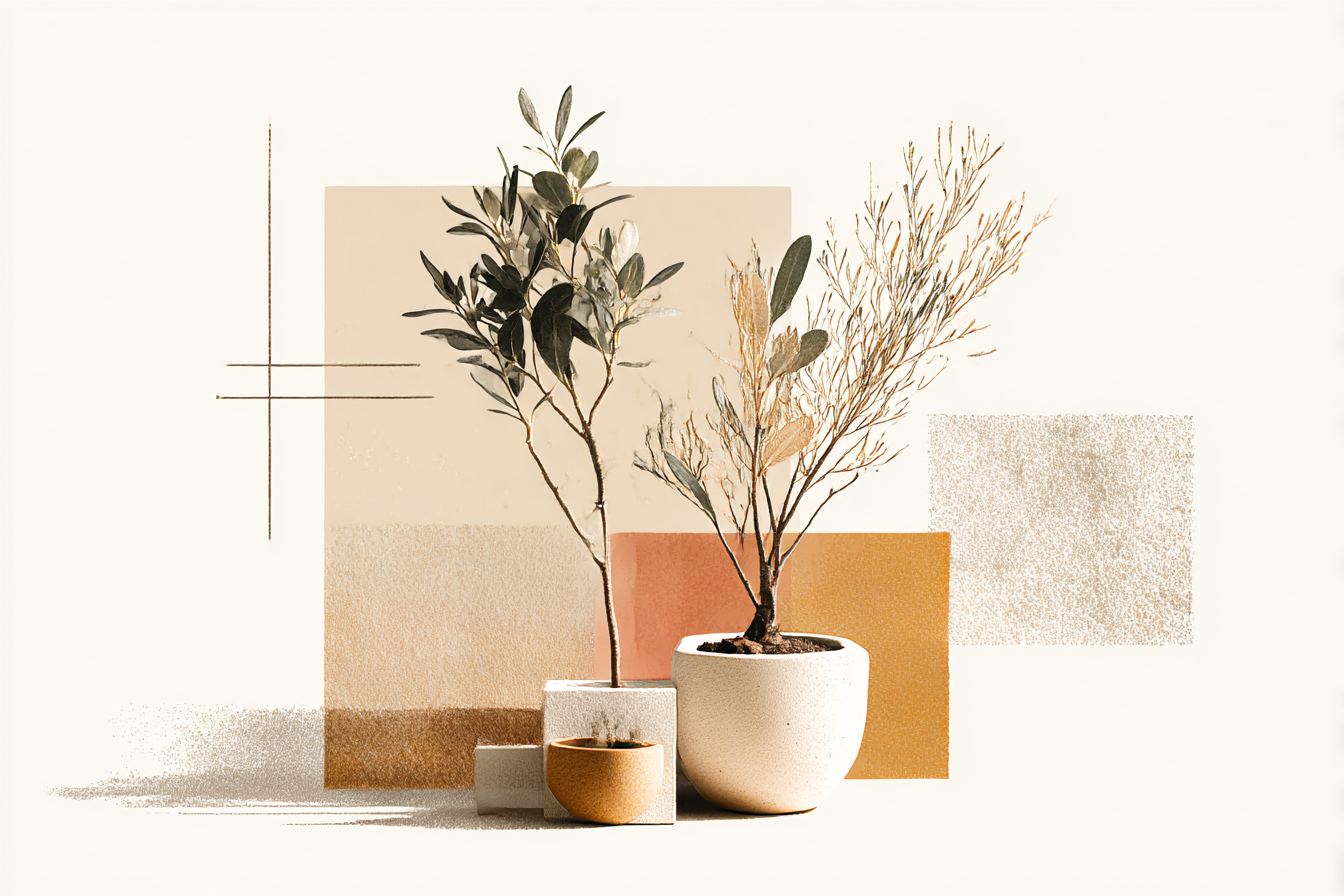
The other day I was reorganizing my testing lab – okay, fine, my apartment – when I knocked over this massive jade plant that's been thriving in my east window for three years now. As soil scattered across my reclaimed oak flooring, I found myself laughing instead of cursing. Here I was, someone who supposedly knows everything about creating nature-integrated spaces, and I'm still learning the hard way that plants need proper support systems.
That little disaster got me thinking about how we've completely lost touch with the idea that our indoor spaces should actually support life – not just human life, but the whole web of living systems we're meant to be part of. You know what I mean? We've created these sterile boxes and then wonder why we feel drained, anxious, or just… off.
I've been testing this theory in my own space for years now, turning what was once a pretty typical urban apartment into something that actually breathes. The changes weren't just cosmetic – though my friends do joke that visiting feels like stepping into some kind of urban jungle.
The real shifts happened in how I felt, how I slept, even how I thought about problems.
Take my morning routine, for instance. I used to stumble out of bed, grab coffee, and stare at my phone while hunched over my kitchen counter. Now? I wake up to light that gradually brightens to mimic sunrise (thanks to those circadian rhythm LEDs I installed last year), water my hydroponic wall while the coffee brews, and actually sit by my living wall to plan my day. Sounds a bit hippie-dippy when I write it out like that, but the difference in my energy levels is undeniable.
The science behind this isn't new age nonsense, by the way. Our brains are literally wired to respond to natural patterns, materials, and processes. When we strip those elements away – which most conventional interior design does – we're basically fighting against millions of years of evolution. No wonder so many people feel stressed in typical office buildings or struggle with focus in windowless rooms.
I learned this lesson the expensive way during my consulting days. I remember this one corporate project where the client insisted on marble everywhere – floors, walls, even the reception desk. Beautiful material, don't get me wrong, but completely cold and lifeless. The employees complained about feeling tired and unfocused. We ended up adding living elements throughout the space: planters with trailing vines, a small fountain feature, even textured wood panels that people could actually touch. The feedback surveys afterwards showed marked improvements in both mood and productivity.
But here's the thing – you don't need to gut your entire space to create these connections. Some of my most effective interventions have been surprisingly simple. Moving furniture to face windows instead of walls. Swapping out synthetic materials for natural ones wherever possible. Adding plants that actually clean your air instead of just looking pretty.
Speaking of plants, can we talk about how wrong most people get this? I see these Instagram-worthy spaces with fiddle leaf figs in dark corners and succulents in bathrooms with no windows. It drives me crazy. Plants aren't decorative objects – they're living systems that need specific conditions to thrive. When they're healthy and properly placed, they become active partners in creating healthier indoor environments.
You Might Also Like
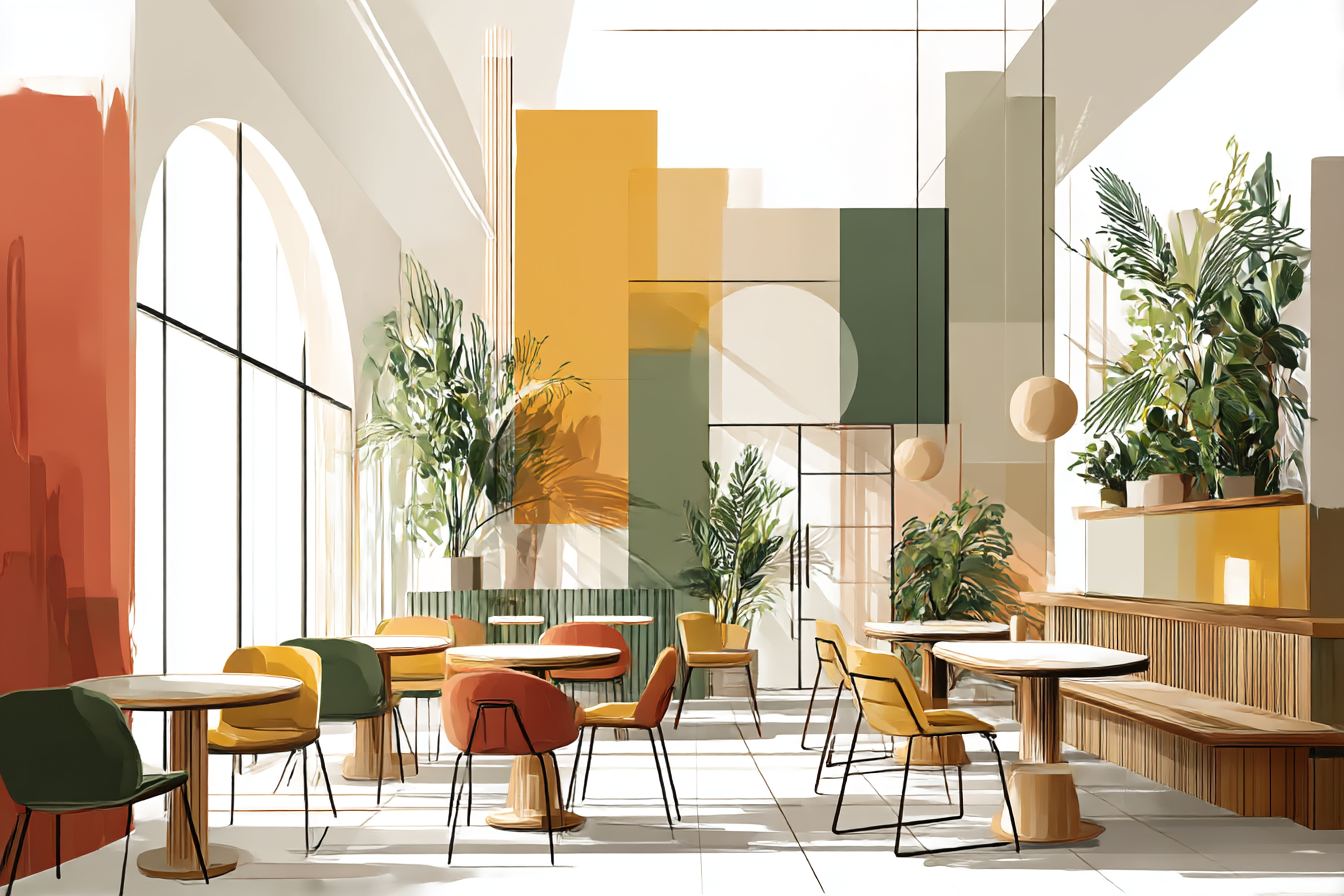
My current favorite experiment involves what I call "microclimates" throughout my apartment. The area near my south-facing windows has become this warm, bright zone perfect for citrus trees and herbs. The bathroom, with its higher humidity, houses my collection of ferns and air plants. Even that weird alcove by the front door – previously just dead space – now holds shade-loving plants that help filter the air as I come and go.
The water element was trickier to figure out. I'm not talking about some massive fountain installation (my neighbours below me would definitely object), but subtle water features that add humidity and that soothing sound of moving water. I built a small recirculating system using copper tubing and a quiet pump that cost maybe fifty bucks in materials. The psychological effect of hearing gentle water movement throughout the day is remarkable – it masks urban noise while adding this calming background that somehow makes everything feel more peaceful.
Natural materials make a huge difference too. I've gradually replaced synthetic surfaces with wood, stone, bamboo, cork – anything that carries the texture and warmth of living systems. My dining table is a slab of walnut that still shows the tree's growth rings. The floor lamp base came from a piece of driftwood I found on a beach in Oregon. These aren't expensive designer pieces – just materials that connect me to natural processes and patterns.
Lighting deserves its own conversation entirely. Most artificial lighting is terrible for human health and completely disconnected from natural rhythms. I spent months researching and testing different LED systems that could actually mimic the colour temperature changes we evolved with. Warm, dim light in the evenings that doesn't interfere with melatonin production. Bright, blue-rich light during mid-day hours that supports alertness and mood.
The results have been pretty dramatic. My sleep cycle naturally regulated without any other changes. Seasonal depression symptoms that used to hit me every winter have basically disappeared. I find myself more alert during the day and naturally winding down in the evenings instead of fighting that restless, overstimulated feeling I used to get.
What really excites me about this approach is how it challenges the whole idea of "indoor" versus "outdoor" living. Why should stepping inside mean disconnecting from natural systems? My space now feels like a bridge between the urban environment outside and some deeper connection to living processes. Air gets purified by plants. Light cycles mirror natural rhythms. Water moves and creates humidity. Natural materials age and develop character over time instead of just degrading.
I've started consulting with other people who want to create similar transformations, and the patterns are consistent. People report better sleep, improved focus, reduced anxiety, even fewer respiratory issues when they start incorporating these elements thoughtfully.
It's not magic – it's just working with our biology instead of against it.
The best part? None of this requires massive renovation budgets or complete lifestyle changes. Start small. Add a few plants that actually suit your light conditions. Replace synthetic surfaces with natural materials when things wear out anyway. Pay attention to how different lighting affects your energy throughout the day.
Your space should support your wellbeing, not undermine it. That's really what this whole movement comes down to – creating environments that recognise we're biological beings who evolved in constant relationship with living systems. When our built environments honour that relationship, everything else seems to fall into place.