
Yesterday morning, I walked into my client’s office space and immediately felt that familiar knot in my stomach – you know the one I’m talking about. The kind you get when you step into a room that just feels… wrong. Harsh fluorescent lights buzzed overhead, casting that sickly green pallor on everyone’s faces. Zero natural light. Grey carpeting, beige walls, and air so stale I could practically taste the accumulated stress hormones floating around.
“We’re having problems with employee wellness,” the HR director told me, gesturing around the space.

“Sick days are up thirty percent, productivity’s down, and our staff survey results…” She shrugged. “Well, let’s just say people aren’t happy.”
I mean, who would be?
<blockquote>This conversation happens more often than you’d think. Companies spend thousands on wellness programs – gym memberships, meditation apps, standing desks – while completely ignoring the eight hours their employees spend trapped in environments that actively work against human biology. It’s like trying to grow plants in a basement and wondering why they’re not thriving.</blockquote>
The thing is, I’ve seen the exact opposite scenario play out too. About six months ago, I consulted on a renovation for a physical therapy clinic in Portland (not the trendy part – the strip mall part). Their budget was tight, but the owner was desperate. Patient compliance was terrible, people seemed to dread coming in, and the staff turnover was through the roof.
<img class=”size-full” src=”http://wonkydogltd.co.uk/medium/wp-content/uploads/2026/01/im1979_biophilic_design_wellness._ultra-realistichyper-detail_0c17adac-be99-46ce-b107-f674af4b7a1a_0.jpg” alt=”im1979_biophilic_design_wellness._ultra-realistichyper-detail_0c17adac-be99-46ce-b107-f674af4b7a1a_0″ />
We couldn’t afford a complete overhaul, so we got creative. First thing – those awful fluorescent lights had to go. We installed full-spectrum LEDs that could adjust throughout the day, mimicking natural light cycles. Cost about $3,000 total, and I swear the change was immediate. Patients stopped squinting the moment they walked in.
Then we tackled the air quality. The space had this musty, medicinal smell that screamed “hospital” in the worst way possible. We brought in a collection of air-purifying plants – nothing fancy, just pothos, snake plants, and peace lilies – and installed a small water feature near the entrance. Just a simple tabletop fountain, really, but the sound of moving water transformed the acoustic environment completely.
The walls were our biggest challenge. Budget-wise, we couldn’t do much, but we did one strategic intervention that made all the difference. We painted the main treatment area in this soft, sage green – not the institutional mint green you see everywhere, but a colour that actually occurs in nature. Then we added some simple wood accents using reclaimed cedar planks. Nothing elaborate, just horizontal strips at chair rail height.
The results? Patient satisfaction scores jumped 40% within three months. Staff retention improved dramatically. And here’s the kicker – patient pain scores during treatment sessions decreased measurably. The physical therapists started noticing that people could tolerate longer sessions and showed better progress overall.
This isn’t just feel-good anecdotal stuff, by the way. There’s solid research backing up what I see happening in these spaces. Studies consistently show that exposure to natural elements – real or even just visual representations – triggers measurable physiological responses. Cortisol levels drop. Heart rate variability improves. Blood pressure stabilizes.
You Might Also Like
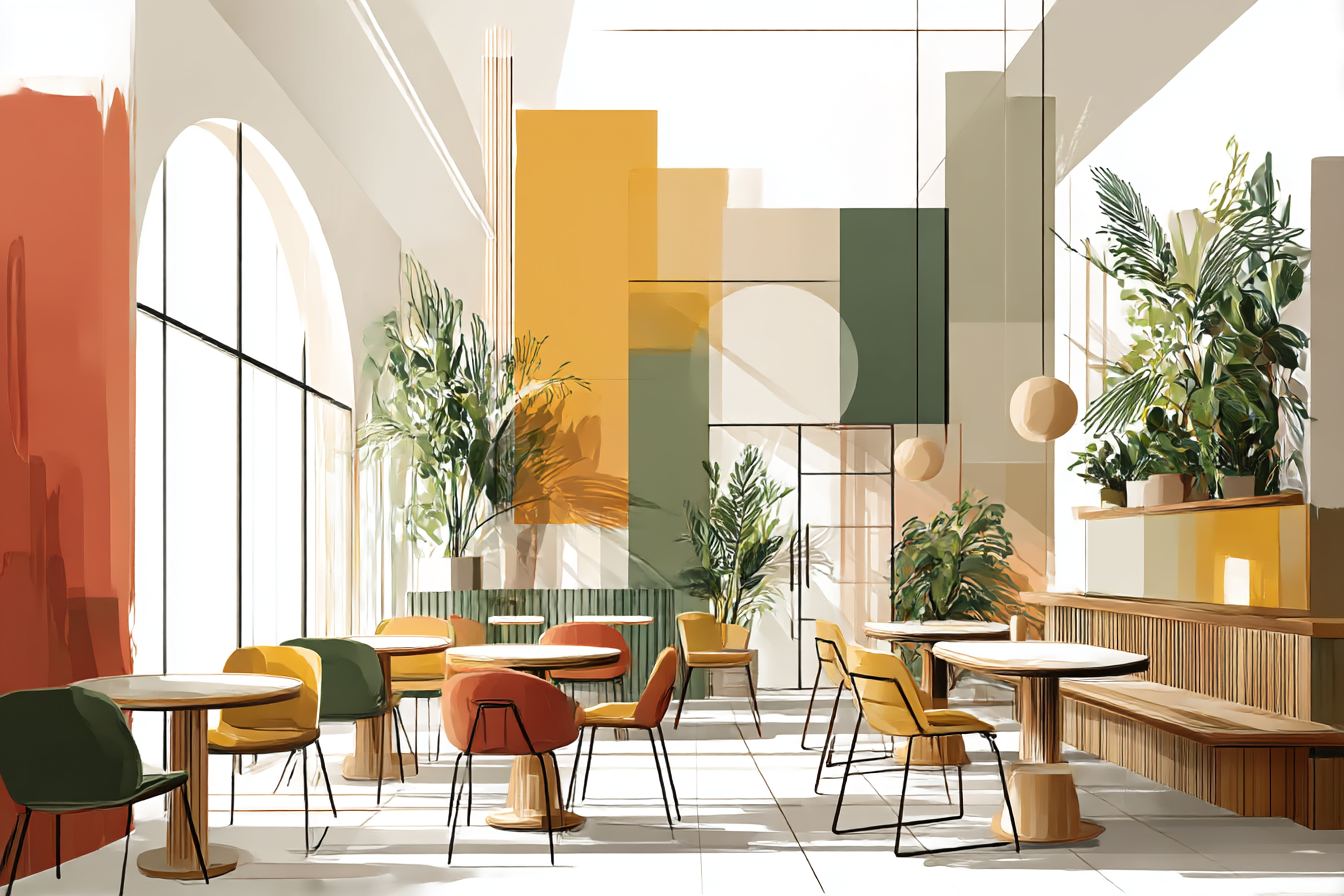
I remember reading this fascinating study from a hospital in Pennsylvania where researchers compared recovery times for patients in rooms with windows overlooking trees versus those facing a brick wall. The nature-view patients healed faster, needed fewer pain medications, and had shorter hospital stays. Same medical care, same nurses, same food – the only variable was what they could see outside their windows.
But here’s where it gets interesting (and where a lot of designers miss the mark): it’s not just about adding plants and calling it a day. Real biophilic design addresses multiple human needs simultaneously – air quality, acoustics, lighting, thermal comfort, visual variety, and what researchers call “prospect and refuge.” That last one’s particularly important in work environments.
Prospect and refuge basically means having visual access to your surroundings (prospect) while feeling protected and secure in your immediate space (refuge). Think about how you naturally choose seats in restaurants – most people want their backs to a wall with a clear view of the entrance. It’s evolutionary psychology playing out in modern settings.
I’ve started incorporating this principle into office designs by creating what I call “natural alcoves” – workstations that feel sheltered but maintain sightlines to windows or internal green spaces. Productivity in these spots consistently outperforms traditional cubicle arrangements, and people report feeling less anxious throughout the day.
The mistake a lot of businesses make is thinking biophilic design is expensive or high-maintenance. Sure, you can spend a fortune on living walls and elaborate water features, but some of the most effective interventions cost almost nothing. Natural materials, for instance. I’ve seen dramatic improvements in spaces where we simply replaced plastic furniture with wood alternatives or swapped synthetic carpeting for natural fibre rugs.
One of my favorite quick wins is what I call “borrowed nature” – positioning workstations to maximize views of any existing outdoor elements, even if it’s just a single street tree or distant mountains. I worked with a call centre last year where we rearranged the entire floor plan around a small courtyard most employees didn’t even know existed. Productivity jumped, sick days decreased, and the general mood in the place completely shifted.
Air quality deserves special attention because it’s often overlooked in wellness discussions. Most commercial buildings have adequate ventilation systems, but they’re designed for basic safety standards, not optimal human health. Plants don’t just look nice – they’re literally processing the air around them, removing volatile organic compounds and producing oxygen. I always recommend specific species based on the space’s light conditions and maintenance capabilities.
For low-light environments, I love snake plants and ZZ plants – nearly indestructible and highly effective air purifiers. Brighter spaces can handle fiddle leaf figs or rubber plants. And if you really want to make an impact, pothos vines can cover a lot of visual territory without requiring much floor space.
<img class=”size-full” src=”http://wonkydogltd.co.uk/medium/wp-content/uploads/2026/01/im1979_biophilic_design_wellness._ultra-realistichyper-detail_0c17adac-be99-46ce-b107-f674af4b7a1a_1.jpg” alt=”im1979_biophilic_design_wellness._ultra-realistichyper-detail_0c17adac-be99-46ce-b107-f674af4b7a1a_1″ />
The sound component is huge too, though most people don’t realise it. Hard surfaces in typical office environments create acoustic chaos – every keyboard click, phone conversation, and footstep bounces around creating subliminal stress. Natural elements naturally absorb sound. Plants, wood surfaces, even water features help create more peaceful acoustic environments.
<blockquote>I’ve noticed that spaces with better acoustic design tend to foster more collaboration and creative thinking.
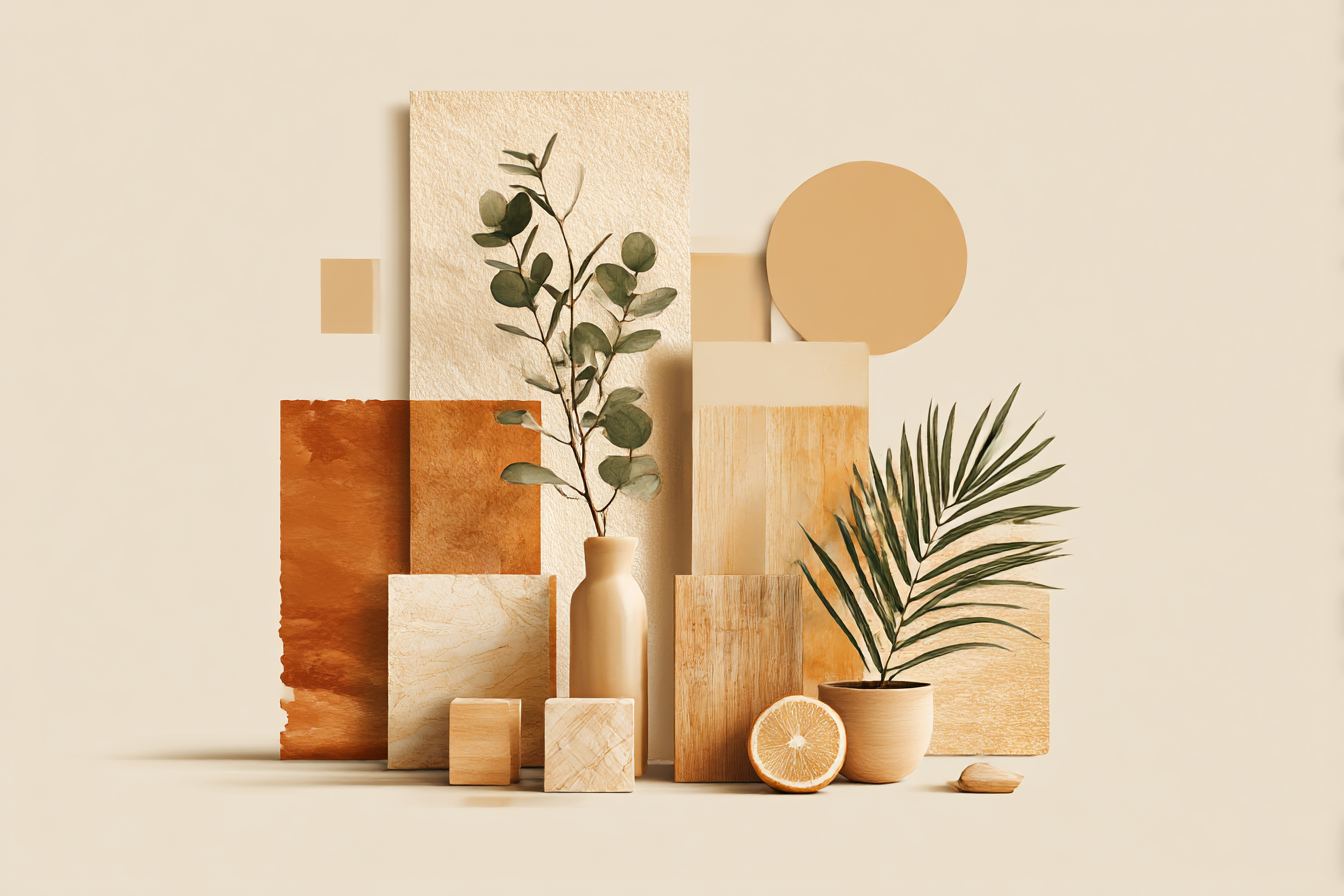
People speak more quietly naturally, which reduces overall noise levels. Conversations feel more intimate and focused. It’s like the space itself encourages more thoughtful communication.</blockquote>
What really excites me about this field right now is how mainstream it’s becoming. Five years ago, I had to spend half my consulting time just convincing clients that environment affects performance. Now they’re calling me because they already understand the connection – they just need help implementing solutions effectively.
The wellness industry has finally caught up to what indigenous cultures have known forever: humans thrive when connected to natural systems, and they suffer when cut off from them. Our built environments can either support that connection or completely sever it. The choice, thankfully, is ours to make.